

Report
- +2
George Perkovich, Jessica Tuchman Mathews, Joseph Cirincione, …

REQUIRED IMAGE
Officials have groped for references to atomic bombs to describe the destruction that Hurricane Katrina brought to the southeast United States. Mississippi Governor Haley Barbour said, “I can only imagine that this is what Hiroshima looked like 60 years ago.” But Hiroshima was much worse. The bombing killed 140,000 people either immediately or within the year and destroyed or damaged 70,000 of the 76,000 buildings in the city. Experts have warned for years of the real danger of a Hiroshima-size terrorist attack on an American city but, like the known risk to New Orleans, the government response has been woefully inadequate. Now is the time to shore up the nuclear security dams and levees that can prevent this ultimate disaster. (Read More)
Officials have groped for references to atomic bombs to describe the destruction that Hurricane Katrina brought to the southeast United States. Mississippi Governor Haley Barbour said, “I can only imagine that this is what Hiroshima looked like 60 years ago.” But Hiroshima was much worse. The bombing killed 140,000 people either immediately or within the year and destroyed or damaged 70,000 of the 76,000 buildings in the city. Experts have warned for years of the real danger of a Hiroshima-size terrorist attack on an American city but, like the known risk to New Orleans, the government response has been woefully inadequate. Now is the time to shore up the nuclear security dams and levees that can prevent this ultimate disaster.
Storm Warnings
Dozens of experts and reports have issued blunt warnings of the danger. The most prominent of these perhaps is the 9/11 Commission Report recommendations that the country had to make a “maximum effort” to prevent a nuclear 9/11. Commission Chair Thomas Kean said, “A nuclear weapon in the hands of a terrorist is the single greatest threat that faces our country today.” Commission Vice Chair Lee Hamilton said “You have to elevate this problem above all other problems of national security, because it represents the greatest threat to the American people.”
The report’s recommendations have been largely ignored. Former Senator Sam Nunn says, “American citizens have every reason to ask, ‘Are we doing all we can to prevent a nuclear attack?’ The answer is ‘no, we are not.’”
An Action Agenda
The number one goal should be to ensure that terrorists remain non-nuclear. As President George W. Bush has said, “The nations of the world must do all we can to secure and eliminate nuclear…materials.”
“Doing all we can” should mean moving out forcefully to:
· Secure What Exists Now. State-of-the-art security must be applied to all nuclear weapons and weapon-usable materials, whether civilian or military, everywhere. Where effective security is impossible, materials should be relocated or eliminated.
· End Production of Weapon-Usable Materials. The production of highly enriched uranium should be permanently ended and the separation of weapon-usable plutonium should be suspended until current stocks are drawn down. No new countries should build or operate enrichment or reprocessing facilities.
· End Use. Civilian research, power and naval reactors that run on weapon-usable fuels should be converted to alternative fuels or shut down.
· Eliminate Surplus Materials. Large stockpiles of weapon-usable materials in countries around the world should be securely eliminated.
These recommendations are elaborated in the 2005 study from the Carnegie Endowment, Universal Compliance: A Strategy for Nuclear Security. The Carnegie report provides a road map for how to prevent nuclear terrorism and reduce the risks from other global nuclear dangers.
There is no need for any American official to someday be in the position that the heads of FEMA and the Homeland Security Department now find themselves: the day after the disaster trying to explain why they did not do all they could have done. A comprehensive effort to prevent nuclear terrorism is both practical and affordable; we only lack the political will to do it.
"Universal Compliance: A Strategy for Nuclear Security," Carnegie Report by George Perkovich, Jessica Tuchman Mathews, Joseph Cirincione, Rose Gottemoeller, Jon Wolfsthal, March 2005
"The 9/11 Commission Report," Final Report of the National Commission on Terrorist Attacks Upon the United States, 22 July 2004
"The Day After an Attack, What Would We Wish We Had Done? Why Aren't We Doing It Now?"
Testimony by Sam Nunn, Co-Chairman, Nuclear Threat Initiative, Before the 9/11 Public Discourse Project, 27 June 2005
Former Senior Associate, Director for NonProliferation
Recent Work


George Perkovich, Jessica Tuchman Mathews, Joseph Cirincione, …
Joseph Cirincione
Carnegie does not take institutional positions on public policy issues; the views represented herein are those of the author(s) and do not necessarily reflect the views of Carnegie, its staff, or its trustees.

The nuclear relationship between China and the United States is increasingly shaped by widening perception gaps rather than deliberate strategic design.

Tong Zhao

But their "principal to principal" model will only be as effective as the political strength of each leader back home.

Damien Ma

U.S. unpredictability has allowed China to capitalize on its positioning as the “responsible great power”. Paradoxically, the more China wins the perception game, the more likely expectations will rise for Beijing to deliver not just words but to demonstrate with its deeds.

Chong Ja Ian

For Malaysia, the conjunction that works is “and” not “or” when it comes to the United States and China.

Elina Noor
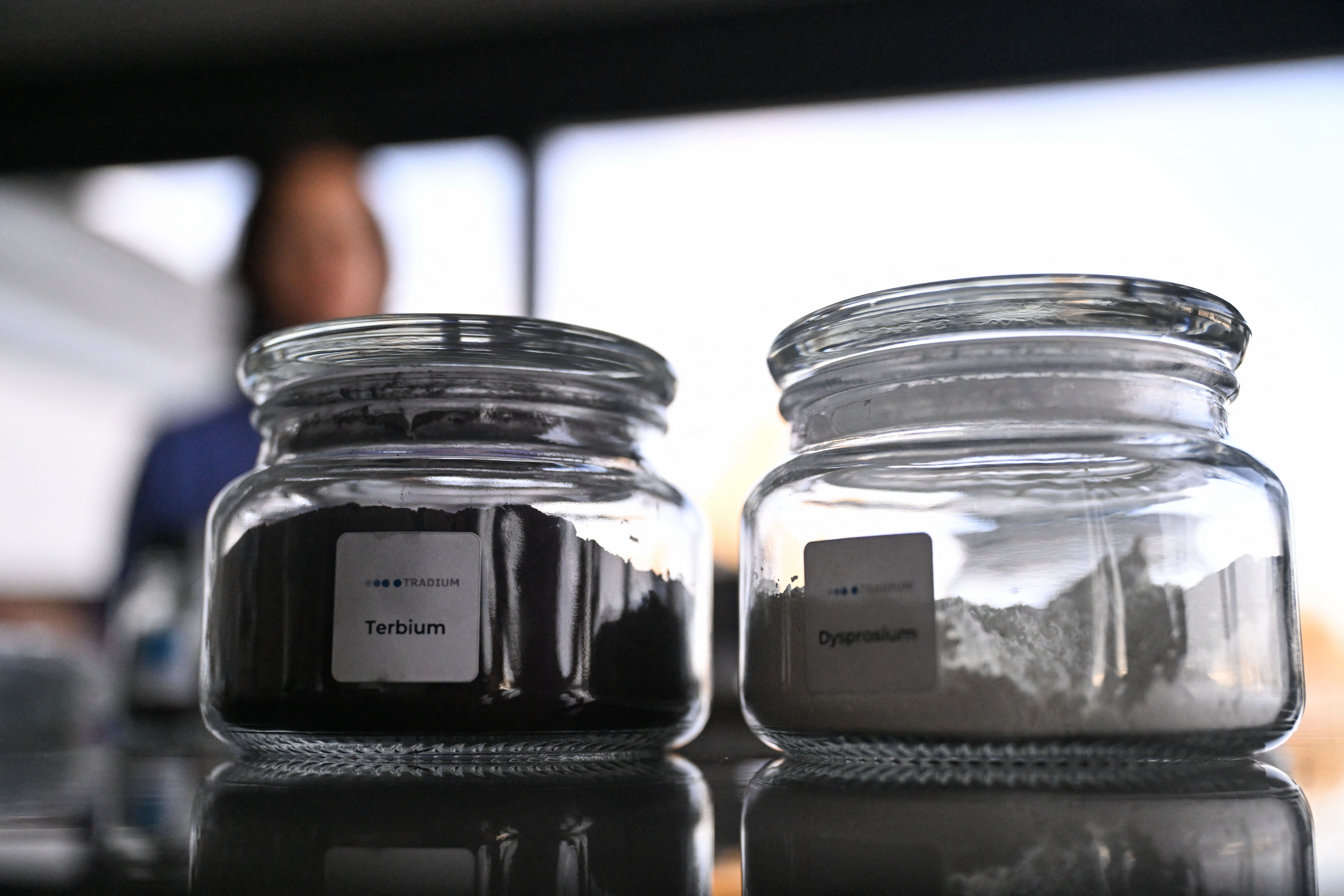
Regulation, not embargo, allows Beijing to shape how other countries and firms adapt to its terms.
Alvin Camba