

Paper
Anirudh Suri

REQUIRED IMAGE
The India-U.S. civilian nuclear deal, under which theU.S.would provide civilian nuclear technology toIndia, overturning decades ofU.S.policy and marking a turning point in the evolution of the U.S.-India relationship, has faltered close to fruition. Even as a new counter-offensive has been launched to push through the deal during the lame duck session of the Senate in November, proponents of the deal are disappointed, and even slightly frustrated, that the Senate did not take up the bill in its recently concluded session.
Adding to their discomfort isNorth Korea’s recent nuclear test.North Korea’s test is likely to place the India-U.S. nuclear deal debate more firmly within the context of increasing proliferation in the world, instead of in the narrative about strengthening the bilateral relationship between theU.S.andIndia. The test has strengthened the voice of the critics of the India-U.S. nuclear deal. (Read More)
The India-U.S. civilian nuclear deal, under which the
Adding to their discomfort is
The Indian government has not given up hope. It seems to be developing a multi-pronged strategy to counter the growing opposition and unexpected obstacles for a deal that many consider is largely favorable to the Indians.
Firstly, even as they have criticized the DPRK for the nuclear test, Indian officials have sought to prevent
Two, they have emphasized that the North Korean nuclear test cannot and should not be compared to the Indian tests in 1998. They point out that
Critics contend that
There might be a silver lining for the Indian government in the timing of
The Indian lobby and the PR firms hired by the
Amidst the vagaries of the
The Democrats, who wanted to introduce 19 amendments to the Bill in the last session, are attempting to push for a deal that ensures
If that does not happen, then the ball would be placed in
Though backing out of the deal is an option, it is probably not
Much will now depend on how well
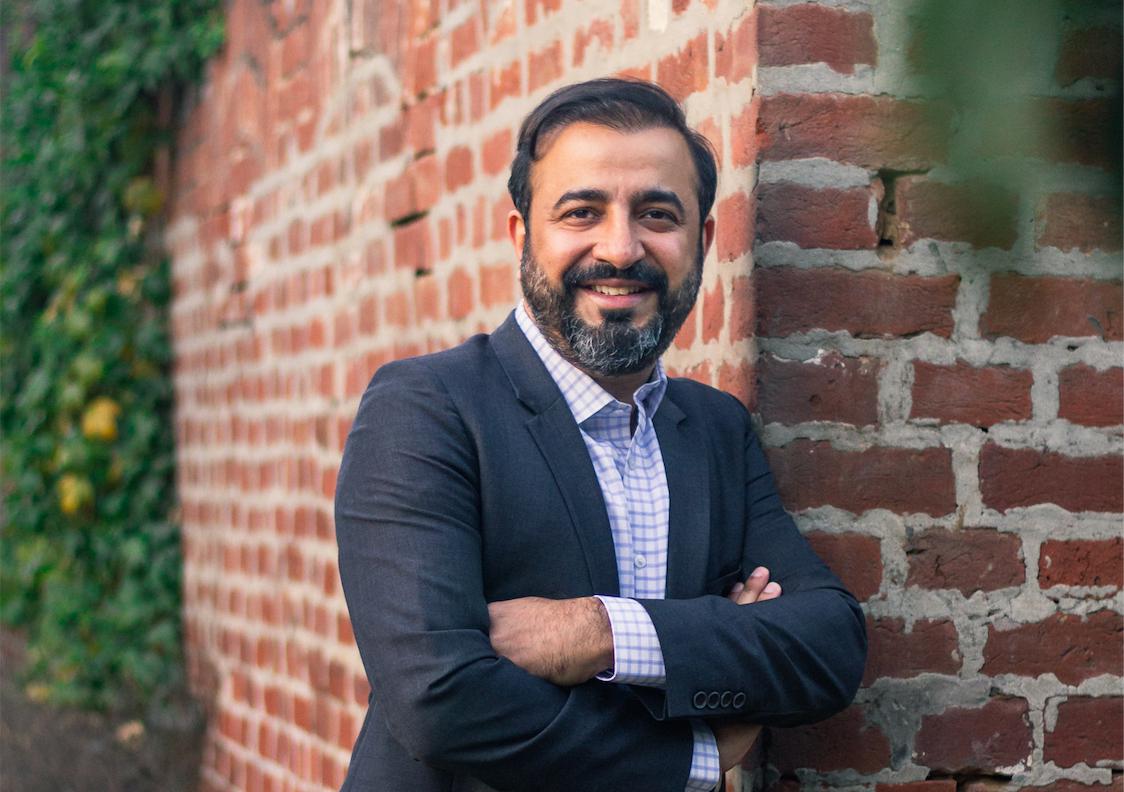
Anirudh Suri is a Junior Fellow with the South Asia Program at the Carnegie Endowment.
Nonresident Scholar, Technology and Society Program
Anirudh Suri is a nonresident scholar with Carnegie India. His interests lie at the intersection of technology and geopolitics, climate, and strategic affairs.
Recent Work
Anirudh Suri
Anirudh Suri
Carnegie does not take institutional positions on public policy issues; the views represented herein are those of the author(s) and do not necessarily reflect the views of Carnegie, its staff, or its trustees.

The nuclear relationship between China and the United States is increasingly shaped by widening perception gaps rather than deliberate strategic design.

Tong Zhao

But their "principal to principal" model will only be as effective as the political strength of each leader back home.

Damien Ma

U.S. unpredictability has allowed China to capitalize on its positioning as the “responsible great power”. Paradoxically, the more China wins the perception game, the more likely expectations will rise for Beijing to deliver not just words but to demonstrate with its deeds.

Chong Ja Ian
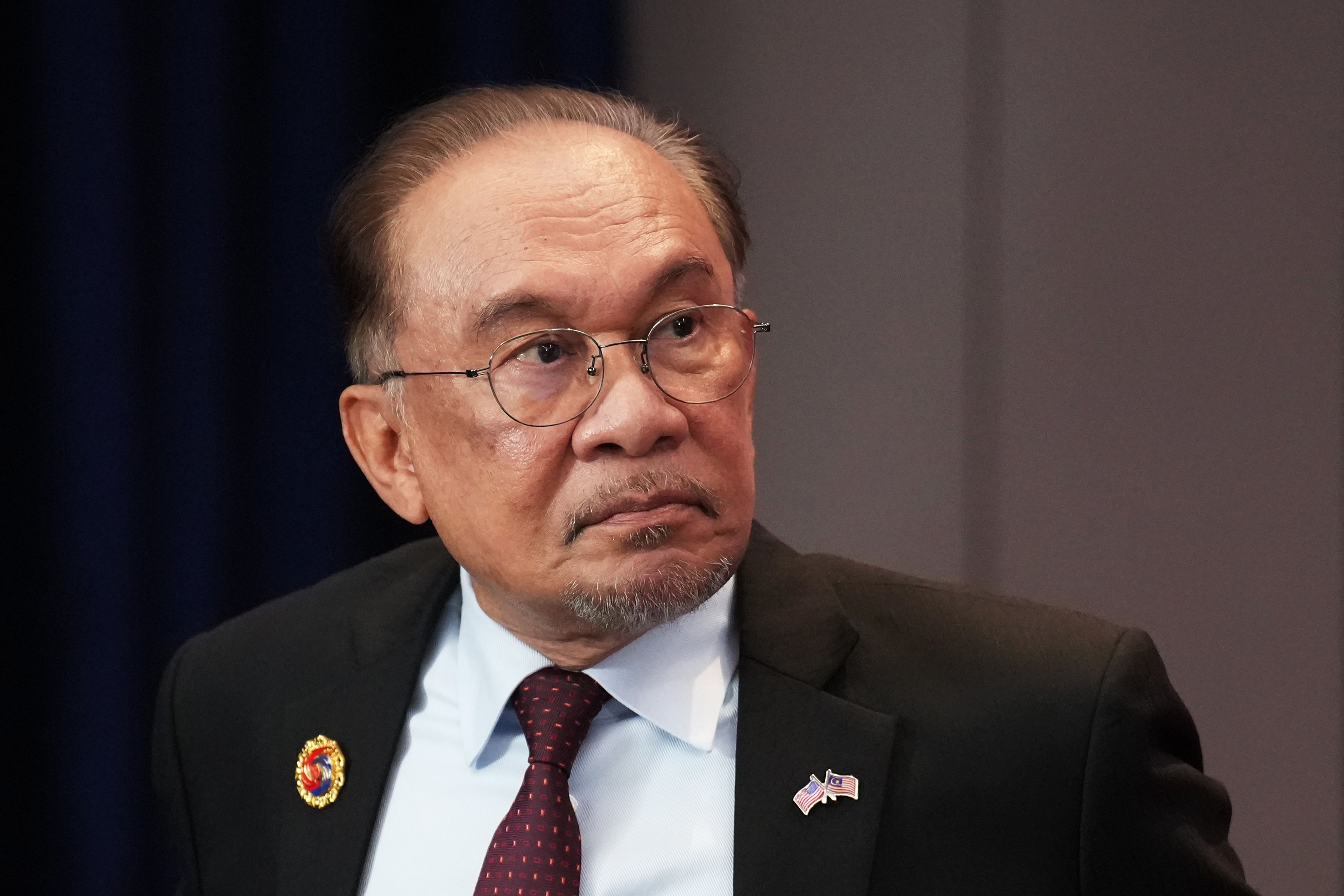
For Malaysia, the conjunction that works is “and” not “or” when it comes to the United States and China.

Elina Noor
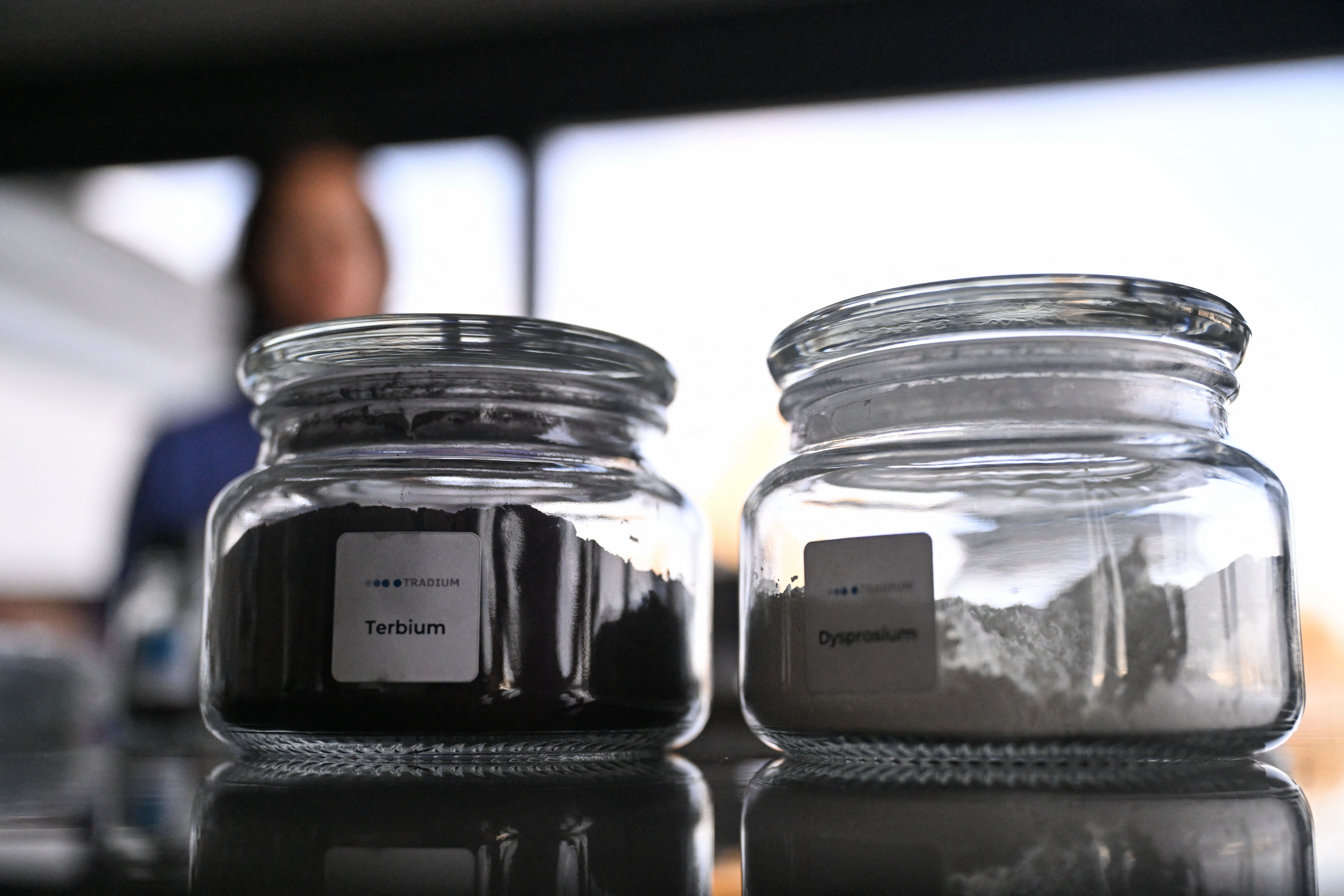
Regulation, not embargo, allows Beijing to shape how other countries and firms adapt to its terms.
Alvin Camba