

Commentary
Nathan J. Brown

Source: Getty
A presidential election in Palestine will not take place until Fatah and Hamas reach consensus—and Israel permits it—resulting in a deadlock with no clear path toward political reconciliation. In a question and answer guide, Nathan Brown offers an analysis of Palestinian law and the core disagreements between the Palestinian factions that cast doubt on President Mahmud Abbas’s political future.
A presidential election in Palestine will not take place until both Fatah and Hamas reach consensus—and Israel permits it—resulting in a deadlock with no clear path toward political reconciliation. In a new question and answer guide, Nathan Brown offers an analysis of Palestinian law and the core disagreements between the Palestinian factions that cast new doubt on President Mahmud Abbas’s political future.
Hamas insists Abbas’s term expires in 2009, while Fatah points to 2010. While Abbas was elected in 2005 and the Palestinian Basic Law sets a four-year term for the presidency, parliament passed an election law in 2005 that calls for the parliament and president to be elected together. Parliament’s four year term expires in 2010.
Key Conclusions:

Nonresident Senior Fellow, Middle East Program
Nathan J. Brown, a professor of political science and international affairs at George Washington University, is a distinguished scholar and author of nine books on Arab politics and governance, as well as editor of five books.
Recent Work
Nathan J. Brown
Nathan J. Brown
Carnegie does not take institutional positions on public policy issues; the views represented herein are those of the author(s) and do not necessarily reflect the views of Carnegie, its staff, or its trustees.
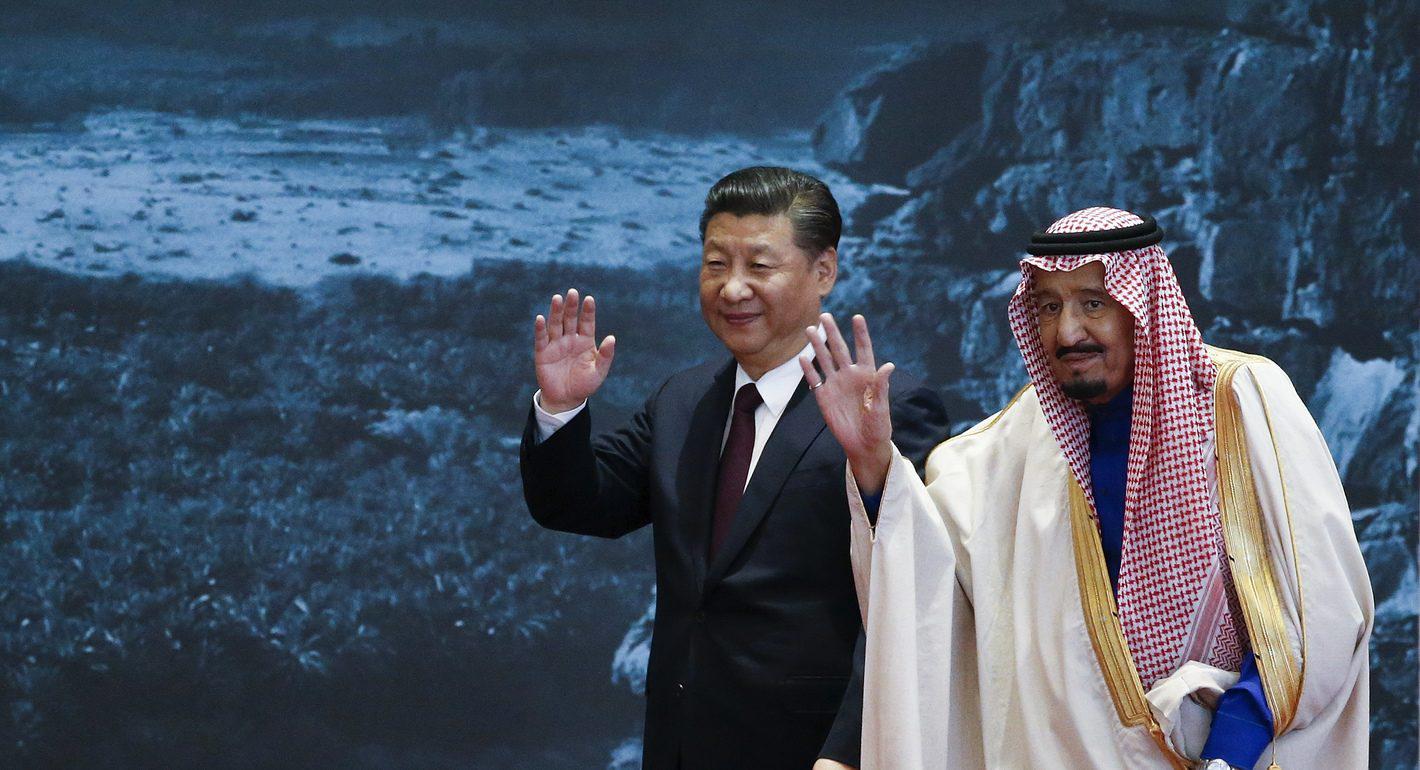
The advantage that China has over other global powers, especially America, is that its foreign policy is closely aligned with those of many of the Middle Eastern countries.



Jin Liangxiang, Maha Yahya, Hesham Alghannam
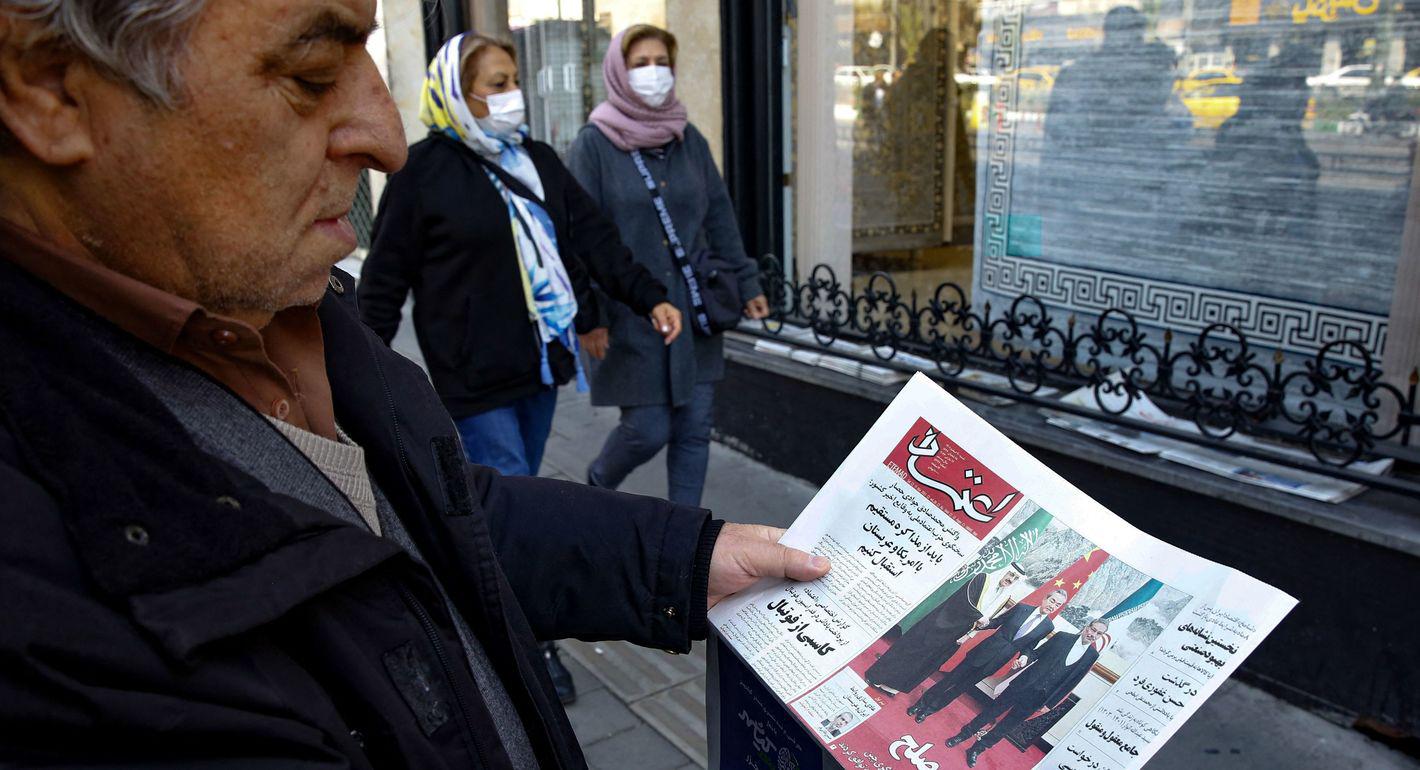
Transactional relationships are stable but can be shallow.


Paul Haenle, Maha Yahya, Benjamin Ho, …
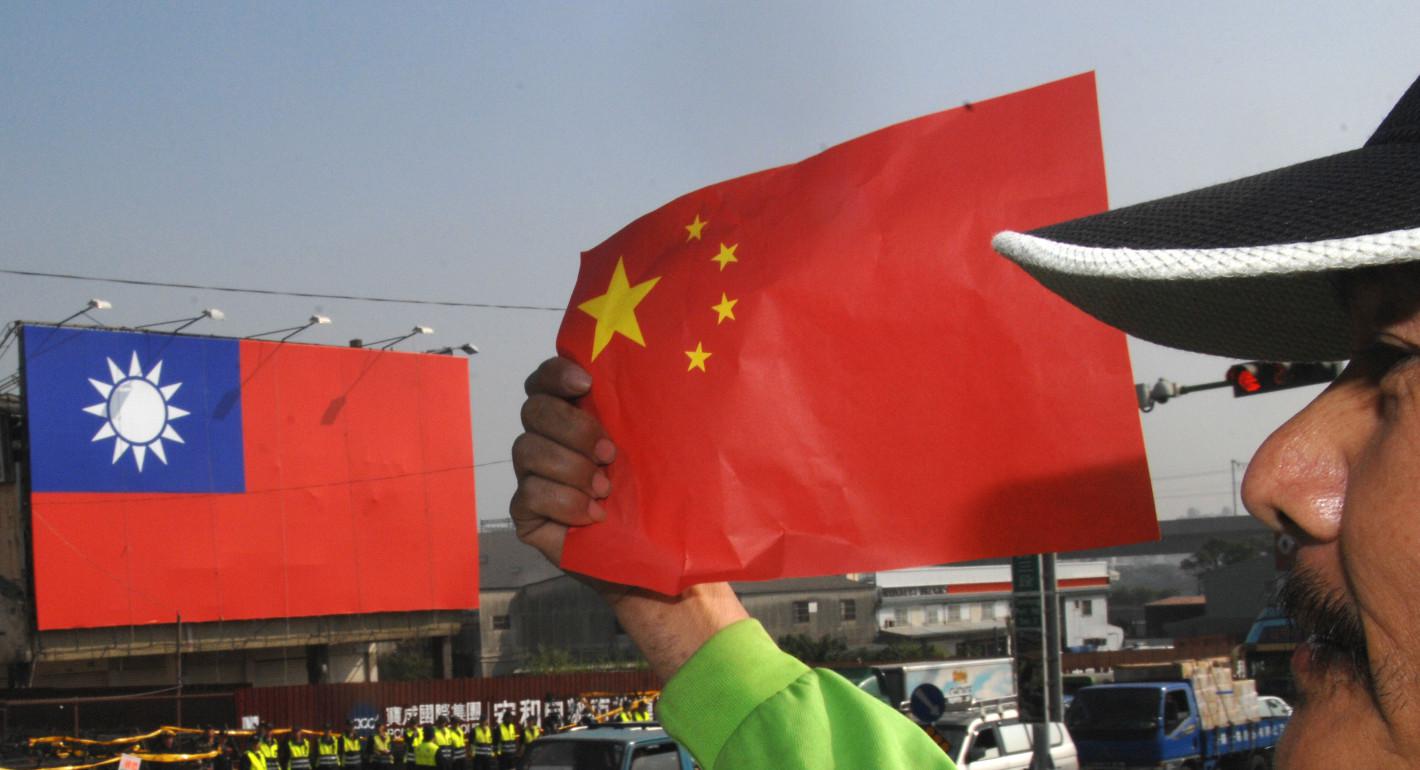
Beijing says that over 180 countries accept its “one China principle” regarding Taiwan, but the reality is more complicated.

Chong Ja Ian
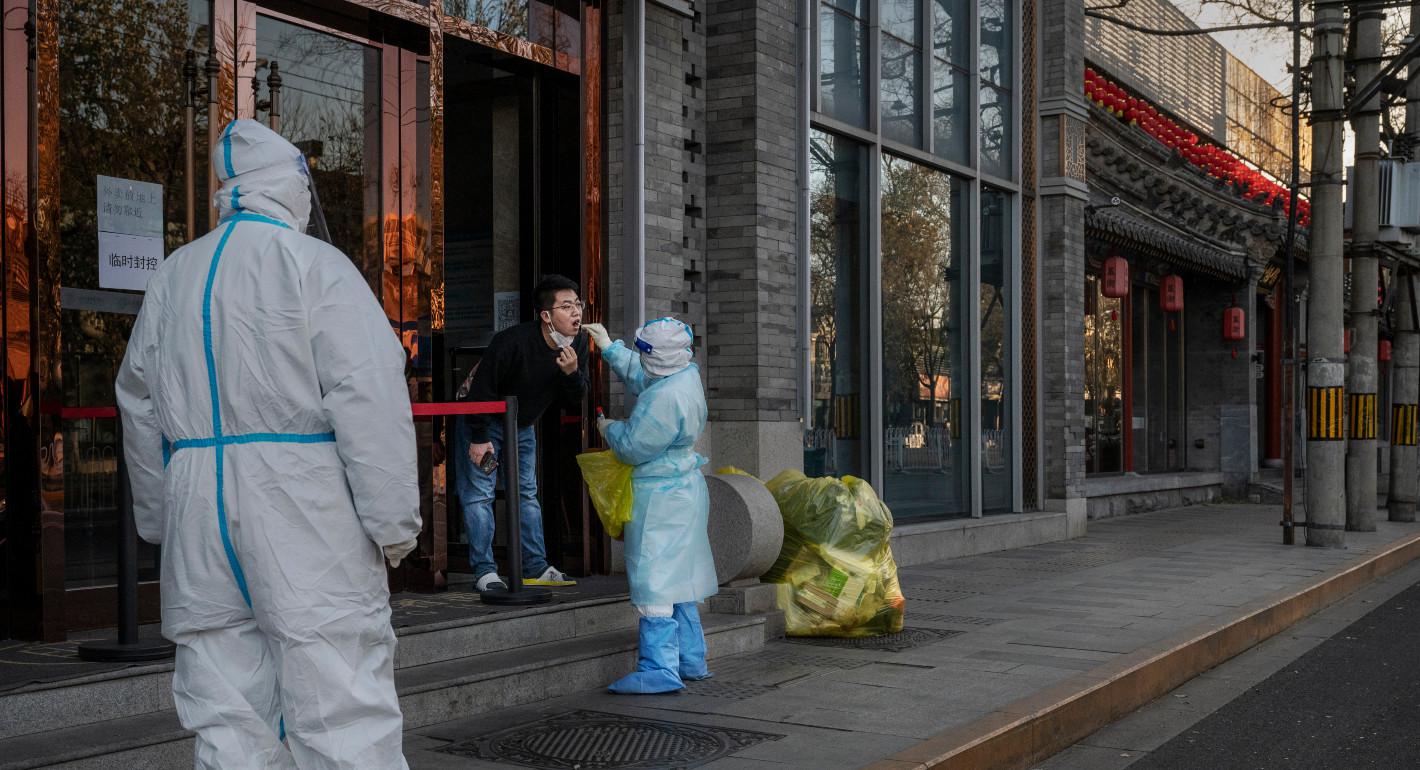
Beijing must choose between preserving its pandemic narrative or facing more unrest.
Paul Haenle

It’s about managing oil prices, bread prices, and strategic partnerships.



Amr Hamzawy, Karim Sadjadpour, Aaron David Miller, …