• Commentary
  • Research
  • Experts
  • Events
Carnegie China logoCarnegie lettermark logo
REQUIRED IMAGE

REQUIRED IMAGE

Paper

The Russian World—Changing Meanings and Strategies

The collapse of the Soviet Union resulted not only in new borders for Russia, but left millions of ethnic Russians in former Soviet republics. For these people, the Russian language remains a defining influence in their lives, even where local nationalist agendas seek to downplay and underestimate its prevalence.

Link Copied
By Valery Tishkov
Published on Aug 17, 2008

Additional Links

Full Text (PDF)

The collapse of the Soviet Union resulted not only in new borders for Russia, but left millions of ethnic Russians in former Soviet republics. For these people, the Russian language remains a defining influence in their lives, even where local nationalist agendas seek to downplay and underestimate its prevalence. Many remain members of the “Russian world”—preserving ties of culture and identity with Russia, hold Russian citizenship, and consider themselves Russian, even if they live outside Russia’s boundaries.

In The Russian World: Changing Strategies and Meanings, Valery Tishkov lays out a framework for understanding the ways in which those connected to the Russian language and culture relate to one another and to Russia. Writing for an English-speaking audience, he explains how and why Russian intellectuals began to press the government of the Russian Federation to embrace the idea of a “Russian world” and support its members.
 
Tishkov argues that conventional estimates of the prevalence and social importance of the Russian language in post-Soviet countries such as Georgia, Latvia, and some Central Asian states are distorted by skewed self-reporting, willful suppression of Russian by the governments, and other biases. For this reason he believes that Russian should become an official language in several former Soviet republics, including Kazakhstan, Ukraine, and Latvia, due to the high proportion of Russian speakers there.
 
The changing status and perception of the Russian language in the newly independent states reflect ongoing processes of national consolidation and self-understanding. Tishkov’s analysis helps to shed light on how Russians are navigating these challenging questions.
 
Valery Tishkov has served as director of the Institute of Ethnology and Anthropology, Russian Academy of Sciences, since 1989. He is also director of the IEA Center for the Study and Management of Conflicts, and serves as chairman of the Commission on Tolerance and Freedom of Conscience of the Public Chamber of the Russian Federation. He is a prolific writer, having published more than twenty books, including two encyclopedias on Russian ethnicity. He is a member of the Public Chamber of Russia and the Global Commission on International Migration.

About the Author

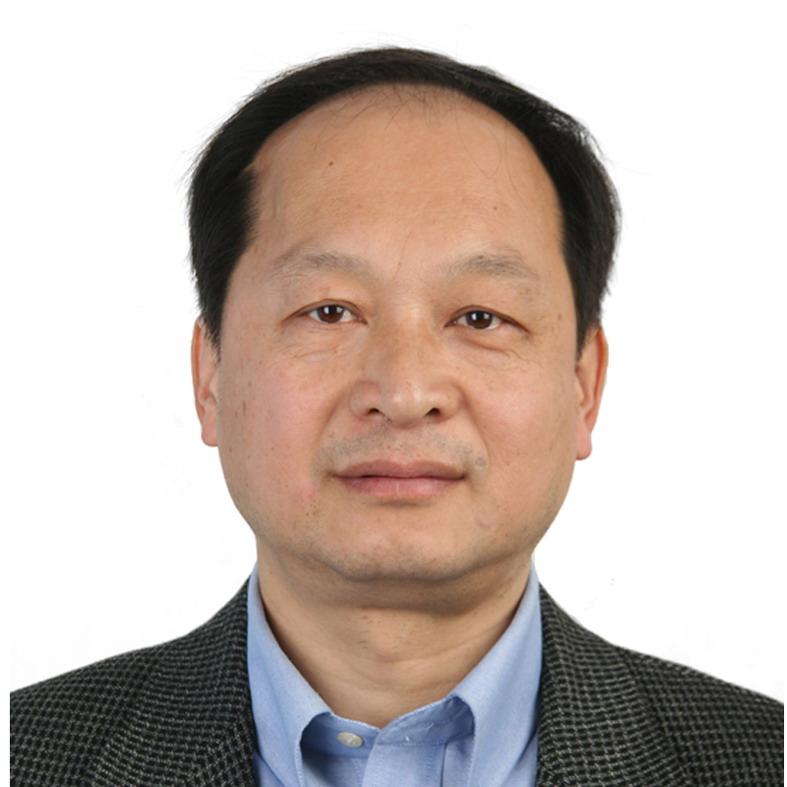
Valery Tishkov

Valery Tishkov
CaucasusRussiaPolitical Reform

Carnegie does not take institutional positions on public policy issues; the views represented herein are those of the author(s) and do not necessarily reflect the views of Carnegie, its staff, or its trustees.

More Work from Carnegie China

  • Commentary
    Is China Willing to Influence Russia on the Ukraine War?

    Beijing is trying to navigate the overall situation regarding Ukraine, especially the substance of interactions between Washington and Moscow.

      • Ellen Nakashima
      • Zhao Long
      • +1

      Ellen Nakashima, Zhao Long, Pavlo Klimkin, …

  • Commentary
    The Challenges Behind China’s Global South Policies

    While China will remain a significant political and economic force in the Global South, its ambition to leverage the Global South as a counterbalance to the United States and the Global North is far from assured.

      Xue Gong
  • Commentary
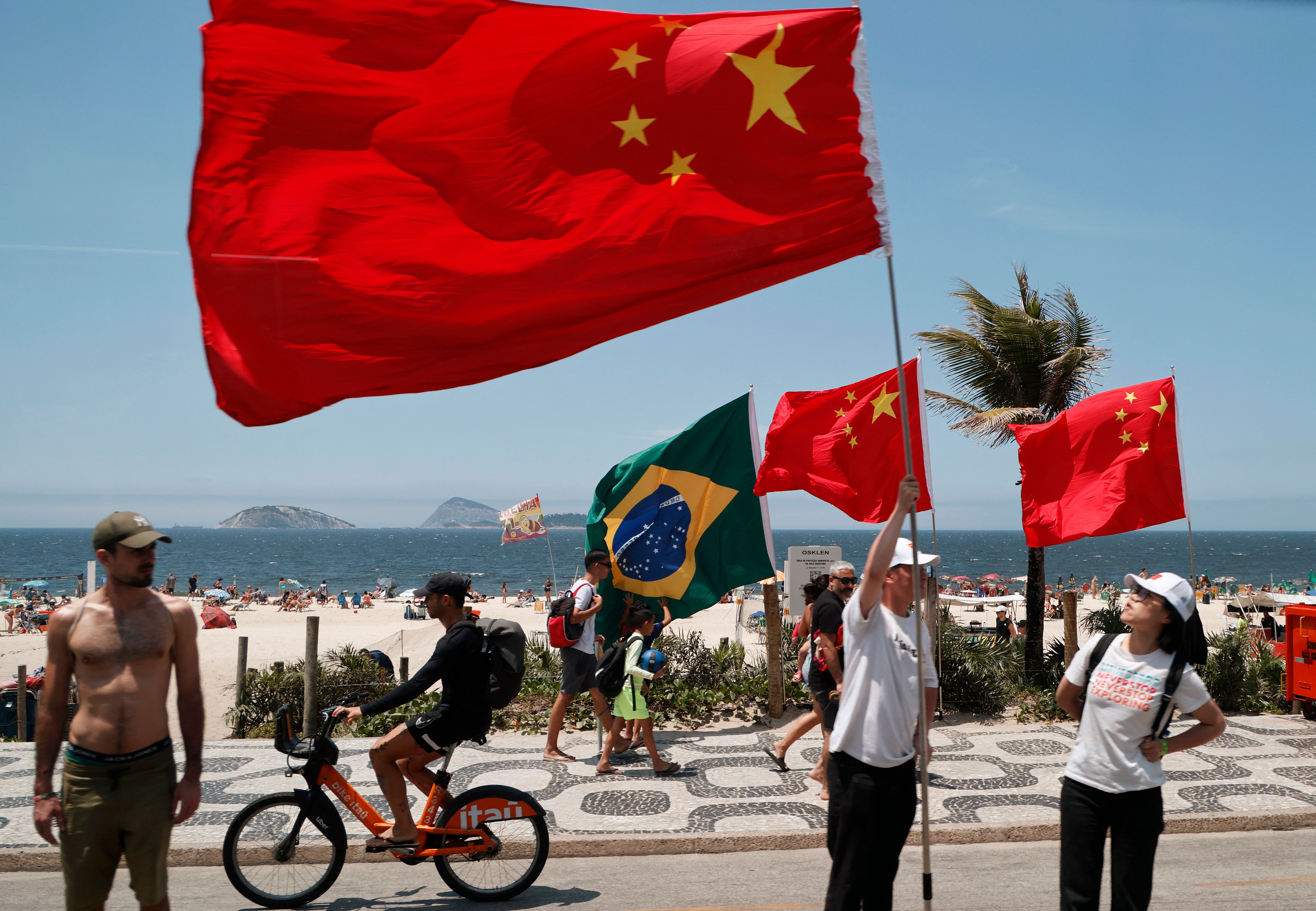
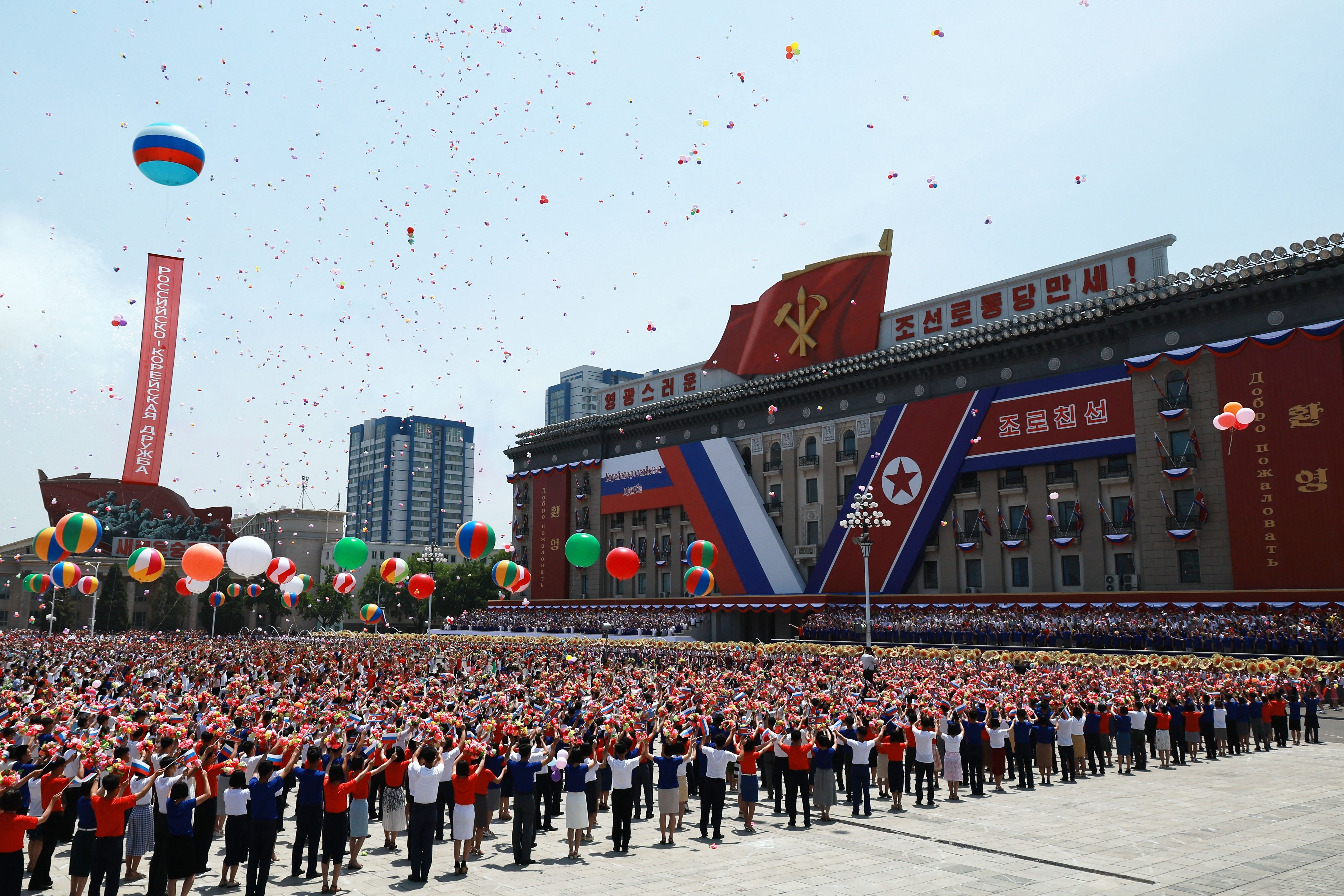
    Beyond the Putin-Kim Alliance: How Can the International Community Engage China to Contain Nuclear Risks Over the Korean Peninsula?

    Faced with an increase in strategic maneuvering by Moscow and Pyongyang, Beijing will not sit idly by and allow Putin and Kim to shape the security environment on its behalf.

      Tong Zhao
  • Commentary
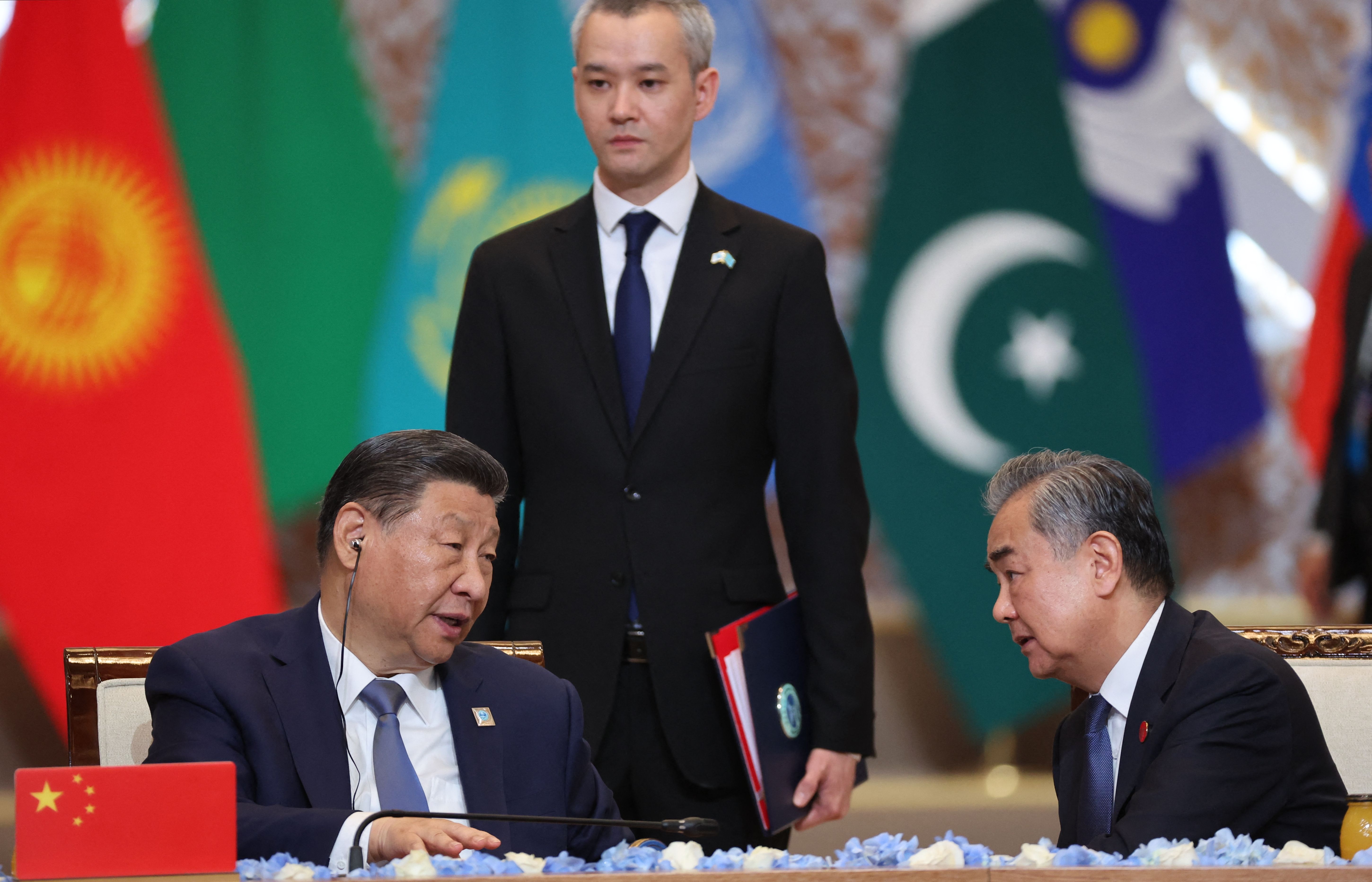
    What Does Xi Jinping Want From Central Asia?

    China’s growing attention to Central Asia is perceived as a harbinger of tectonic shifts in regional geopolitics.

      Temur Umarov
  • Commentary
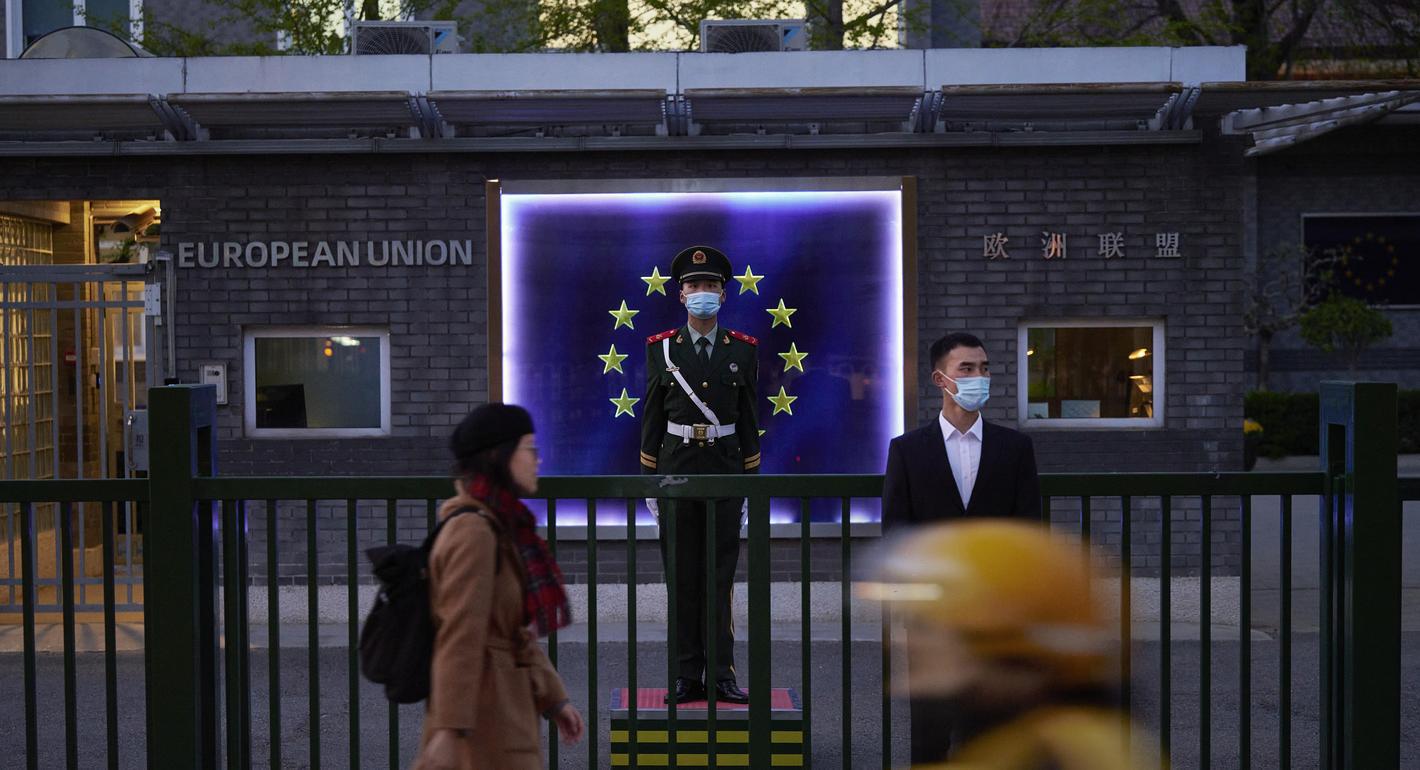
    China-Europe Relations, Two Years After Russia Invaded Ukraine

    The Russian invasion of Ukraine is a turning point in the EU-China relationship, and evolution of the China-Russia relationship will continue to impact EU-China relations.
      Yifan Ding, Alice Ekman

Get more news and analysis from
Carnegie China
Carnegie China logo, white
Keck Seng Tower133 Cecil Street #10-01ASingapore, 069535
  • Research
  • About
  • Experts
  • Events
  • Contact
  • Careers
  • Privacy
  • For Media
Get more news and analysis from
Carnegie China
© 2026 Carnegie Endowment for International Peace. All rights reserved.