

Commentary
Transactional relationships are stable but can be shallow.
- +1
Paul Haenle, Maha Yahya, Benjamin Ho, …

Source: Getty
Despite limited electoral success, Islamist movements in the Middle East have failed to influence policy and are criticized by their base for abandoning their religious commitments. Marina Ottaway and Amr Hamzawy explain that Islamist movements must convince their supporters that political participation is the best long-term means to affect government despite seemingly poor short-term gains.
Islamist movements participating in politics in the Middle East have reached an important crossroad. Despite some electoral success, they have failed to influence policy and are criticized by their base for abandoning their religious commitments. Islamist movements must convince their supporters that political participation is the best way to affect government in the long term, despite seemingly poor short term gains.
Marina Ottaway and Amr Hamzawy examine the experiences of “participating Islamist movements” in Morocco, Algeria, Egypt, Jordan, Bahrain, Kuwait, and Yemen. Islamists are torn between their need to compromise on some social and political issues to be effective political players and the risk of alienating their core supporters.
Key Conclusions:
The authors conclude:
“While participation is not invariably a process of further democratization and moderation, it is also clear that non-participation—either enforced by governments or chosen by the leadership of Islamist parties and movements—is a guarantee that a process of moderation will not take place. This is a sobering thought for those governments and their international backers that would like to set the bar for participation by Islamists extremely high. The choice is not between allowing the somewhat risky participation by Islamists in politics and their disappearance from the political scene. It is between allowing their participation despite the existence of gray zones with the possibility that a moderating process will unfold, and excluding them from the legal political process—thus ensuring the growing influence of hard-liners inside those movements and the continued existence of gray zones."

Former Senior Associate, Middle East Program
Before joining the Endowment, Ottaway carried out research in Africa and in the Middle East for many years and taught at the University of Addis Ababa, the University of Zambia, the American University in Cairo, and the University of the Witwatersrand in South Africa.

Director, Middle East Program
Amr Hamzawy is a senior fellow and the director of the Carnegie Middle East Program. His research and writings focus on Egypt’s and other middle powers’ involvement in regional security in the Middle East, particularly through collective diplomacy and multilateral conflict resolution
Carnegie does not take institutional positions on public policy issues; the views represented herein are those of the author(s) and do not necessarily reflect the views of Carnegie, its staff, or its trustees.

Transactional relationships are stable but can be shallow.



Paul Haenle, Maha Yahya, Benjamin Ho, …
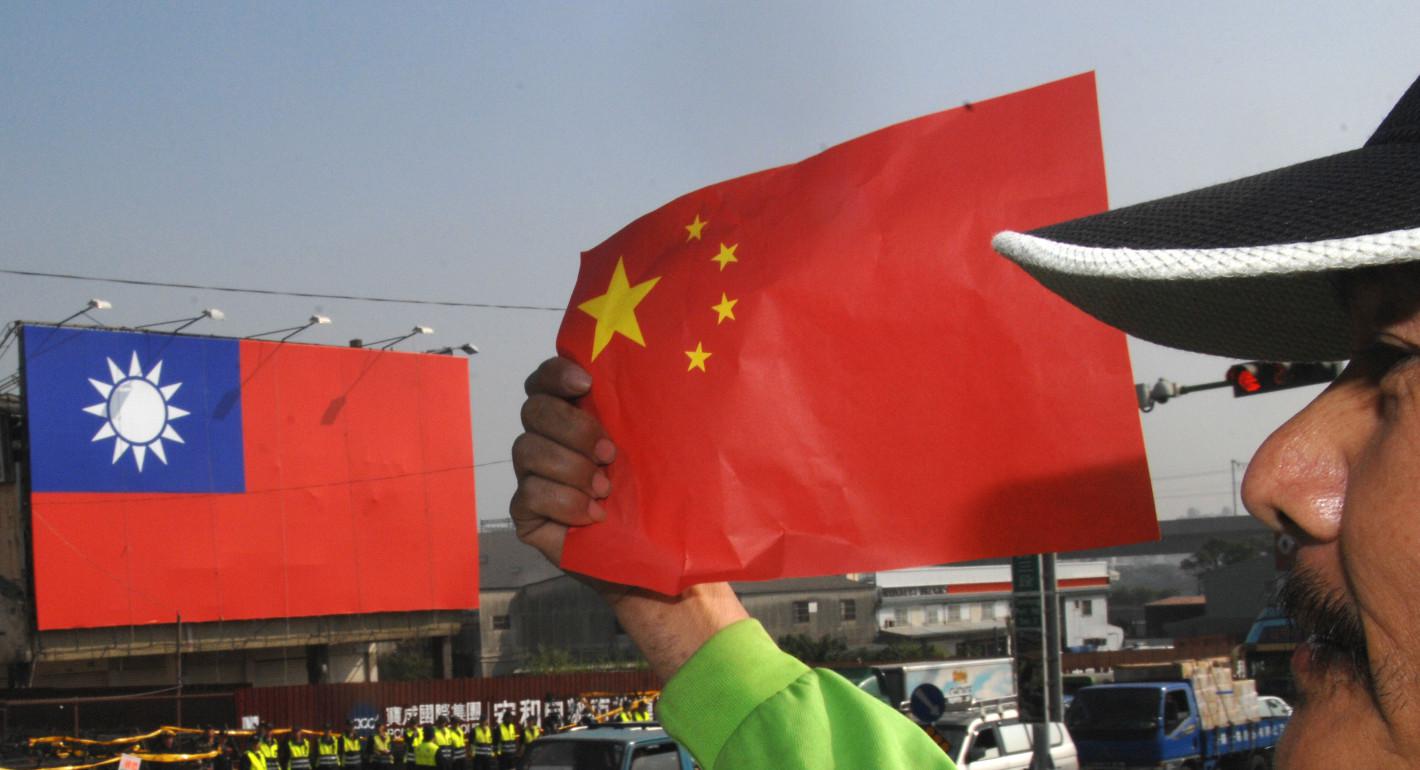
Beijing says that over 180 countries accept its “one China principle” regarding Taiwan, but the reality is more complicated.

Chong Ja Ian

Beijing must choose between preserving its pandemic narrative or facing more unrest.
Paul Haenle

It’s about managing oil prices, bread prices, and strategic partnerships.


Amr Hamzawy, Karim Sadjadpour, Aaron David Miller, …
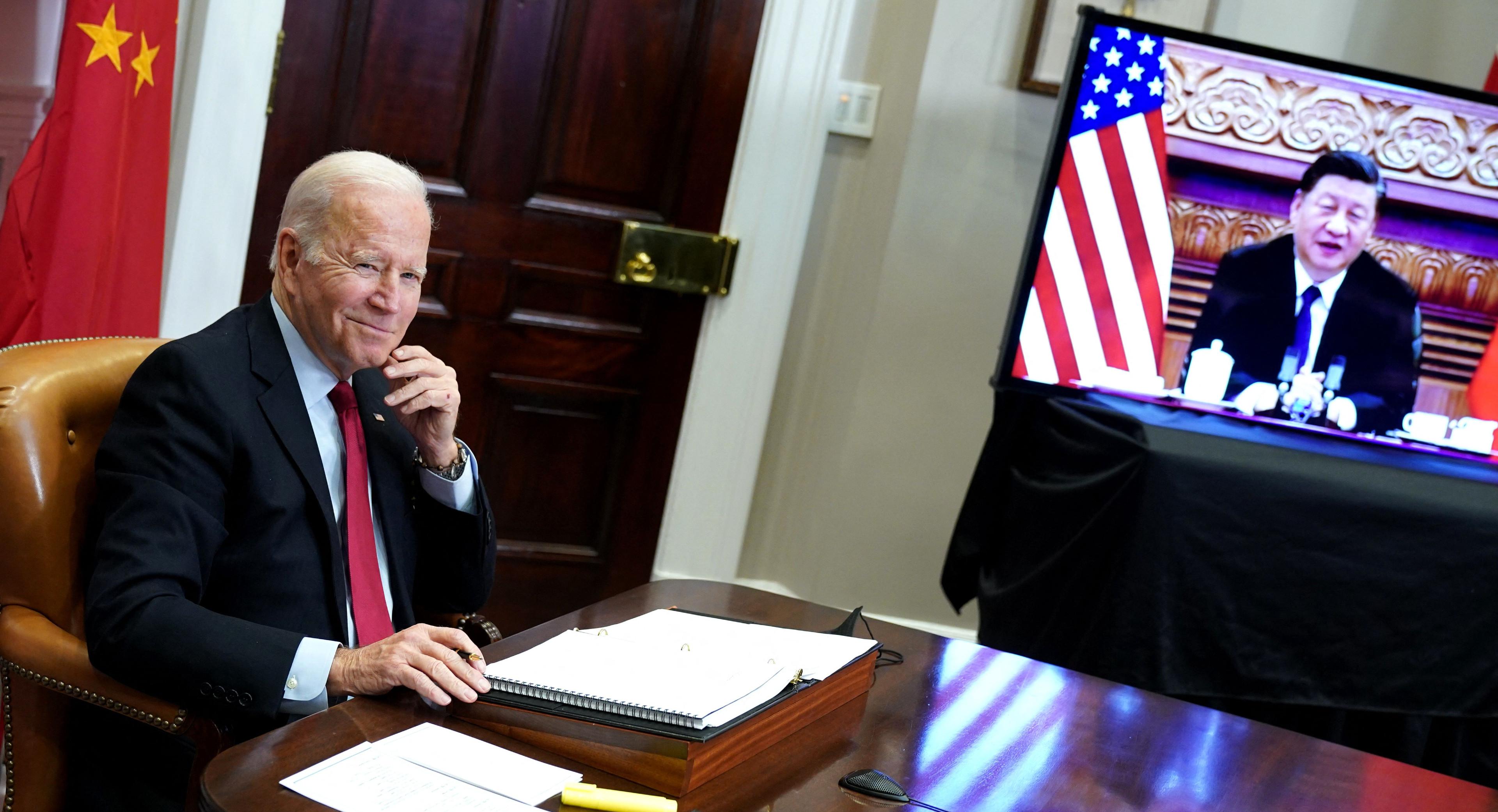
Three months after the Biden-Xi summit, the two sides’ divergent framings of the bilateral relationship are hindering progress.
Paul Haenle, Sam Bresnick