

Commentary
Nikolay Petrov
Source: Getty
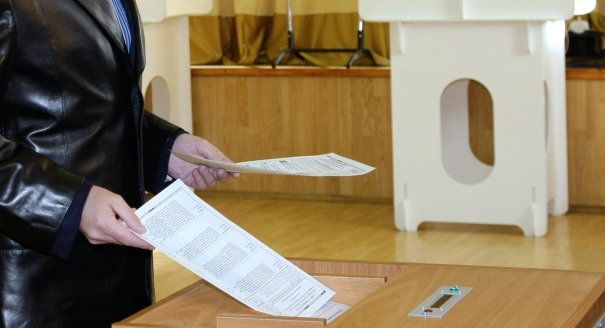
The March elections in Russia were more honest and transparent than those held in October, but they were still not open; independent and opposition candidates were once again denied the right to run.
The elections on March 14 were honest or at least relatively honest, though not exactly fair.
As far as the unfairness goes, the authorities made mass use of their administrative resources to put candidates not to their liking out of the running, and in this sense the elections differed little from those held last autumn. As a result, for the most part, only candidates from the parties represented in the Duma actually made it onto the lists.
Where these elections differed from those of October 2009 was in the way the votes were counted. There were no serious reproaches made in this respect. United Russia lost face somewhat as a result, collecting substantially fewer votes overall than in October, but the president was able to save face, after having promised after the last elections to do something about administrative intervention in voting.
The mayoral election in Irkutsk shows that this kind of clumsy intervention can produce quite the opposite results for the authorities. At first, United Russia, hoping to please the newly appointed governor from Saint Petersburg, decided to put forward a non-local candidate. But when the surveys showed that this non-local candidate had far less support than another United Russia member, a populist who decided to run on his own initiative, the election commission came up with a pretext to remove this stronger rival from the running. The result was to consolidate voting in favor of the only remaining relatively independent candidate in the running – from the Communist Party – who won by a wide margin.
In terms of positive developments it is good that the authorities are renouncing the one-and-a-half party model tested in the election to the Moscow City Duma, and returning to the previous four-party model. The negative trend is that we see a complete elimination of parties at the liberal end of the political spectrum. In these elections, Yabloko, for some time now no longer represented as a party at federal level, lost its party representation at regional level too. The Union of Right Forces (SPS) had already disappeared from the scene earlier, and Right Cause never really got off the ground. The result is that not only are these parties marginalized, but a large group of voters now have no one representing their interests.
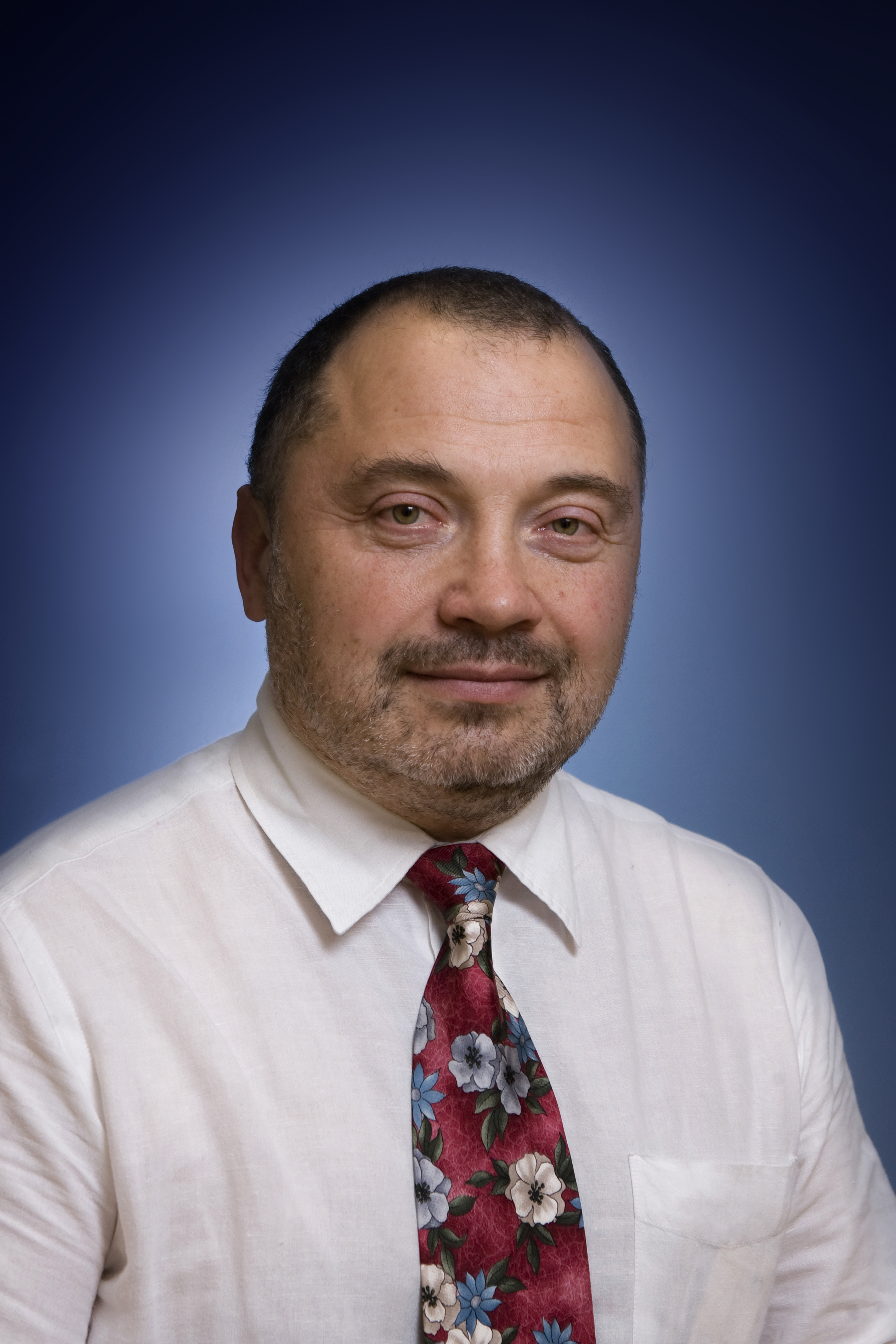
Former Scholar-in-Residence, Society and Regions Program, Moscow Center
Nikolay Petrov was the chair of the Carnegie Moscow Center’s Society and Regions Program. Until 2006, he also worked at the Institute of Geography at the Russian Academy of Sciences, where he started to work in 1982.
Recent Work
Nikolay Petrov
Nikolay Petrov
Carnegie does not take institutional positions on public policy issues; the views represented herein are those of the author(s) and do not necessarily reflect the views of Carnegie, its staff, or its trustees.