• Commentary
  • Research
  • Experts
  • Events
Carnegie China logoCarnegie lettermark logo
What Comes Next in Yemen? Al-Qaeda, the Tribes, and State-Building

Source: Getty

Paper

What Comes Next in Yemen? Al-Qaeda, the Tribes, and State-Building

There are limits to how much foreign intervention can accomplish in Yemen. To overcome its daunting security, economic, and political challenges, Yemen’s political system needs to become less centralized and more inclusive.

Link Copied
By Sarah Phillips
Published on Mar 11, 2010

Additional Links

Executive Summary

Western policy makers are scrambling to respond decisively to Yemen’s instability after the failed Christmas Day attack on a U.S. passenger jet was tied to al-Qaeda in the Arabian Peninsula. But there are limits to how much foreign intervention can accomplish—Yemen’s political system needs to become less centralized and more inclusive.

Map: Yemen

Map of Yemen
  • view map
Map of Yemen showing current governorate boundaries and former North/South boundary.

Key Conclusions:

  • Although it is feared that Yemen’s collapse could usher in a Taliban-style regime and create a haven for al-Qaeda, the regime’s failure would not necessarily be a win for the militants. Al-Qaeda arguably benefits more from Yemen’s weak state.
     
  • Even though there are areas in Yemen that lack formal state control, this does not mean that they are ungoverned—there are local mechanisms that maintain a level of order. Al-Qaeda is trying to present itself as an alternative to the regime, but as it grows stronger and seeks control of more territory, it risks competing with local tribes.
     
  • Al-Qaeda’s goal of establishing an international caliphate, propensity for extreme violence against civilians, and hard-line religious ideology conflict with local norms and weaken al-Qaeda’s appeal to the Yemeni people, including the tribes. 

Policy Implications:

  • Western policy makers need to consider the intricacies of Yemen’s domestic politics before responding. Military intervention, like the U.S.-assisted air strikes in December, is likely to further entrench al-Qaeda in the country by inflaming public grievances.
     
  • Merely increasing development assistance risks reinforcing a regime that is poorly equipped and poorly motivated to effectively distribute aid.


“The establishment of a more stable political settlement is a domestic endeavor, and Westerners’ chances of encouraging a more inclusive political system are questionable,” writes Phillips. “In the long term, only a fundamental restructuring of the political system to become much more inclusive will lead to stability.”

About the Author

Sarah Phillips

Sarah Phillips
Middle EastYemenGulfPolitical ReformSecurity

Carnegie does not take institutional positions on public policy issues; the views represented herein are those of the author(s) and do not necessarily reflect the views of Carnegie, its staff, or its trustees.

More Work from Carnegie China

  • Commentary
    China’s Mediation Offer in the Thailand-Cambodia Border Dispute Sheds Light on Beijing’s Security Role in Southeast Asia

    The Thai-Cambodian conflict highlights the limits to China's peacemaker ambition and the significance of this role on Southeast Asia’s balance of power.

      Pongphisoot (Paul) Busbarat
  • Trump and Xi on a red background
    Commentary
    Emissary
    China Is Determined to Hold Firm Against Trump’s Pressure

    Beijing believes that Washington is overestimating its own leverage and its ability to handle the trade war’s impacts. 

      • Sheena Chestnut Greitens

      Rick Waters, Sheena Chestnut Greitens
  • Commentary
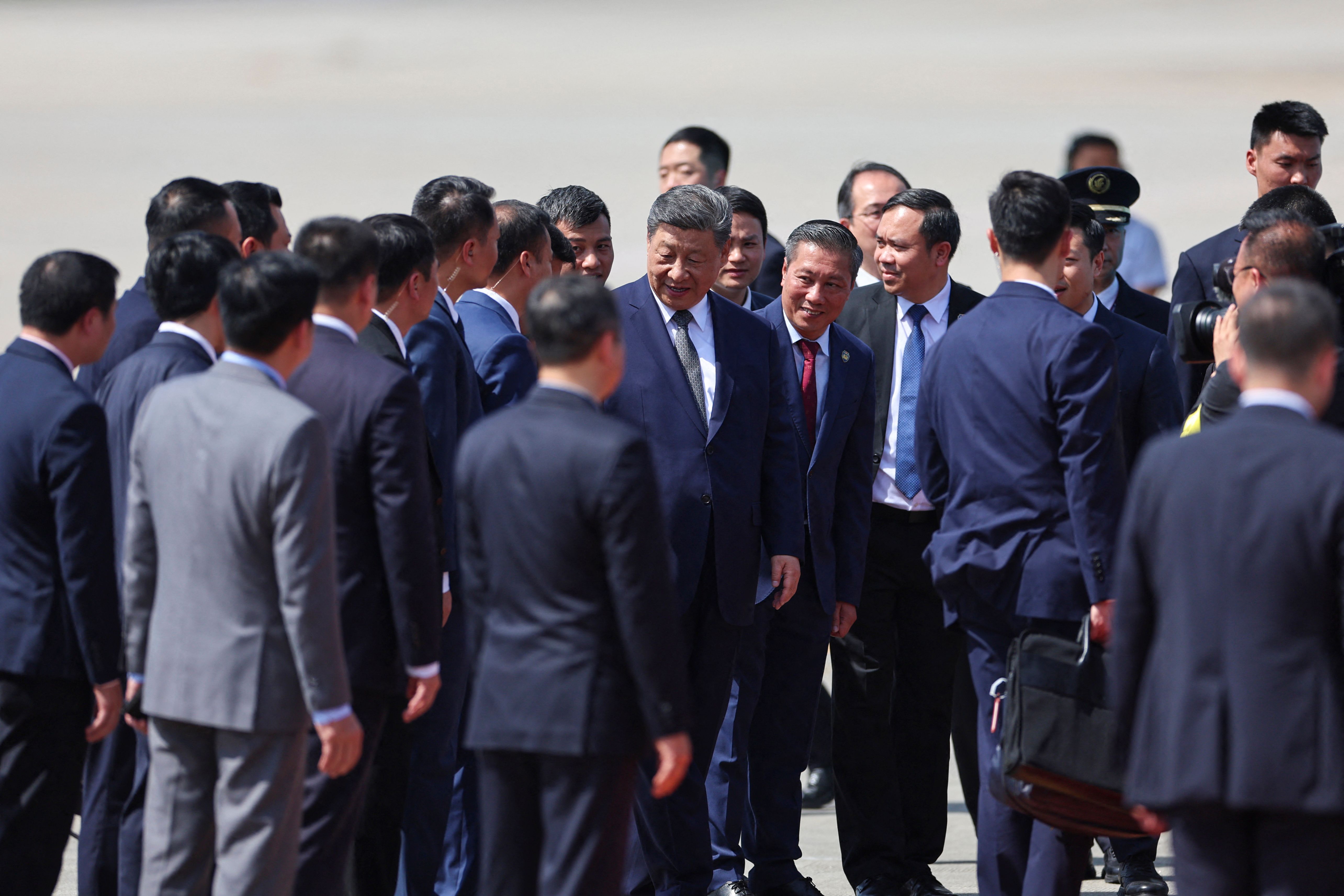
    A Second Trump Term: Will Southeast Asia Tilt Toward China?

    Tapping our network of China experts in the region, Carnegie China offers this latest “China Through a Southeast Asian Lens” report to offer preliminary assessments of whether the U.S. effort to reshape the global trading order will lead countries in the region to tilt toward Beijing. 

      • +6

      Selina Ho, Khin Khin Kyaw Kyee, Joseph Ching Velasco, …
  • Research
    China Through a Southeast Asian Lens

    Because strategic, economic, and ideological perceptions of China contain multiple, sometimes contradictory facets in Southeast Asia, receptions of and responses to Beijing diverge across and within state lines.


      Evan A. Feigenbaum, Chong Ja Ian, Elina Noor

  • Article
    Northeast Asia Is for Deterrence and Southeast Asia Is (Mostly) for Freeriding: Appreciating Divergent East Asian Approaches to Order, Uncertainty, and Contestation

    Most Southeast Asian states behave as if the actions of their Northeast Asian neighbors and the Philippines will be sufficient to maintain a regional status quo from which they can benefit.

      Chong Ja Ian

Get more news and analysis from
Carnegie China
Carnegie China logo, white
  • Research
  • About
  • Experts
  • Events
  • Contact
  • Careers
  • Privacy
  • For Media
Get more news and analysis from
Carnegie China
© 2026 Carnegie Endowment for International Peace. All rights reserved.