

Article
John P. Millhone
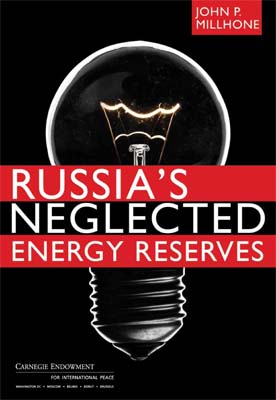
Russia’s energy reserves can be conserved through available, cost-effective measures, which will lead to a more competitive economy, more jobs, and increased national income.
Russia enjoys the world’s largest share of energy resources. While urban areas have grown more efficient in recent years, great expanses of the vast country continue to squander its valuable resources. Russia’s energy reserves can be conserved through available, cost-effective measures and this will lead to a more competitive economy, more jobs, and increased national income.
Significant benefits are within reach if effective federal, district, and local programs are implemented. By improving energy efficiency, Russia could:
“Russia has a unique win-win opportunity if it acts aggressively to couple its energy and climate-change policies,” writes Millhone.

Former Visiting Scholar, Energy and Climate Program
Millhone is currently evaluating and commenting on U.S. energy policies and focusing on clean energy and economic stimulus initiatives. He is also providing analysis to the U.S.–China provincial and municipal energy efficiency management program.
Recent Work
John P. Millhone
John P. Millhone
Carnegie does not take institutional positions on public policy issues; the views represented herein are those of the author(s) and do not necessarily reflect the views of Carnegie, its staff, or its trustees.

The Plaza Accord was not an externally imposed punishment of Japan but part of a broader restructuring that Japanese economists and policymakers themselves recognized was necessary. Its effects were undermined, however, when Tokyo responded to the resulting slowdown with policies that exacerbated investment, credit expansion, and the very imbalances the adjustment was intended to resolve.

Michael Pettis
China’s banking crisis in the 2000s was resolved by transferring the costs to households through financial repression—a decision that recapitalized the banks while exacerbating the structural imbalances that continue to shape the Chinese economy today.
Michael Pettis

In the latest Five-Year Plan, the Chinese president cements the shift to an innovation-driven economy over a consumption-driven one.

Damien Ma

Rather than climate ambitions, compatibility with investment and exports is why China supports both green and high-emission technologies.

Mathias Larsen
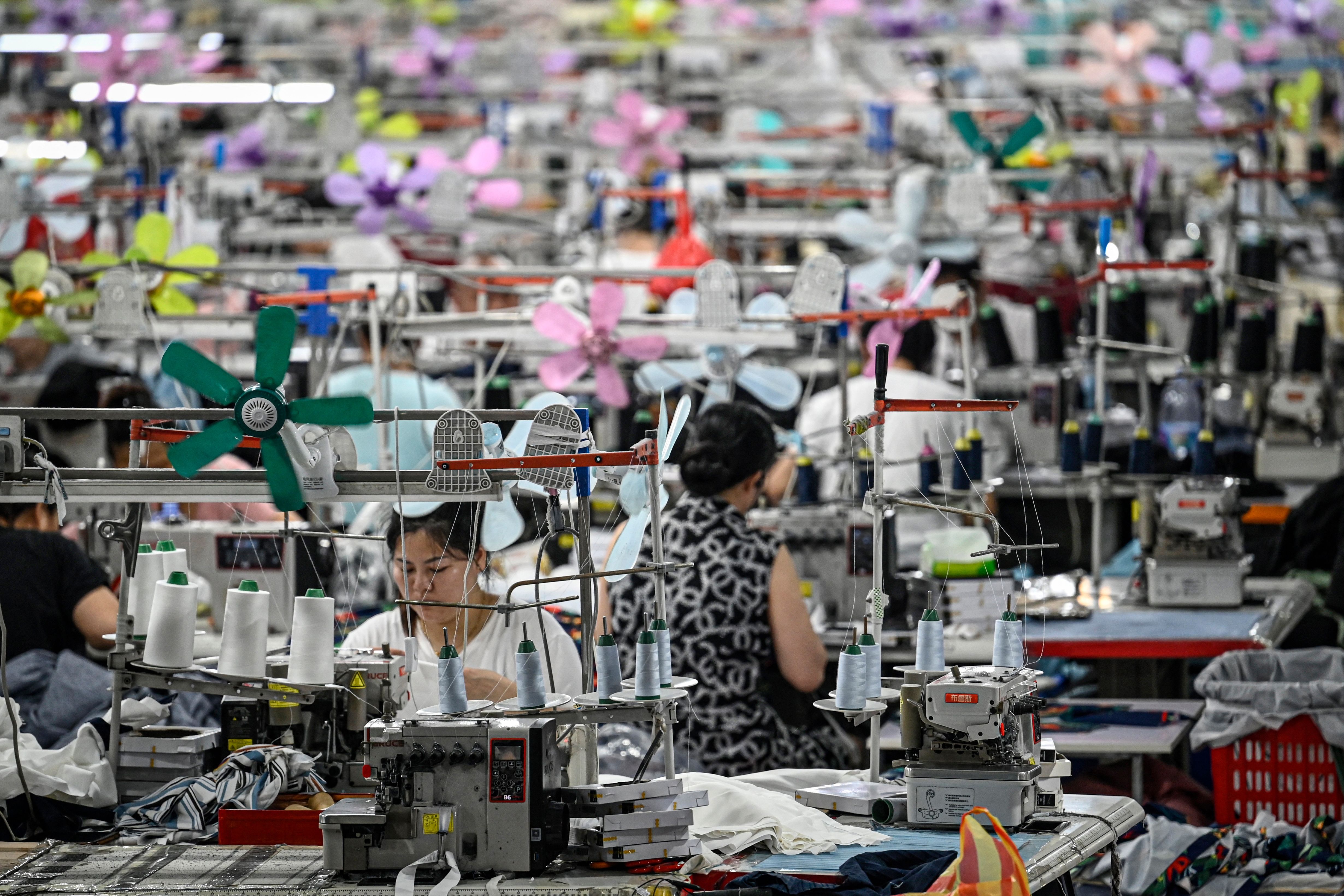
“Involution” is a new word for an old problem, and without a very different set of policies to rein it in, it is a problem that is likely to persist.
Michael Pettis