

Commentary
The Thai-Cambodian conflict highlights the limits to China's peacemaker ambition and the significance of this role on Southeast Asia’s balance of power.
Pongphisoot (Paul) Busbarat

Source: Getty
The violent jihad advocated by al-Qaeda is not widely accepted by Yemenis at this point, and there is a small window of opportunity to take steps to undermine al-Qaeda’s influence.
Al-Qaeda has successfully adapted its message in Yemen to exploit local grievances. Still, the violent jihad it advocates is not widely accepted by Yemenis at this point, and there is a small window of opportunity to take steps to undermine al-Qaeda’s influence.
An effective strategy to combat Al-Qaeda in the Arabian Peninsula (AQAP) must identify how the group’s message resonates with Yemenis and develop ways for state institutions to address underlying complaints, contends a paper by Alistair Harris.
“Complementary to targeted intelligence and Yemeni-led law enforcement activities, an effective strategy to combat AQAP must seek to understand which parts of the group’s narrative are resonating and why and how state institutions can address the grievances—real or perceived—articulated by AQAP,” writes Harris.
Alistair Harris
Carnegie does not take institutional positions on public policy issues; the views represented herein are those of the author(s) and do not necessarily reflect the views of Carnegie, its staff, or its trustees.

The Thai-Cambodian conflict highlights the limits to China's peacemaker ambition and the significance of this role on Southeast Asia’s balance of power.

Pongphisoot (Paul) Busbarat

Beijing believes that Washington is overestimating its own leverage and its ability to handle the trade war’s impacts.


Rick Waters, Sheena Chestnut Greitens
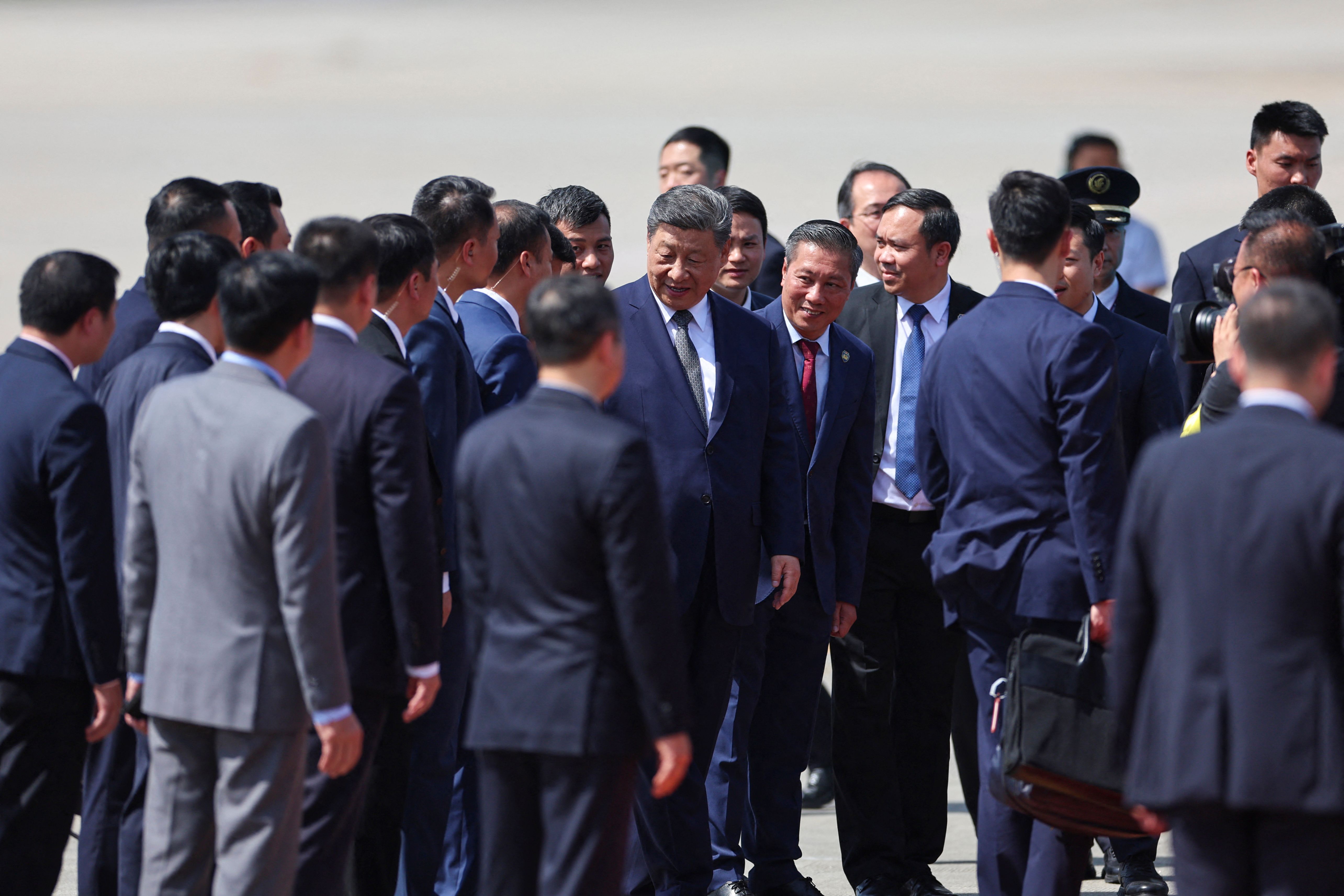
Tapping our network of China experts in the region, Carnegie China offers this latest “China Through a Southeast Asian Lens” report to offer preliminary assessments of whether the U.S. effort to reshape the global trading order will lead countries in the region to tilt toward Beijing.



Selina Ho, Khin Khin Kyaw Kyee, Joseph Ching Velasco, …

Because strategic, economic, and ideological perceptions of China contain multiple, sometimes contradictory facets in Southeast Asia, receptions of and responses to Beijing diverge across and within state lines.



Evan A. Feigenbaum, Chong Ja Ian, Elina Noor

Most Southeast Asian states behave as if the actions of their Northeast Asian neighbors and the Philippines will be sufficient to maintain a regional status quo from which they can benefit.
Chong Ja Ian