

Paper
Paul Salem
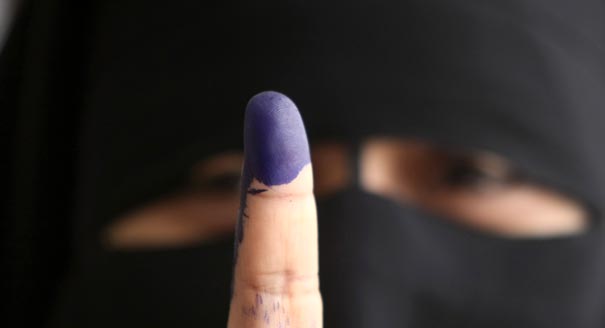
Source: Getty
Although full democracy in the Arab world remains a distant goal, broader participation in the political process, with a marked effect on human development, can be achieved.
Good governance is key to improving peoples’ lives; but the Arab world falls short on many governance indicators. Most Arab states remain highly authoritarian, although there is a growing dynamism in civil society and among opposition parties, both secular and Islamist. Problems in governance have impeded development in the Arab world and limited the achievement of the Millennium Development Goals.
There are strong historical causes for the current state of governance in the Arab world. Nevertheless, progress has been made in limited but significant ways. This should be reinforced by strengthening civil society, reinforcing electoral progress, supporting parliaments and the judiciary, enhancing local government, improving governance performance, and empowering women. The international community should play an important role in this process.
Although full democracy in the Arab world is a distant goal, broader participation in the political process, with a marked effect on human development, can be achieved.
Senior Fellow at the Middle East Institute
Paul Salem is a senior fellow at the Middle East Institute.
Recent Work
Paul Salem
Paul Salem
Carnegie does not take institutional positions on public policy issues; the views represented herein are those of the author(s) and do not necessarily reflect the views of Carnegie, its staff, or its trustees.

China’s political future will be shaped between now and next October. As the Communist Party enters its intense “campaign season” to prepare for a major political transition in 2027, reading Beijing's actions and responses may become more difficult as domestic politics weigh on its behavior more than usual.

Damien Ma
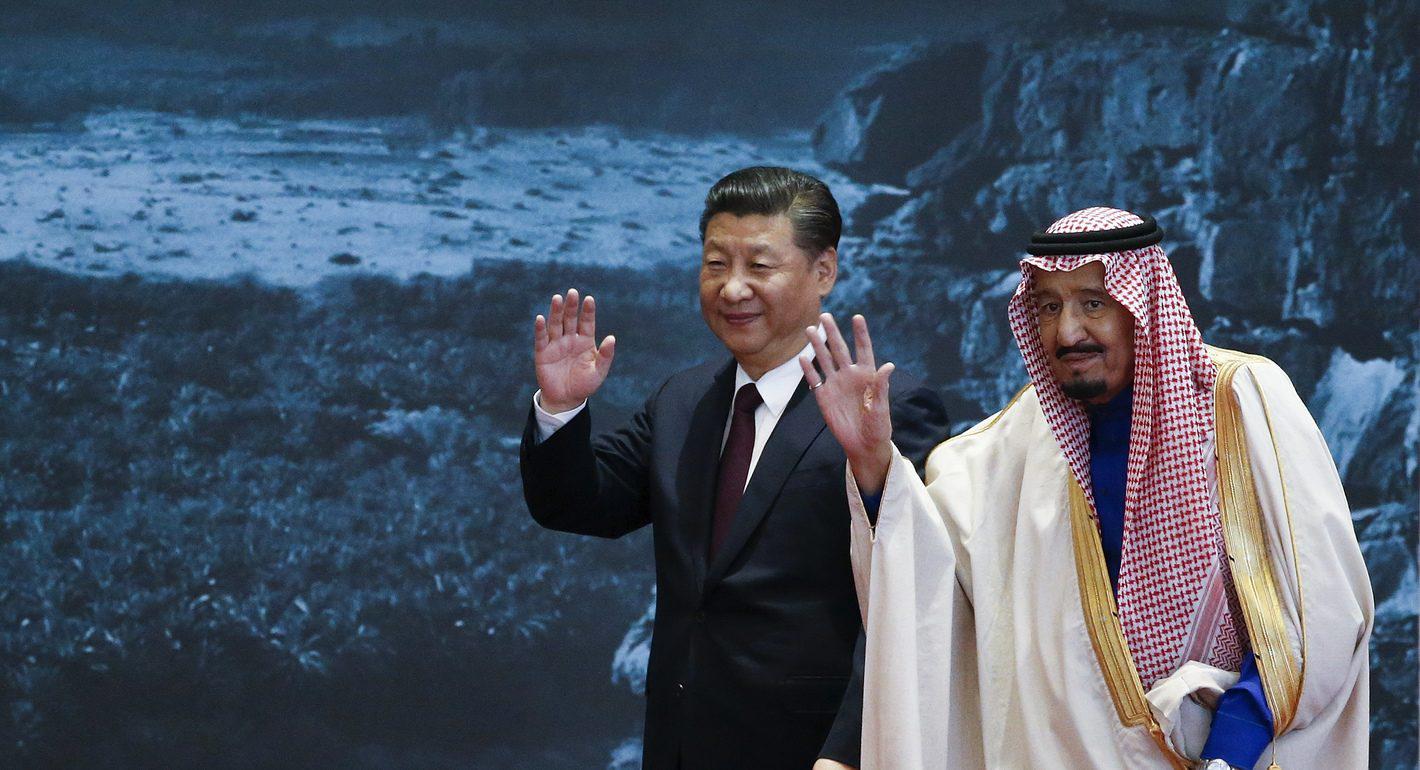
The advantage that China has over other global powers, especially America, is that its foreign policy is closely aligned with those of many of the Middle Eastern countries.


Jin Liangxiang, Maha Yahya, Hesham Alghannam
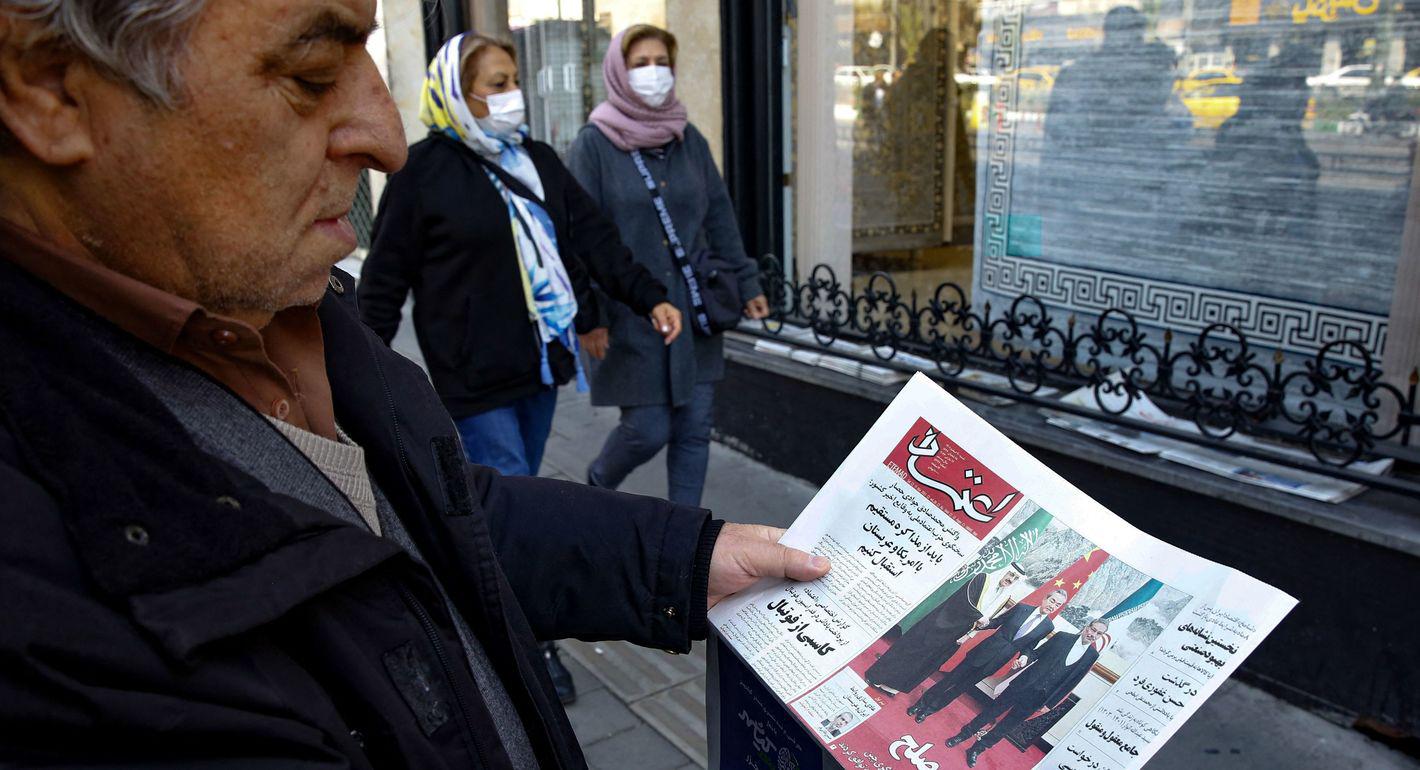
Transactional relationships are stable but can be shallow.

Paul Haenle, Maha Yahya, Benjamin Ho, …
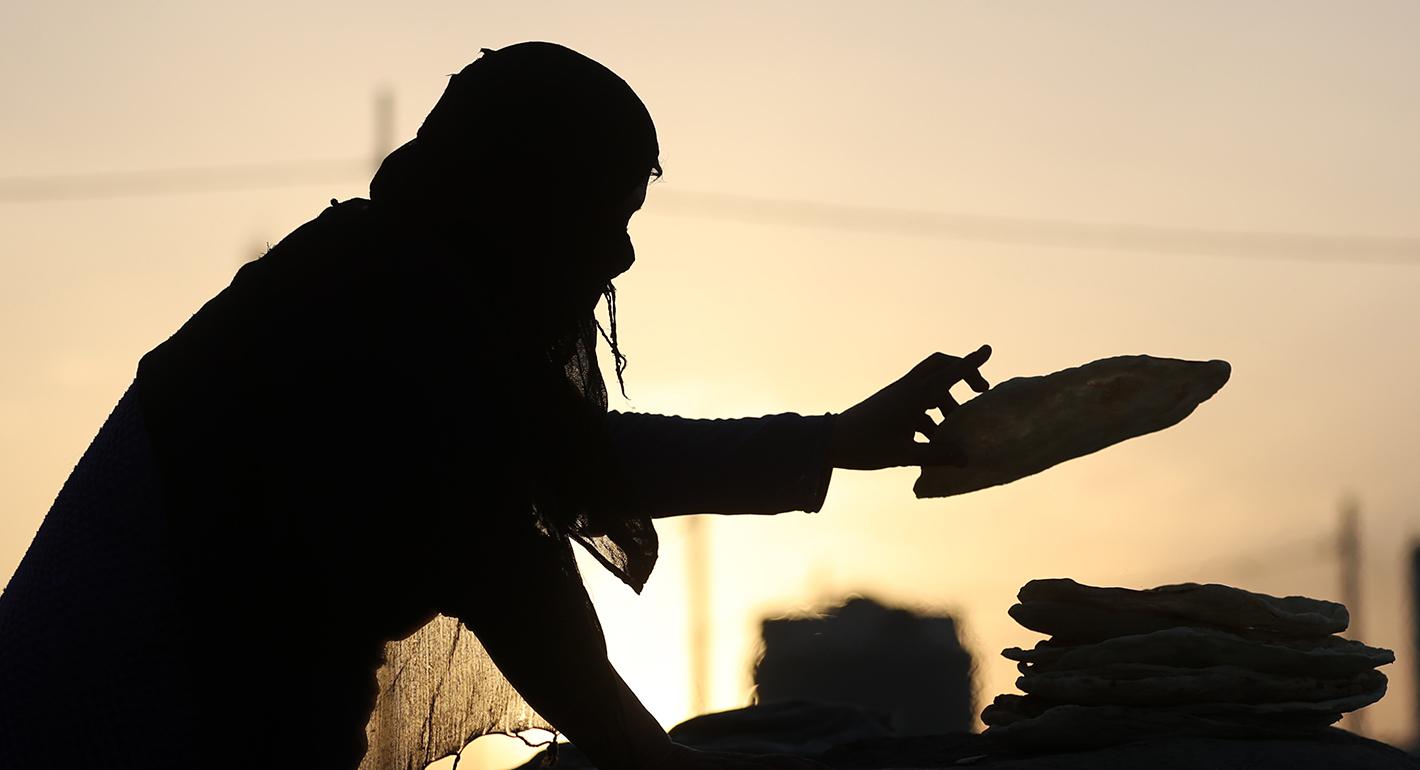
It’s about managing oil prices, bread prices, and strategic partnerships.



Amr Hamzawy, Karim Sadjadpour, Aaron David Miller, …
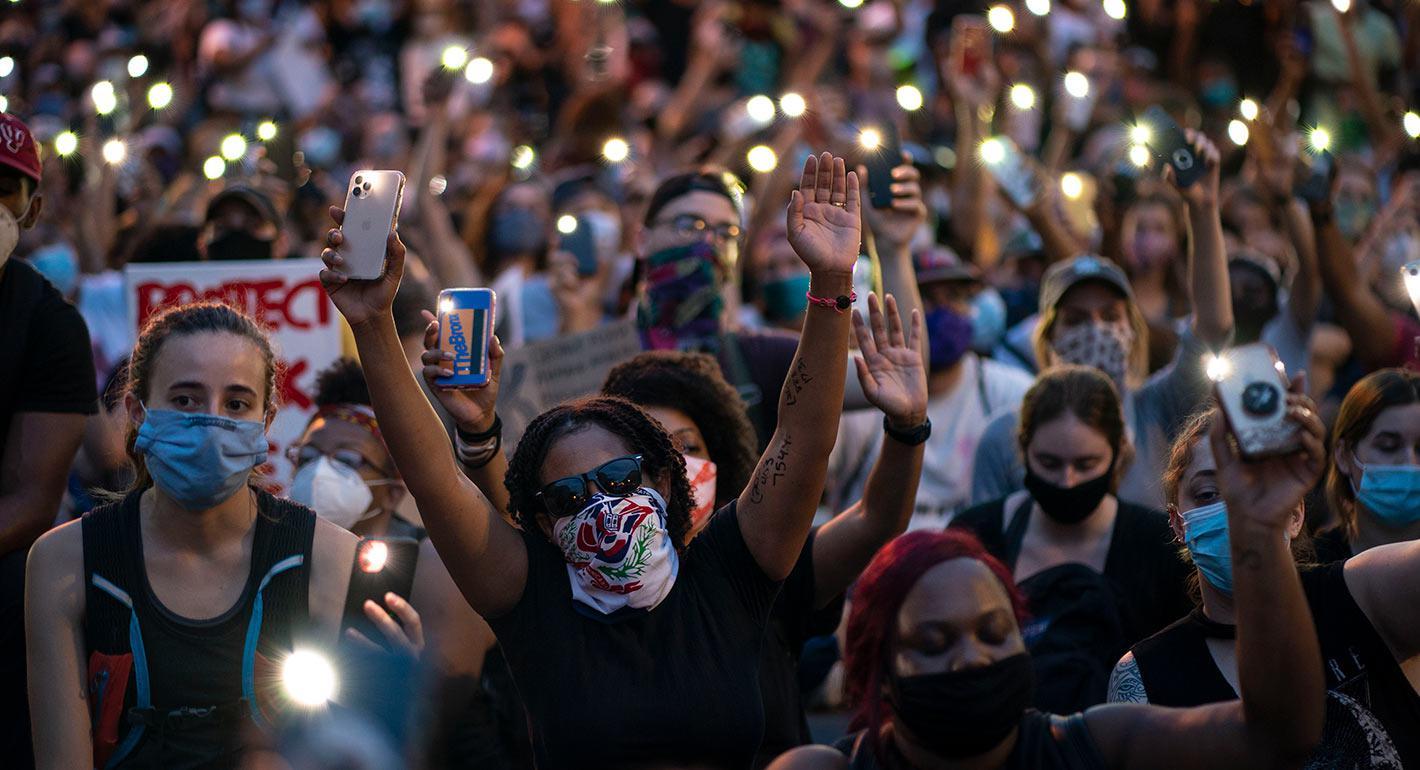
The murder of George Floyd has underscored the deep inequities that have long plagued American society. In a note to the Carnegie community, Bill Burns reflects on Carnegie’s commitment to build a more just future here at home and around the world, without which peace will remain beyond our grasp.
William J. Burns