Commentary
Dmitri Trenin
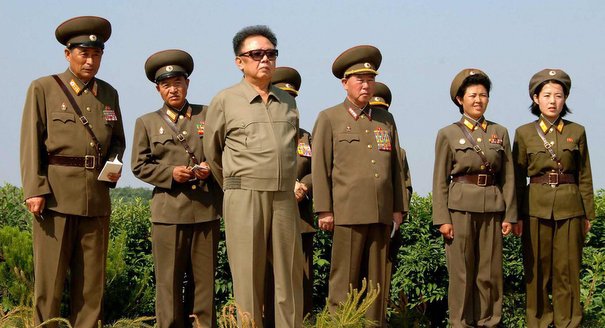
Source: Getty
In order to gain China’s vote, the new UN Security Council resolution on the North Korean torpedo attack condemns the act of war, but does not name the perpetrator of the attack.
The “toothless” UN Security Council resolution on the North Korean torpedo attack is discouraging. The act of war is condemned, yet the perpetrator remains unnamed. Such is the price of bringing China aboard and ensuring unanimity among the five permanent members of the Security Council.
Beijing is Pyongyang’s only ally, but it is also the only outside power with a measure of influence in the Stalinist kingdom. North Korea is not a place for sprinters; progress there requires staying power. Whatever is behind the recent attack, it is not the last gasp of the regime.
The fate of the Kim dynasty is more or less known, but not the circumstances of its exit. To preserve peace on the Korean Peninsula, a modicum of unity among the five countries dealing with North Korea is a conditio sine qua non. Under these circumstances, taking account of China’s sensibilities makes sense.
Former Director, Carnegie Moscow Center
Trenin was director of the Carnegie Moscow Center from 2008 to early 2022.
Recent Work
Dmitri Trenin
Dmitri Trenin
Carnegie does not take institutional positions on public policy issues; the views represented herein are those of the author(s) and do not necessarily reflect the views of Carnegie, its staff, or its trustees.

GDP growth means something fundamentally different in China than in most countries.

Michael Pettis
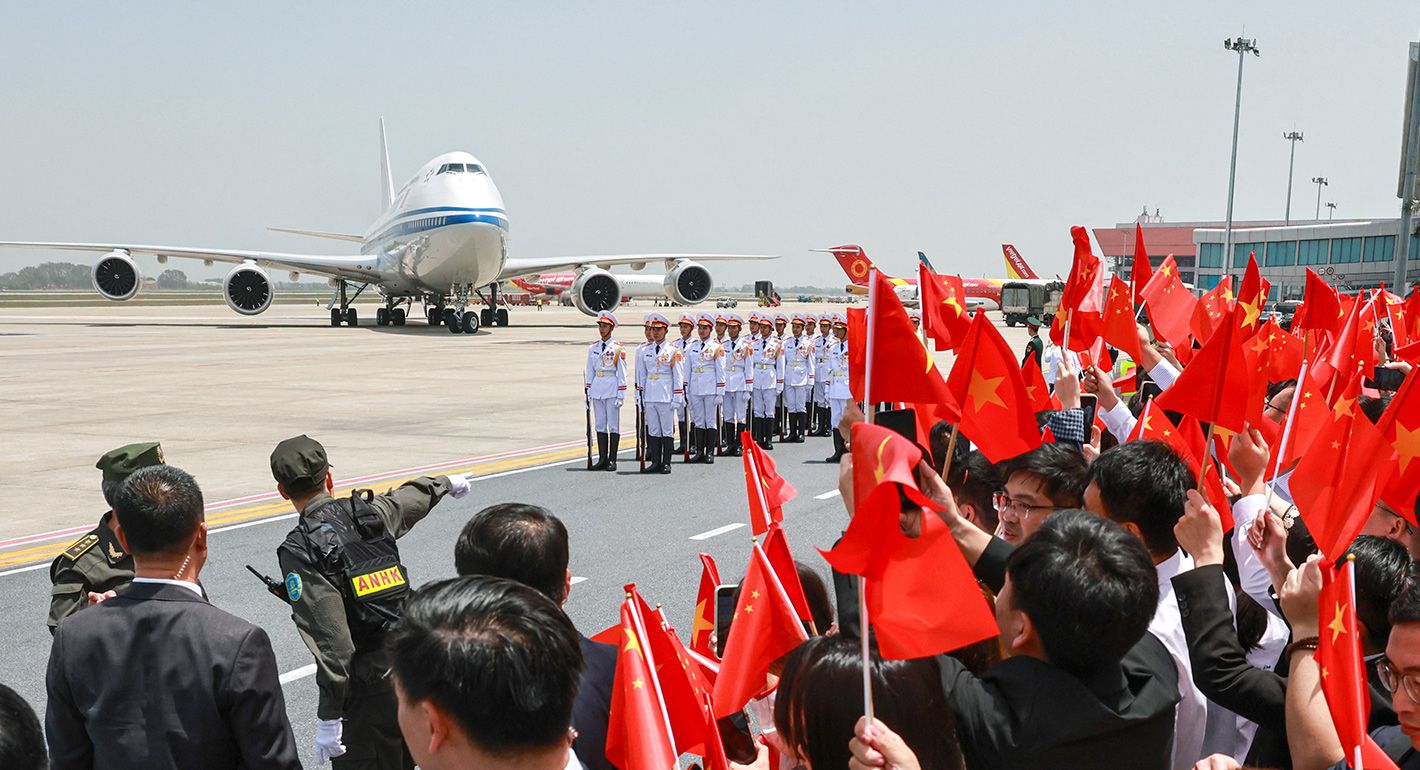
The Trump administration’s effort to reshape the global trading system and reset overseas security commitments is creating an historic inflection point. Less clear is how far China will be able to capitalize on these dynamics.


Li Mingjiang, Le Hong Hiep, Ngeow Chow Bing, …
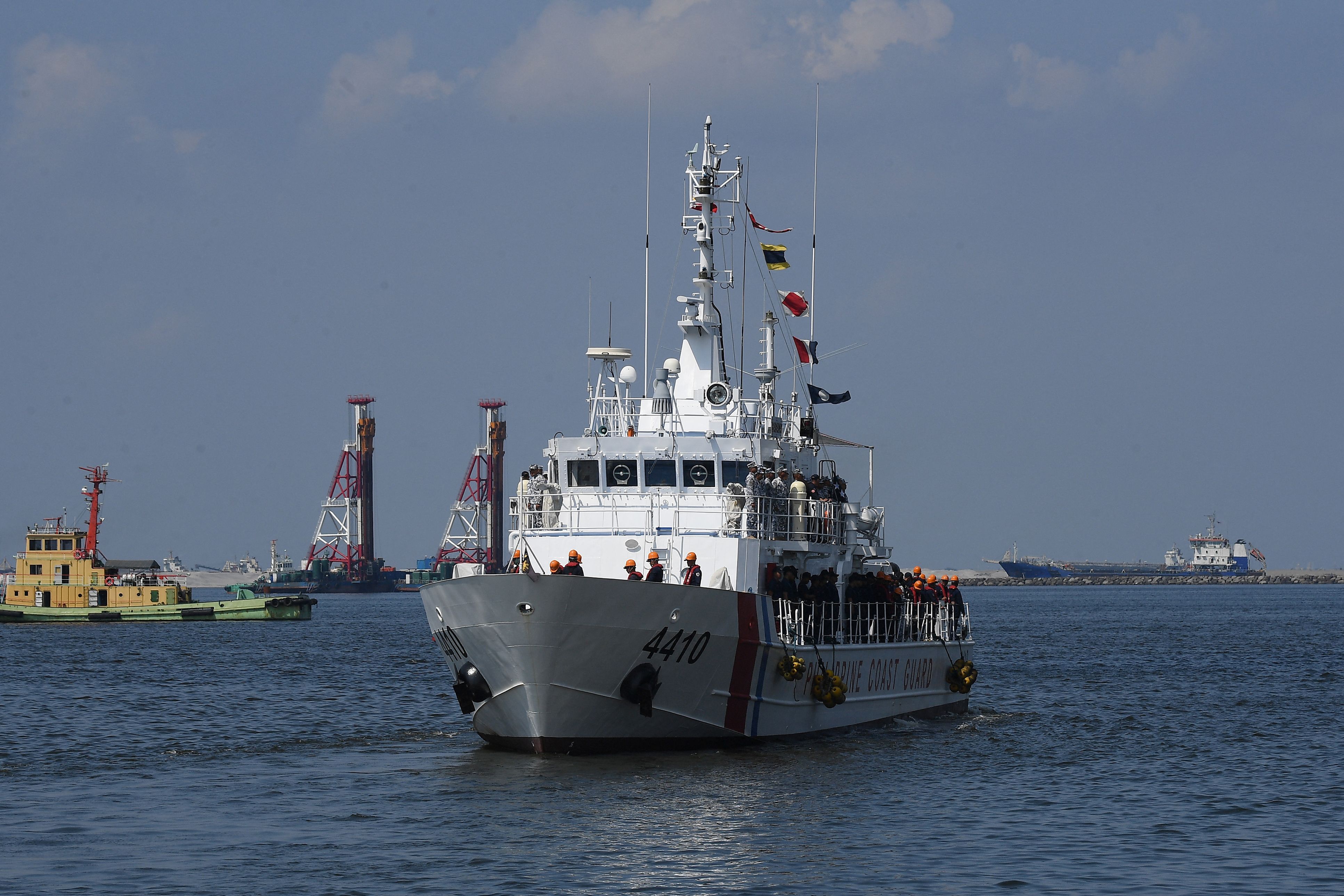
Most Southeast Asian states behave as if the actions of their Northeast Asian neighbors and the Philippines will be sufficient to maintain a regional status quo from which they can benefit.

Chong Ja Ian
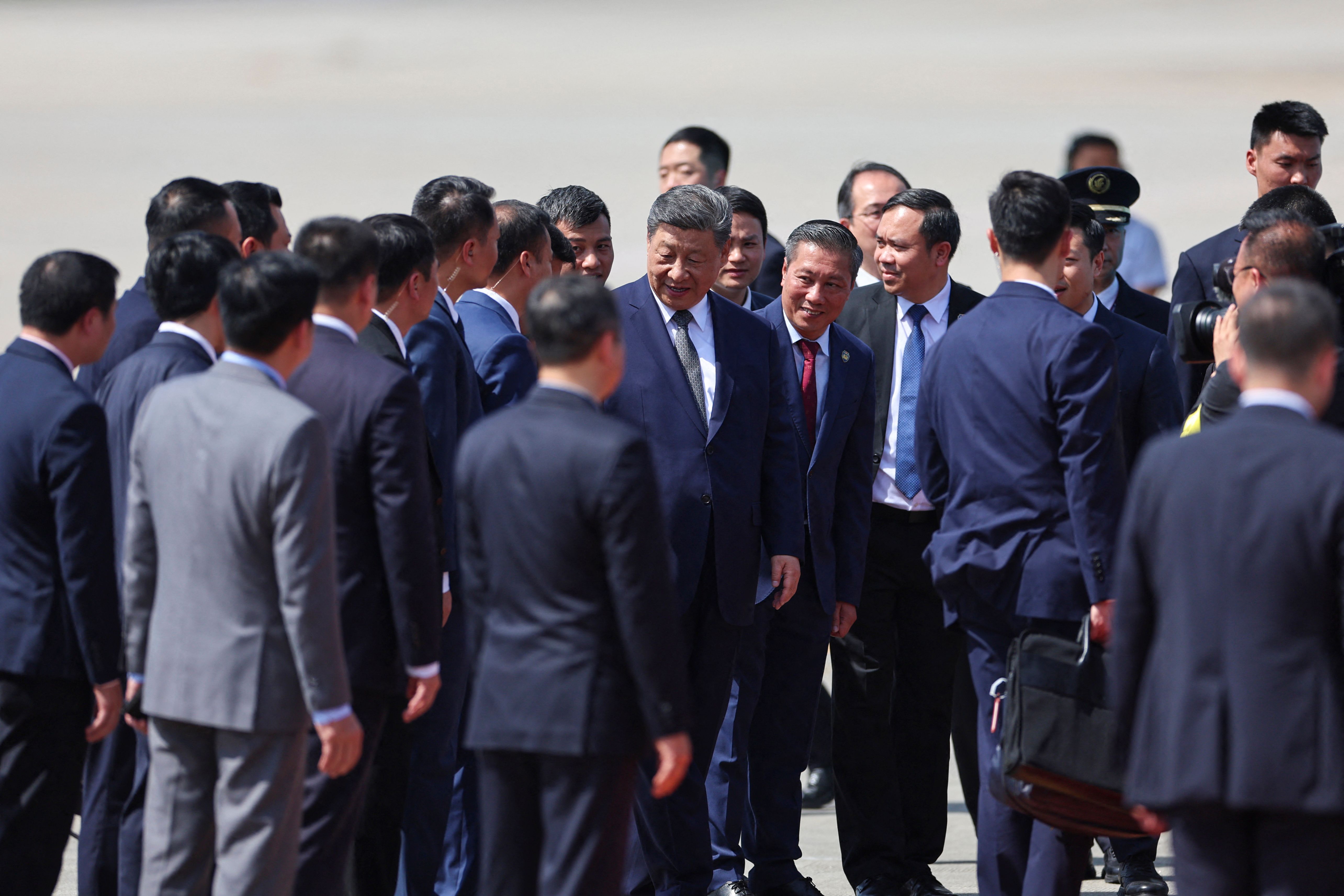
A Q&A series where we ask scholars from Southeast Asia for their insights on China’s influence and relations with the region.
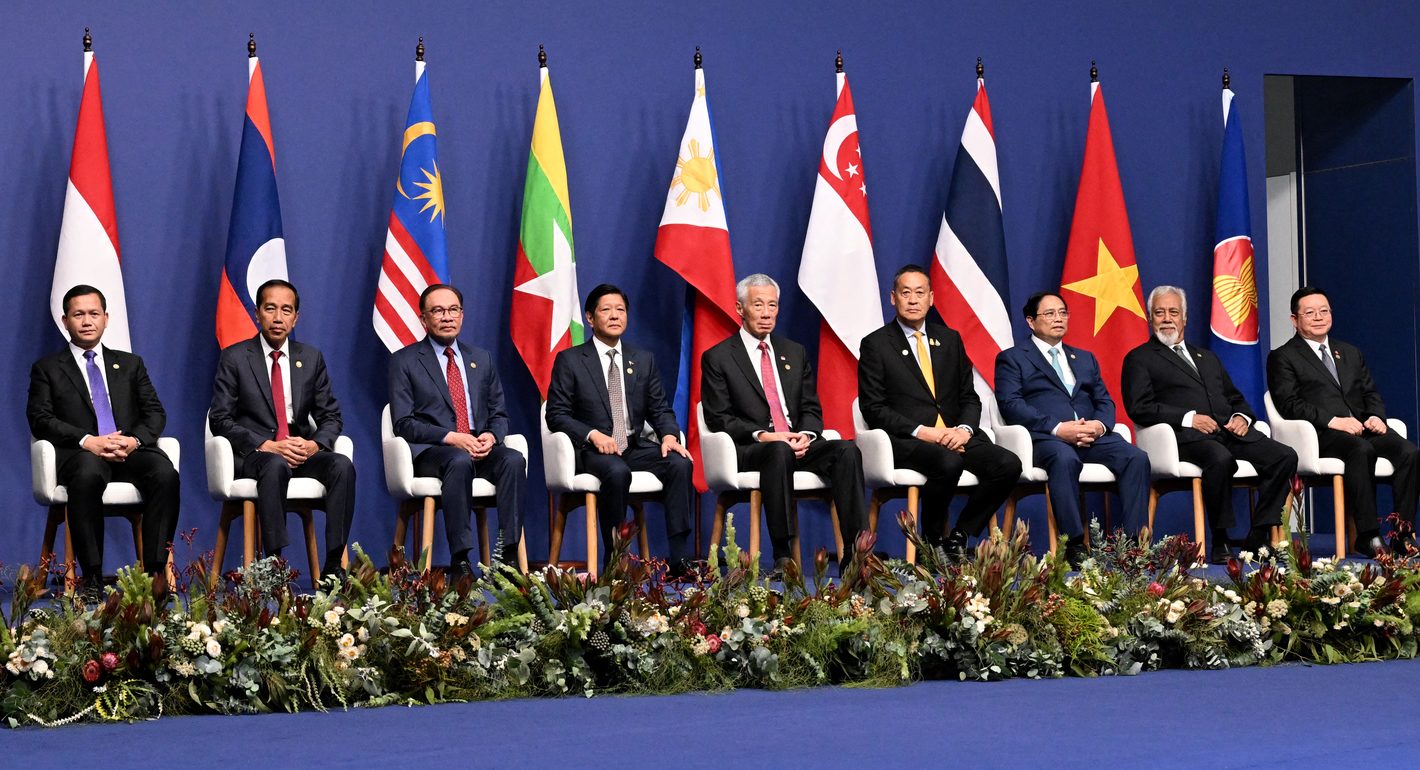
Over the past three years, Southeast Asia has witnessed a series of important leadership transitions. How will these new leaders approach China and how will they differ from their predecessors?

Charmaine Misalucha-Willoughby, Cheng-Chwee Kuik, Lak Chansok, …