

Commentary
The advantage that China has over other global powers, especially America, is that its foreign policy is closely aligned with those of many of the Middle Eastern countries.
Jin Liangxiang, Maha Yahya, Hesham Alghannam
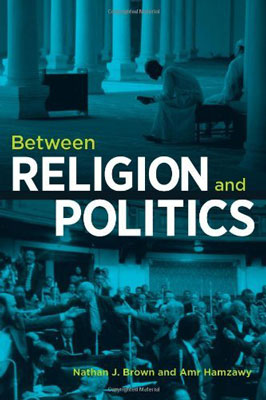
As Islamist movements in the Arab world become more politically active, they are struggling to pursue their moral and religious agenda under unfriendly or repressive regimes.
Source: Washington

As a result, Islamist movements in Egypt, Morocco, Yemen, Jordan, Palestine, and Kuwait have failed to satisfy their political and religious constituencies. In the coming years, Islamist movements are likely to scale back their political engagement.
“We expect Islamists to compete in subsequent parliamentary elections,” the authors write. “But we also expect that they will place fewer of their hopes (and, in some countries, perhaps fewer of their energies) in a parliamentary strategy, instead contenting themselves for the foreseeable future to reap the limited gains that parliamentary activity offers without viewing it as the sole or even primary strategy for realizing their vision of Islamic reform.”
Two of the most respected and keenly observant analysts of Islamist movement politics in the Arab world have written a compelling book which explores the dynamics and consequences of Islamist groups’ participation in the parliaments of Egypt, Jordan, Kuwait, Morocco, Yemen, and the Palestinian Authority. In a series of lucid and engaging case-study chapters, the book highlights the impact of such participation on Arab political systems and the changing character of Islamist groups themselves. The insights it offers make it essential reading for scholars, university students, and policy-makers alike. I look forward to assigning it in my courses!
—Carrie Wickham, associate professor, Department of Political Science, Emory University
In this thought provoking tour de force Brown and Hamzawy vividly synthesize an up to date and lucid balance sheet of the political participation of Islamist movements. Conceptually solid and empirically richly informed by various country-based cases, this work is certainly a must read for all those who are interested in Islamism.
— Khaled Hroub, director of the Cambridge Arab Media Project (CAMP) at the Faculty of Asian and Middle Eastern Studies, University of Cambridge

Nonresident Senior Fellow, Middle East Program
Nathan J. Brown, a professor of political science and international affairs at George Washington University, is a distinguished scholar and author of nine books on Arab politics and governance, as well as editor of five books.

Director, Middle East Program
Amr Hamzawy is a senior fellow and the director of the Carnegie Middle East Program. His research and writings focus on Egypt’s and other middle powers’ involvement in regional security in the Middle East, particularly through collective diplomacy and multilateral conflict resolution
Carnegie does not take institutional positions on public policy issues; the views represented herein are those of the author(s) and do not necessarily reflect the views of Carnegie, its staff, or its trustees.
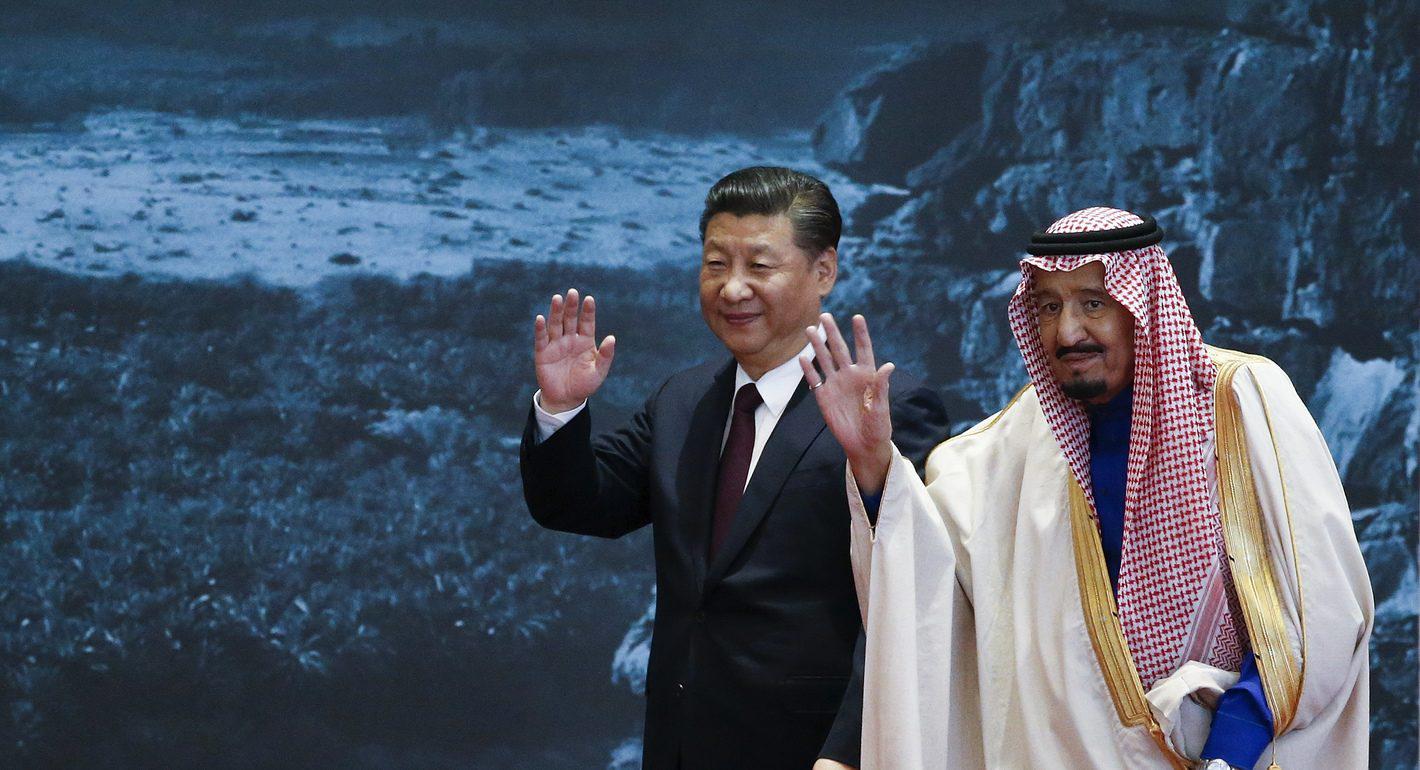
The advantage that China has over other global powers, especially America, is that its foreign policy is closely aligned with those of many of the Middle Eastern countries.


Jin Liangxiang, Maha Yahya, Hesham Alghannam
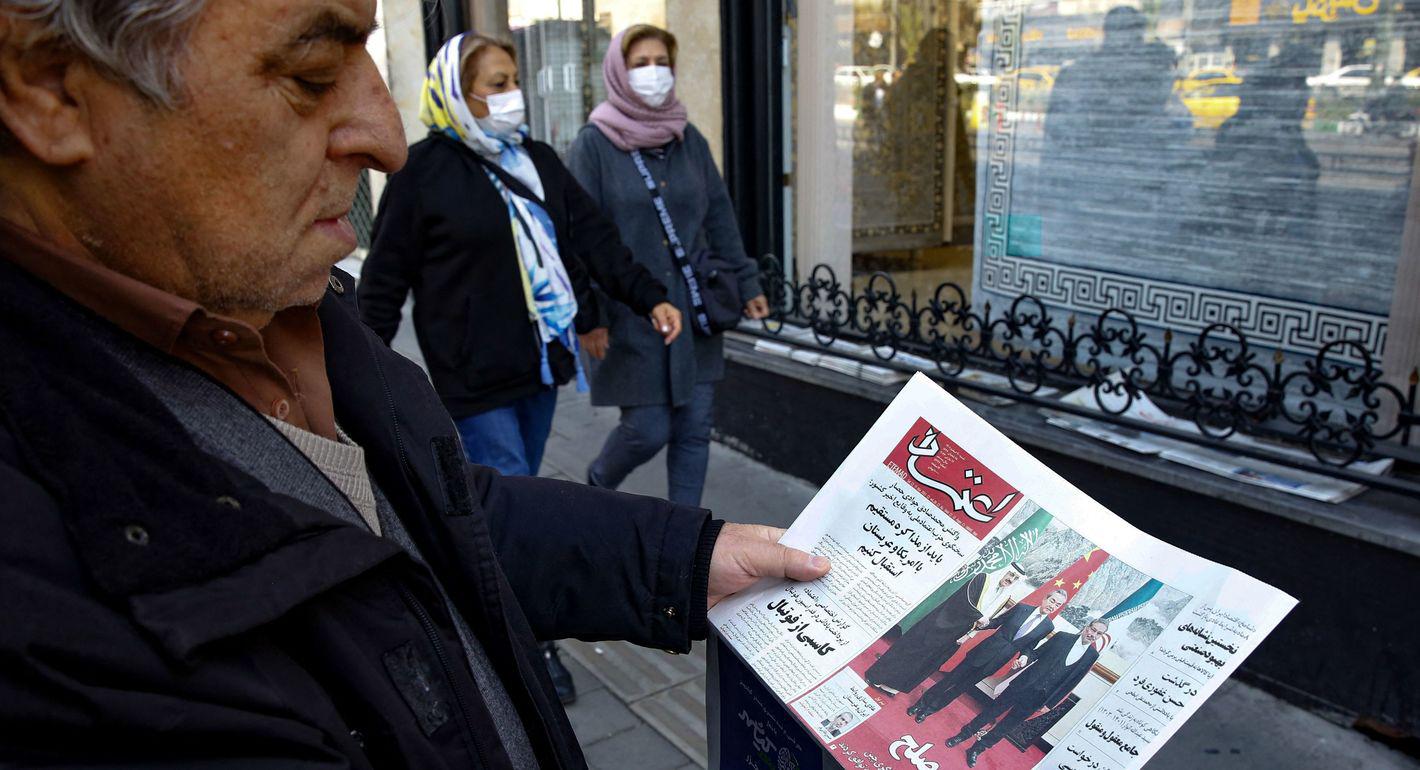
Transactional relationships are stable but can be shallow.


Paul Haenle, Maha Yahya, Benjamin Ho, …

It’s about managing oil prices, bread prices, and strategic partnerships.


Amr Hamzawy, Karim Sadjadpour, Aaron David Miller, …

The murder of George Floyd has underscored the deep inequities that have long plagued American society. In a note to the Carnegie community, Bill Burns reflects on Carnegie’s commitment to build a more just future here at home and around the world, without which peace will remain beyond our grasp.

William J. Burns

While the world hoped this pandemic might lead to more cooperation between these two great powers, American and Chinese leaders instead fell into a blame game and allowed their increasing suspicions to guide their decision-making.
Lyu Jinghua