

Commentary
In July 2025, Vietnam and China held their first joint army drill, a modest but symbolic move reflecting Hanoi’s strategic hedging amid U.S.–China rivalry.
Nguyễn Khắc Giang
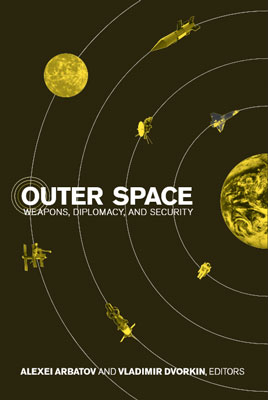
In this global era, the world faces a host of security challenges which cannot be resolved by any one nation, especially through the unilateral use of military force. One key issue that requires urgent international attention is the military use of outer space.
Source: Washington

This collection of essays by leading Russian experts analyzes how many countries are using outer space for military purposes. Adapted from the Russian version, Outer Space: Weapons, Diplomacy, and Security describes the space weapons programs of various countries. It details the history of negotiations to prevent, or at least control, the weaponization of space, including analyses of the political, military, technical, and legal problems facing negotiators trying to avoid a catastrophic new space race.
Download a free limited preview.
"As the globalization of economic, political, military, and technological development expands the realm of activity in outer space, this volume provides a compelling road map on how to avoid future conflicts in a critical arena."
—Jessica T. Mathews, President, Carnegie Endowment for International Peace

Alexey Arbatov
Alexey Arbatov is the head of the Center for International Security at the Primakov National Research Institute of World Economy and International Relations.
Vladimir Dvorkin
Major General Dvorkin (retired) is a chief researcher at the Center for International Security at the Institute of World Economy and International Relations.
Carnegie does not take institutional positions on public policy issues; the views represented herein are those of the author(s) and do not necessarily reflect the views of Carnegie, its staff, or its trustees.
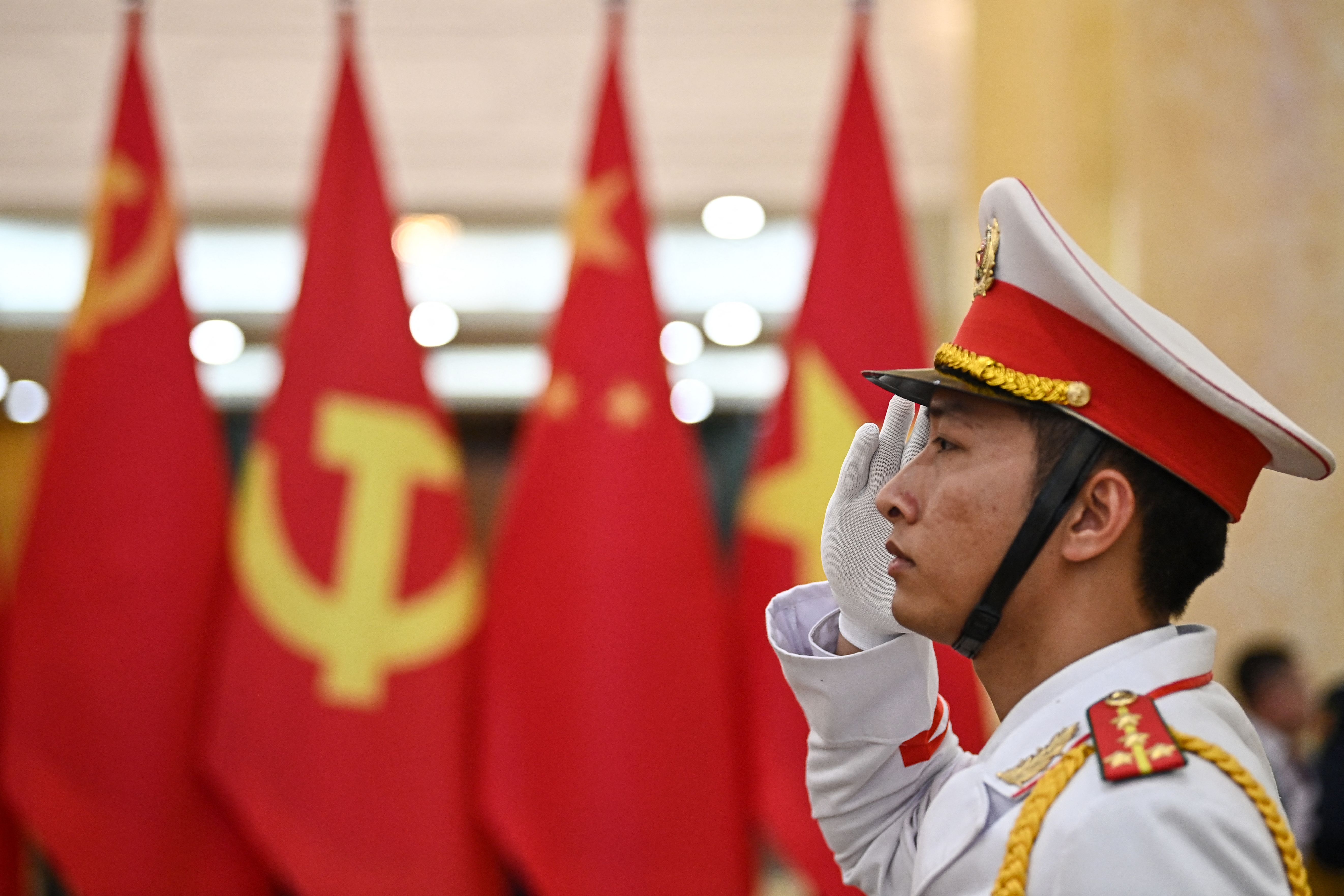
In July 2025, Vietnam and China held their first joint army drill, a modest but symbolic move reflecting Hanoi’s strategic hedging amid U.S.–China rivalry.

Nguyễn Khắc Giang
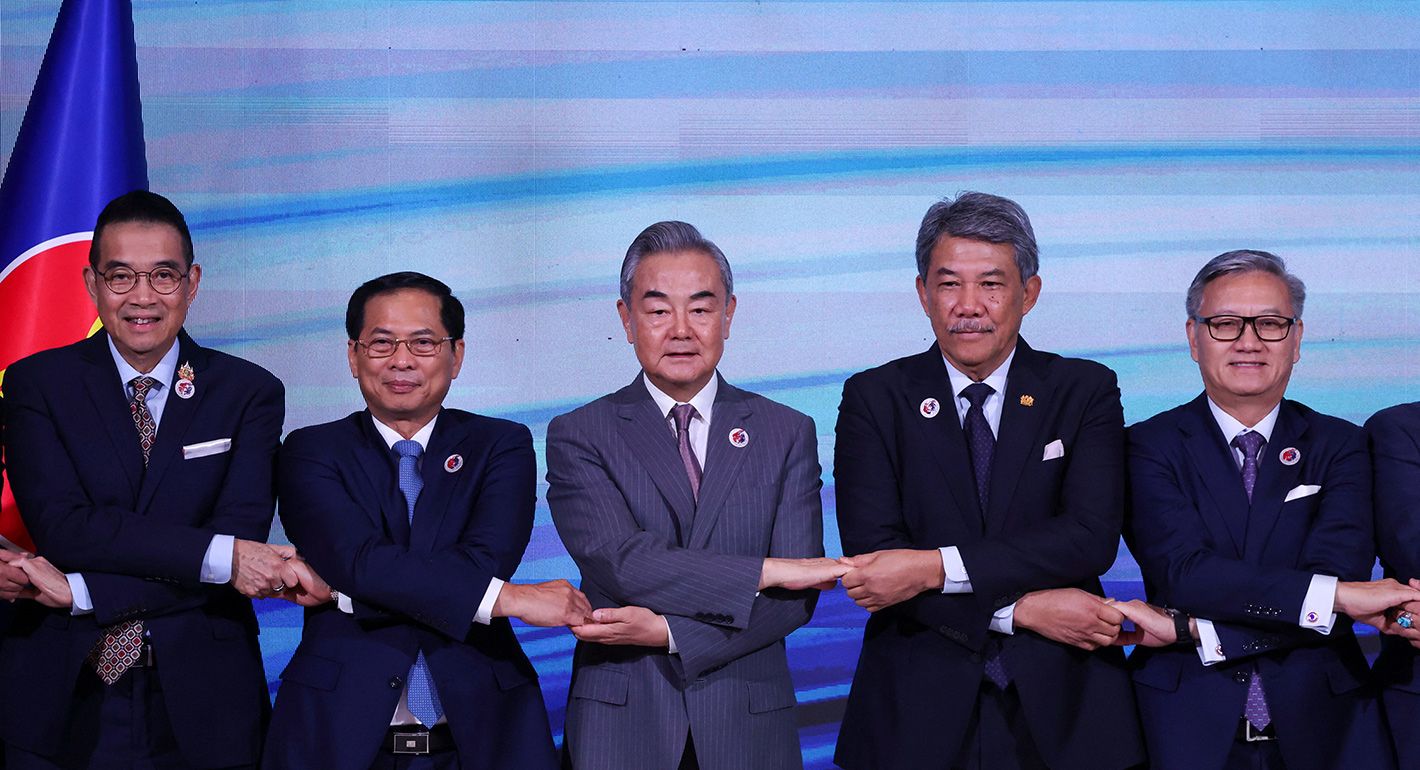
The Thai-Cambodian conflict highlights the limits to China's peacemaker ambition and the significance of this role on Southeast Asia’s balance of power.

Pongphisoot (Paul) Busbarat
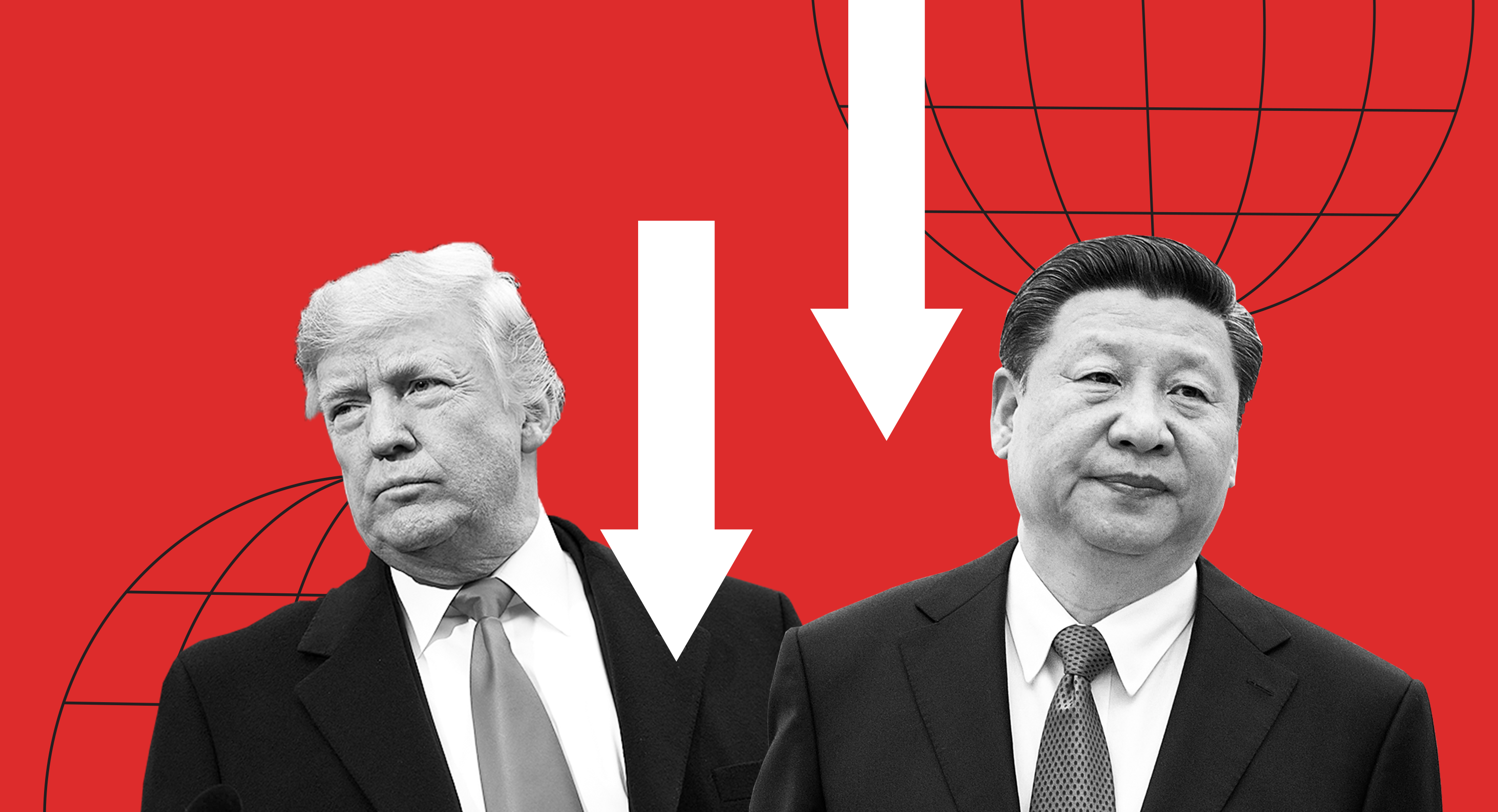
Beijing believes that Washington is overestimating its own leverage and its ability to handle the trade war’s impacts.


Rick Waters, Sheena Chestnut Greitens
Tapping our network of China experts in the region, Carnegie China offers this latest “China Through a Southeast Asian Lens” report to offer preliminary assessments of whether the U.S. effort to reshape the global trading order will lead countries in the region to tilt toward Beijing.


Selina Ho, Khin Khin Kyaw Kyee, Joseph Ching Velasco, …
Beijing is trying to navigate the overall situation regarding Ukraine, especially the substance of interactions between Washington and Moscow.


Ellen Nakashima, Zhao Long, Pavlo Klimkin, …