

In The Media
Lahcen Achy

Source: Getty
While Morocco’s poverty rate has fallen by more than 40 percent in the last decade, the country’s leaders must reconsider their poverty-reduction strategy if they want to sustain the positive trend and overcome remaining challenges.
Despite a lack of significant natural resources, Morocco’s poverty rate has fallen by more than 40 percent in the last decade, with less than 9 percent of its population considered poor. While lifting 1.7 million people out of poverty in ten years is notable progress, Lahcen Achy explains in a new paper that Morocco’s leaders must rethink their poverty-reduction strategy to sustain the positive trend and overcome remaining challenges.
“Despite significant progress in poverty reduction, Morocco faces the persistent problems of high illiteracy, inequality, volatile economic growth, informal and vulnerable jobs, and the uncertain levels of future remittances,” Achy writes. “Policy makers must review the country’s approach for alleviating poverty and take greater advantage of existing strengths to reach a broader spectrum of the population."

Former Nonresident Senior Associate, Middle East Center
Achy is an economist with expertise in development, institutional economics, trade, and labor and a focus on the Middle East and North Africa.
Recent Work
Lahcen Achy
Lahcen Achy
Carnegie does not take institutional positions on public policy issues; the views represented herein are those of the author(s) and do not necessarily reflect the views of Carnegie, its staff, or its trustees.

China’s banking crisis in the 2000s was resolved by transferring the costs to households through financial repression—a decision that recapitalized the banks while exacerbating the structural imbalances that continue to shape the Chinese economy today.

Michael Pettis

In the latest Five-Year Plan, the Chinese president cements the shift to an innovation-driven economy over a consumption-driven one.

Damien Ma

Rather than climate ambitions, compatibility with investment and exports is why China supports both green and high-emission technologies.

Mathias Larsen
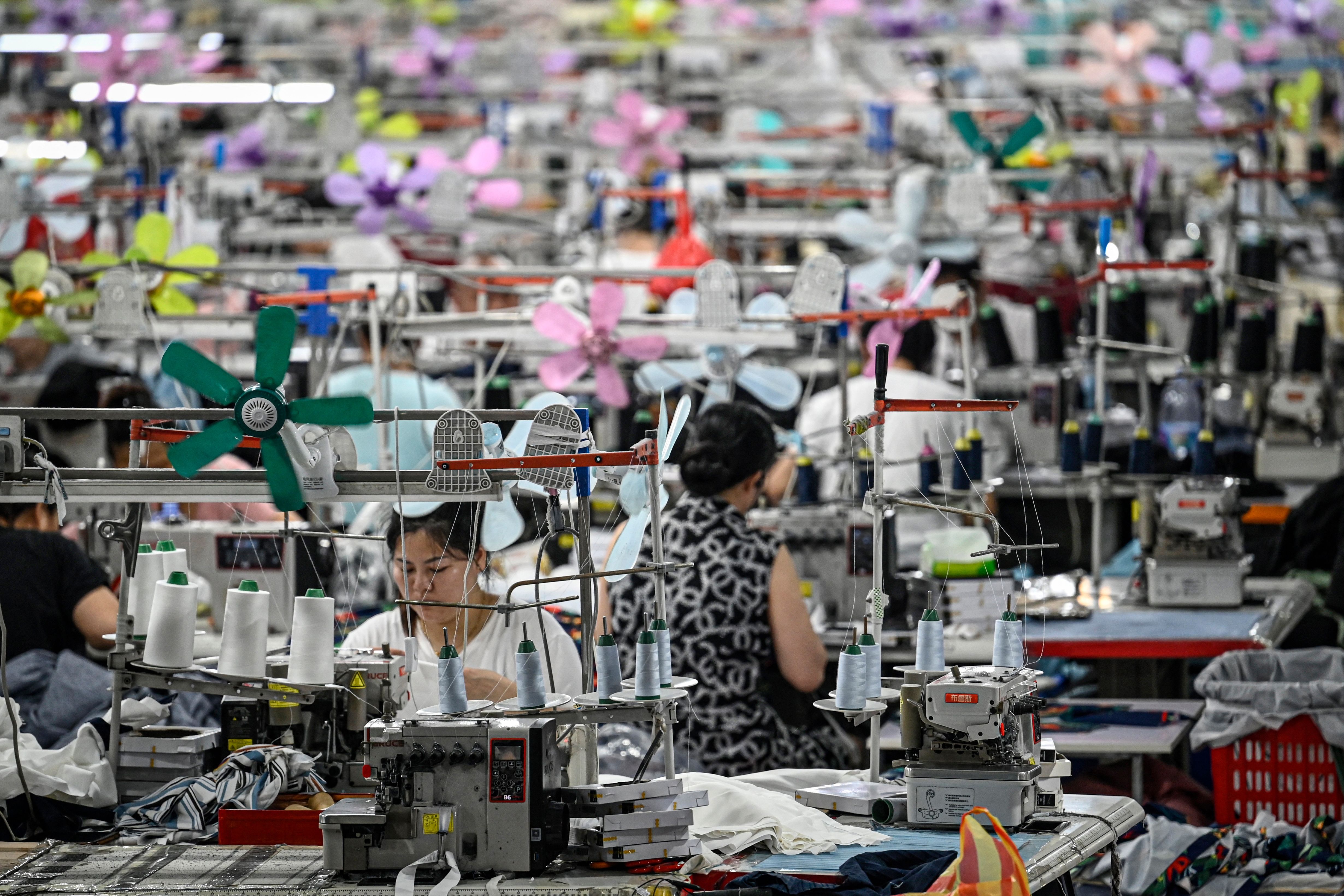
“Involution” is a new word for an old problem, and without a very different set of policies to rein it in, it is a problem that is likely to persist.
Michael Pettis

While China's investment story seems contradictory from the outside, the real answers to Beijing's high-quality growth ambitions are hiding in plain sight across the nation's cities.

Yuhan Zhang