

Commentary
Alexey Malashenko

Source: Getty
The launch of U.S. and European military operations against Libya’s Muammar Gaddafi could have unexpected consequences and encourage some regimes to step up their efforts to develop a weapons arsenal in order to prevent the possibility of outside attack.
France—and then other countries in Europe and the United States—made good on their threats to launch military operations against Libya’s Muammar Gaddafi on March 19. Many commentators predicted from the start of the uprising in Libya that Gaddafi’s days were numbered, but few guessed that the Libyan revolutionaries would need outside help in their battle.
With the operations now underway, what are the preliminary conclusions one can draw so far?
First, it seems that Europe and the United States will continue to be involved in the political developments underway in the Arab and Muslim world. Unlike the Taliban in Afghanistan, or Iraq’s Saddam Hussein, it has been a long time since Gaddafi was seen as a threat by international community, in spite of the rather provocative foreign policy he pursued. He was not manufacturing chemical weapons and, at least in recent years, was not helping international terrorists. If he had succeeded in putting down the uprising swiftly, it is unlikely his relations with Europe and the United States would have undergone any substantial change.
Second, potential revolutionaries—in Yemen, for example—have hopes of receiving outside support if the regimes they are protesting take too hard-fisted an approach to ending their protests and ignore humanitarian norms—although it is practically inevitable that humanitarian norms are violated when bitter revolutionary struggles get underway.
Third, the West’s decision to intervene in Libya may send a signal to some dictatorial regimes to tread more carefully or face the threat of serious outside pressure.
Fourth, and perhaps most important, the West’s actions set a precedent that could have unexpected consequences. Leaders of some countries might be scared to take actions that would provoke outside intervention. Others, however, might hasten to prevent the possibility of outside attack by, for example, stepping up efforts to develop devastating weapons. This isn’t without precedent; Gaddafi himself dreamed of building up his weapons cache.
Fifth, it will be interesting to see how the airstrikes against Libya will affect the unrest in the Middle East. The resolute line the U.S.-European coalition is taking on Libya might intimidate some forces in the Middle East, as in other regions, but might provoke others into even more radical action.
Sixth, Islamist parties and movements remain an unknown factor in all of this upheaval. Will the Islamists, who have been more or less on the sidelines during this year’s political turmoil, continue to remain passive? Or will they take a more active role?
Seventh, there is the indirectly related issue of how Muslim immigrants in Europe will react to the West’s actions. For example, will French President Nicolas Sarkozy’s passionate determination be seen by Muslim immigration populations as an indication of his firm intention to cut the Gordian knot of tensions between Muslims and the French natives in France?
Finally, it seems that Russia has taken the right line in this situation. Russia could not influence the situation in Libya and did not want to actively intervene. Such restraint demonstrates that Moscow is aware of the place Russia holds in today’s international politics.

Former Scholar in Residence, Religion, Society, and Security Program
Malashenko is a former chair of the Carnegie Moscow Center’s Religion, Society, and Security Program.
Recent Work
Alexey Malashenko
Alexey Malashenko
Carnegie does not take institutional positions on public policy issues; the views represented herein are those of the author(s) and do not necessarily reflect the views of Carnegie, its staff, or its trustees.
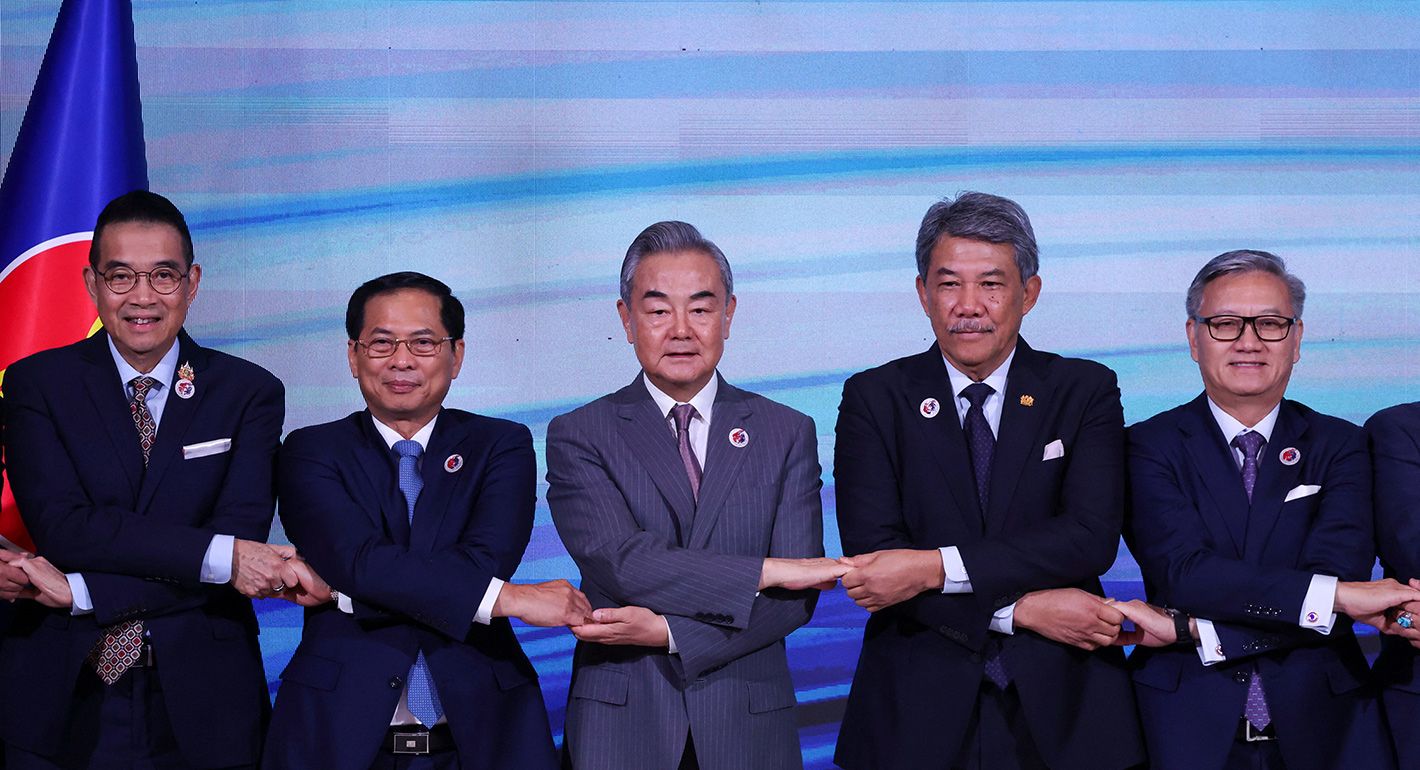
The Thai-Cambodian conflict highlights the limits to China's peacemaker ambition and the significance of this role on Southeast Asia’s balance of power.

Pongphisoot (Paul) Busbarat
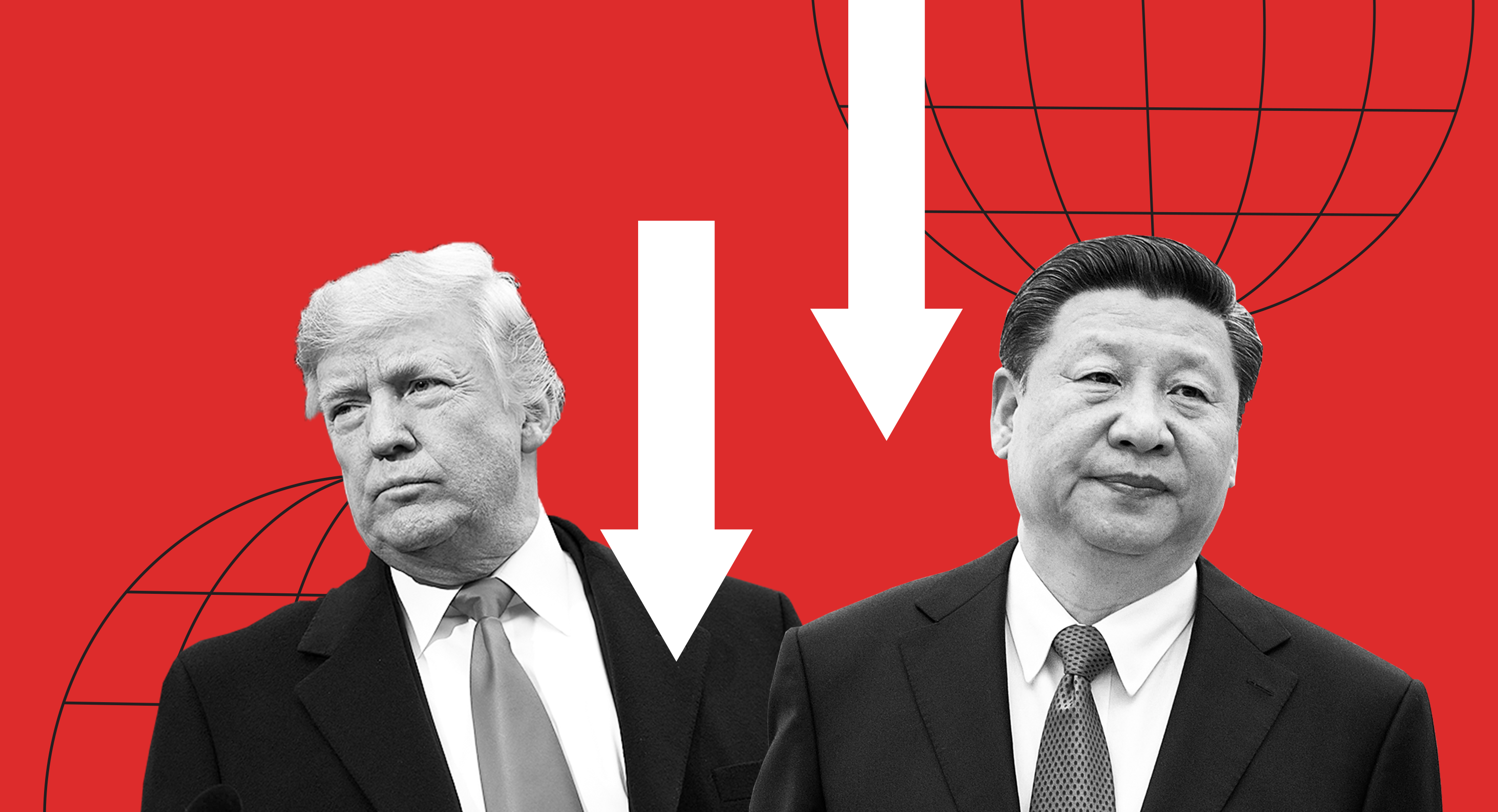
Beijing believes that Washington is overestimating its own leverage and its ability to handle the trade war’s impacts.


Rick Waters, Sheena Chestnut Greitens
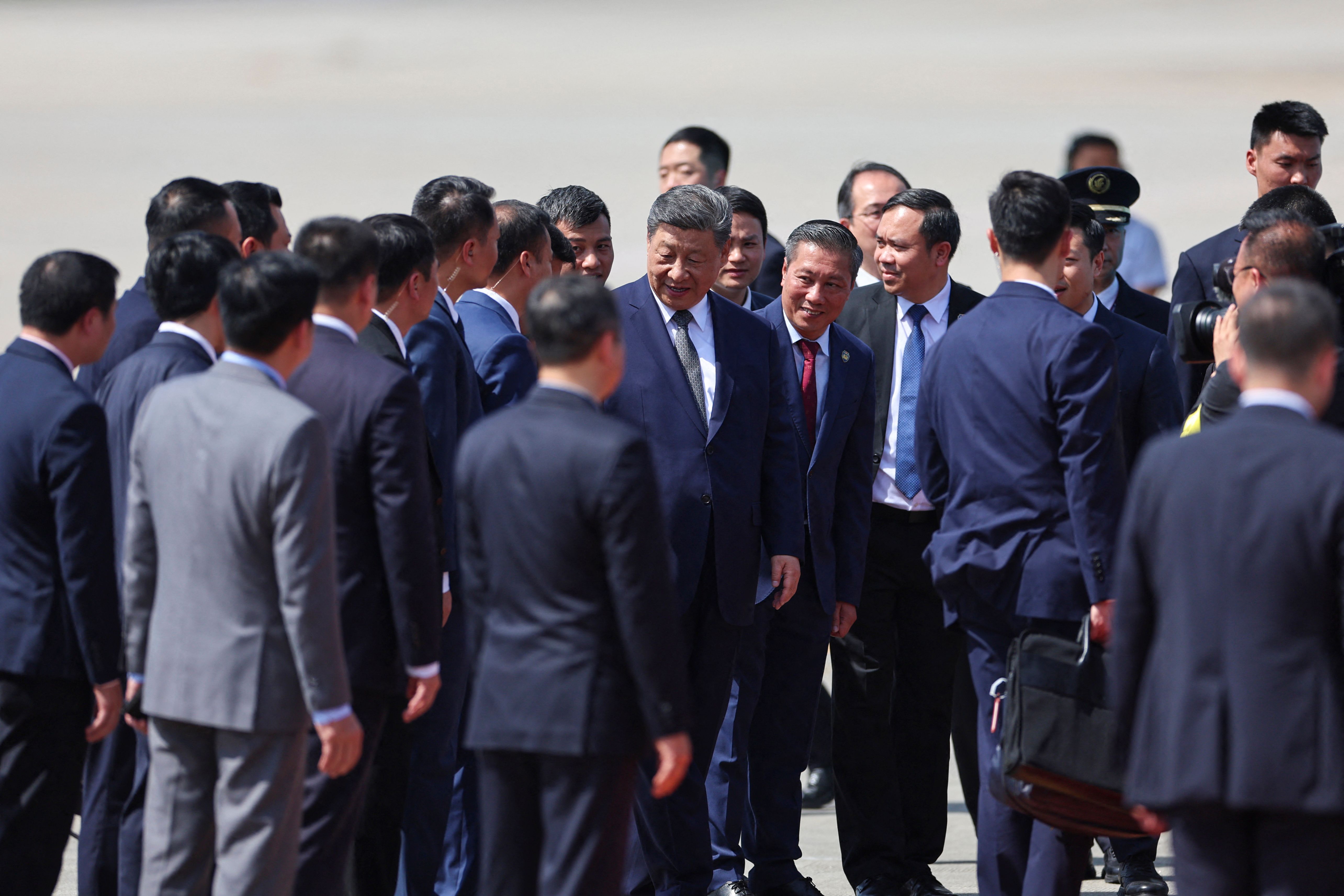
Tapping our network of China experts in the region, Carnegie China offers this latest “China Through a Southeast Asian Lens” report to offer preliminary assessments of whether the U.S. effort to reshape the global trading order will lead countries in the region to tilt toward Beijing.


Selina Ho, Khin Khin Kyaw Kyee, Joseph Ching Velasco, …
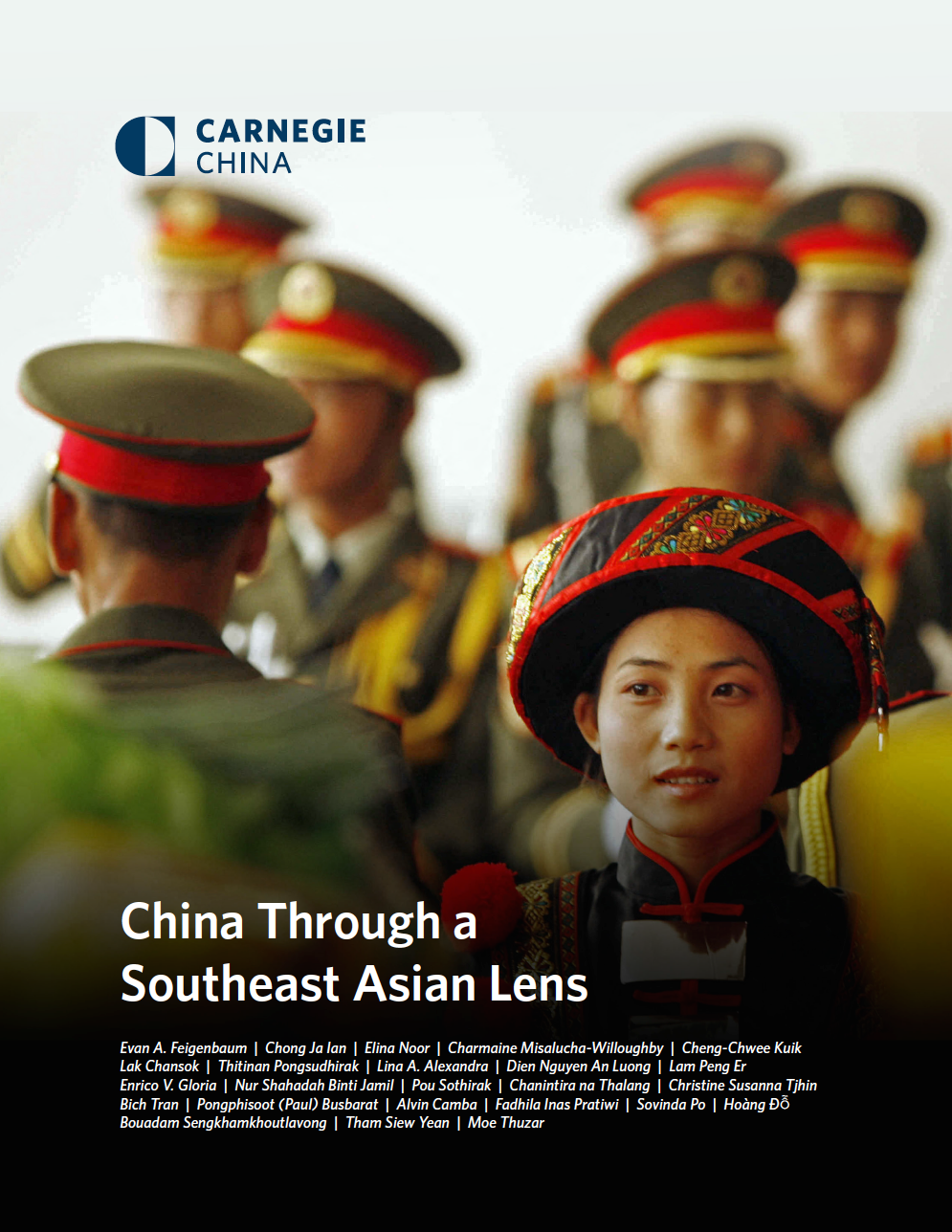
Because strategic, economic, and ideological perceptions of China contain multiple, sometimes contradictory facets in Southeast Asia, receptions of and responses to Beijing diverge across and within state lines.



Evan A. Feigenbaum, Chong Ja Ian, Elina Noor
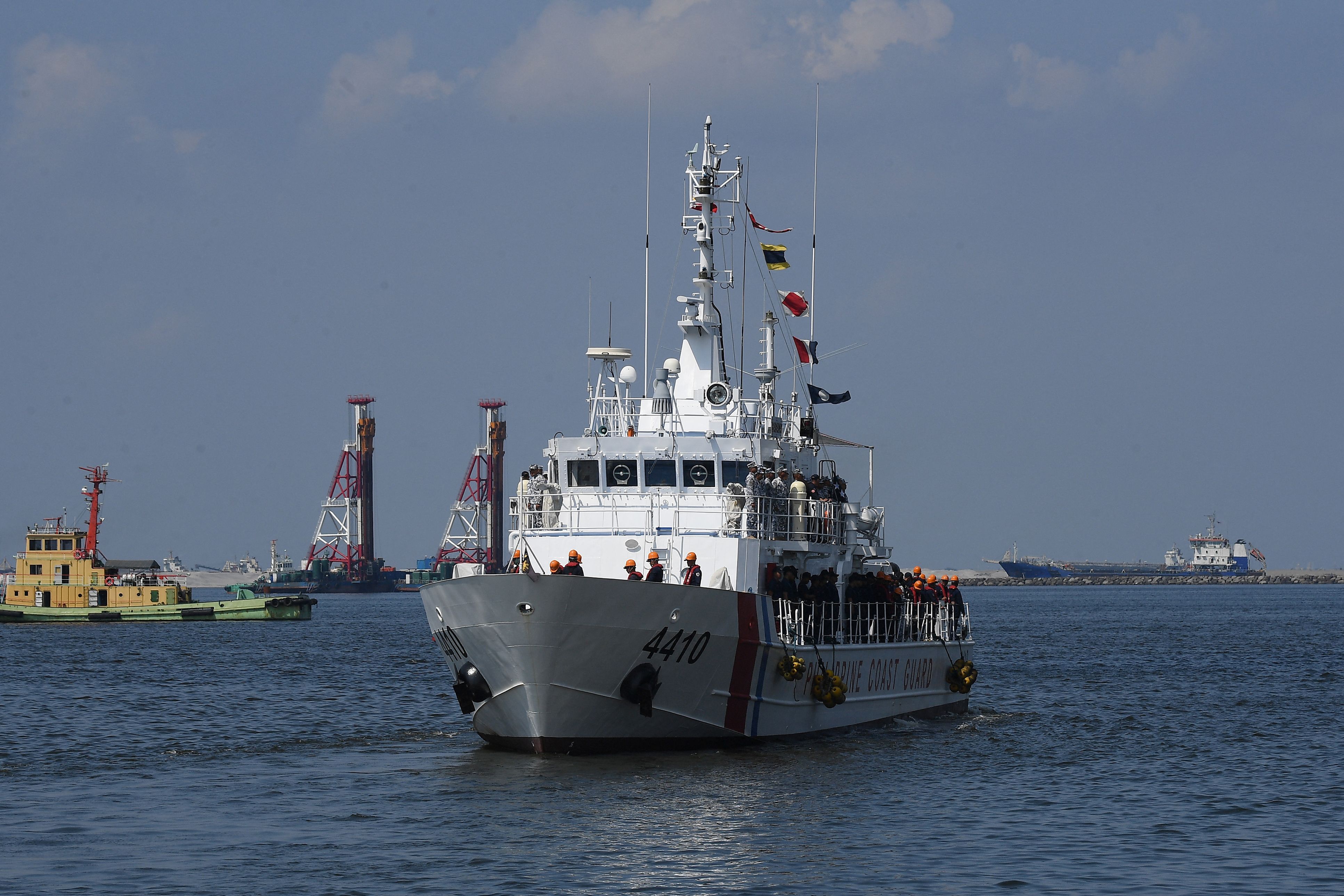
Most Southeast Asian states behave as if the actions of their Northeast Asian neighbors and the Philippines will be sufficient to maintain a regional status quo from which they can benefit.
Chong Ja Ian