

Commentary
Muhammad Faour
Source: Getty
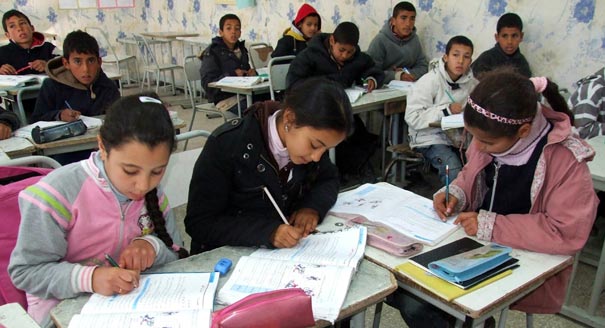
Absent a good education environment, there is little room for the Arab world’s youth to turn into responsible citizens who can consolidate and stimulate social transformation to bring about more prosperous and free societies.
The youth of the Arab world have driven much of the popular upheaval that has overtaken the region in the last year. Calling for fundamental political and economic change, they seek to remake their societies into more open, global players. But if that grassroots momentum is to be solidified, real societal reform must take place.
In burgeoning democracies such as Tunisia, Egypt, and Libya, schools can be change agents and effective elements in the development of long-lasting democratic skills and values such as freedom, equality, social justice, and respect for diversity and basic human rights. With more than 40 percent of people in the Arab world under the age of eighteen, schools are key social and political actors that can strongly impact the process of democratization.
A growing body of research has shown that a positive school climate is imperative to ensuring progress on this front. The character and quality of school life, which reflects values, goals, organizational structure, interpersonal relationships, and teaching and learning practices, can either promote or hinder a student’s education and future success.
Unfortunately, in much of the Arab world school climates are generally negative. Indexes that combine data from three international studies and measure schools’ safety, teaching, learning, and institutional environments in fourteen Arab countries paint a picture that is far from rosy. Many students do not feel safe physically, socially, and emotionally in schools. Substantial percentages of teachers entered their profession with deficient academic preparation and pre-service training and do not receive adequate and appropriate professional development during service. Reliance on rote memorization of facts, student and teacher absenteeism, classroom overcrowding, and limited resources all contribute to the problem as well.
Much needs to be done. First and foremost, decisionmakers must find the political will to endorse serious comprehensive education reforms that target the entire school culture. All Arab countries should improve the status and qualifications of their teachers, and establish systems of good governance at both the local and central levels along with transparency and public accountability. Absent a good education environment, there is little room for the Arab world’s youth to turn into responsible citizens who can consolidate and stimulate social transformation to bring about more prosperous and free societies.
Former Senior Associate , Middle East Center
Faour was a senior associate at the Carnegie Middle East Center, where his research focused on education reform in Arab countries with an emphasis on citizenship education.
Recent Work
Muhammad Faour
Muhammad Faour
Carnegie does not take institutional positions on public policy issues; the views represented herein are those of the author(s) and do not necessarily reflect the views of Carnegie, its staff, or its trustees.
The advantage that China has over other global powers, especially America, is that its foreign policy is closely aligned with those of many of the Middle Eastern countries.


Jin Liangxiang, Maha Yahya, Hesham Alghannam
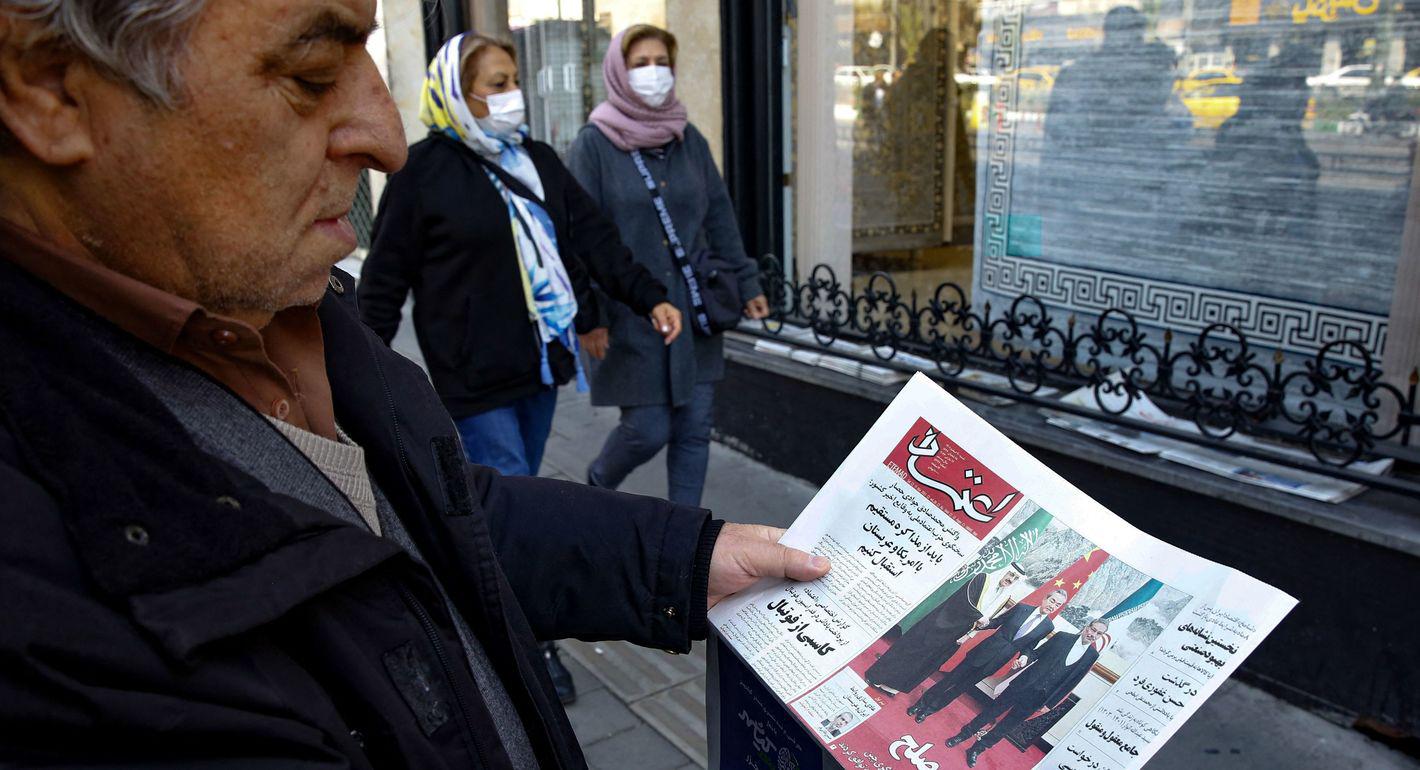
Transactional relationships are stable but can be shallow.


Paul Haenle, Maha Yahya, Benjamin Ho, …
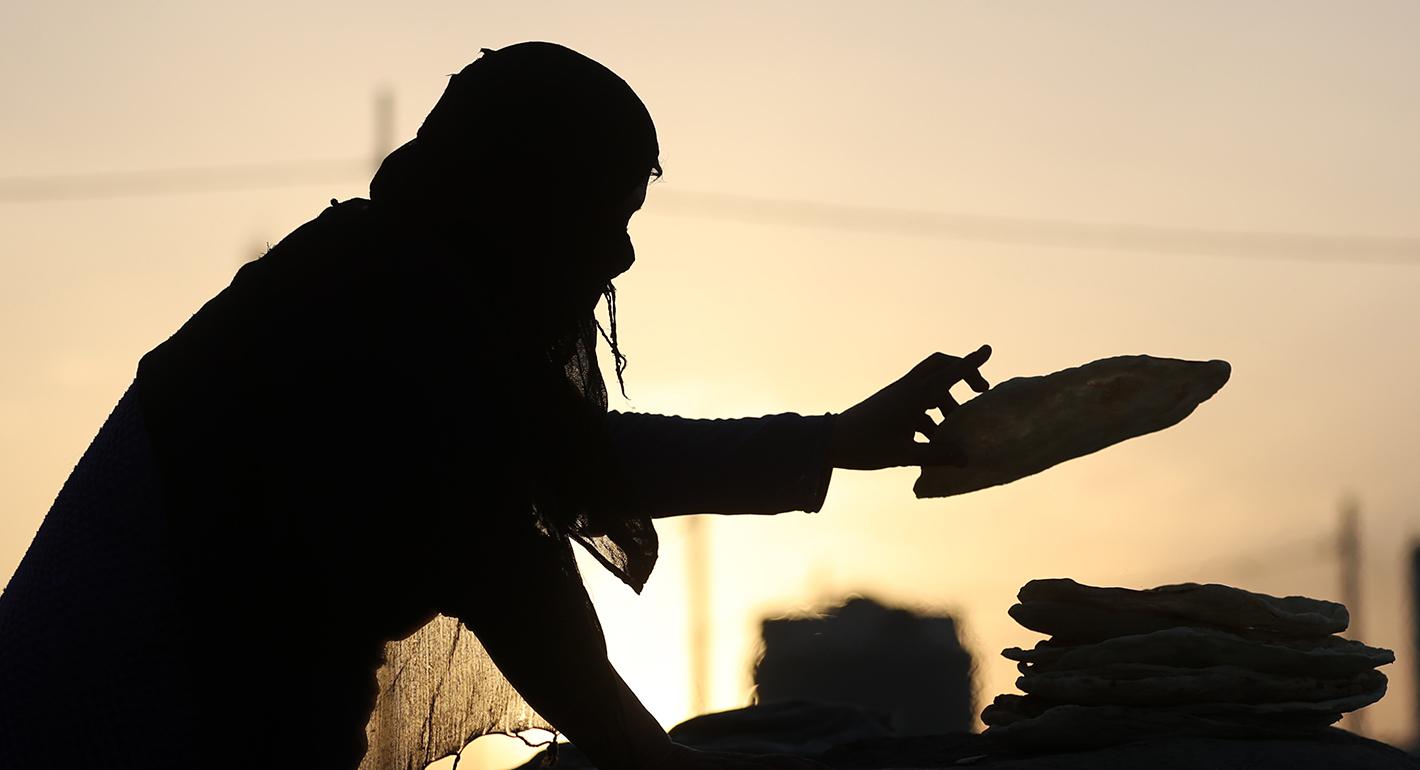
It’s about managing oil prices, bread prices, and strategic partnerships.



Amr Hamzawy, Karim Sadjadpour, Aaron David Miller, …
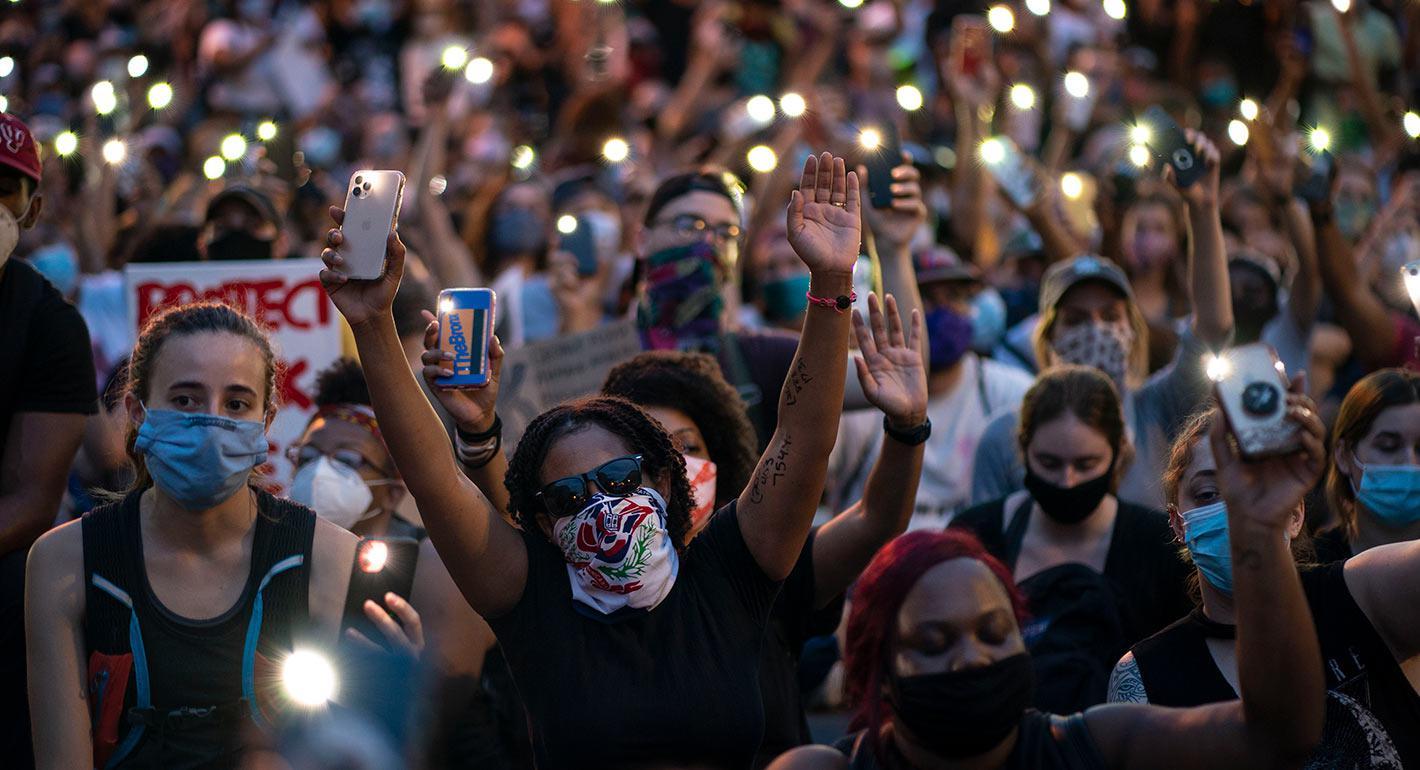
The murder of George Floyd has underscored the deep inequities that have long plagued American society. In a note to the Carnegie community, Bill Burns reflects on Carnegie’s commitment to build a more just future here at home and around the world, without which peace will remain beyond our grasp.
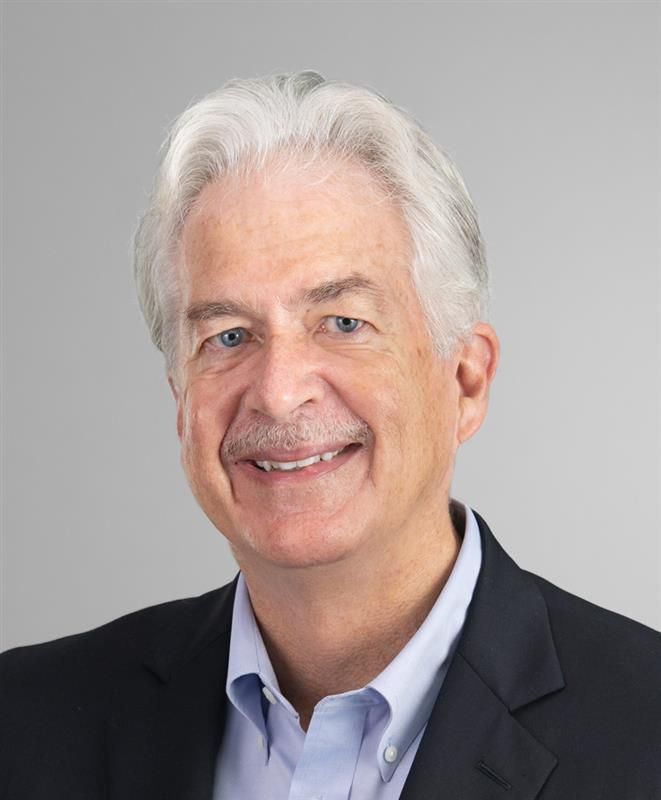
William J. Burns
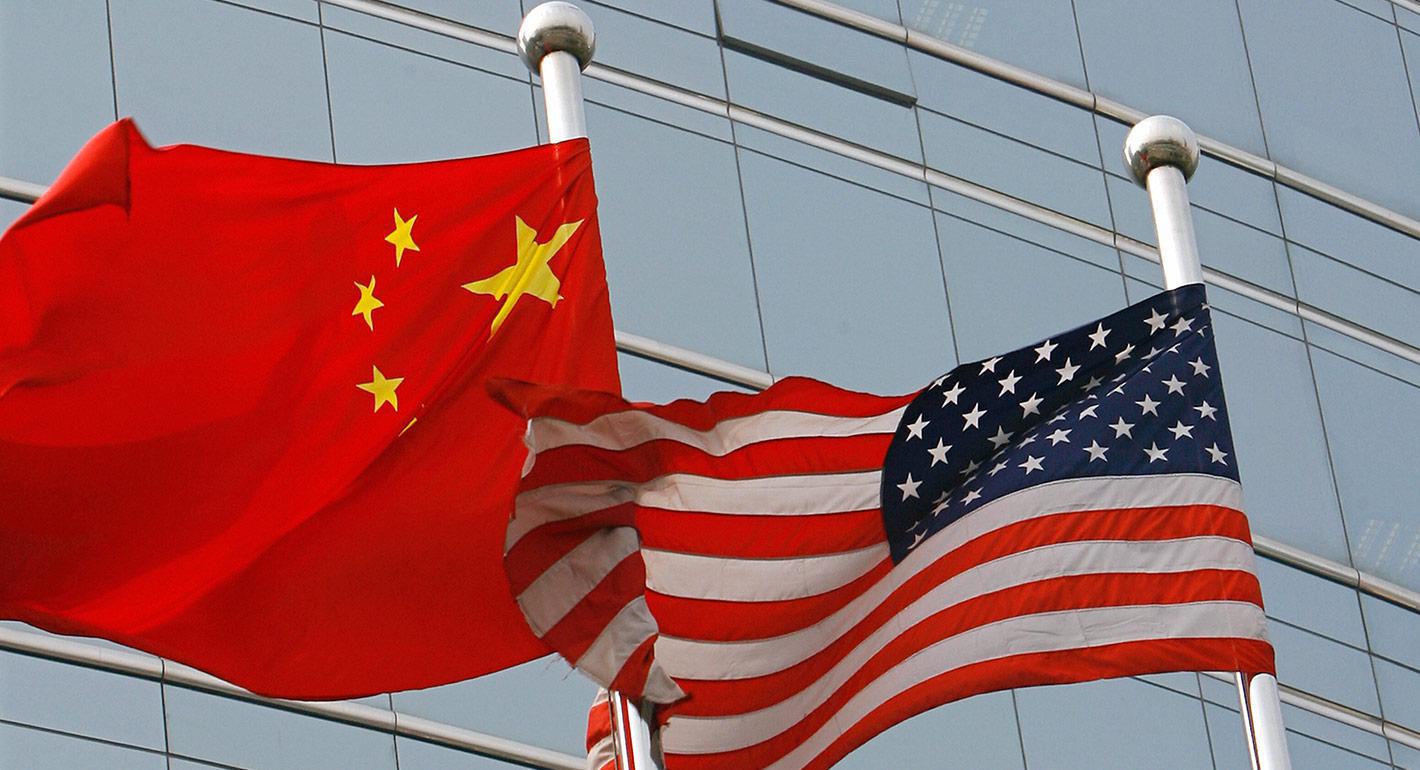
While the world hoped this pandemic might lead to more cooperation between these two great powers, American and Chinese leaders instead fell into a blame game and allowed their increasing suspicions to guide their decision-making.
Lyu Jinghua