

Commentary
But their "principal to principal" model will only be as effective as the political strength of each leader back home.
Damien Ma

Today, the two predominant political and social models—authoritarianism and liberal democracy—are experiencing simultaneous crises.
Source: Carnegie Moscow Center
This book is a collection of polemical articles published mostly in 2011-2013 in the American Interest, Journal of Democracy, Current History, Diplomaatia, and Yezhednevny Zhurnal. Some of the articles were co-authored with David J. Kramer, the president of Freedom House.The articles reflect on Russia’s current trajectory, its relations with the West, Western thinking about Russian civilization, modern authoritarianism and its Russian and Chinese incarnations, and the use of foreign policy for the preservation of authoritarian regimes. These reflections introduce a broader and more dramatic theme: crisis, as it is experienced by an obsolescent political and social system, and as it is experienced by a system in need of rejuvenation. In essence, these essays present the reader with a snapshot of the historical period in which we live.
The drama inherent in this period lies in the fact that the two predominant political and social models—authoritarianism and liberal democracy—are experiencing simultaneous crises.

Former Senior Associate, Russian Domestic Politics and Political Institutions Program, Moscow Center
Shevtsova chaired the Russian Domestic Politics and Political Institutions Program at the Carnegie Moscow Center, dividing her time between Carnegie’s offices in Washington, DC, and Moscow. She had been with Carnegie since 1995.
David J. Kramer
David J. Kramer served as assistant aecretary of state for democracy, human rights and labor in the George W. Bush administration and is director of European & Eurasian Studies at Florida International University’s Steven J. Green School of International and Public Affairs.
Carnegie does not take institutional positions on public policy issues; the views represented herein are those of the author(s) and do not necessarily reflect the views of Carnegie, its staff, or its trustees.

But their "principal to principal" model will only be as effective as the political strength of each leader back home.

Damien Ma

U.S. unpredictability has allowed China to capitalize on its positioning as the “responsible great power”. Paradoxically, the more China wins the perception game, the more likely expectations will rise for Beijing to deliver not just words but to demonstrate with its deeds.

Chong Ja Ian
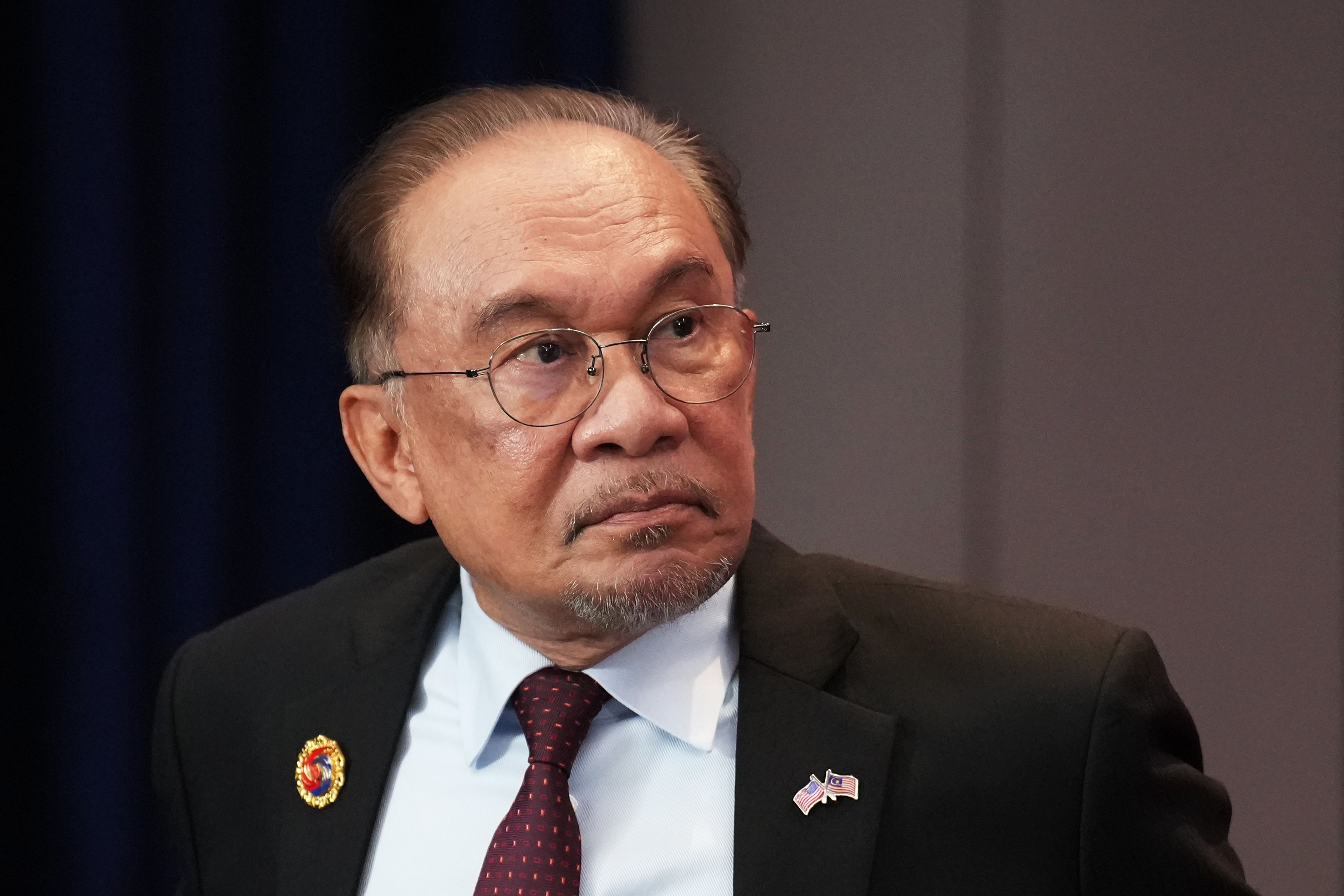
For Malaysia, the conjunction that works is “and” not “or” when it comes to the United States and China.

Elina Noor

Regulation, not embargo, allows Beijing to shape how other countries and firms adapt to its terms.
Alvin Camba
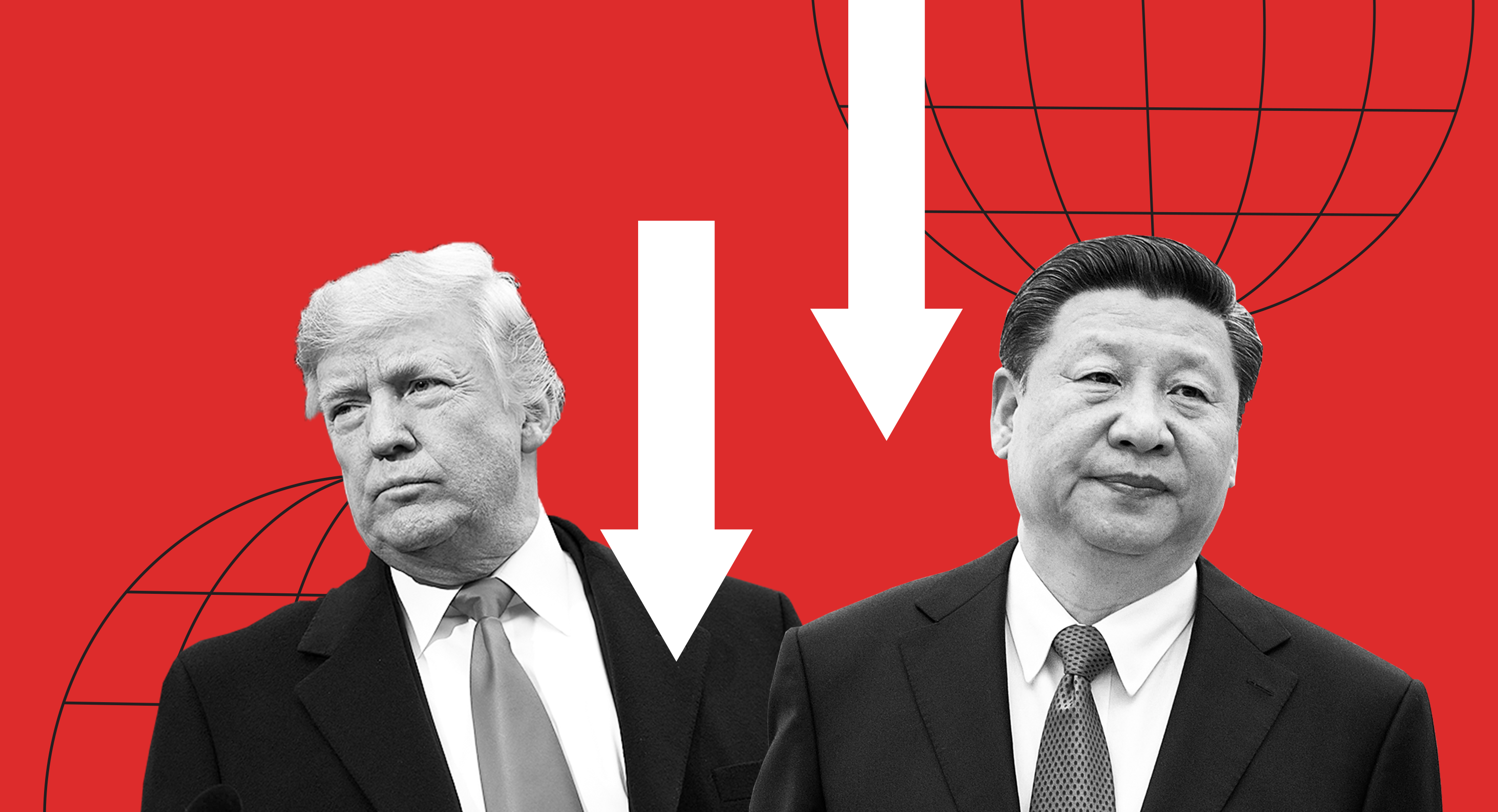
Beijing believes that Washington is overestimating its own leverage and its ability to handle the trade war’s impacts.


Rick Waters, Sheena Chestnut Greitens