

Commentary
The Thai-Cambodian conflict highlights the limits to China's peacemaker ambition and the significance of this role on Southeast Asia’s balance of power.
Pongphisoot (Paul) Busbarat
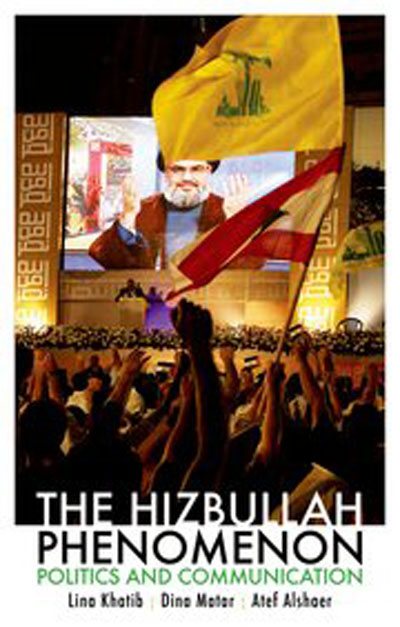
Hizbullah uses its image, language, and its charismatic leader, Hassan Nasrallah, to legitimize its political aims and ideology and appeal to different target groups.
Source: Oxford University Press
Hizbullah is not only a leading political actor in Lebanon and a dynamic force in the Middle East, but it is also distinguished by a sophisticated communication strategy. From relatively humble beginnings in the 1980s, Hizbullah’s political clout and its public perception have followed an upward trajectory, thanks to a political program that blends military, social, economic, and religious elements and adapts to changes in its environment. Its communication strategy is similarly adaptive, supporting the group’s political objectives. Hizbullah’s target audience has expanded to a regional and global viewership.Its projected identity, too, shifted from an Islamist resistance party opposed to Israel’s presence in Lebanon to a key player within the Lebanese state. At the same time, Hizbullah’s image has retained fixed features, including its image as an ally of Iran; its role as a resistance group (to Israel); and its original base as a religious party representative of the Lebanese Shiites. The authors of this book address how Hizbullah uses image, language, and its charismatic leader, Hassan Nasrallah, to legitimize its political aims and ideology and appeal to different target groups.
Former Director, Middle East Center
Khatib was director of the Carnegie Middle East Center in Beirut. Previously, she was the co-founding head of the Program on Arab Reform and Democracy at Stanford University’s Center on Democracy, Development, and the Rule of Law.
Dina Matar
Atef Alshaer
Carnegie does not take institutional positions on public policy issues; the views represented herein are those of the author(s) and do not necessarily reflect the views of Carnegie, its staff, or its trustees.

The Thai-Cambodian conflict highlights the limits to China's peacemaker ambition and the significance of this role on Southeast Asia’s balance of power.

Pongphisoot (Paul) Busbarat

Beijing believes that Washington is overestimating its own leverage and its ability to handle the trade war’s impacts.


Rick Waters, Sheena Chestnut Greitens
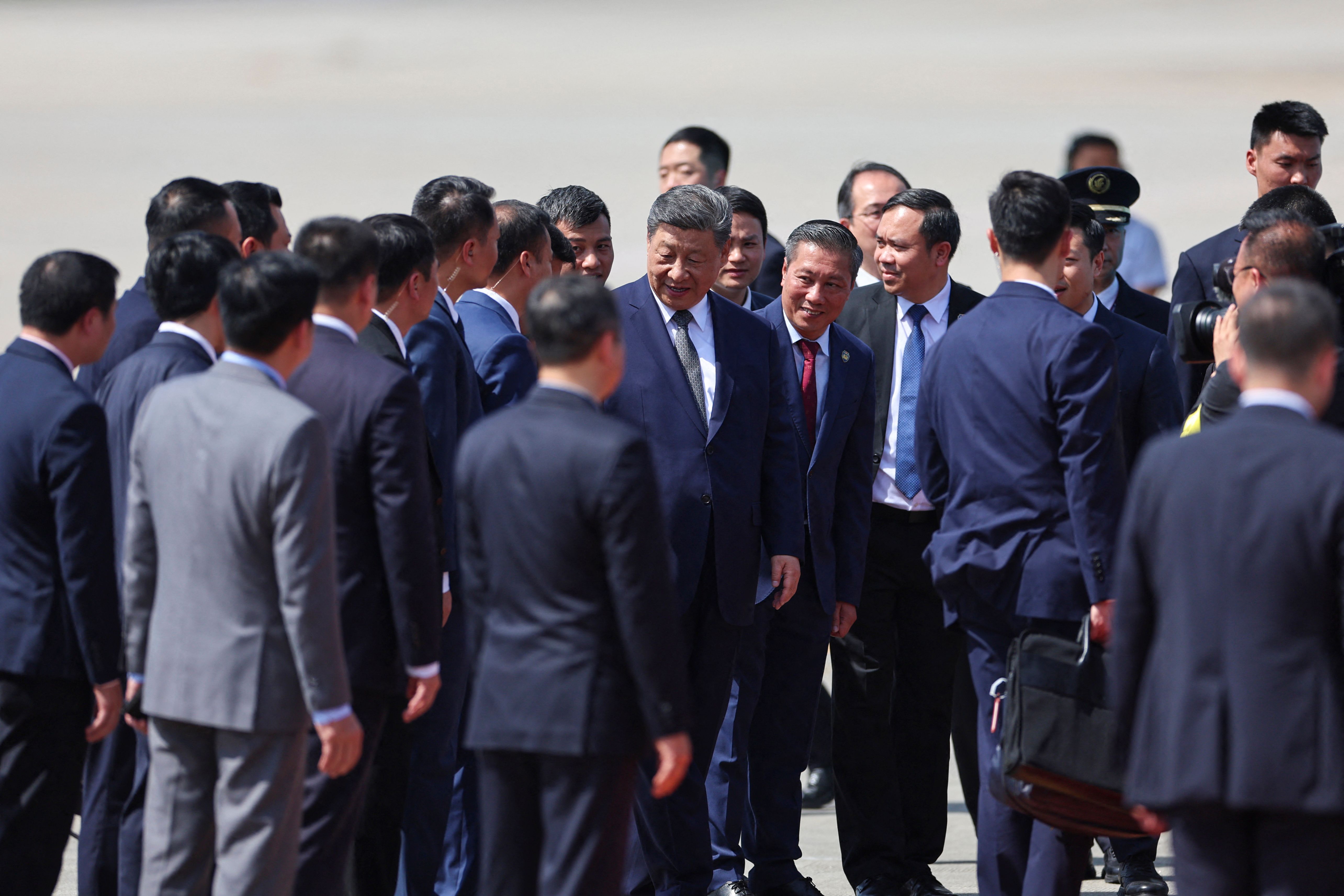
Tapping our network of China experts in the region, Carnegie China offers this latest “China Through a Southeast Asian Lens” report to offer preliminary assessments of whether the U.S. effort to reshape the global trading order will lead countries in the region to tilt toward Beijing.



Selina Ho, Khin Khin Kyaw Kyee, Joseph Ching Velasco, …
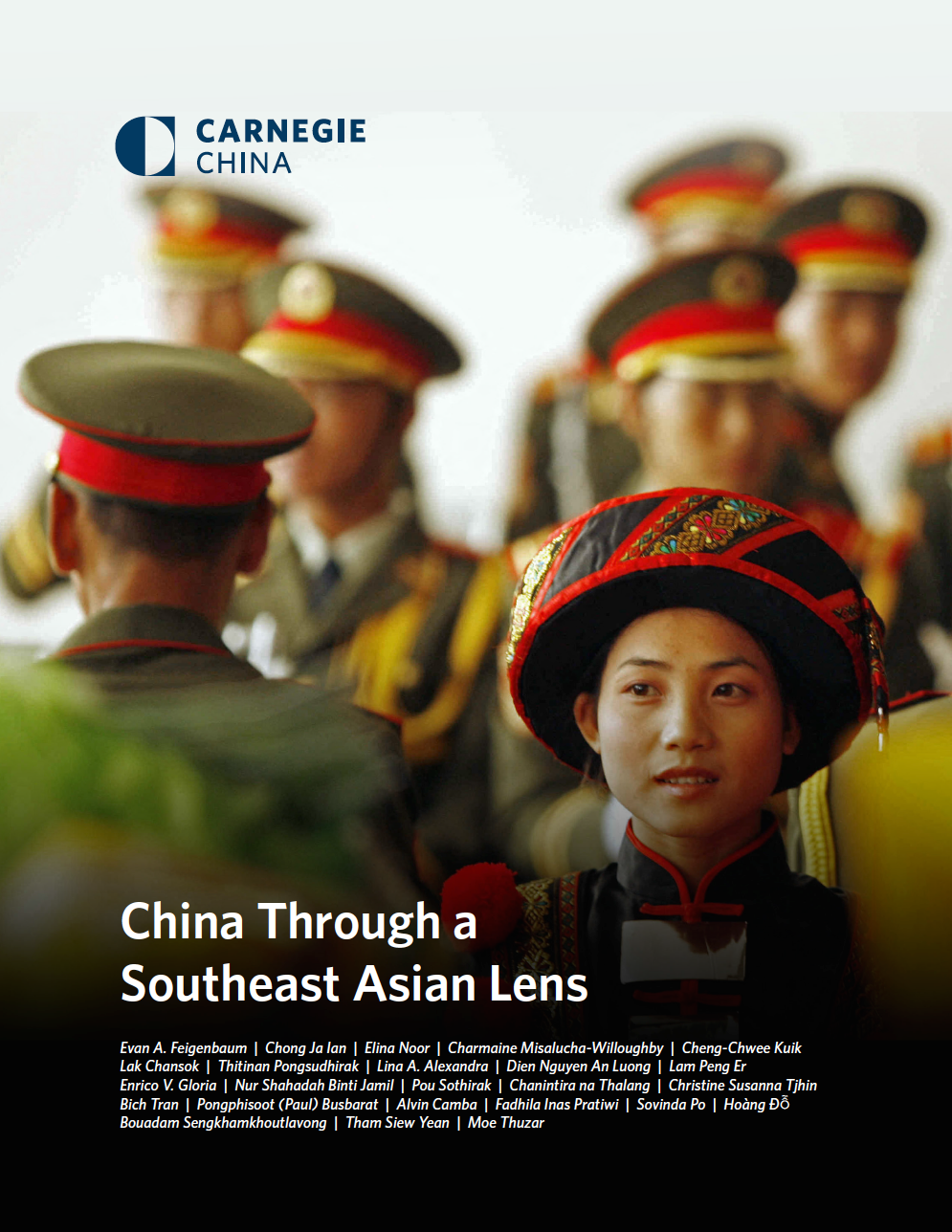
Because strategic, economic, and ideological perceptions of China contain multiple, sometimes contradictory facets in Southeast Asia, receptions of and responses to Beijing diverge across and within state lines.



Evan A. Feigenbaum, Chong Ja Ian, Elina Noor
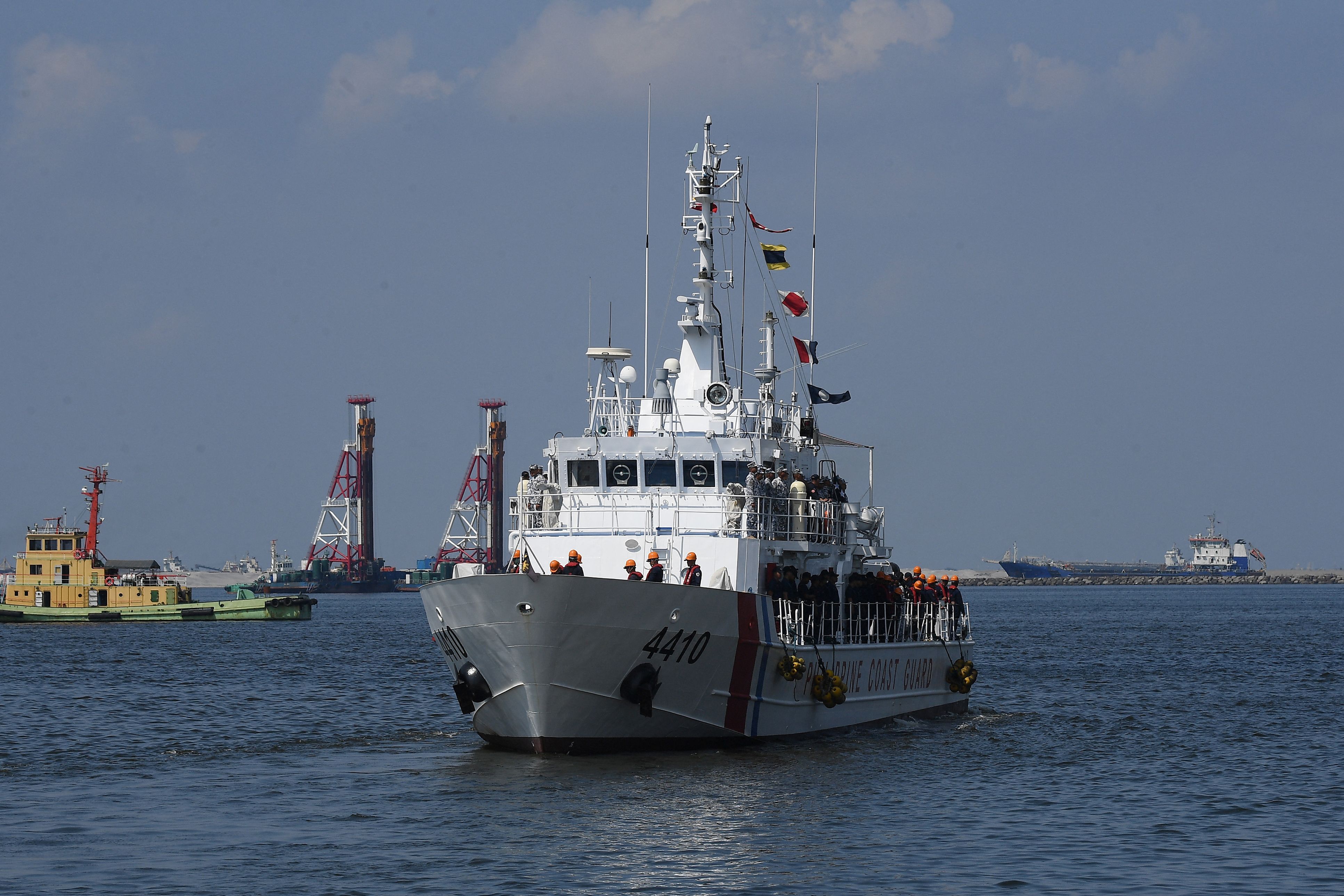
Most Southeast Asian states behave as if the actions of their Northeast Asian neighbors and the Philippines will be sufficient to maintain a regional status quo from which they can benefit.
Chong Ja Ian