

Commentary
ASEAN needs to determine how to balance perpetuating the benefits of technology cooperation with China while mitigating the risks of getting caught in the crosshairs of U.S.-China gamesmanship.
Elina Noor
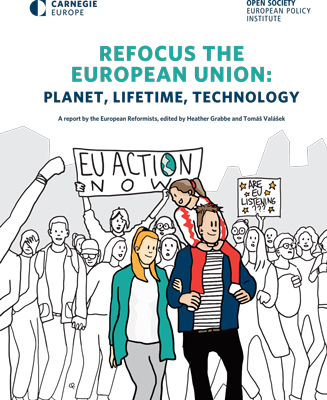
This report is a rallying cry for Europeans to pull together and mobilize the EU’s assets to manage the three biggest changes of our times.
This report is a rallying cry for Europeans to pull together and mobilize the EU’s assets to manage the three biggest changes of our times. Each section briefly diagnoses the consequences of climate change, aging populations, and digital revolutions and then explores the role the EU could play in supporting the inevitable transitions. The purpose is not to provide a detailed blueprint for each transition, but rather to launch a new kind of debate about the EU—a debate that does not revolve around how to tweak the current institutions but instead how to address a reordered set of priorities.
The insights and recommendations presented draw on ideas and analysis that emerged from a series of discussions between a group of Europeans with innovative ideas and a pro-reform mindset. This group, referred to as the European Reformists, was brought together by the Open Society European Policy Institute and Carnegie Europe between October 2017 and December 2018 to discuss the continent’s biggest challenges over the next fifteen years.
These challenges are not necessarily new, and the EU has started work on most of them. But much faster and more radical action is essential to avoid massive social, economic, and political disruption. The time is now ripe for two reasons. First, there is a renewed political appetite for a positive vision in which the EU provides solutions to people’s worries.1 Second, there is no time to waste.

Former Director, Carnegie Europe
Valášek was director of Carnegie Europe and a senior fellow, where his research focused on security and defense, transatlantic relations, and Europe’s Eastern neighborhood.
Heather Grabbe
Grabbe is director of the Open Society European Policy Institute.
Carnegie does not take institutional positions on public policy issues; the views represented herein are those of the author(s) and do not necessarily reflect the views of Carnegie, its staff, or its trustees.

ASEAN needs to determine how to balance perpetuating the benefits of technology cooperation with China while mitigating the risks of getting caught in the crosshairs of U.S.-China gamesmanship.

Elina Noor
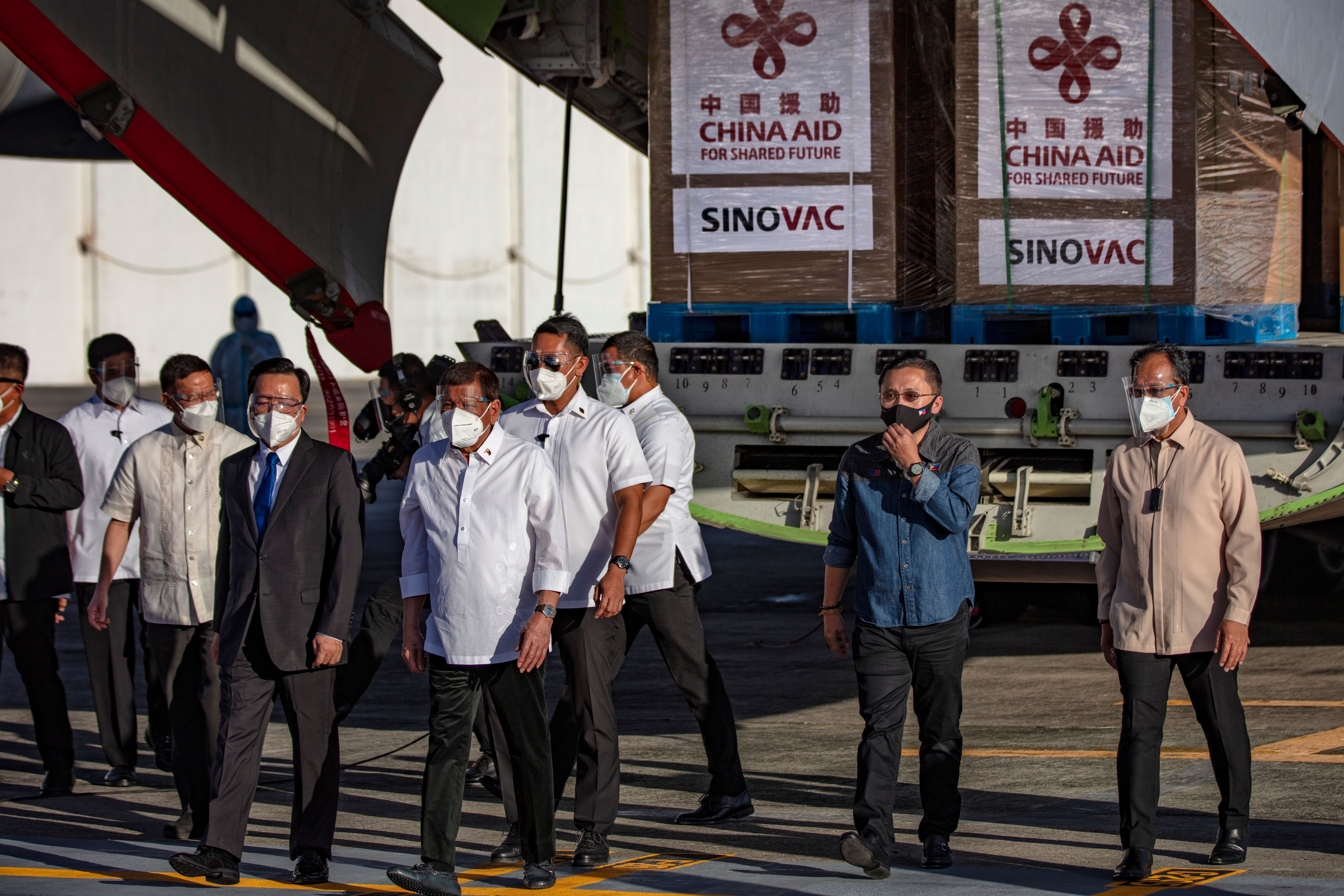
As tech competition moves into the biotech sector, China is increasingly shifting its focus to nearby regions to alleviate U.S.-induced supply chain pressures. As part of this transition, Southeast Asia has emerged as a favored destination.

Xue Gong

Ignoring the problems of its historical precedents won’t make China’s success any more likely.

Michael Pettis
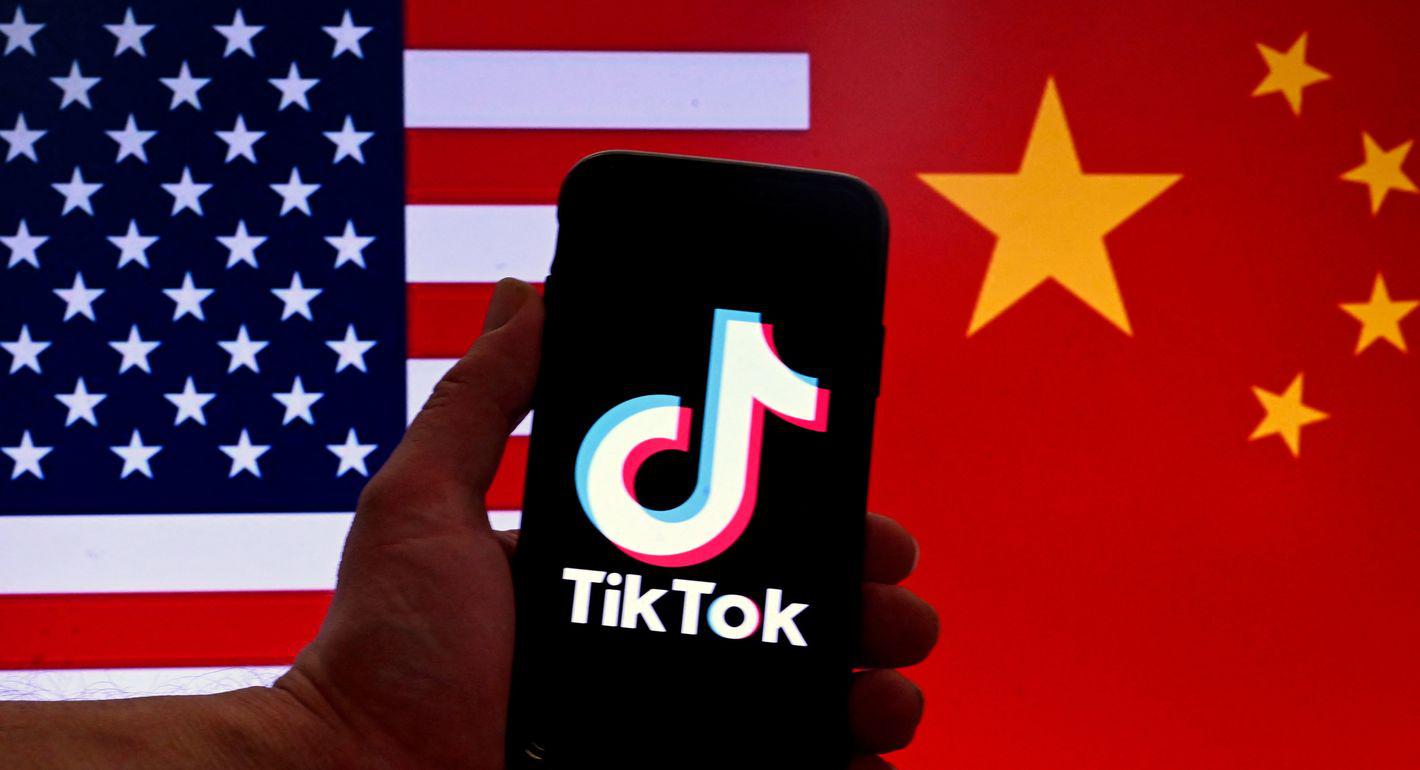
Beijing’s reaction to Washington’s proposed ban on TikTok could manifest in three distinct scenarios.


Xing Jiaying, Li Mingjiang
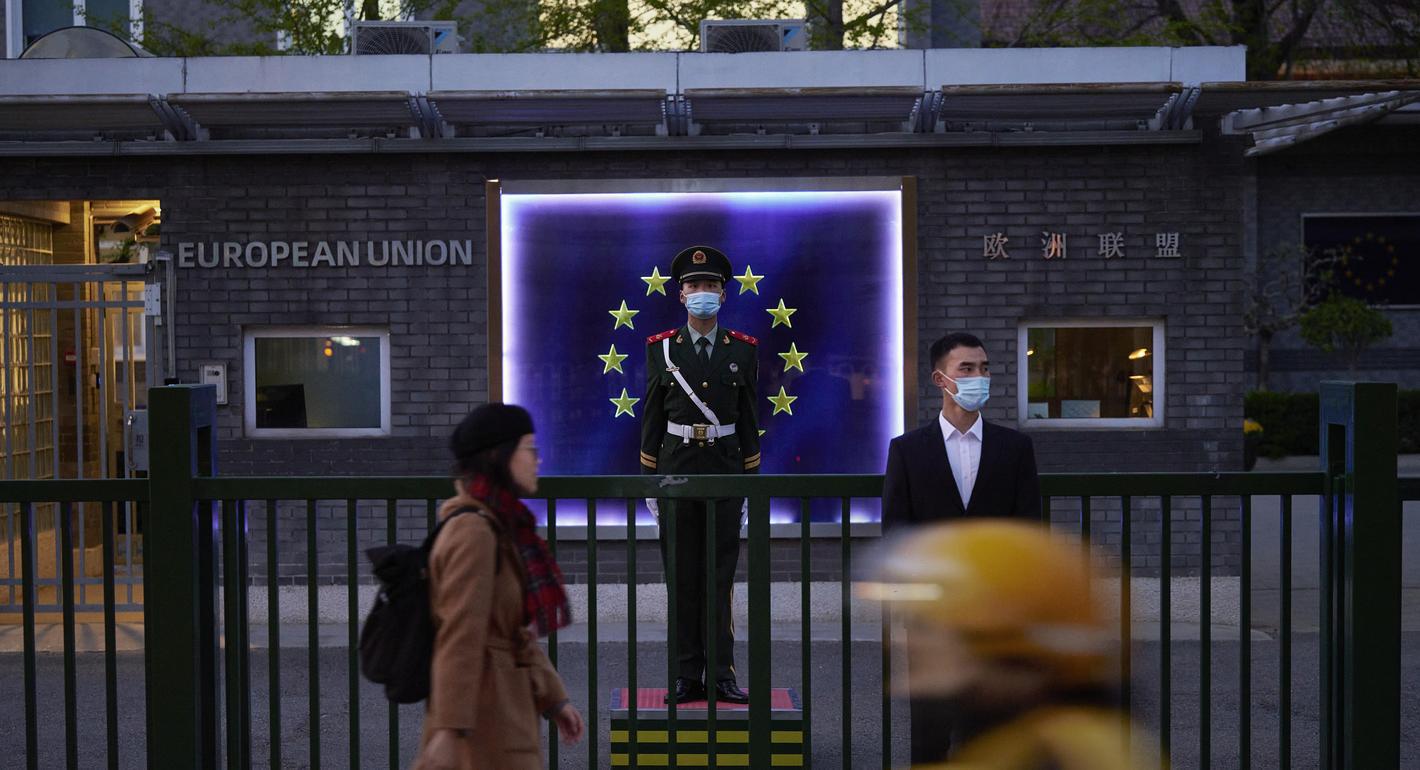
The Russian invasion of Ukraine is a turning point in the EU-China relationship, and evolution of the China-Russia relationship will continue to impact EU-China relations.


Yifan Ding, Alice Ekman