

Commentary
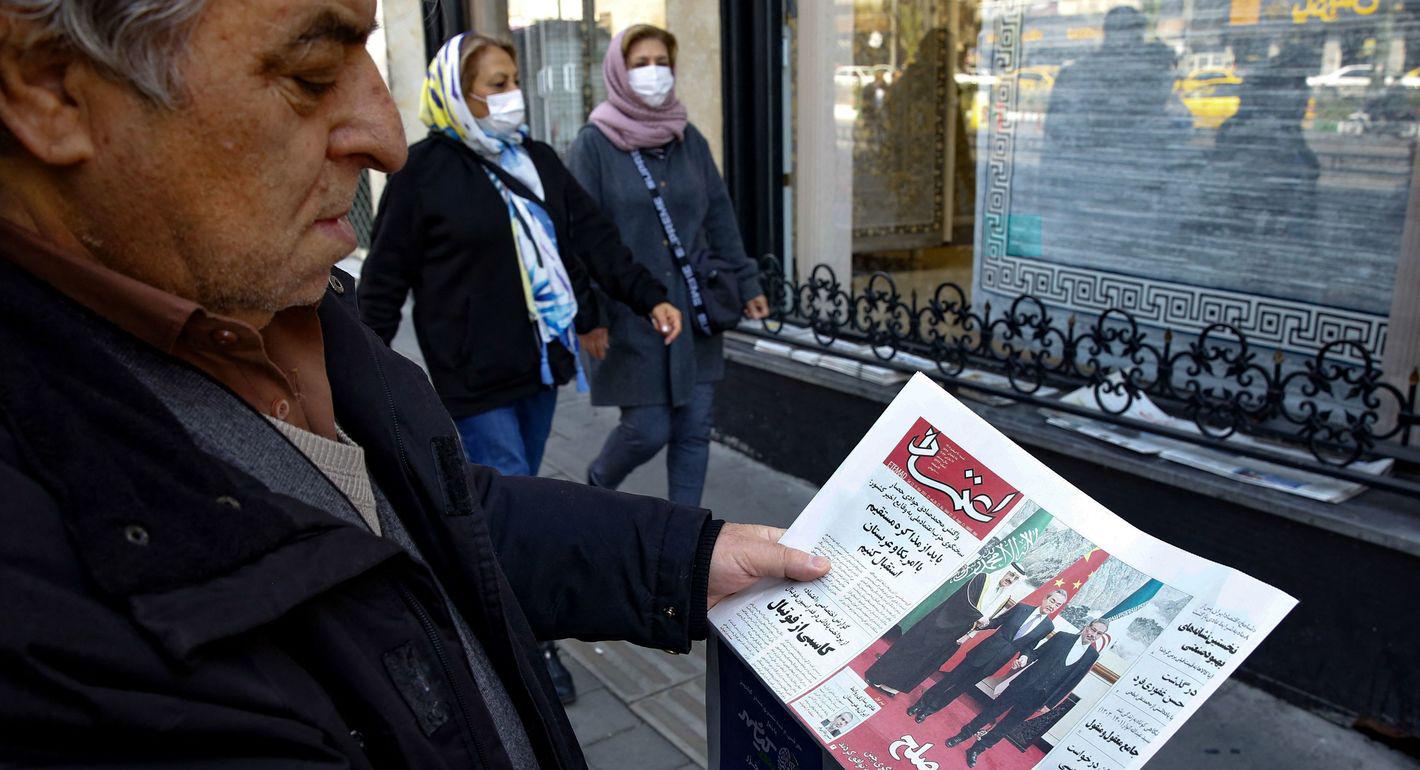
Transactional relationships are stable but can be shallow.
- +1
Paul Haenle, Maha Yahya, Benjamin Ho, …
{
  "authors": [],
  "type": "pressRelease",
  "centerAffiliationAll": "",
  "centers": [
    "Carnegie Endowment for International Peace"
  ],
  "collections": [],
  "englishNewsletterAll": "",
  "nonEnglishNewsletterAll": "",
  "primaryCenter": "Carnegie Endowment for International Peace",
  "programAffiliation": "",
  "programs": [
    "Middle East"
  ],
  "projects": [],
  "regions": [
    "North Africa",
    "Egypt",
    "Algeria",
    "Morocco",
    "Bahrain",
    "Saudi Arabia",
    "Yemen"
  ],
  "topics": [
    "Political Reform"
  ]
}
REQUIRED IMAGE
Despite passing considerable economic and social reforms Arab regimes continue to avoid substantive political reforms that would jeopardize their own power. Reformers in ruling establishments recognize the need for change to increase economic competitiveness, but the preferred process of “managed reform” is leading to further political stagnation.
WASHINGTON, Dec 12— Despite passing considerable economic and social reforms Arab regimes continue to avoid substantive political reforms that would jeopardize their own power. Reformers in ruling establishments recognize the need for change to increase economic competitiveness, but the preferred process of “managed reform” is leading to further political stagnation, says a new paper from the Carnegie Endowment for International Peace.
In Incumbent Regimes and the “King's Dilemma” in the Arab World: Promise and Threat of Managed Reform, Carnegie Senior Associates Marina Ottaway and Michele Dunne argue that emerging, reform-minded leaders in Arab nations face a dilemma—globalization and better public access to information are prompting calls for modernization, yet history shows that even limited reforms introduced from the top often increase, rather than decrease, bottom-up demand for more radical change, as in the case of the Iranian revolution. To contend with this threat, Arab regimes are attempting to control the process of change through “managed reforms”: the introduction of formal, institutional reform without the transfer of real power (Bahrain and Egypt); substantive improvements in citizens' rights without institutional reform (Morocco); or the limited participation of legitimate opposition groups (Yemen and Algeria).
Key Conclusions:
“The evidence so far is that the top-down process is having very little effect, making at best a marginal difference on specific issues but not leading to the redistribution of power that a true process of democratization and even liberalization would entail. For domestic advocates of managed reform and for outsiders seeking to promote change alike, the lesson appears to be that political reform can never be risk free: Too much close management perpetuates authoritarianism, and unmanaged processes have unpredictable outcomes.”
###
NOTES
Carnegie does not take institutional positions on public policy issues; the views represented herein are those of the author(s) and do not necessarily reflect the views of Carnegie, its staff, or its trustees.
Transactional relationships are stable but can be shallow.

Paul Haenle, Maha Yahya, Benjamin Ho, …

It’s about managing oil prices, bread prices, and strategic partnerships.

Amr Hamzawy, Karim Sadjadpour, Aaron David Miller, …

The murder of George Floyd has underscored the deep inequities that have long plagued American society. In a note to the Carnegie community, Bill Burns reflects on Carnegie’s commitment to build a more just future here at home and around the world, without which peace will remain beyond our grasp.
William J. Burns

While the world hoped this pandemic might lead to more cooperation between these two great powers, American and Chinese leaders instead fell into a blame game and allowed their increasing suspicions to guide their decision-making.
Lyu Jinghua

Biological viruses and computer malware differ in important respects. They have considerable potential to spread widely, invading, disrupting and destroying their targets.

Ariel (Eli) Levite, Lyu Jinghua