

Commentary
The advantage that China has over other global powers, especially America, is that its foreign policy is closely aligned with those of many of the Middle Eastern countries.
Jin Liangxiang, Maha Yahya, Hesham Alghannam
{
  "authors": [],
  "type": "pressRelease",
  "centerAffiliationAll": "",
  "centers": [
    "Carnegie Endowment for International Peace"
  ],
  "collections": [],
  "englishNewsletterAll": "",
  "nonEnglishNewsletterAll": "",
  "primaryCenter": "Carnegie Endowment for International Peace",
  "programAffiliation": "",
  "programs": [
    "Middle East"
  ],
  "projects": [],
  "regions": [
    "Middle East",
    "Israel",
    "Lebanon",
    "Palestine",
    "Syria",
    "Western Europe"
  ],
  "topics": []
}
REQUIRED IMAGE
Although Europe actively tries to manage Middle East crises, it undermines its economic, political, and security interests by assuming a secondary role to the United States and following its policy line.
BEIRUT, Mar 5—Although Europe actively tries to manage Middle East crises, it undermines its economic, political, and security interests by assuming a secondary role to the United States and following its policy line. For the EU to be an effective player in the Middle East peace process, it must pursue greater political engagement on three tracks: the Palestinian territories, Syria, and Lebanon, concludes a new paper by the Carnegie Middle East Center.
Drawing on interviews with EU delegations and European embassies as well as a wealth of local actors in Lebanon, Syria, and the Palestinian territories, Muriel Asseburg assesses Europe’s on-the-ground efforts in conflict management and recommends a more effective European approach to the Arab–Israeli conflict.
Key Conclusions:
Asseburg concludes:
“It is time for Europeans to rethink their policy approaches, refocus their activities, and seek a more effective coordination and division of labor with the new U.S. administration. Not only are intensified efforts needed to reinvigorate the Israeli–Palestinian negotiations, Europeans should also stand ready to help advance the other tracks of the peace process. In the end, for Europeans, it is not about claiming a role as a ‘player,’ but about assuming that role and engaging in politics.”
###
NOTES
Carnegie does not take institutional positions on public policy issues; the views represented herein are those of the author(s) and do not necessarily reflect the views of Carnegie, its staff, or its trustees.
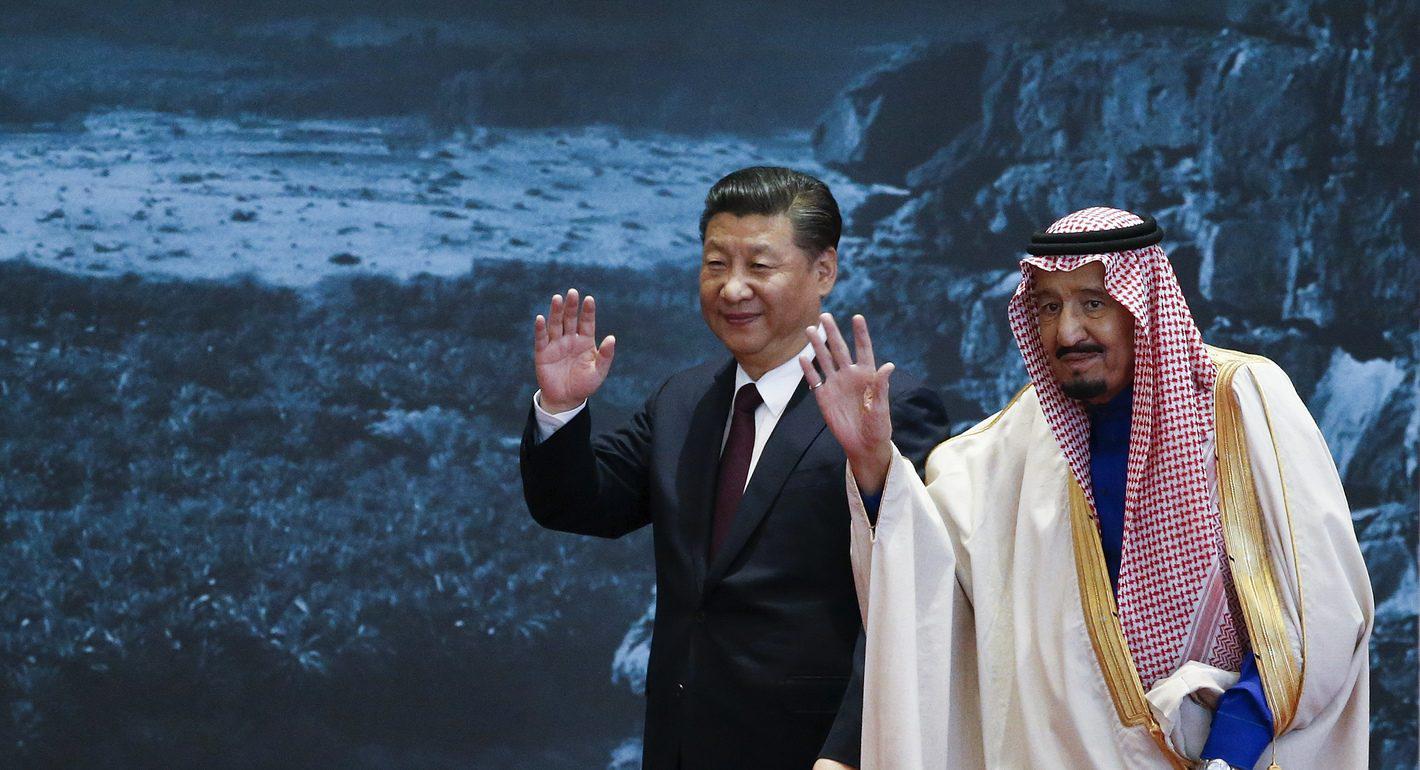
The advantage that China has over other global powers, especially America, is that its foreign policy is closely aligned with those of many of the Middle Eastern countries.
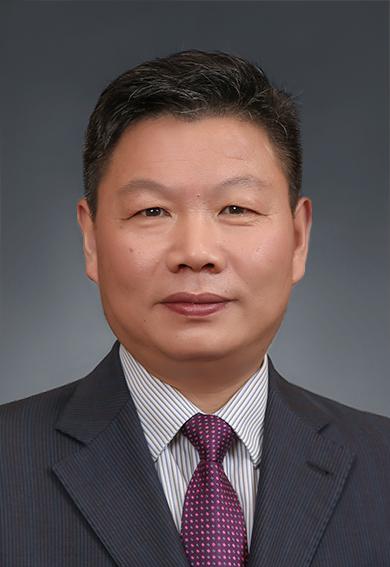
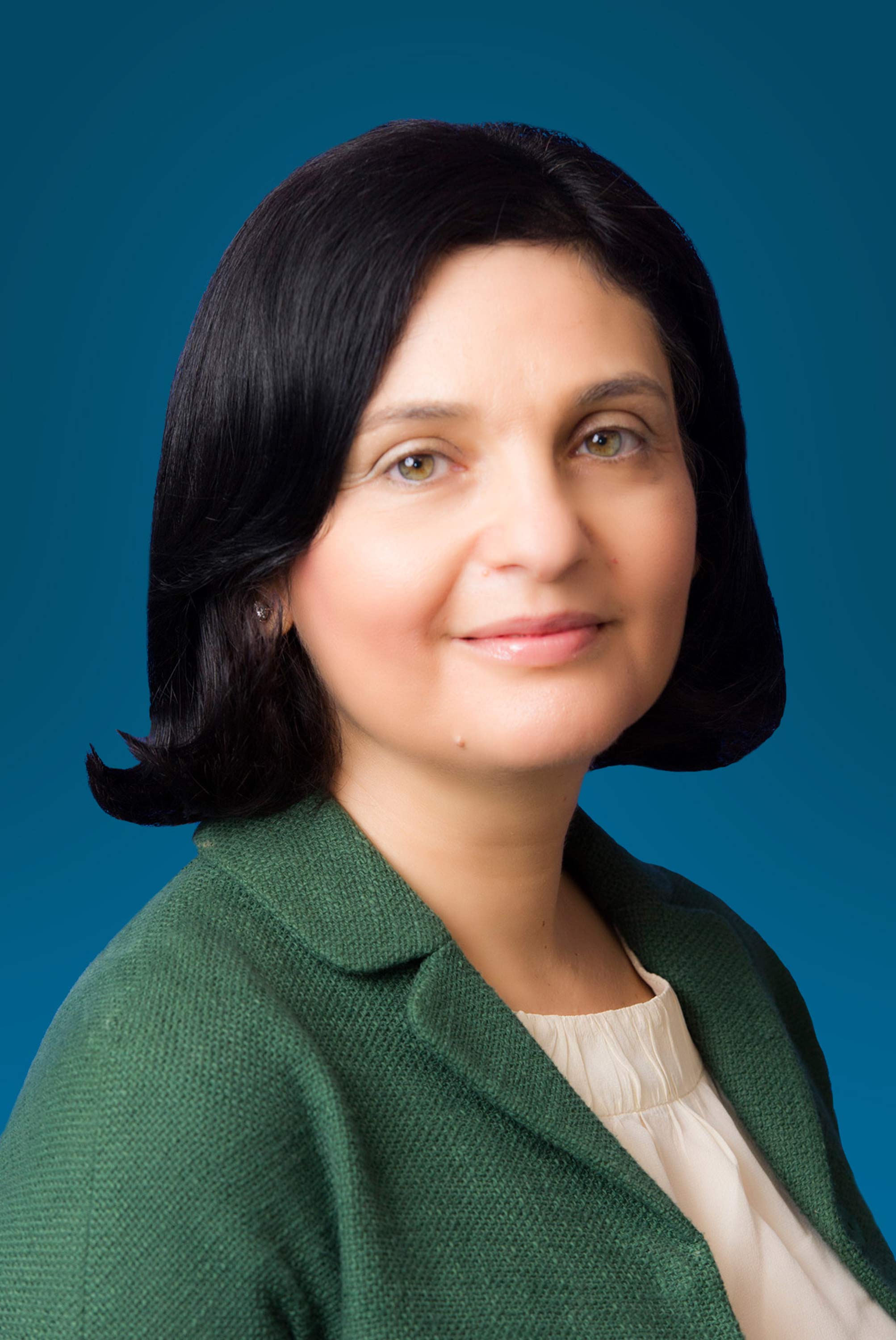
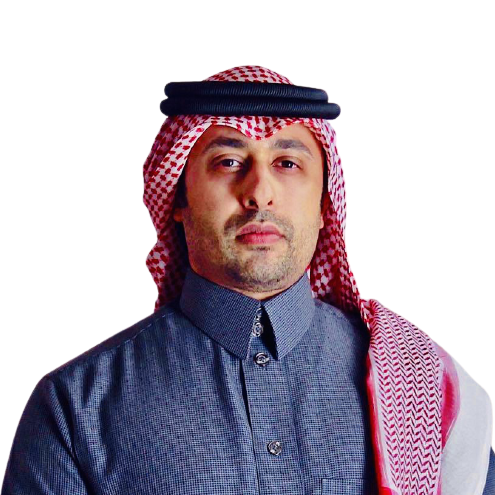
Jin Liangxiang, Maha Yahya, Hesham Alghannam
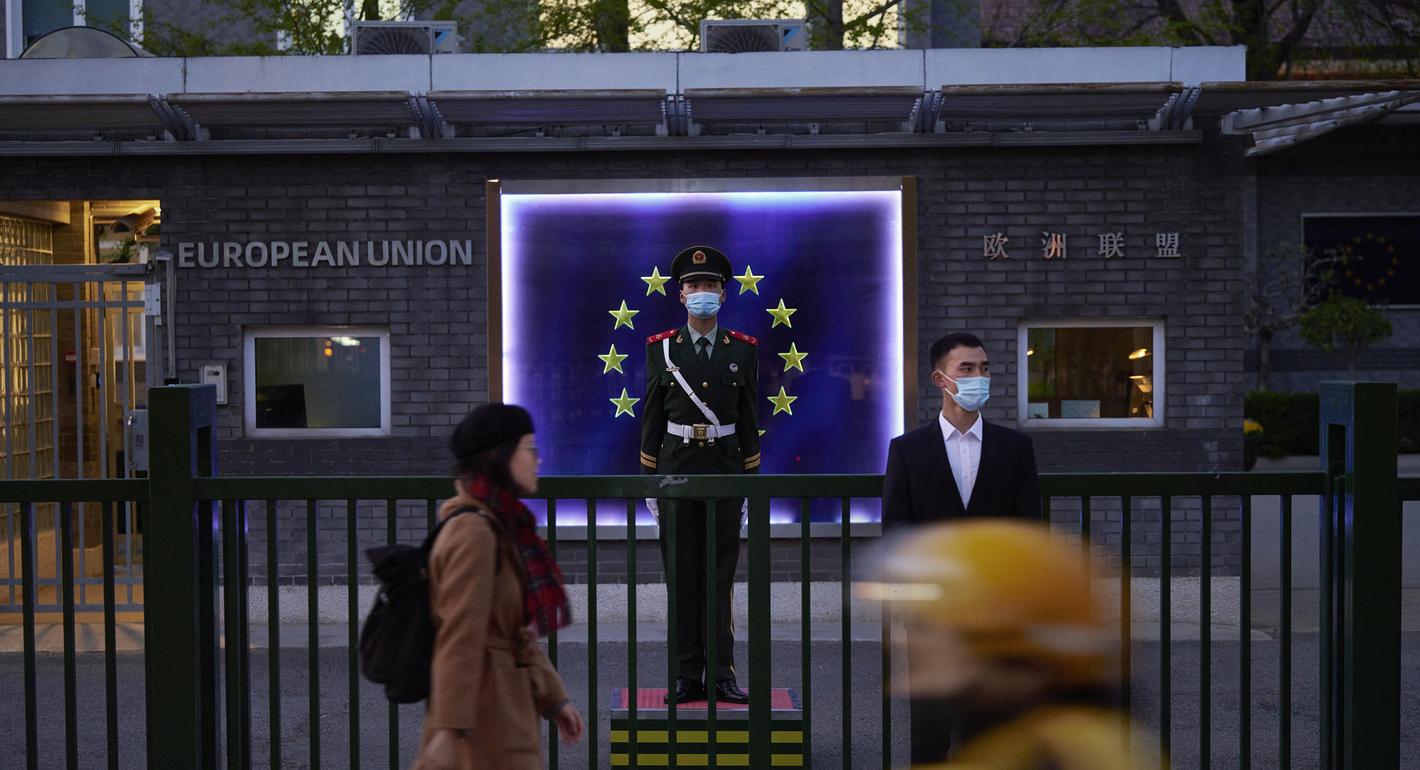
The Russian invasion of Ukraine is a turning point in the EU-China relationship, and evolution of the China-Russia relationship will continue to impact EU-China relations.
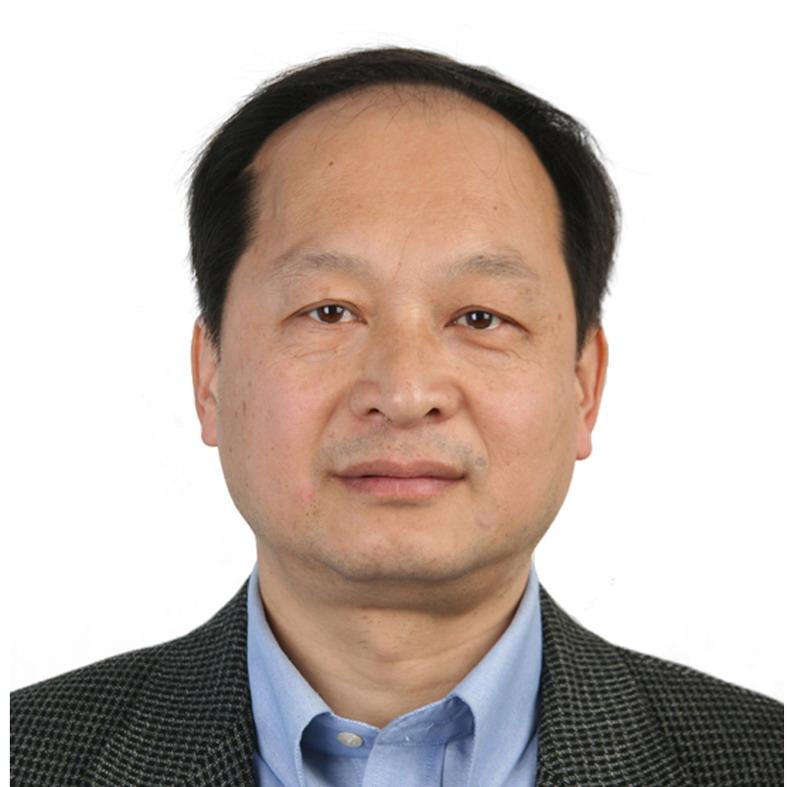
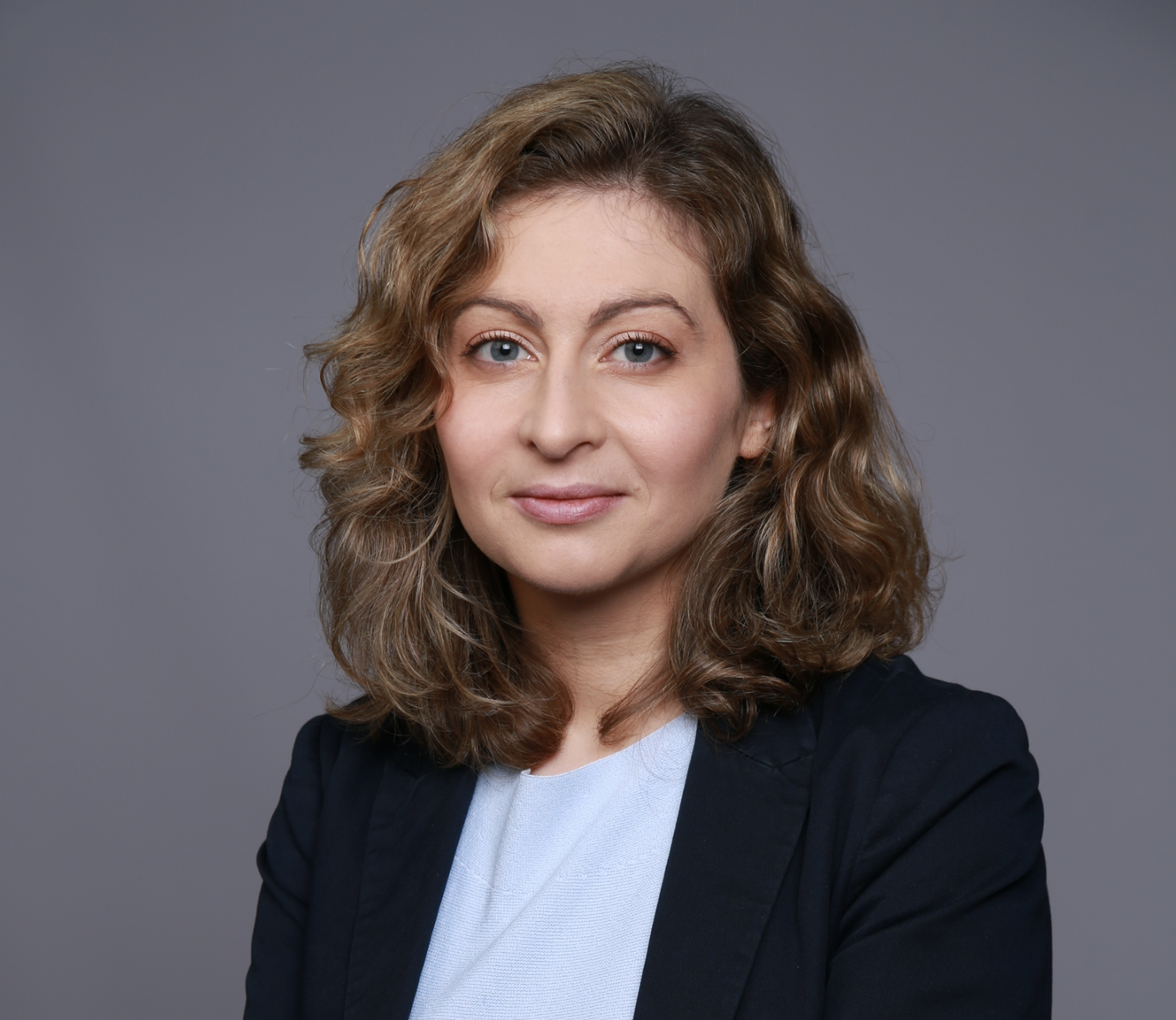
Yifan Ding, Alice Ekman
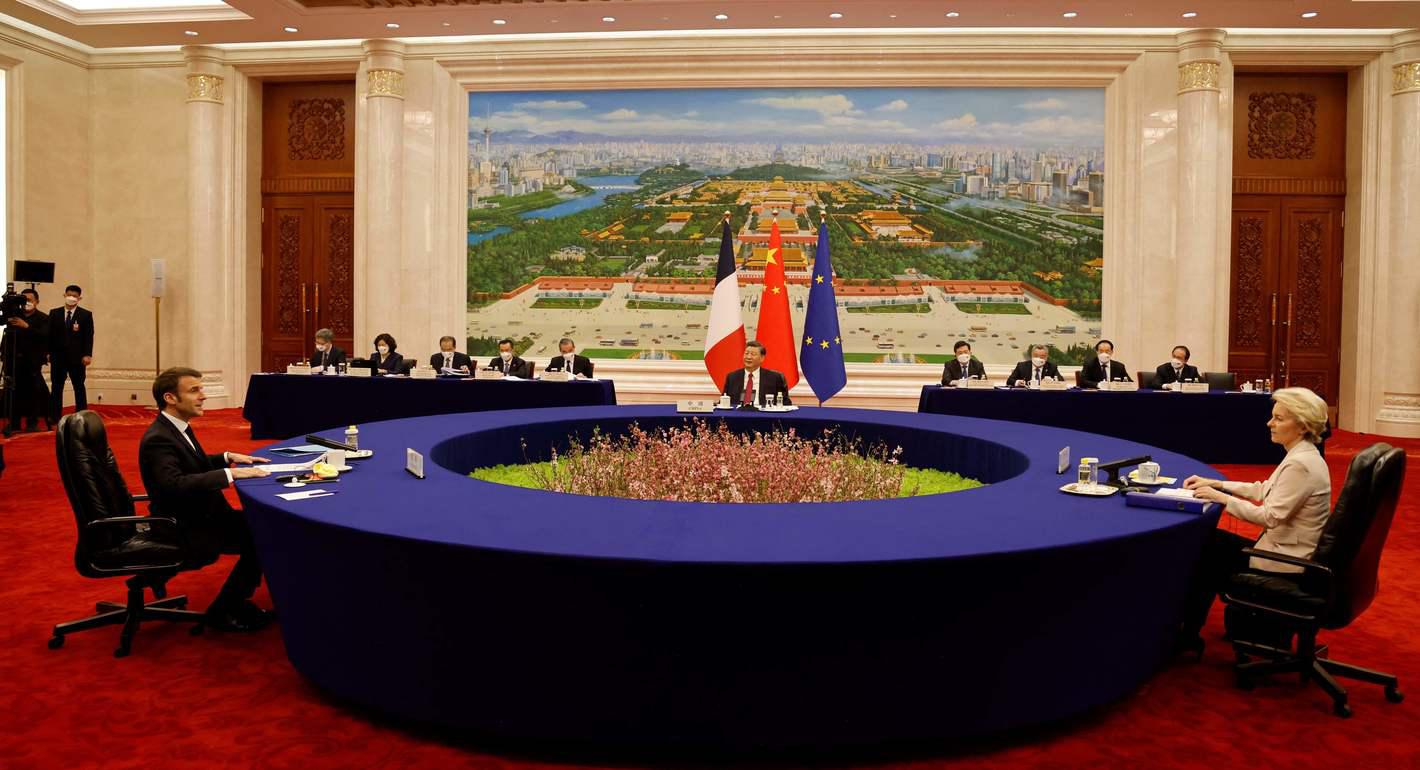
Recent visits by European officials highlight the EU’s lack of internal cohesion.

Paul Haenle, Chan Heng Chee, Liu Yawei, …
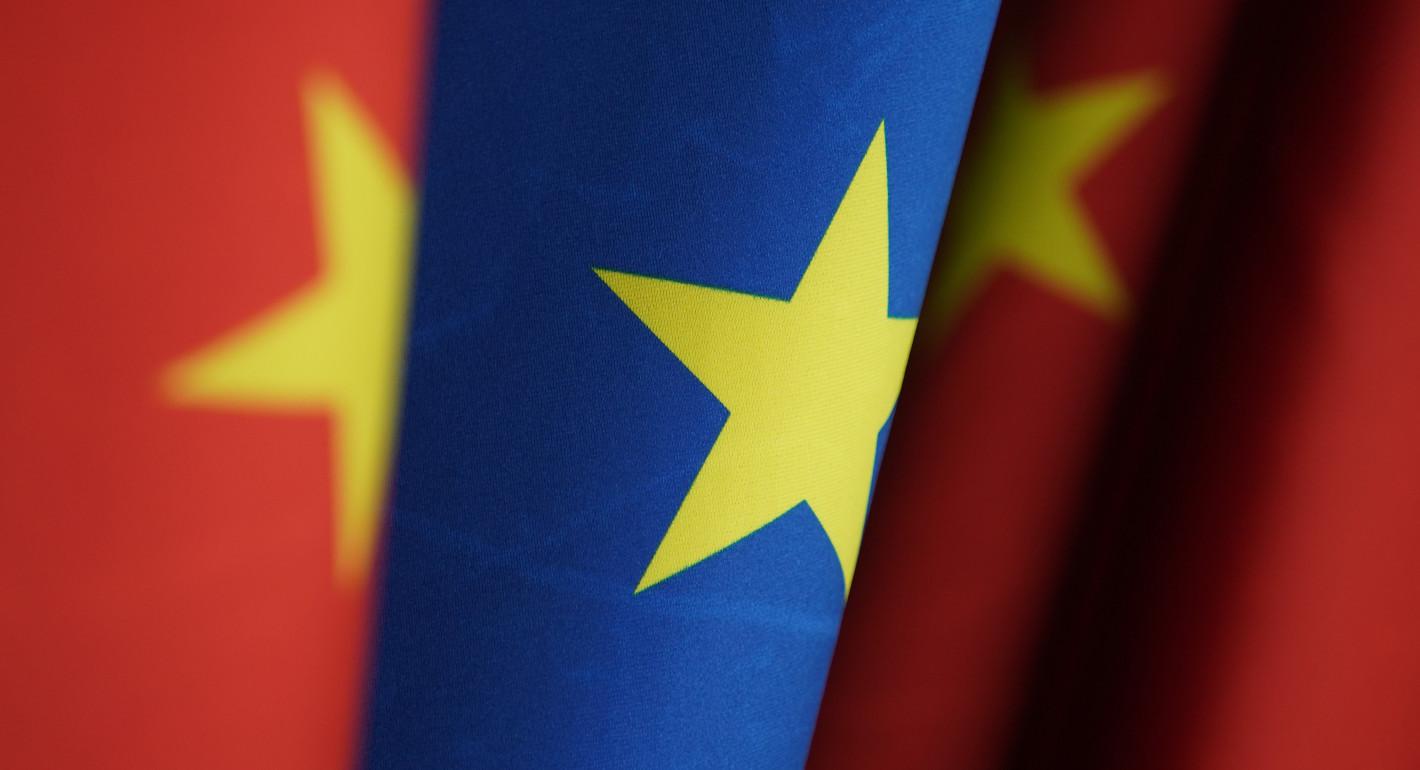
“It’s not so clear how we’re going to get out of this.”
Paul Haenle, Philippe Le Corre
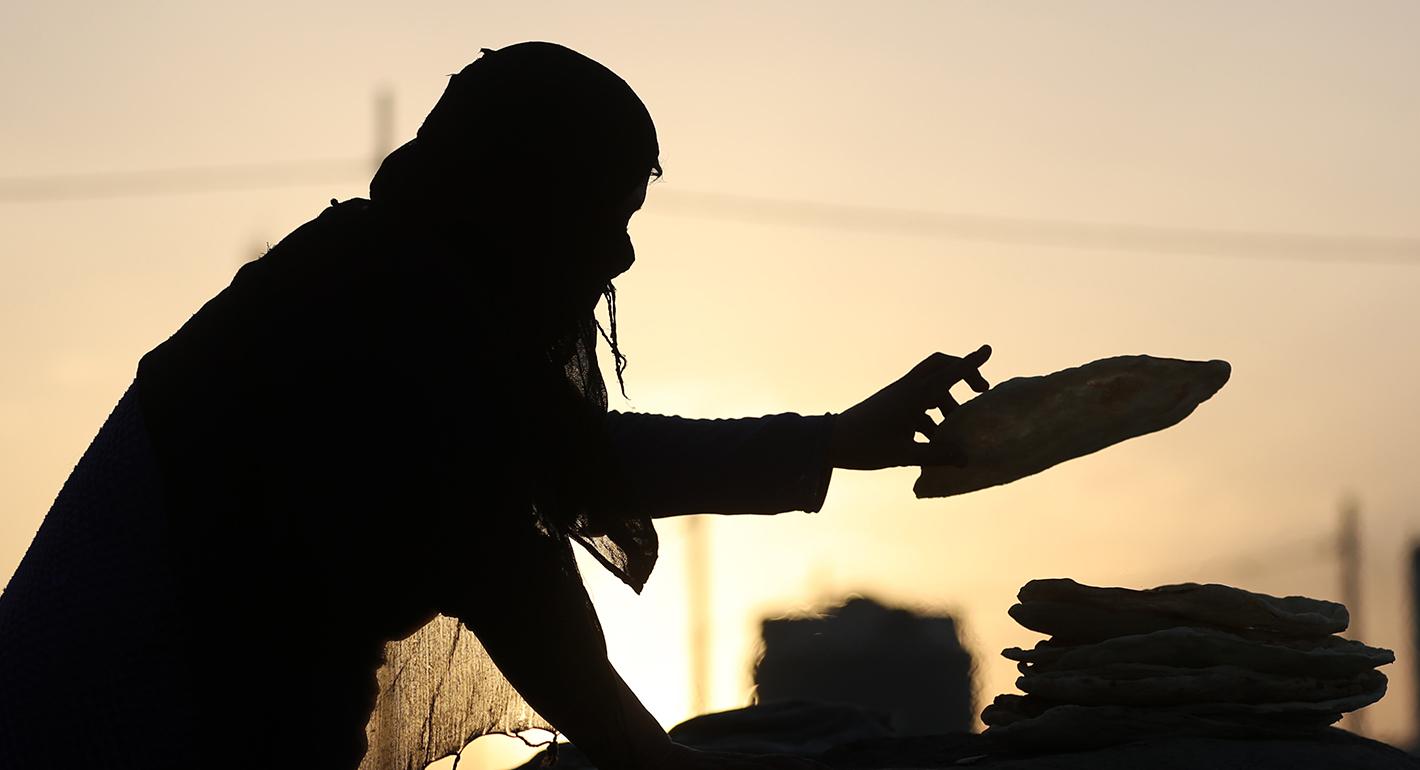
It’s about managing oil prices, bread prices, and strategic partnerships.
Amr Hamzawy, Karim Sadjadpour, Aaron David Miller, …