

Commentary
The Russian invasion of Ukraine is a turning point in the EU-China relationship, and evolution of the China-Russia relationship will continue to impact EU-China relations.
Yifan Ding, Alice Ekman
{
  "authors": [
    "Balázs Jarábik",
    "Matthew Rojansky"
  ],
  "type": "legacyinthemedia",
  "centerAffiliationAll": "dc",
  "centers": [
    "Carnegie Endowment for International Peace",
    "Carnegie Europe",
    "Carnegie Russia Eurasia Center"
  ],
  "collections": [],
  "englishNewsletterAll": "ctw",
  "nonEnglishNewsletterAll": "",
  "primaryCenter": "Carnegie Endowment for International Peace",
  "programAffiliation": "russia",
  "programs": [
    "Russia and Eurasia"
  ],
  "projects": [],
  "regions": [
    "Eastern Europe",
    "Belarus",
    "Europe"
  ],
  "topics": [
    "Political Reform"
  ]
}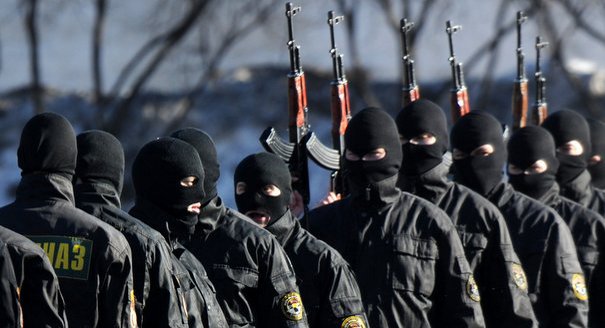
Source: Getty
If the West responds to the recent violent crackdown in Belarus by isolating the country's people and cutting off all dialogue with the authorities in Minsk, it misses the chance to empower more forward-looking elements in Belarusian society and within the ruling regime.
Source: European Voice

But events are moving much faster than explanations – after months of promising pre-election reform, strong interest in re-engagement and normalisation from both sides, and an election that was in many respects freer than past contests, there has been no satisfying explanation for why the Belarus authorities changed course. More than anything, the events of the past month illustrate a persistent gap in understanding between Minsk and the West.
From Minsk's perspective, totally free and fair elections were never promised. Rather, probably in response to a significant offer of economic assistance from Europe, and with guidance from the Organisation for Security and Co-operation in Europe (OSCE), President Alyaksandr Lukashenka agreed to liberalise the pre-election environment to enable a more robust debate driven by legally sanctioned opposition candidates. During the campaign, opposition figures were permitted to criticise the government on state television, and in public meetings. Although these minimal reforms did foster a kind of awakening of civil society and may have encouraged some voters to speak out with their support for the opposition, few could have expected Lukashenka to permit a result other than his own decisive victory.
The brutal crackdown that followed the election, including the arrests of some 600 protesters and opposition leaders, demands a strong response from the West. The immediate priority must be to secure the release of these prisoners and guarantee their continued safety. In this respect, Western capitals' strong condemnations of the arrests and calls for the prisoners' immediate release have been entirely appropriate. Certainly, no further incentives for Minsk should be forthcoming until this urgent issue is resolved.
At the same time, it is wrong to presume that Minsk has entirely rejected rapprochement with the West in favour of dependence on Moscow. After all, despite a deal on Russian energy exports to Belarus before the elections, Minsk is well aware of the dangers of too close a relationship with its massive neighbour: Moscow could always turn off the energy tap in the depths of winter; Russian oligarchs aspire to snap up privatised Belarusian companies; and the soon-to-be operational Nord Stream gas pipeline and the Baltic Pipe System-2 (BTS) oil terminal near St Petersburg are designed specifically to decrease the importance of Belarus as a transit state for Russian energy deliveries to the EU. In short, Minsk will soon urgently need to increase its room for manoeuvre, not decrease it by alienating potential Western partners.
If the Belarus authorities' behaviour does not make sense, perhaps that is because there are competing actors and agendas within Lukashenka's ruling circle. For the siloviki – the security services – the post-election crackdown may have been simply a message for domestic oppositionists and their international backers that despite the pre-election liberalisation, the old guard still determines the boundaries of what is acceptable. And it may also have been intended to undermine the reform process. Like radicals within the opposition camp, this faction of the elite stands to lose heavily in the case of successful reconciliation between Belarus and the West, especially if further reform strengthens their more moderate rivals within the government.
On the other side, some members of the government, such as Mikhail Myasnikovich, the new prime minister, have a strong interest in Belarus' economic future, especially managing a successful privatisation process to keep the state treasury afloat, to reduce crippling dependence on Moscow and vulnerability to rapacious Russian oligarchs, and to support their own private business interests. Lukashenka's latest decree (no. 4, 12/31/10) on removing barriers for business development suggests this camp has significant sway, even after the post-election fallout. While the vast majority of the ruling circle recognise the need for Belarus to maintain an independent economic footing from Moscow, the old guard simply does not understand a future other than in Moscow's orbit.
So what are Western leaders to do? We know from experience that simply isolating the country as punishment for the regime's bad behaviour is unlikely to change anything for the better, and will more likely force Minsk to abandon lingering interest in re-engagement and normalisation, along with any willingness to resuscitate reform. Years of isolation have already limited mutual understanding, including on the part of average Belarusians, and have strangled the ability of citizens on both sides to communicate.
Poland has been wise to match its strong and swift condemnation of the post-election violence with a broad-based ‘open door' policy to the Belarusian people, including eliminating fees for entry visas, expanding support for independent media and non-governmental organisations, and opening Polish universities to Belarusian students. Other governments in the region should adopt complementary policies. Continued engagement with the people of Belarus is essential.
But it would be a mistake for Western governments to cut off dialogue entirely with the authorities in Minsk. As long as political prisoners are languishing in jail, the first priority should be to see them released and guarantee their safety. The West should also consider what comes next. We may never know for certain how the post-election violence began, but we can seek to minimise its destructive impact in the long term. A willingness to continue dialogue, once the prisoners are free and secure, is essential to provide Lukashenka with a face-saving option to return to the reform path, and empower more forward-looking elements within the ruling circle.
If the West is not able or willing to build up closer contacts with those parts of the regime still pushing for greater liberalisation, while opening its doors to average Belarusians and supporting pragmatic independent voices, it will isolate itself from the Belarus, not vice versa.

Political analyst, former Slovak diplomat, and consultant specializing in Eastern Europe

Former Deputy Director, Russia and Eurasia Program
Rojansky, formerly executive director of the Partnership for a Secure America, is an expert on U.S. and Russian national security and nuclear-weapon policies.
Carnegie does not take institutional positions on public policy issues; the views represented herein are those of the author(s) and do not necessarily reflect the views of Carnegie, its staff, or its trustees.
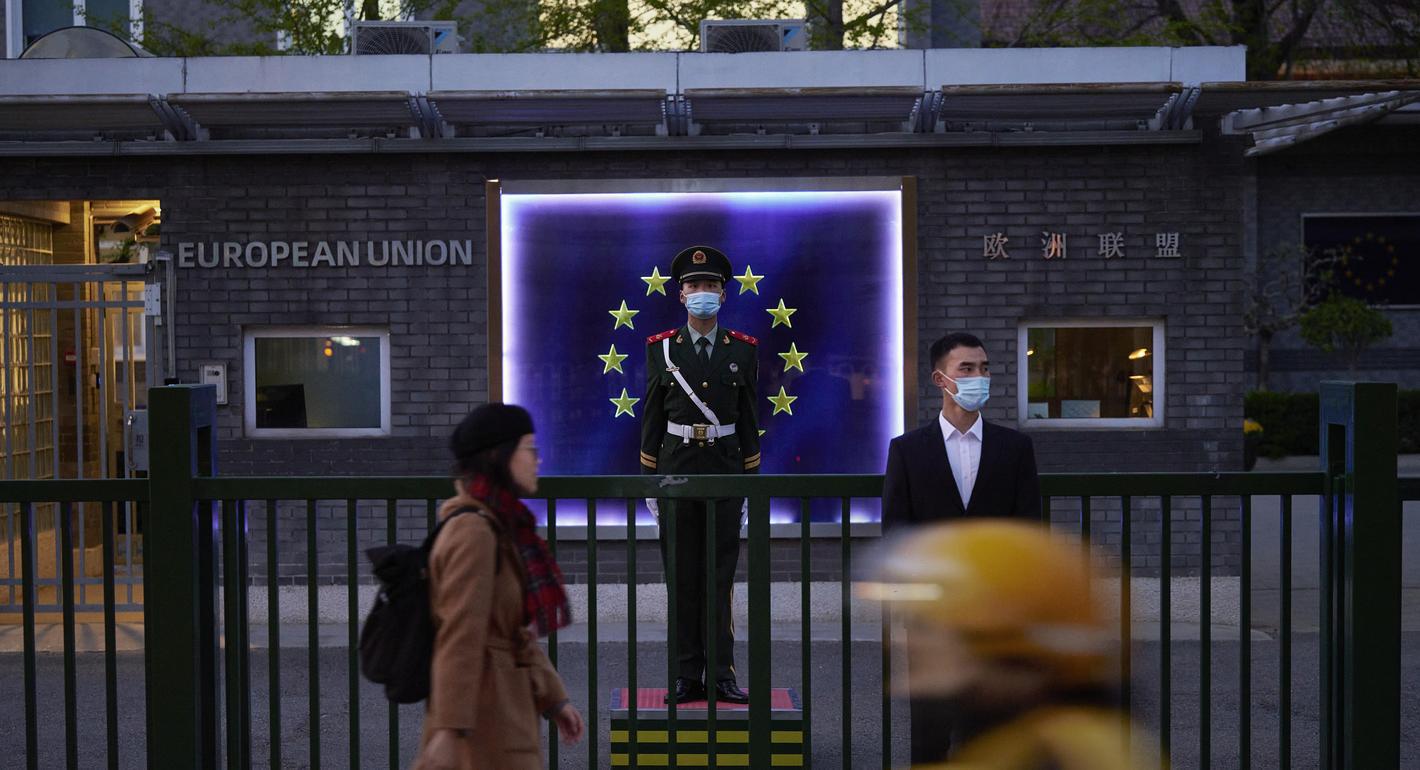
The Russian invasion of Ukraine is a turning point in the EU-China relationship, and evolution of the China-Russia relationship will continue to impact EU-China relations.


Yifan Ding, Alice Ekman

Transactional relationships are stable but can be shallow.



Paul Haenle, Maha Yahya, Benjamin Ho, …
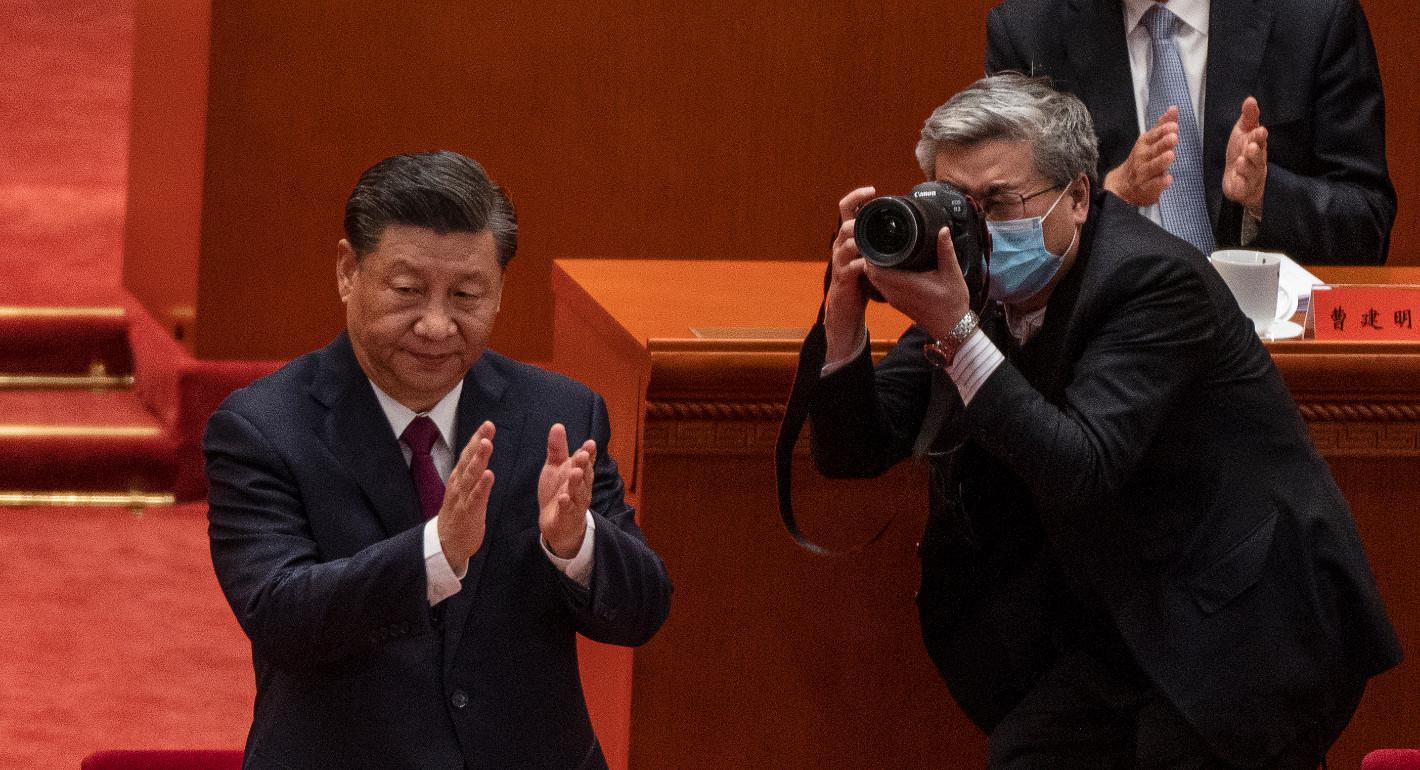
The war in Ukraine is increasing Beijing’s concern about Washington’s intentions.

Paul Haenle, Tong Zhao

It’s about managing oil prices, bread prices, and strategic partnerships.



Amr Hamzawy, Karim Sadjadpour, Aaron David Miller, …
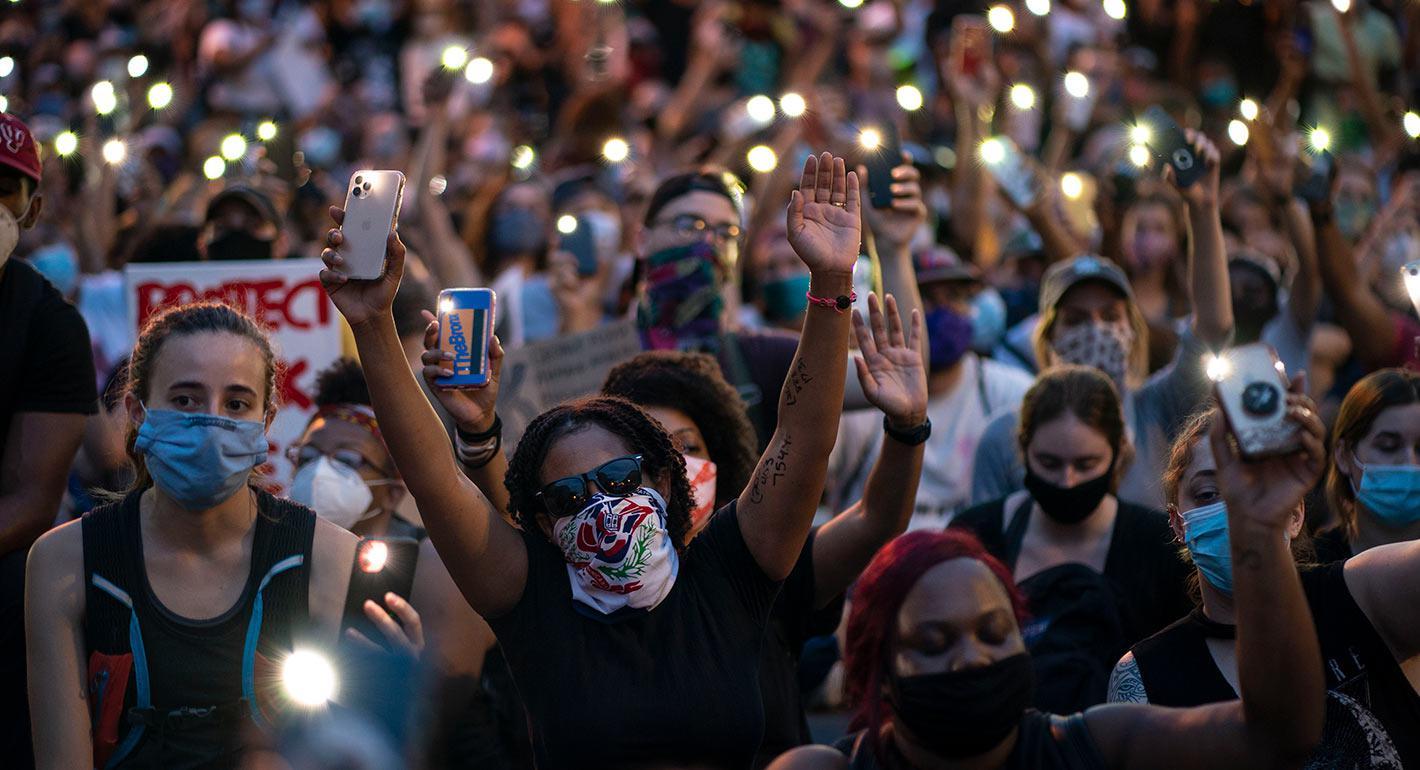
The murder of George Floyd has underscored the deep inequities that have long plagued American society. In a note to the Carnegie community, Bill Burns reflects on Carnegie’s commitment to build a more just future here at home and around the world, without which peace will remain beyond our grasp.

William J. Burns