

Commentary
Transactional relationships are stable but can be shallow.
- +1
Paul Haenle, Maha Yahya, Benjamin Ho, …
{
  "authors": [
    "Alexey Malashenko"
  ],
  "type": "legacyinthemedia",
  "centerAffiliationAll": "",
  "centers": [
    "Carnegie Endowment for International Peace",
    "Malcolm H. Kerr Carnegie Middle East Center",
    "Carnegie Russia Eurasia Center"
  ],
  "collections": [],
  "englishNewsletterAll": "",
  "nonEnglishNewsletterAll": "",
  "primaryCenter": "Carnegie Russia Eurasia Center",
  "programAffiliation": "",
  "programs": [],
  "projects": [
    "Eurasia in Transition"
  ],
  "regions": [
    "Egypt",
    "Gulf",
    "Levant",
    "Maghreb"
  ],
  "topics": []
}
Russia plays an extremely important role as mediator in the current Libyan conflict. If Moscow can succeed in this role, there would be a clear positive benefit to Libya and its neighbors.
Source: RIA Novosti's Russian Angle

Speaking on RIA Novosti, Carnegie Moscow's Alexey Malashenko notes that Russia plays an extremely important role as mediator in the current Libyan conflict. If Russia can succeed in this role, there would be a clear positive benefit to Libya and its neighbors. Turning to the increasing violence in other parts of the region, Malashenko argued that a Libya-style involvement by the West in Syria would be a “big mistake,” as it could destabilize the region in unpredictable ways, and that a revolution in Yemen could lead to Islamic radicalization in neighboring states, including as Sudan, Somalia, and Eritrea.
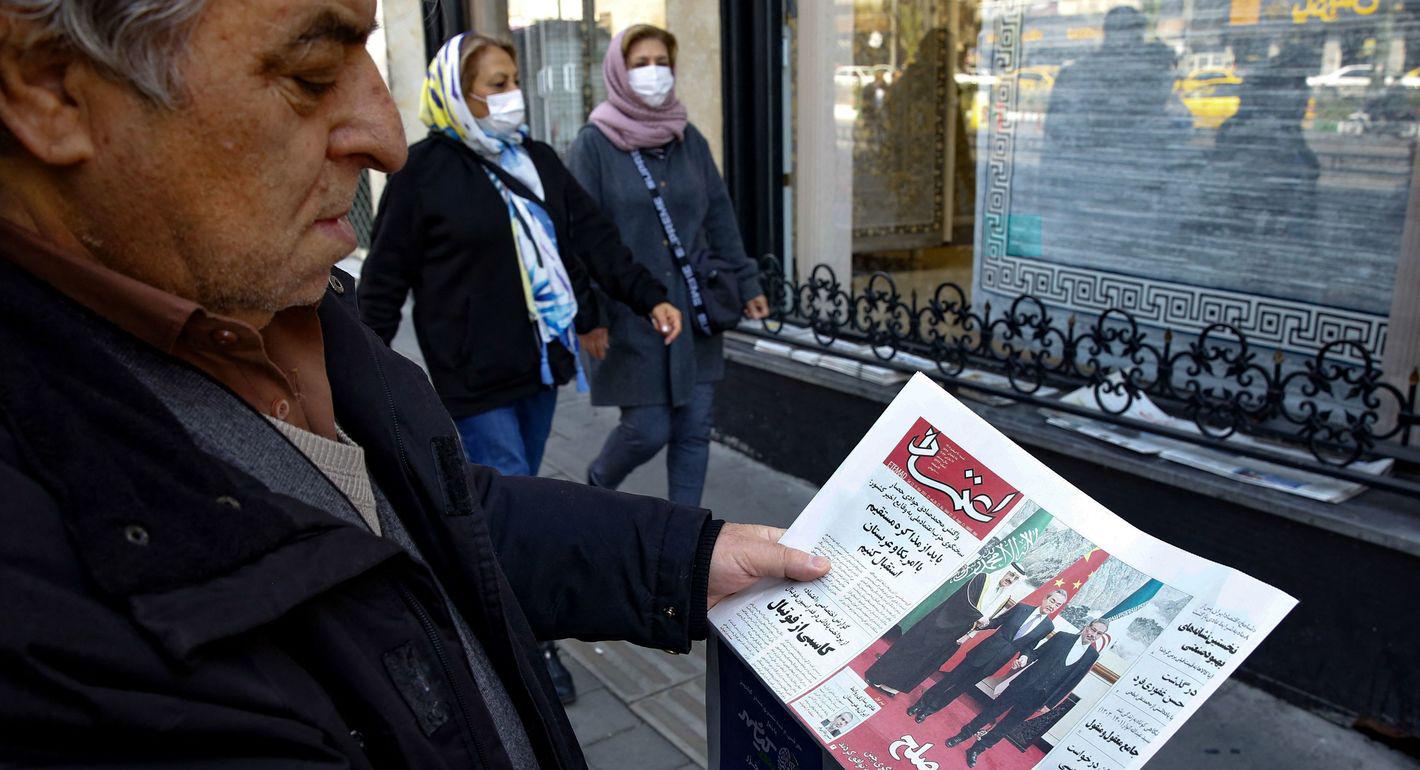
Transactional relationships are stable but can be shallow.

Paul Haenle, Maha Yahya, Benjamin Ho, …
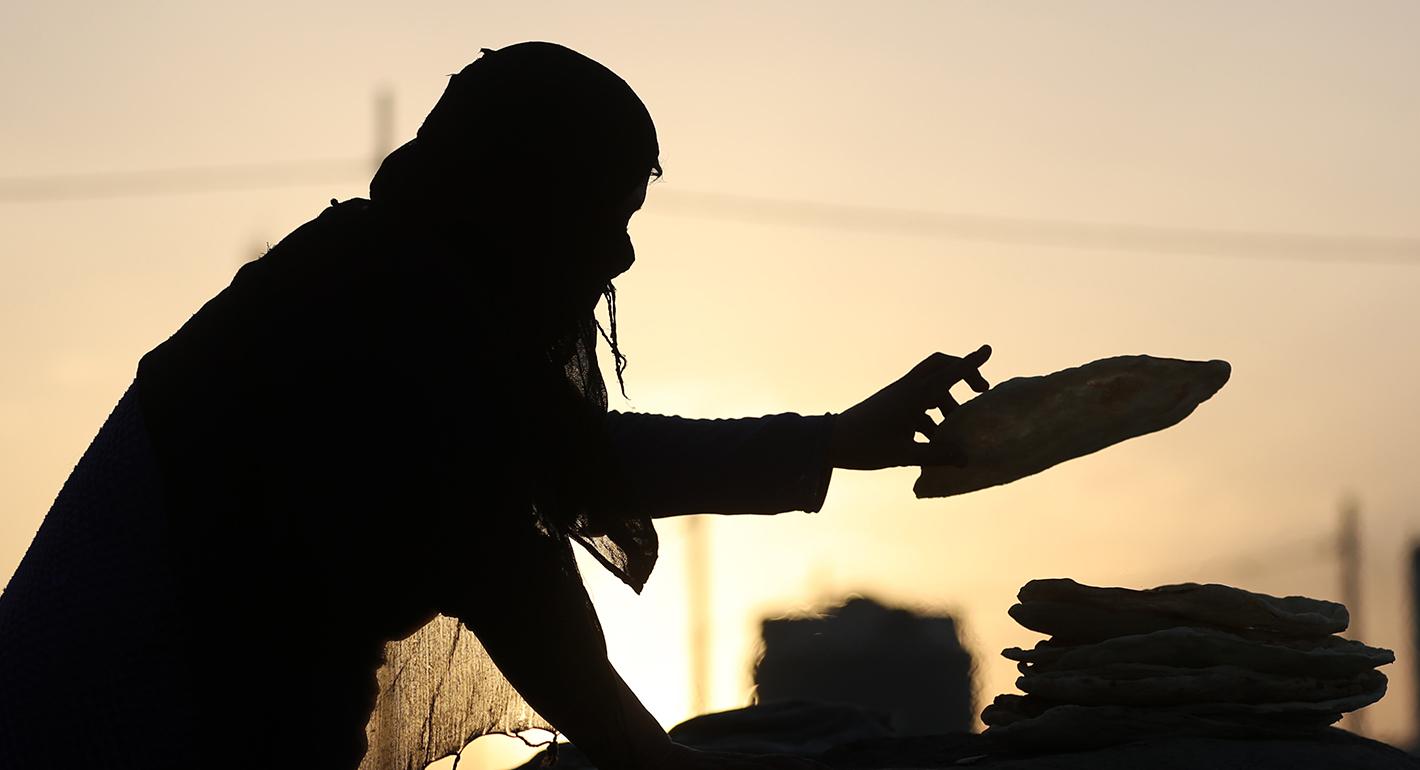
It’s about managing oil prices, bread prices, and strategic partnerships.
Amr Hamzawy, Karim Sadjadpour, Aaron David Miller, …
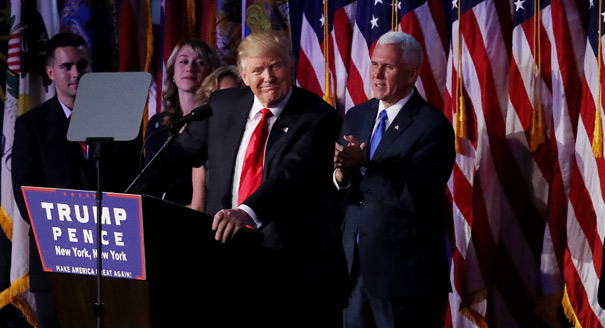
The world reacts to the election of Donald Trump and its potential implications.
Thomas Carothers, Lizza Bomassi, Amr Hamzawy, …
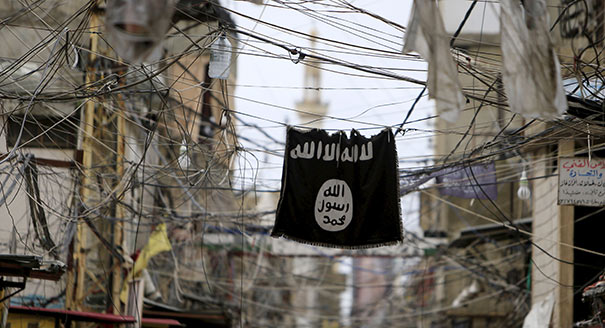
The Islamic State’s ideology is multifaceted and cannot be traced to one individual, movement, or period. Understanding it is crucial to defeating the group.
Hassan Hassan
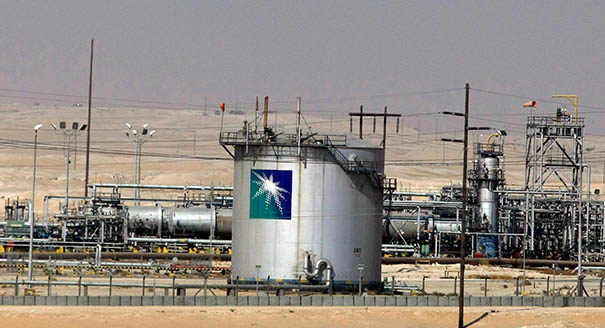
The Middle East is vital to China’s present and future energy interests, but the region’s thorny geopolitics make Chinese state-owned firms hesitant to make large investments there.
Wang Tao