

Commentary
The Thai-Cambodian conflict highlights the limits to China's peacemaker ambition and the significance of this role on Southeast Asia’s balance of power.
Pongphisoot (Paul) Busbarat
{
  "authors": [
    "Lilia Shevtsova"
  ],
  "type": "commentary",
  "centerAffiliationAll": "",
  "centers": [
    "Carnegie Endowment for International Peace",
    "Carnegie Russia Eurasia Center"
  ],
  "collections": [],
  "englishNewsletterAll": "",
  "nonEnglishNewsletterAll": "",
  "primaryCenter": "Carnegie Russia Eurasia Center",
  "programAffiliation": "",
  "programs": [],
  "projects": [],
  "regions": [
    "Russia",
    "Eastern Europe",
    "Ukraine"
  ],
  "topics": [
    "Political Reform",
    "Security",
    "Civil Society"
  ]
}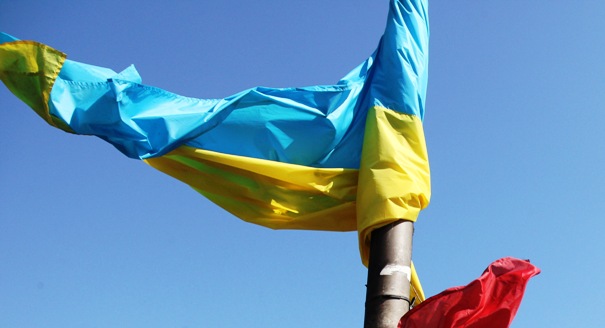
The south and even the east of Ukraine do not express massive support for separatism. The violent clashes in Odessa may signal a turning point—indicating that Ukrainian society itself is trying to stop the country’s fragmentation.
From a Facebook post: “Odessa has saved Kiev.”
I am talking about the violent clashes in Odessa on May 2, which claimed the lives of more than 40 people and left 200 more injured. This has been the bloodiest incident since the fall of the Yanukovych regime. It resulted from the skirmishes between the supporters of a unified Ukraine and the pro-Russian separatists, in which the former prevailed. It is evident that the separatists were devising a provocation in Odessa that would lead to takeovers similar to those in the Eastern Ukraine. The obvious plan was to create a chain of separatist “independent republics,” which were to declare their independence on May 11, becoming the “New Russia” (“Novorossiya”) that President Vladimir Putin was talking about. As evidenced the by film footage taken at the scene of the clashes, the police actively aided the provocateurs, which only confirms the fact that the law-enforcement system of southeastern Ukraine has effectively disintegrated.
Actually, Ukraine’s East does not look so unequivocally pro-Russian either. According to recent polls conducted by the Ukrainian newspaper Zerkalo Nedeli and Kiev’s International Institute of Sociology, in the Donetsk area, where the separatists have established themselves, the Russian incursion is supported by only 19.3(!) percent of the respondents. The rest of the population would prefer to live in an independent Ukraine. True, a significant number would not resist occupation: 46.9 percent of respondents in the South-East say that they would stay home and not interfere if the Russian troops were to cross the border (in Donbas, 55.4 percent would stay home).
With that being said, a lot of Ukrainians are ready to defend their state. Look at these numbers: in Kherson, 36.9 percent of the people are prepared to resist the aggressor; this number is 31 percent in Nikolayev, 26 percent in Dnepropetrovsk, and 24.9 per cent in Odessa. In Donetsk, the area viewed as a stronghold of pro-Russian separatism, 11.9 percent of the people would fight the Russian troops; in Lugansk, 10.7 percent would.
Thus, the south of Ukraine does not express massive support for separatism. Even the east of the country is not particularly rushing to secede from Ukraine. Forcefully separating these regions from Ukraine will not stabilize them; it is more likely to breed more instability and fuel the growth of pro-Ukrainian sentiments. Those who are still trying to create the “New Russia” inside Ukraine should keep this in mind.
Carnegie does not take institutional positions on public policy issues; the views represented herein are those of the author(s) and do not necessarily reflect the views of Carnegie, its staff, or its trustees.
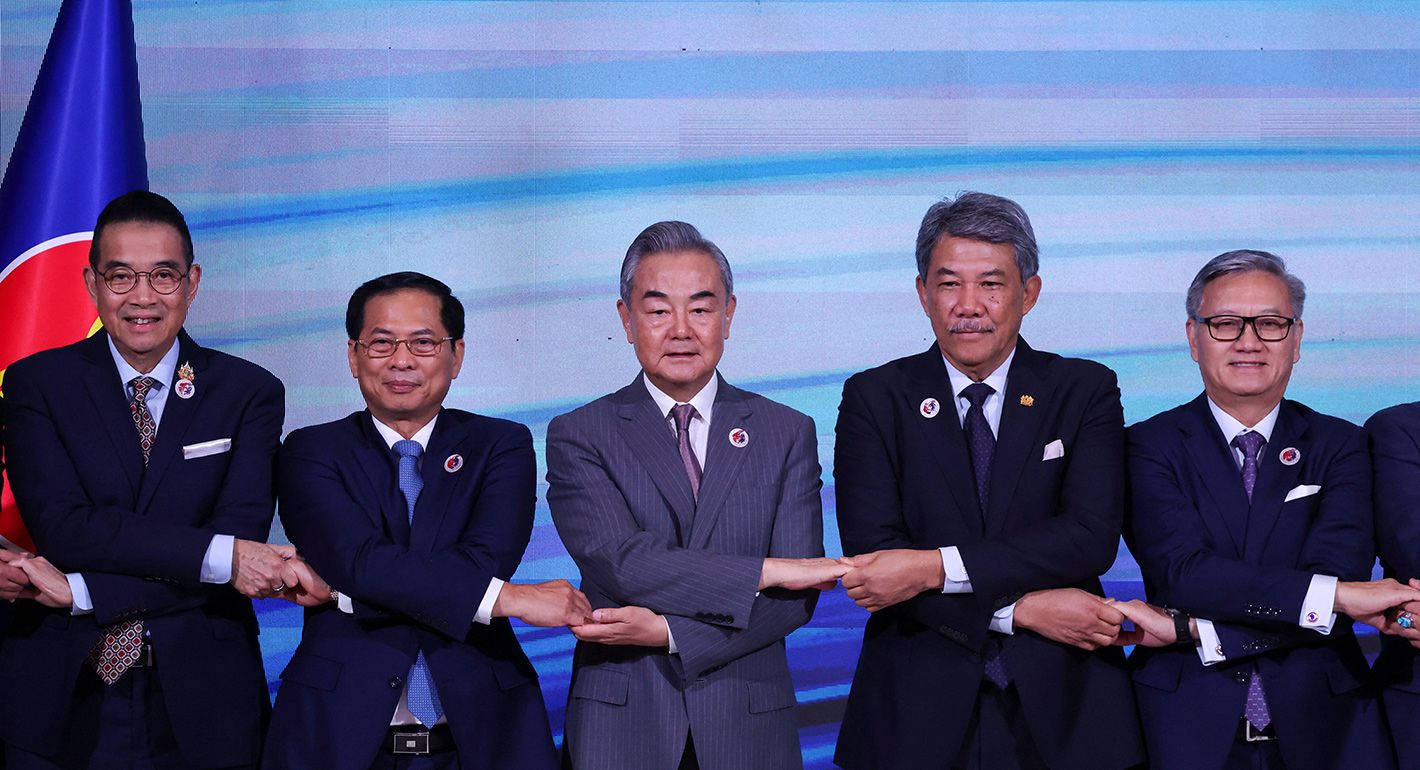
The Thai-Cambodian conflict highlights the limits to China's peacemaker ambition and the significance of this role on Southeast Asia’s balance of power.

Pongphisoot (Paul) Busbarat
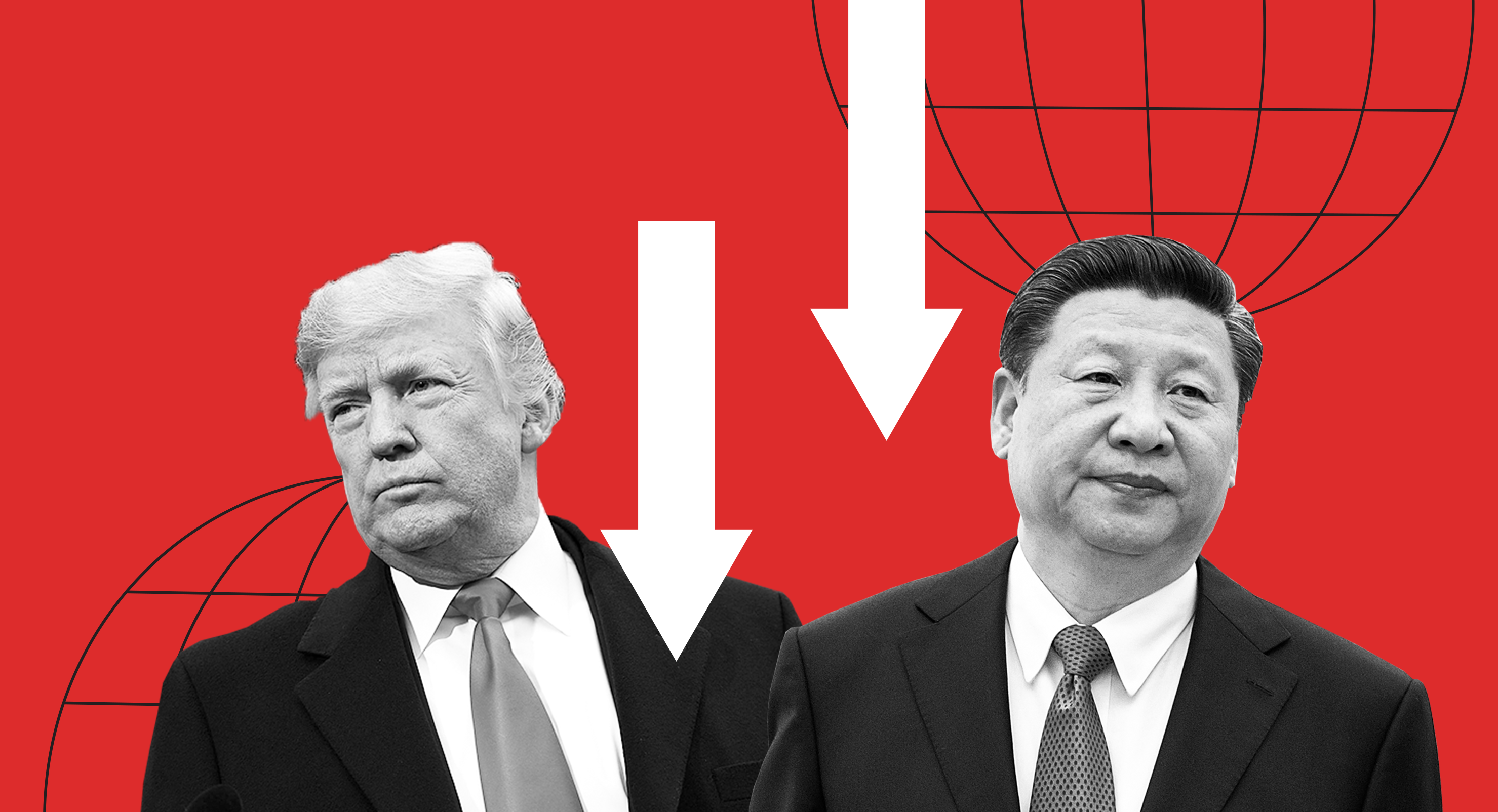
Beijing believes that Washington is overestimating its own leverage and its ability to handle the trade war’s impacts.


Rick Waters, Sheena Chestnut Greitens
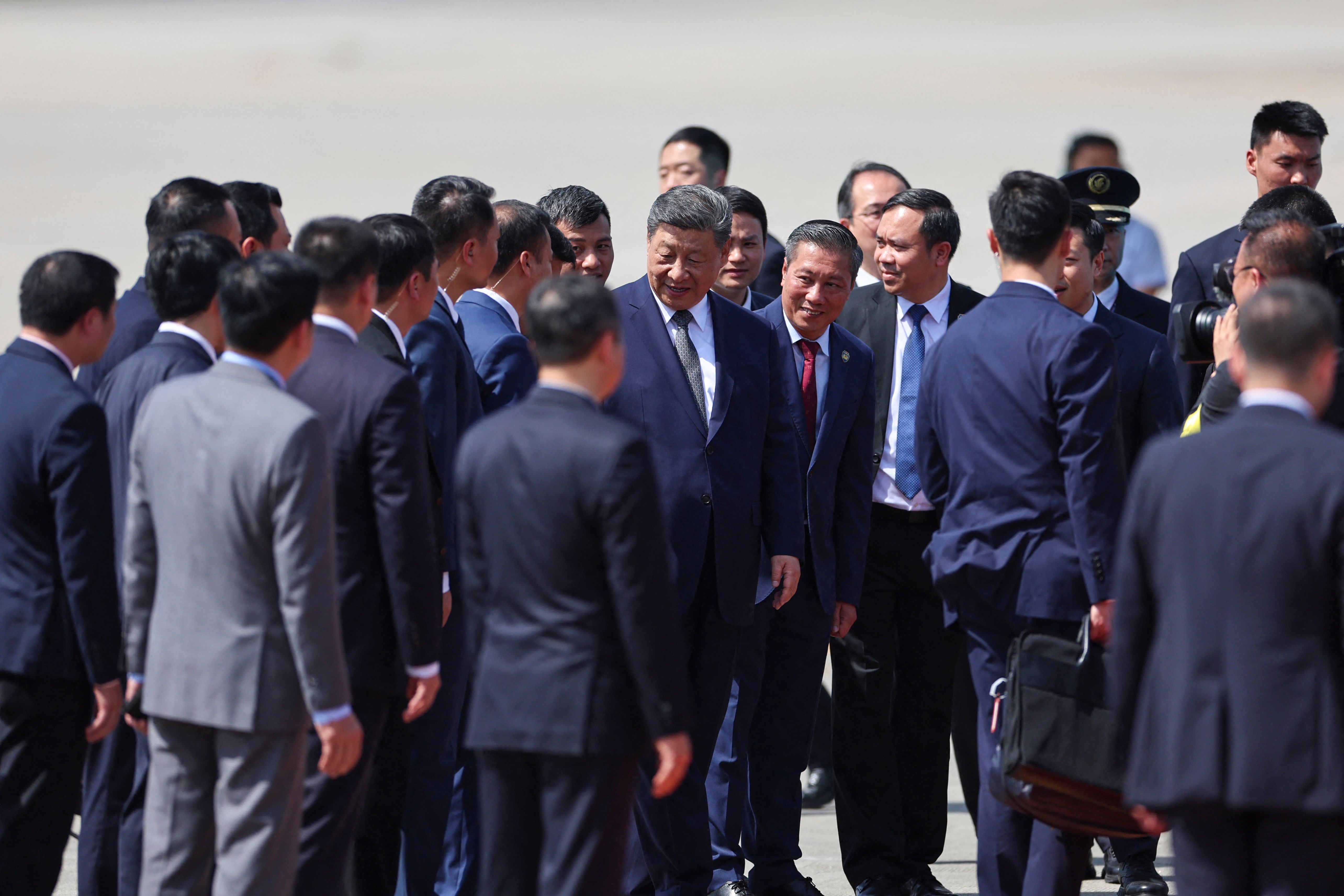
Tapping our network of China experts in the region, Carnegie China offers this latest “China Through a Southeast Asian Lens” report to offer preliminary assessments of whether the U.S. effort to reshape the global trading order will lead countries in the region to tilt toward Beijing.


Selina Ho, Khin Khin Kyaw Kyee, Joseph Ching Velasco, …
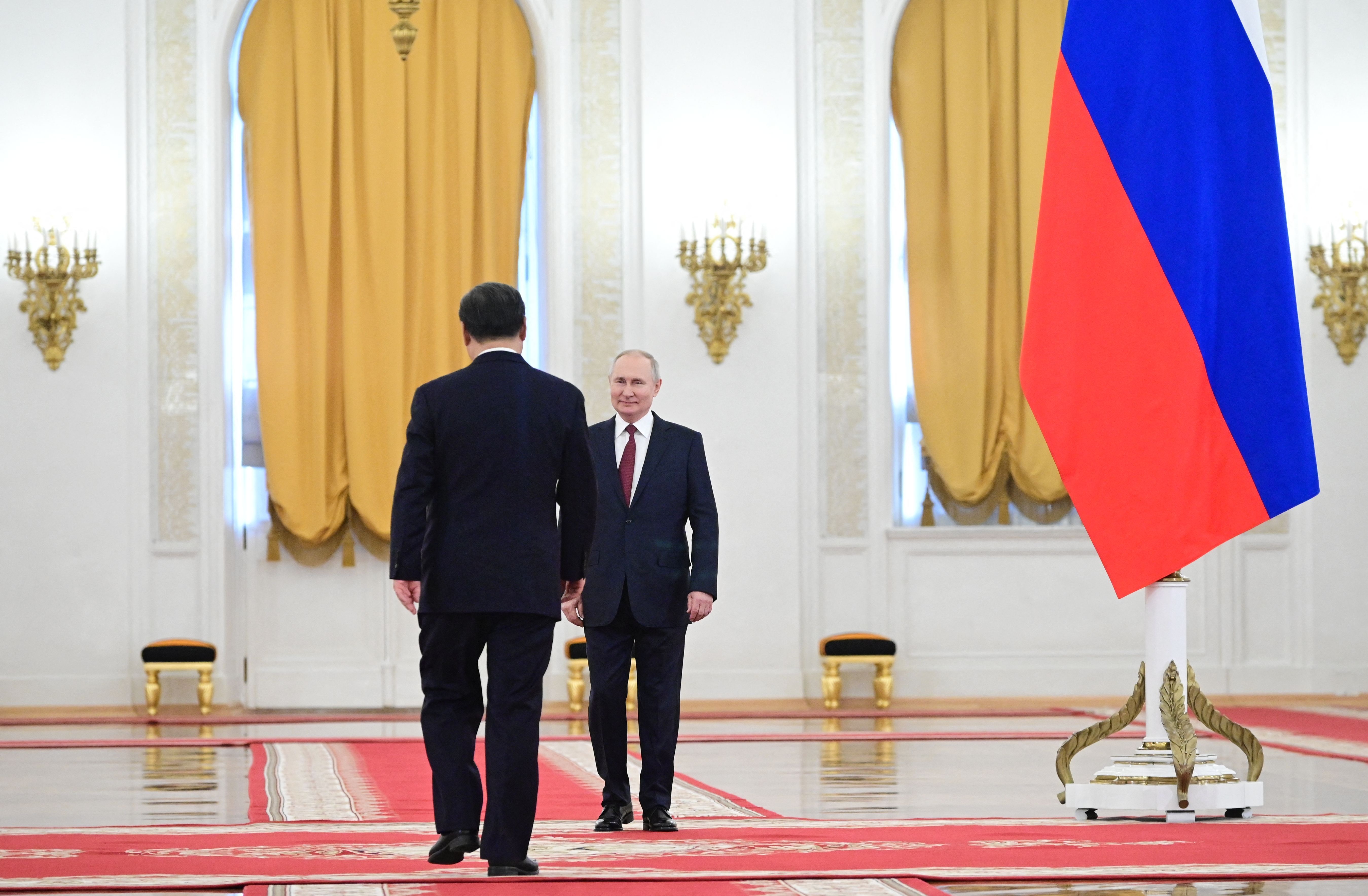
Beijing is trying to navigate the overall situation regarding Ukraine, especially the substance of interactions between Washington and Moscow.

Ellen Nakashima, Zhao Long, Pavlo Klimkin, …
While China will remain a significant political and economic force in the Global South, its ambition to leverage the Global South as a counterbalance to the United States and the Global North is far from assured.

Xue Gong