

Commentary
Malaysia’s chairmanship sought to fend off short-term challenges while laying the groundwork for minimizing ASEAN’s longer-term exposure to external stresses.
Elina Noor
{
  "authors": [
    "Richard Youngs"
  ],
  "type": "other",
  "centerAffiliationAll": "",
  "centers": [
    "Carnegie Endowment for International Peace",
    "Carnegie Europe"
  ],
  "collections": [
    "Europe’s Southern Neighborhood",
    "Arab Awakening",
    "Democracy and Governance"
  ],
  "englishNewsletterAll": "",
  "nonEnglishNewsletterAll": "",
  "primaryCenter": "Carnegie Europe",
  "programAffiliation": "",
  "programs": [
    "Democracy, Conflict, and Governance",
    "Europe"
  ],
  "projects": [],
  "regions": [
    "Middle East",
    "Europe",
    "Western Europe",
    "Iran"
  ],
  "topics": [
    "Foreign Policy",
    "Democracy"
  ]
}
Today’s Euro-Mediterranean partnership needs to be rethought at the diametric opposite of what it had originally been set up for.
Youngs was speaking at a conference in Tarragona on October 2–3, 2014, which analyzed the increasing diversity and complexity of the Euro-Mediterranean region from different angles. These angles included national conflicts and rivalries, geopolitical transformations and the role of external actors, scenarios for democratic consolidation, and patterns of political continuity. The event also focused on the challenges posed by regional fragmentation for Euro-Mediterranean politics.
This event was originally recorded and published by IEMed Barcelona.
Carnegie does not take institutional positions on public policy issues; the views represented herein are those of the author(s) and do not necessarily reflect the views of Carnegie, its staff, or its trustees.
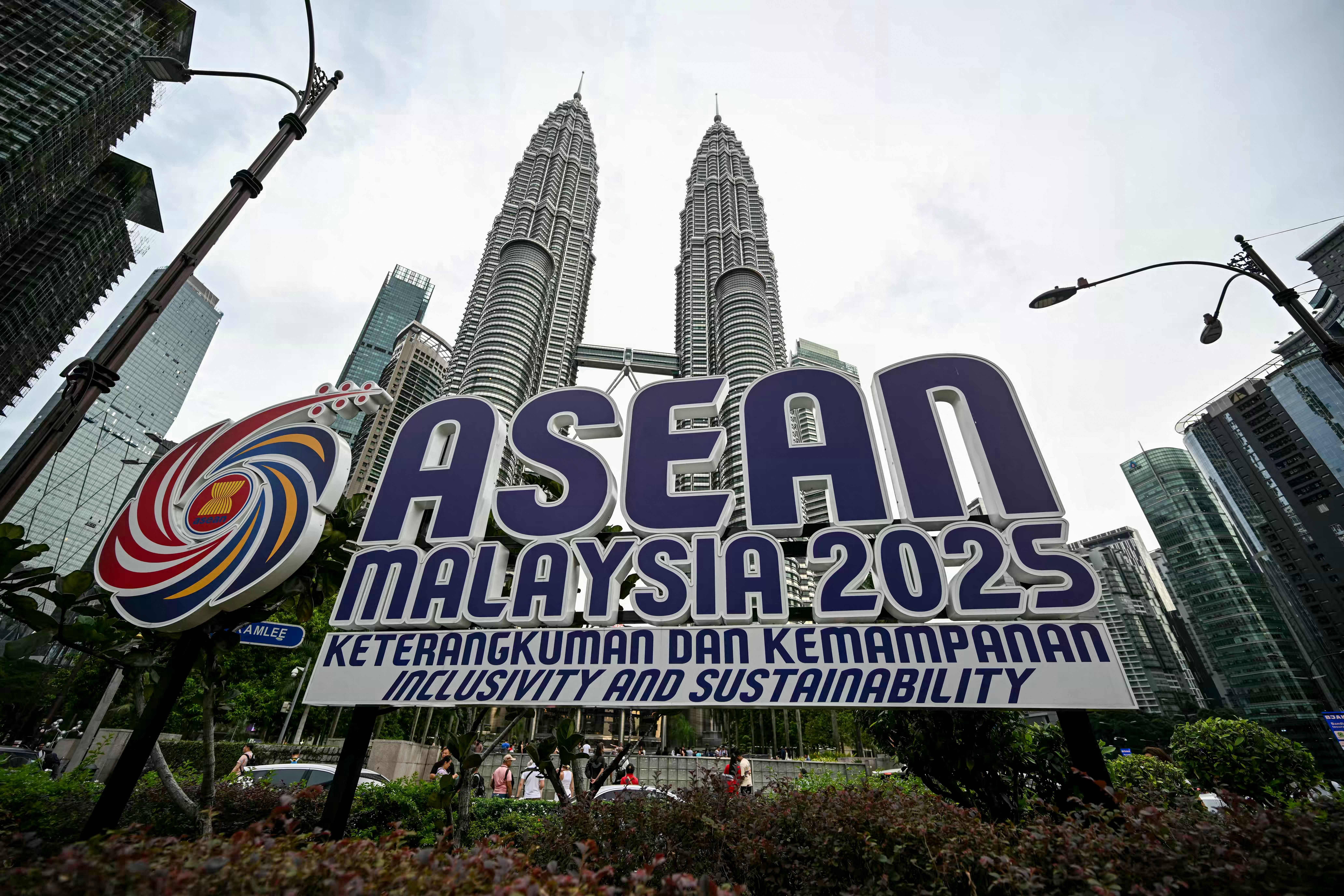
Malaysia’s chairmanship sought to fend off short-term challenges while laying the groundwork for minimizing ASEAN’s longer-term exposure to external stresses.

Elina Noor
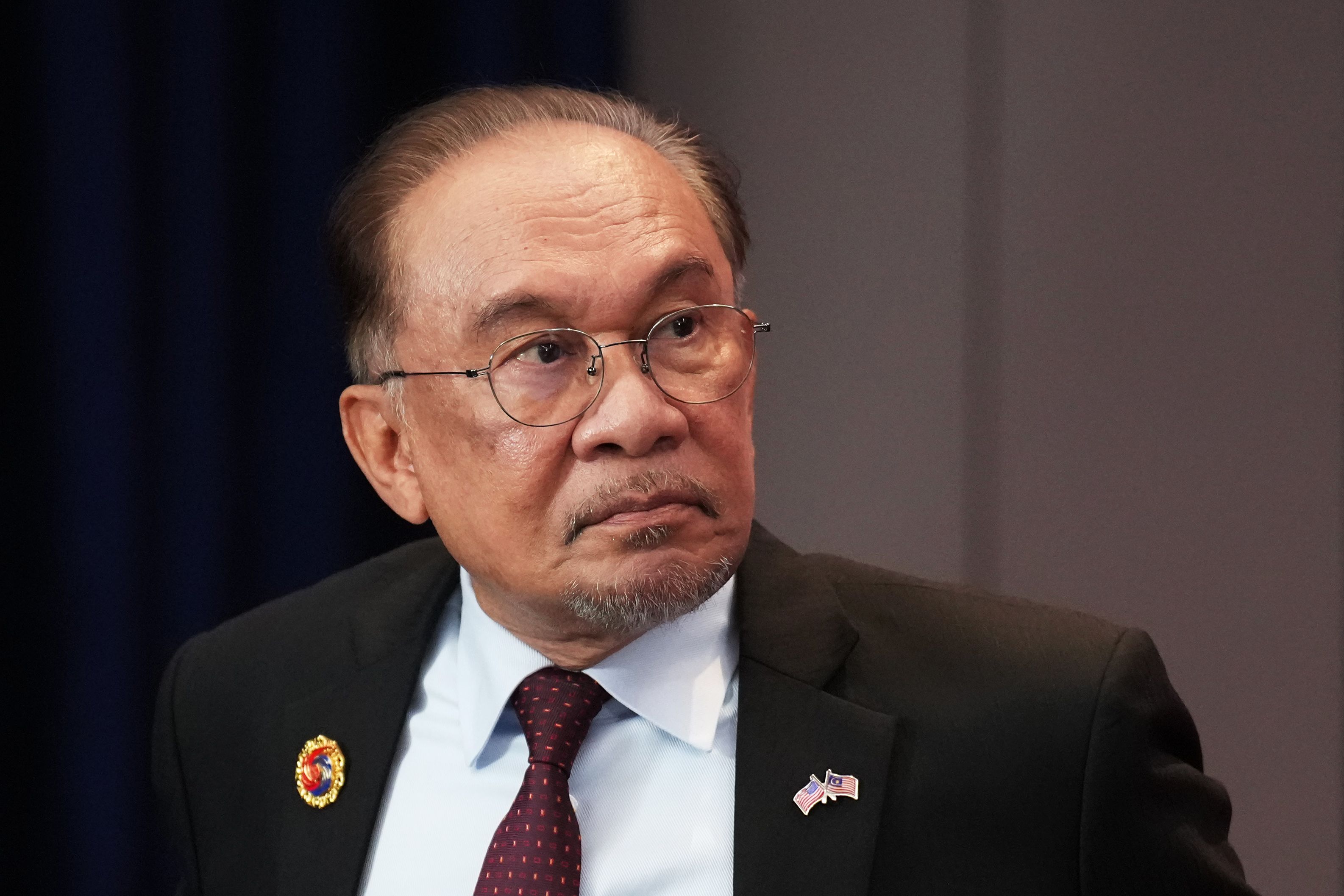
For Malaysia, the conjunction that works is “and” not “or” when it comes to the United States and China.
Elina Noor
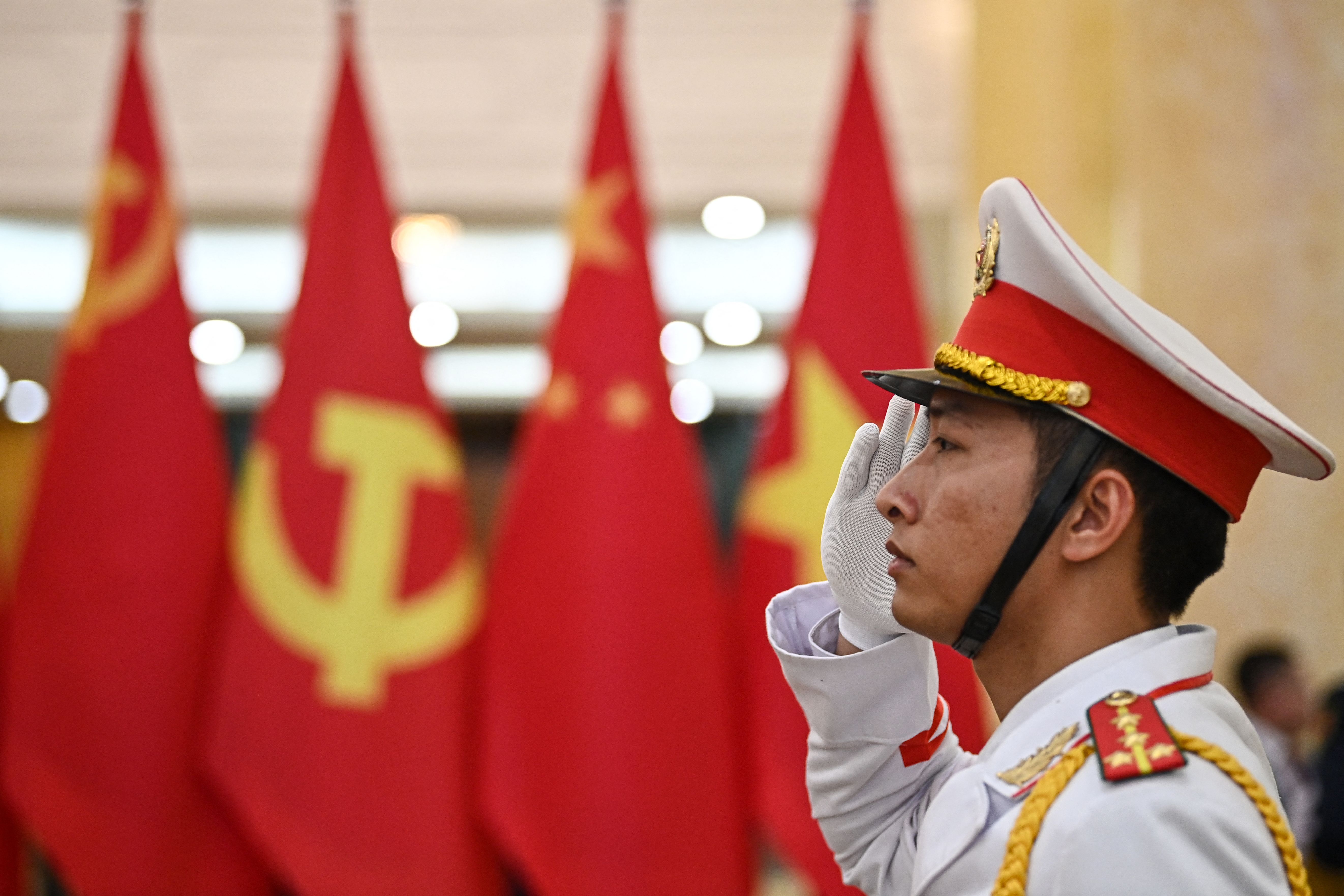
In July 2025, Vietnam and China held their first joint army drill, a modest but symbolic move reflecting Hanoi’s strategic hedging amid U.S.–China rivalry.

Nguyễn Khắc Giang
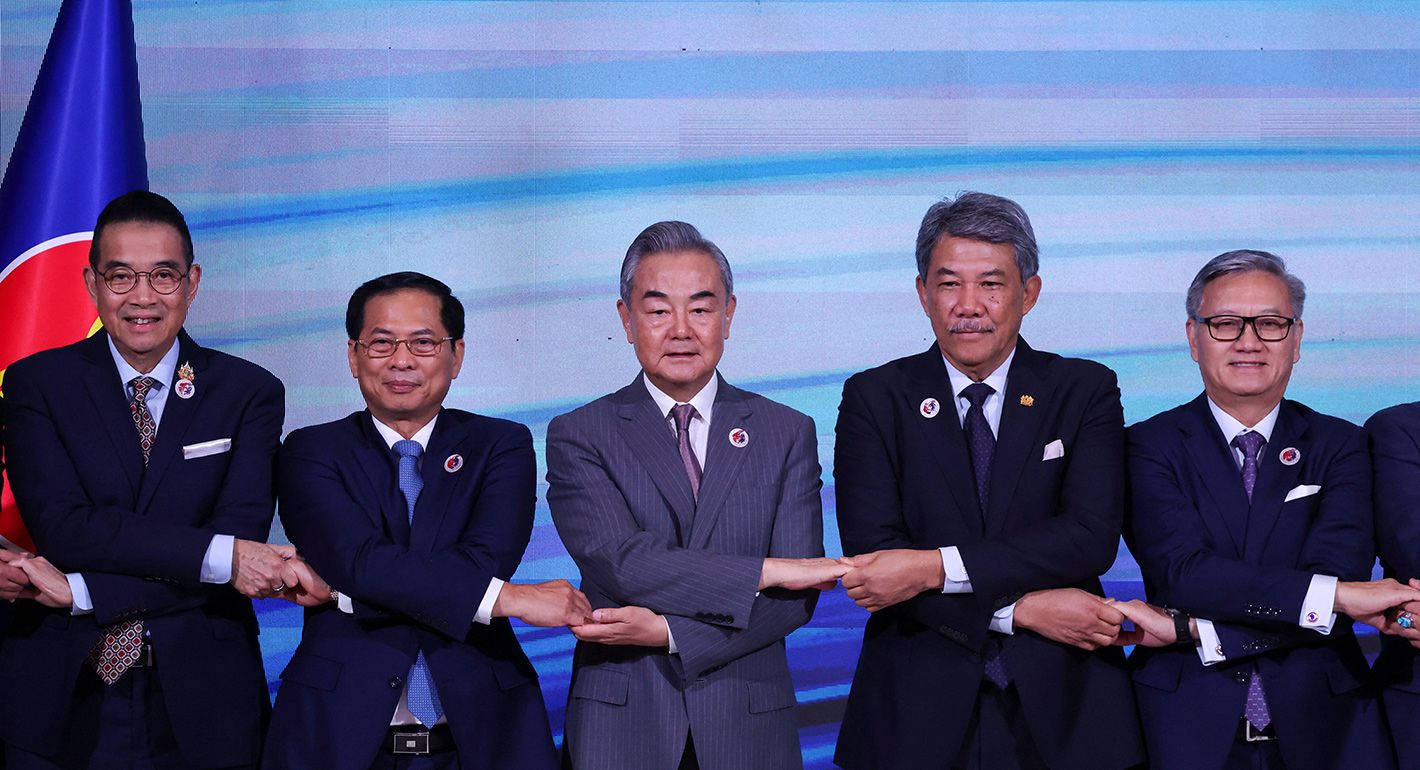
The Thai-Cambodian conflict highlights the limits to China's peacemaker ambition and the significance of this role on Southeast Asia’s balance of power.

Pongphisoot (Paul) Busbarat
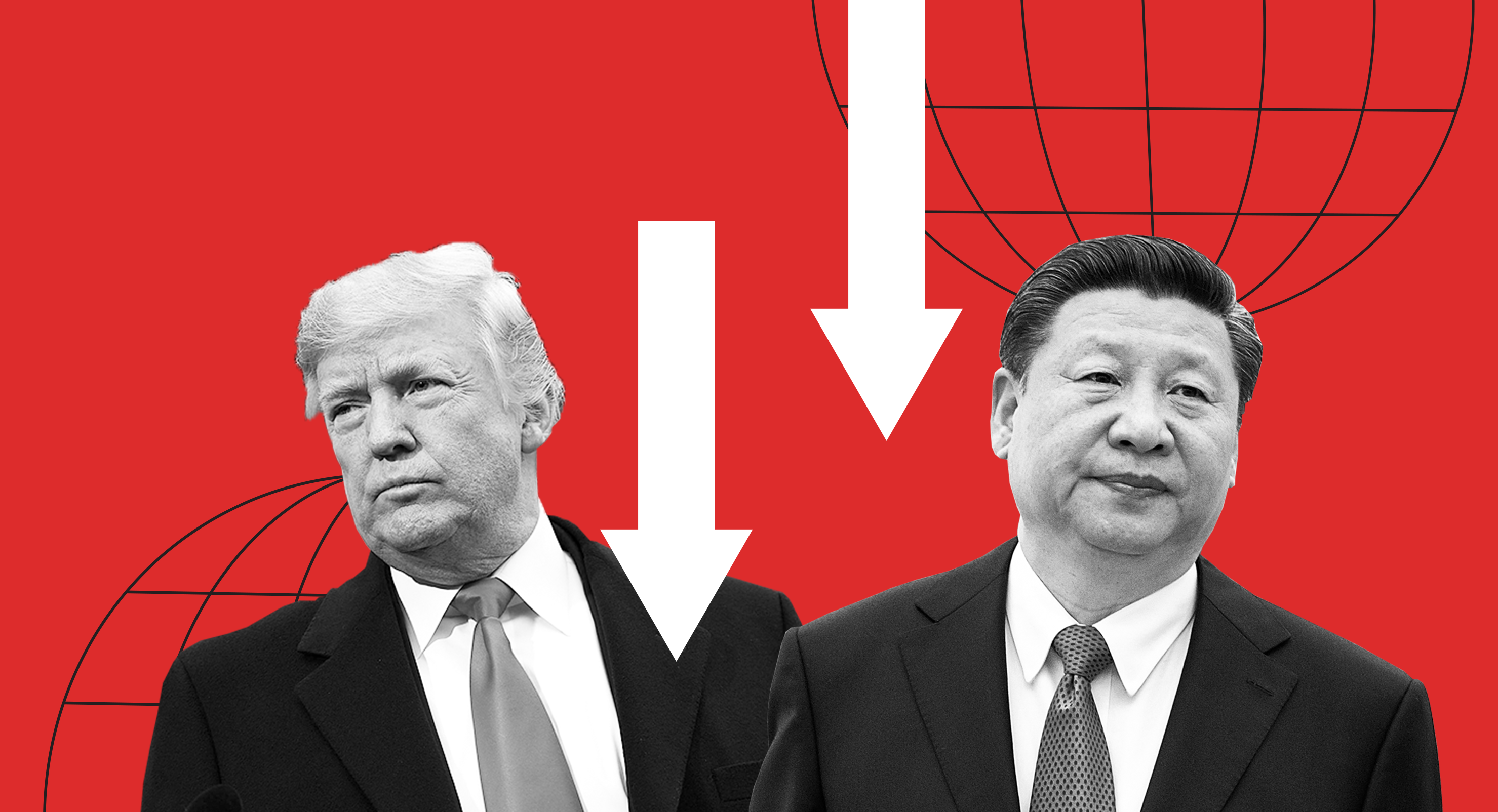
Beijing believes that Washington is overestimating its own leverage and its ability to handle the trade war’s impacts.


Rick Waters, Sheena Chestnut Greitens