

Commentary
The Thai-Cambodian conflict highlights the limits to China's peacemaker ambition and the significance of this role on Southeast Asia’s balance of power.
Pongphisoot (Paul) Busbarat
{
  "authors": [
    "Marc Pierini"
  ],
  "type": "legacyinthemedia",
  "centerAffiliationAll": "",
  "centers": [
    "Carnegie Endowment for International Peace",
    "Carnegie Europe",
    "Malcolm H. Kerr Carnegie Middle East Center"
  ],
  "collections": [
    "Europe’s Southern Neighborhood"
  ],
  "englishNewsletterAll": "",
  "nonEnglishNewsletterAll": "",
  "primaryCenter": "Carnegie Europe",
  "programAffiliation": "",
  "programs": [
    "Europe"
  ],
  "projects": [],
  "regions": [
    "Middle East",
    "Maghreb",
    "North Africa",
    "Tunisia",
    "Iran"
  ],
  "topics": [
    "Security"
  ]
}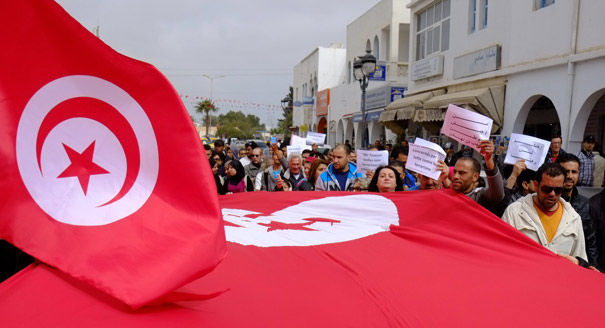
The EU should engage in dialogue with all Tunisian stakeholders and help them firm up their country’s vital relationship with the Western world.
Source: Le Monde
Until March 18, despite increased security worries, there was an unmistakable whiff of liberty in Tunisia, from the January 2011 revolution. Any topic was up for discussion, anywhere, and in a loud voice; wildcat strikes followed on from each other; and even road traffic seemed to have gone wild.
Since then, the tragedy at the Bardo Museum has created a shock without precedent since April 2002 (the Djerba synagogue bombing), but also a national reaction—strong, united, and dignified—and messages of international solidarity. This is the time neither to withdraw out of fear nor to forget about the achievements and duties stemming from the revolution.
In four years, Tunisia has achieved much: a constitution, three free and competitive elections, the premise of a constitutional court and a high judicial council, a liberated media, an influential civil society, and a coalition government including both liberals (Nidaa Tounes) and Islamists (Ennahda).Beji Caid Essebsi and Rashid al-Ghannushi formed an improbable alliance amounting to a mutual insurance contract. The former gained political stability that is so crucial for upcoming reforms, while the latter maintained his status of leader of a governing party and showed a propensity for dialogue and compromise. The March 18 attack against Tunisian democracy should result in reinforcing and developing these achievements, not backtracking from them. But the challenges are many.
Undoubtedly, the first one is security. With 3,000 fighters in Syria, the Libyan chaos at its doorstep, terrorist attacks on the Algerian border, its own Salafi networks, and now this frontal attack, Tunisia has much to worry about. Until now, the political sphere was split between keeping a strong security apparatus and an Islamist party that had partly evolved in its condemnation of violence. There is no room for hesitation anymore: without a rapid consensus between all political parties on thorough security, transparent and fundamental rights-oriented reforms, and without Ennahda strongly and clearly condemning violent extremism, the coalition may quickly crack at the seams. The country may then be unable to relaunch the tourism sector and foreign investment.
Until March 18, there was an unmistakable whiff of liberty in Tunisia, from the 2011 revolution.Tweet This
Despite the terrorist shock, the second challenge should also be tackled: it lies with the type of society that will emerge from the many reforms on the country’s agenda. This is not about political narratives but about concrete choices between two radically different concepts of society. Questions abound. Can a five-year-old attending a “Koranic” kindergarten play and draw human figures or be confined to reciting the Koran? Will a science faculty teach Darwin or limit itself to creationism? Will Islamic finance be generalized, with all its legal implications? At the workplace or before a notary, will women be the true equals of men?
The list of forthcoming balancing acts is long, and it will forge the image of postrevolutionary Tunisia—a country open toward Europe—in the eyes of its foreign partners, and thus also the country’s future. The margin of error is narrow, especially as the legislative election clearly illustrated the country’s diversity, not to speak of polarization.
While treading carefully, Tunisian leaders will have to manage societal diversity and forge a thorny consensus. After four years spent in “revolution mode,” consensus will only come about if it results from an open dialogue between all stakeholders: political parties, business circles, trade unions, academics, civil society, and youth organizations. As much one can see willingness to dialogue, there will be a strong need to decide and implement. All stakeholders will have to change their behavior and switch from a revolutionary atmosphere, fierce political debates, and the shock of the Bardo massacre, to the collective exercise of responsibility.
None of this will be easy, but Tunisians have so far amazed the rest of the world with their capacity to shed the past, to debate with passion, and to forge dynamic compromises. Despite the pain and sorrow, they must find the strength to go further.
The West should support #Tunisia in its transition process without hesitation.Tweet This
The Western community, so anxious to support the only Arab transition process it understands, should support Tunisia without hesitation. This has begun with the visit of the French interior minister, three weeks after the visit of the EU counterterrorism coordinator. This is not only about solidarity, but also about giving a boost to a concrete, multipronged cooperation in the security sector. More generally, the European Union should dialogue with all stakeholders and help them in their collective choices toward a model of society capable of shoring up Tunisia’s vital relationship with the Western world.
Let’s trust Tunisia, and support it within the multipartite model chosen by its citizens.
This article was originally published in French in Le Monde.
Carnegie does not take institutional positions on public policy issues; the views represented herein are those of the author(s) and do not necessarily reflect the views of Carnegie, its staff, or its trustees.
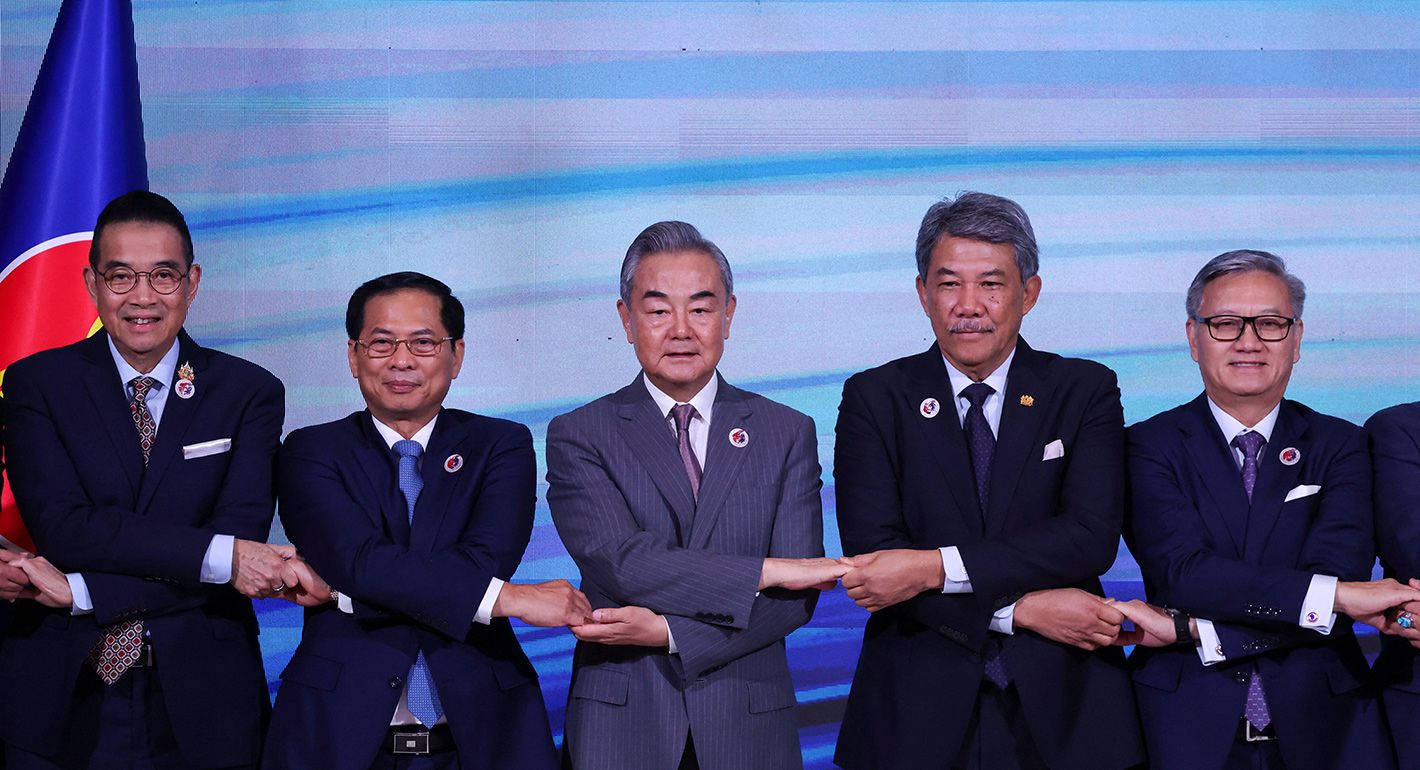
The Thai-Cambodian conflict highlights the limits to China's peacemaker ambition and the significance of this role on Southeast Asia’s balance of power.

Pongphisoot (Paul) Busbarat
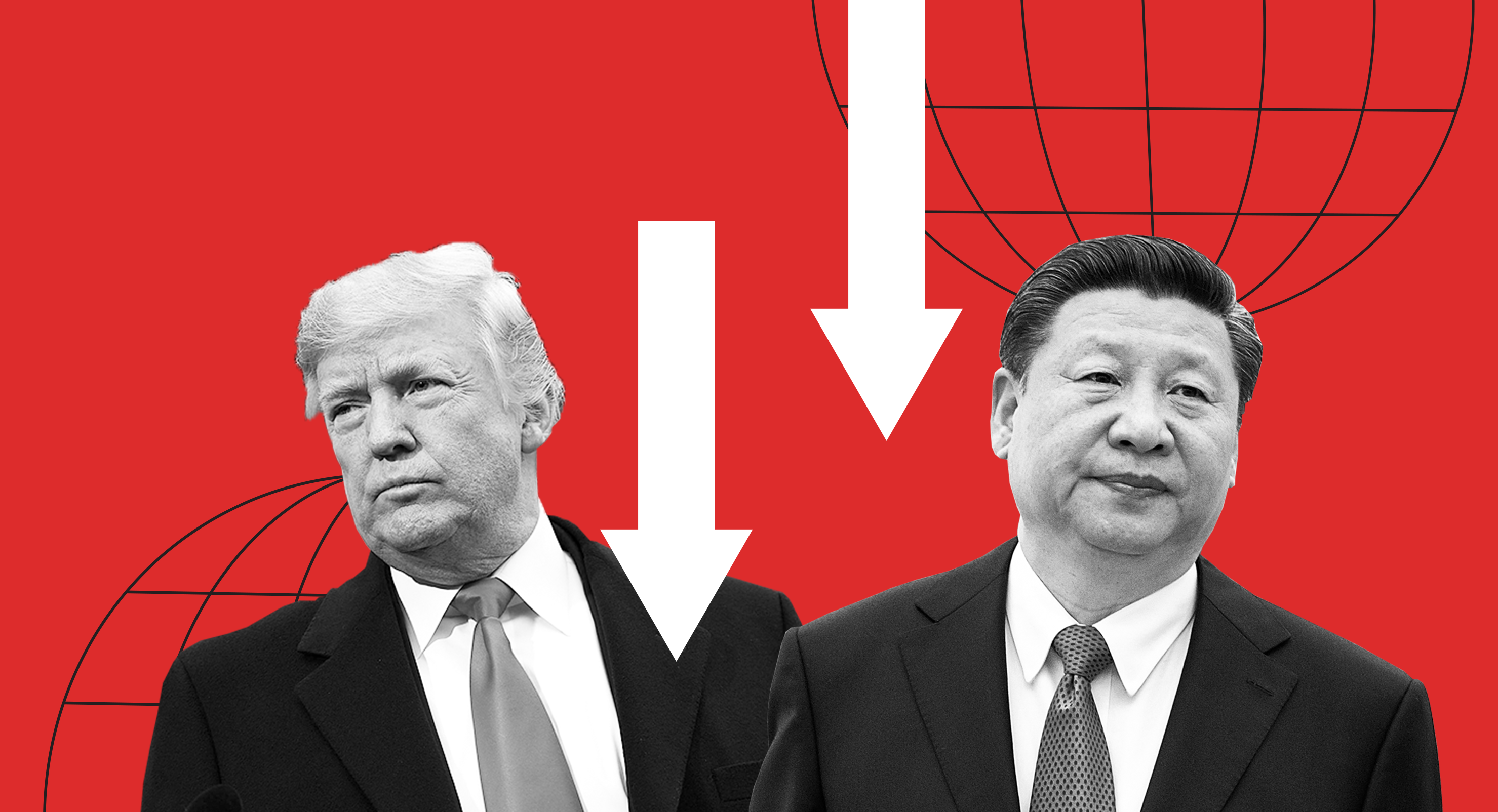
Beijing believes that Washington is overestimating its own leverage and its ability to handle the trade war’s impacts.


Rick Waters, Sheena Chestnut Greitens
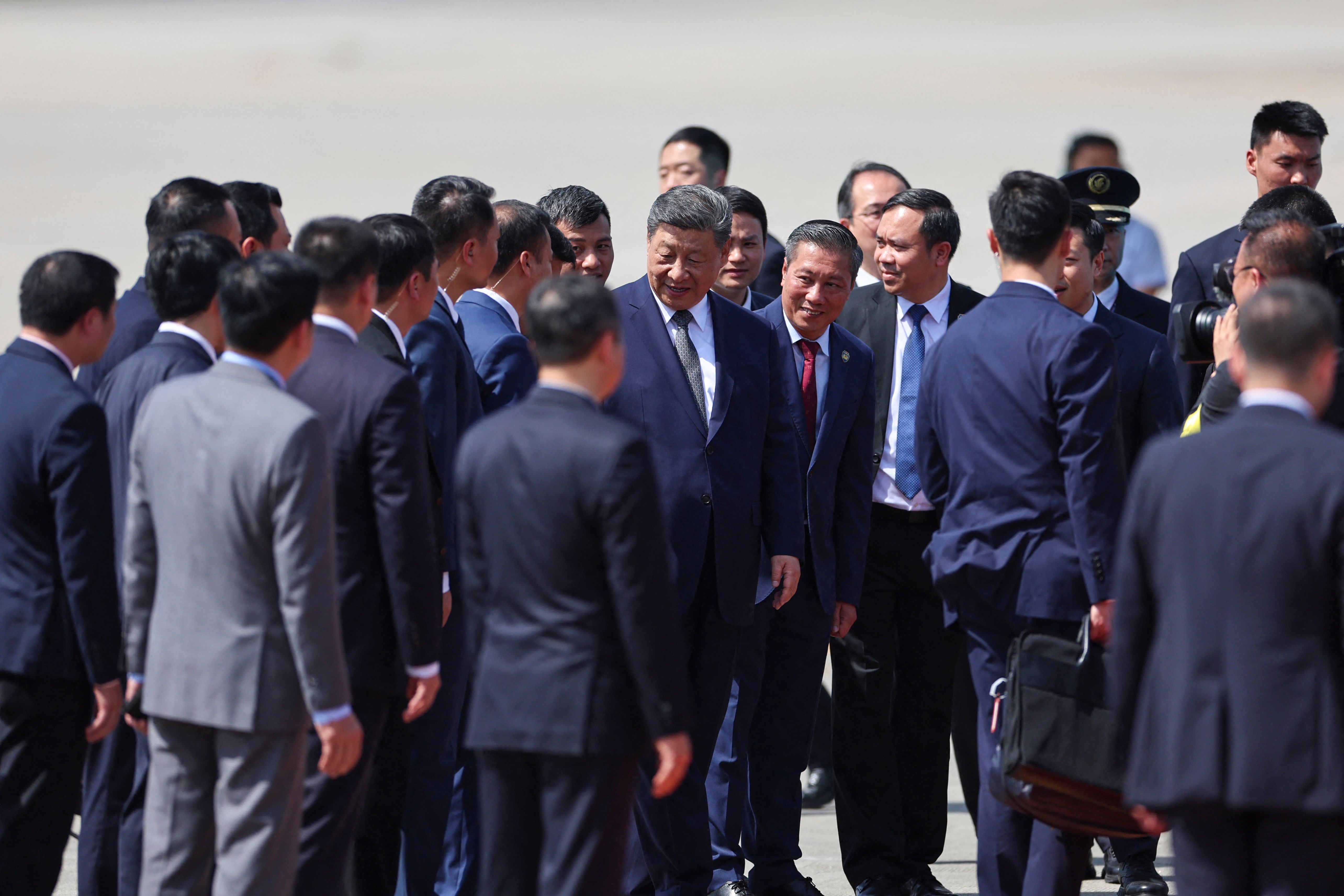
Tapping our network of China experts in the region, Carnegie China offers this latest “China Through a Southeast Asian Lens” report to offer preliminary assessments of whether the U.S. effort to reshape the global trading order will lead countries in the region to tilt toward Beijing.



Selina Ho, Khin Khin Kyaw Kyee, Joseph Ching Velasco, …
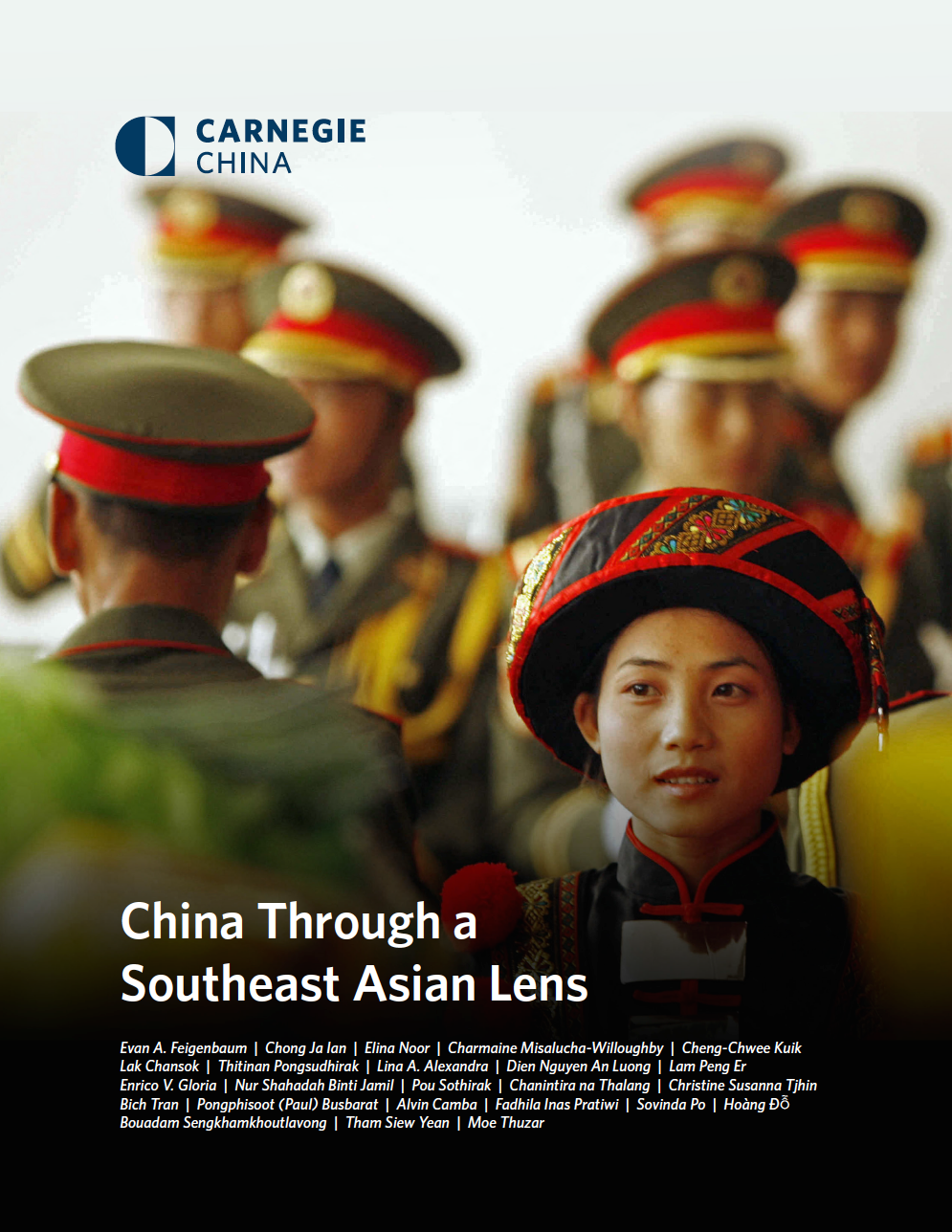
Because strategic, economic, and ideological perceptions of China contain multiple, sometimes contradictory facets in Southeast Asia, receptions of and responses to Beijing diverge across and within state lines.


Evan A. Feigenbaum, Chong Ja Ian, Elina Noor
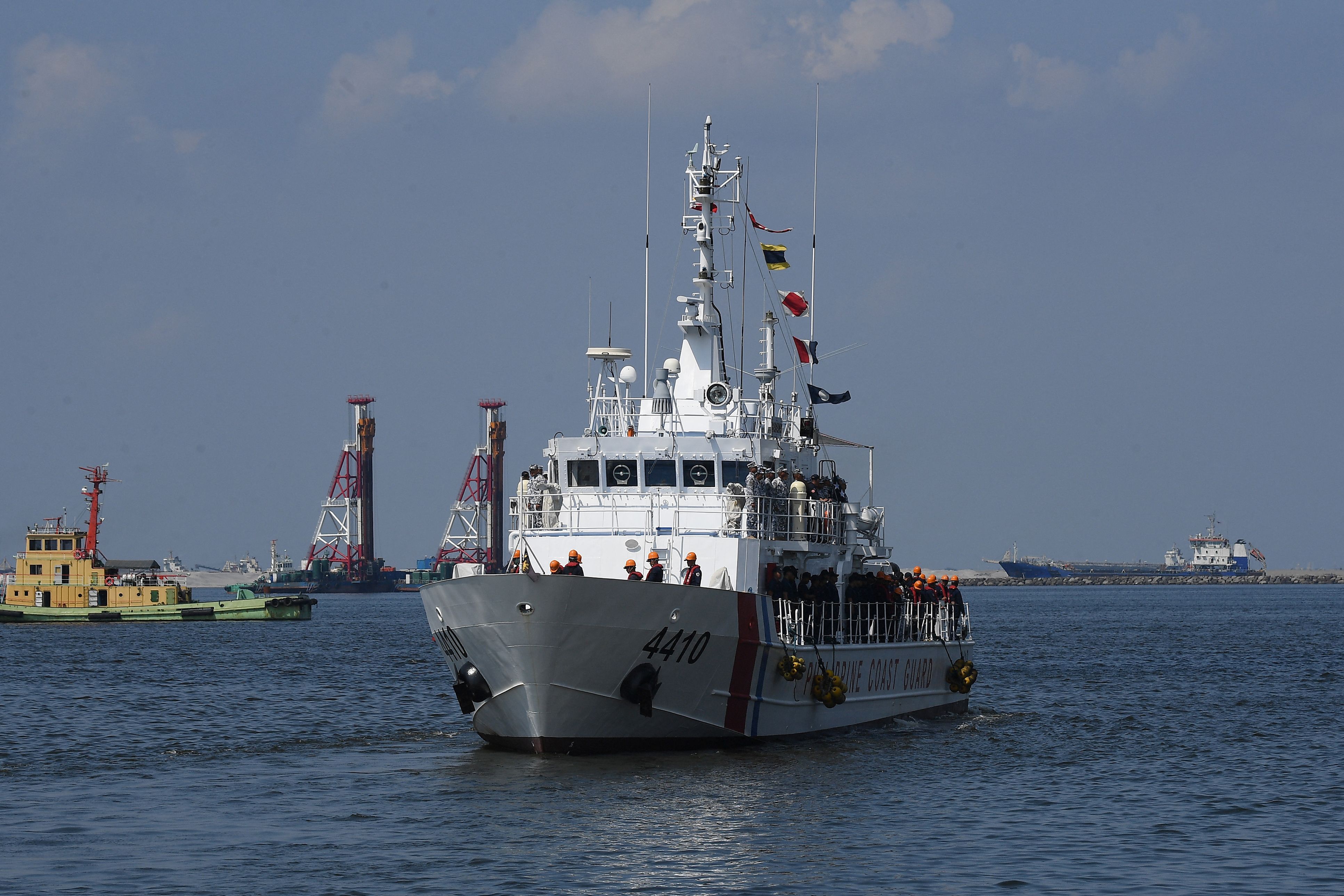
Most Southeast Asian states behave as if the actions of their Northeast Asian neighbors and the Philippines will be sufficient to maintain a regional status quo from which they can benefit.
Chong Ja Ian