

Commentary
In July 2025, Vietnam and China held their first joint army drill, a modest but symbolic move reflecting Hanoi’s strategic hedging amid U.S.–China rivalry.
Nguyễn Khắc Giang
{
  "authors": [
    "Nathan J. Brown"
  ],
  "type": "legacyinthemedia",
  "centerAffiliationAll": "",
  "centers": [
    "Carnegie Endowment for International Peace",
    "Malcolm H. Kerr Carnegie Middle East Center"
  ],
  "collections": [
    "Arab Awakening"
  ],
  "englishNewsletterAll": "",
  "nonEnglishNewsletterAll": "",
  "primaryCenter": "Carnegie Endowment for International Peace",
  "programAffiliation": "",
  "programs": [
    "Middle East"
  ],
  "projects": [],
  "regions": [
    "North Africa",
    "Egypt"
  ],
  "topics": [
    "Political Reform",
    "Democracy",
    "Security",
    "Military"
  ]
}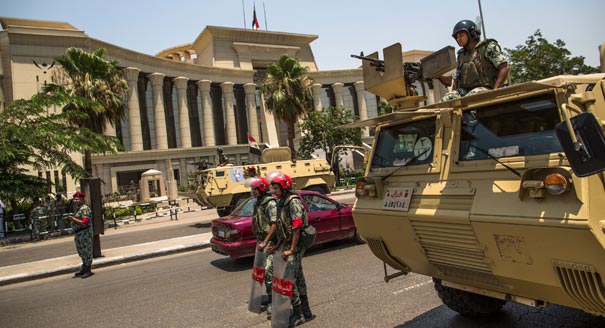
Although the new state of emergency affords Egypt’s rulers broader powers, the measure is not primarily about law, but about communicating to Egyptian society—especially its sprawling state apparatus—to get on board with the new regime.
Source: Washington Post
After Palm Sunday bombings killed close to four dozen churchgoers in two Egyptian cities, President Abdel Fatah al-Sissi and the Egyptian cabinet declared a nationwide state of emergency, which was quickly approved by the parliament. Although it affords its rulers a broader set of powers, the measure is not primarily about law; authorities were already doing what they wished.
Instead, the declaration of emergency is likely intended to communicate to Egyptian society—especially its sprawling state apparatus—to get on board with the new regime. Egypt’s courts, in particular, have been given a stern implicit message: Judges shouldn’t let strict legalism obstruct their more important role in the fight against terrorism.
When the British went to war against the Ottoman Empire in 1914, they declared martial law, allowing the British commander of occupation forces in Egypt to serve as a “military governor,” empowered to issue edicts with the force of law. Britain could police the country and mobilize its resources, unencumbered by political restrictions, judicial oversight or international diplomacy. In 1939, when Britain went to war against the Axis powers, it called on Egypt to support its war effort, and Egypt duly complied by declaring martial law.
The 1952 Egyptian revolution upheld this emergency law order. And with a few brief respites, the entire country remained under martial law until 2012. Over seven decades, the legislation governing martial law was steadily expanded. Sometimes, adverse court decisions forced changes; other times, special courts proved useful new tools to support martial law. In 1958, “martial law” was changed to “state of emergency,” likely because special powers were no longer a wartime measure but an ongoing governing condition.
Outside the emergency law itself, repressive tools were given a broad juridical basis, allowing the regime to police the press, shutter NGOs and toss opponents in prison. The legal order is full of heavy authoritarian footprints. However, this authoritarian order came under full assault in the Egyptian uprising of 2011.
First, Egypt’s state of emergency was finally allowed to lapse in 2012. There have been declarations of emergency since then, but they have been limited in time and usually in geographical scope.
Second, in June 2013, the country’s Supreme Constitutional Court (SCC) curbed a provision in the Emergency Law that enabled detentions. Since there was no state of emergency in effect at the time, the ruling had little immediate impact, but it showed that the SCC was willing to look into matters it had shied away from in the past. Its boldness may have been encouraged by the fact that at that time, the presidency was momentarily in Islamist hands.
Third, constitutional provisions were inserted to obstruct the endless states of emergency that had characterized the country for so many decades. The 2012 constitution (written under Islamist oversight) and the 2014 constitution (written under the reemerging authoritarian order) both showed efforts in this regard. The 2014 constitution’s article 214 limits a state of emergency to three months and requires that the declaration be approved by a majority of members of the House of Representatives.
Egypt’s military and internal security apparatus were likely willing to make these concessions because other provisions hollowed them out. The trial of civilians in military courts was protected by a different constitutional article. And allowing parliament a voice was safe, since the president and the security apparatus felt they had the tools they needed to control the body. Indeed, parliament rubber-stamped the official declaration of emergency this week and reversed some of the 2013 SCC rulings at regime request at the same time. And all along, the regime has churned out a series of laws that make authoritarianism a way of life in Egypt.
The newly declared state of emergency allows Egypt’s rulers greater policing and surveillance powers. It authorizes the creation of special courts, enables authorities to take special measures to secure public order and allows the “military governor” to refer cases to military courts. Sound familiar?
For years, the regime has rounded up thousands, allowed military trials, constructed special terrorism circuits of the regular courts, patrolled mosques, purged dissidents from public office, banned demonstrations, disbanded NGOs, harassed critics and monitored private conversations and social media — all without the benefit of a national state of emergency.
The real audience for Egypt’s declaration of emergency is its lumbering state apparatus. The courts, in particular, have been unreliable allies. The administrative courts obstructed a border agreement with Saudi Arabia; the Supreme Constitutional Court overturned part of the protest law and has a string of other cases before it; and the Court of Cassation — the highest court of appeals for most civil and criminal cases — has tossed out many verdicts from the terrorism circuits.
Attempts to discipline the judiciary are clear in the more mundane aspects of the legislative process. For example, a draft law has been winding its way through parliament to strengthen the president’s hold over senior judicial positions. Judicial bodies have protested vociferously but now seem to be feeling the pressure. After the declaration of emergency law, the normally media-shy SCC president spoke out immediately in a televised interviewto endorse some of its steps and suggest that Egypt’s laws were obsolete and needed to be updated. He implied that the judiciary should be consulted about any changes but that it would participate rather than obstruct the process of adapting Egypt’s laws to current threats.
In that sense, even though the state of emergency may be short-lived, its intended effects may be long-lasting. The Egyptian state is sending a loud, internal message to toe the line. Egypt’s top rulers have long been doing what they want. The state of emergency is designed to get others to cooperate.
This article was originally published at the Washington Post.
Carnegie does not take institutional positions on public policy issues; the views represented herein are those of the author(s) and do not necessarily reflect the views of Carnegie, its staff, or its trustees.
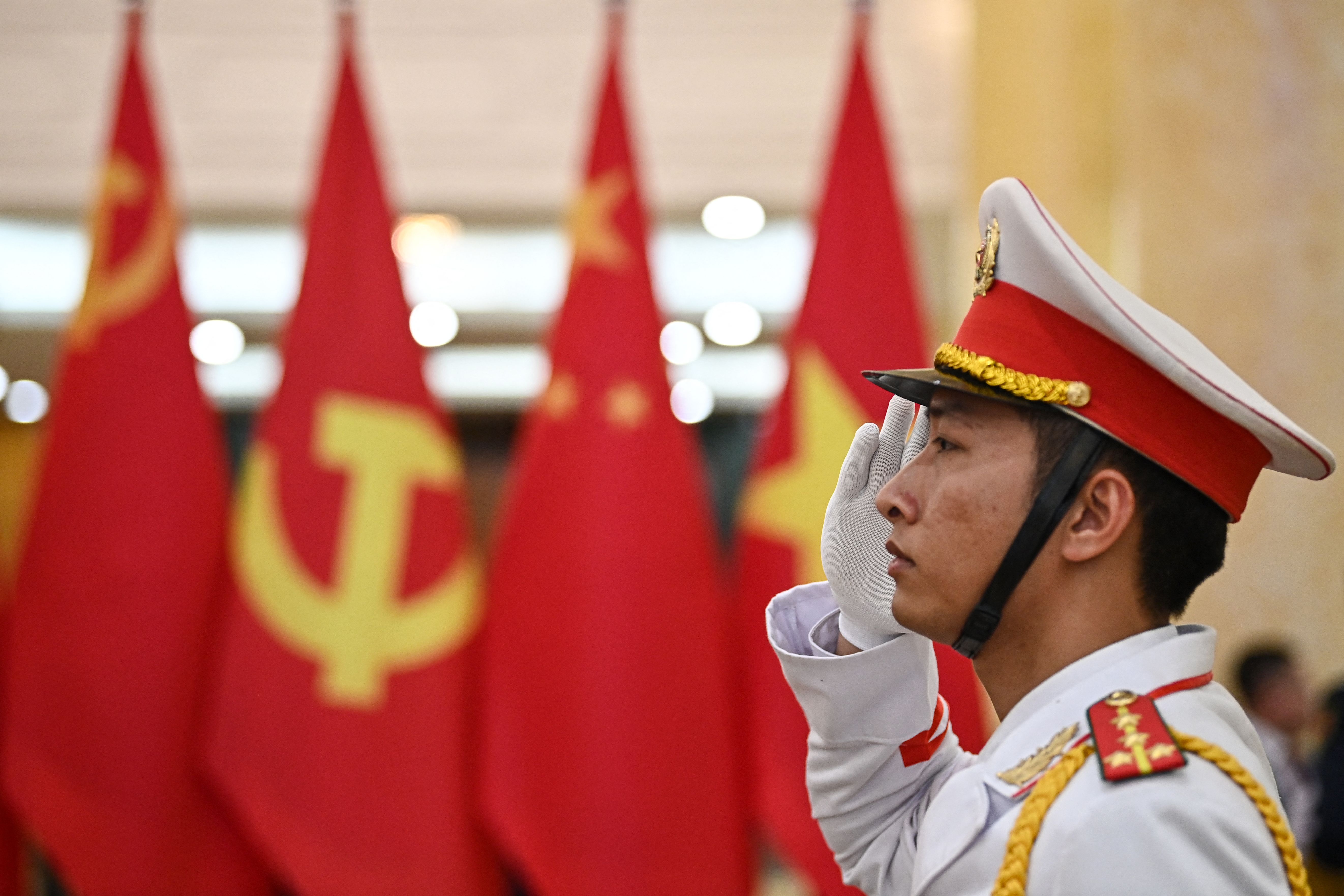
In July 2025, Vietnam and China held their first joint army drill, a modest but symbolic move reflecting Hanoi’s strategic hedging amid U.S.–China rivalry.

Nguyễn Khắc Giang
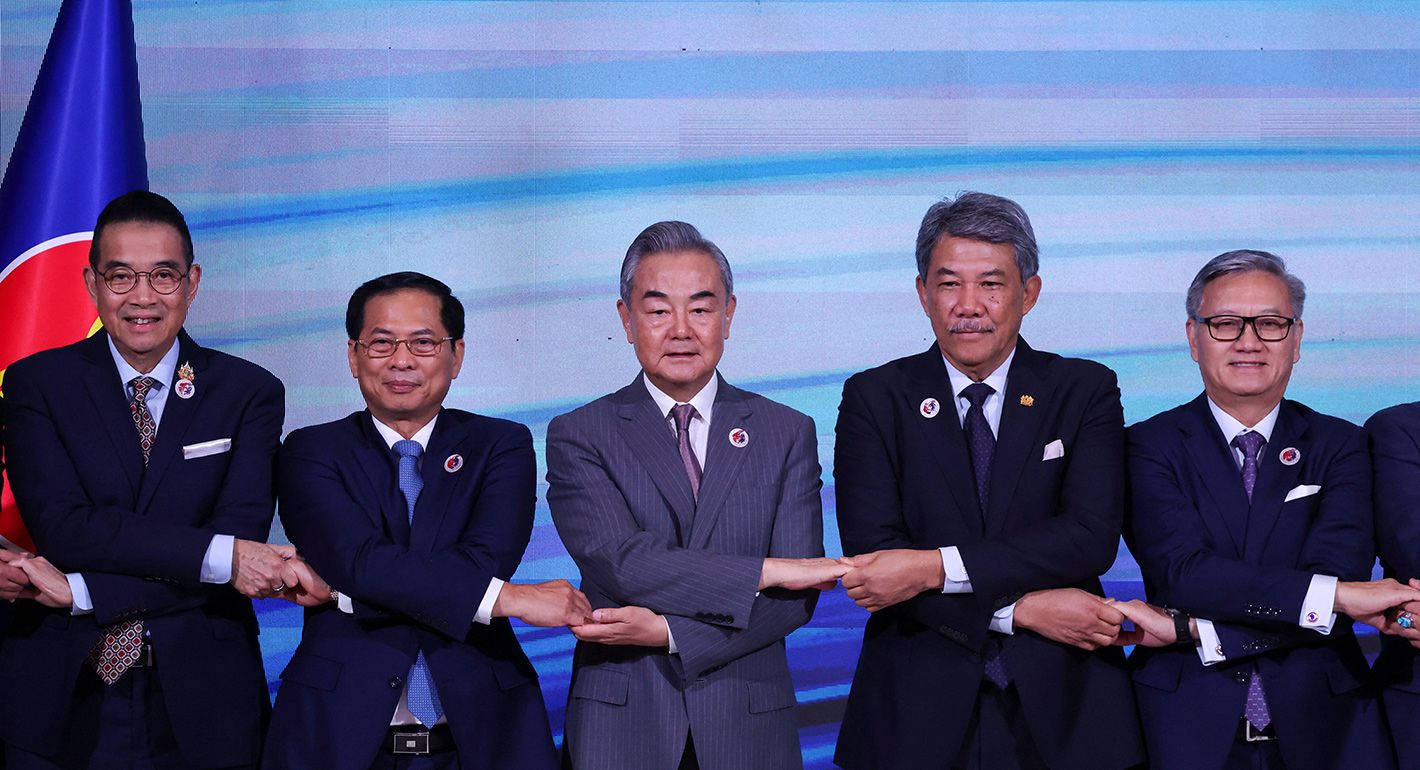
The Thai-Cambodian conflict highlights the limits to China's peacemaker ambition and the significance of this role on Southeast Asia’s balance of power.

Pongphisoot (Paul) Busbarat
Beijing believes that Washington is overestimating its own leverage and its ability to handle the trade war’s impacts.


Rick Waters, Sheena Chestnut Greitens
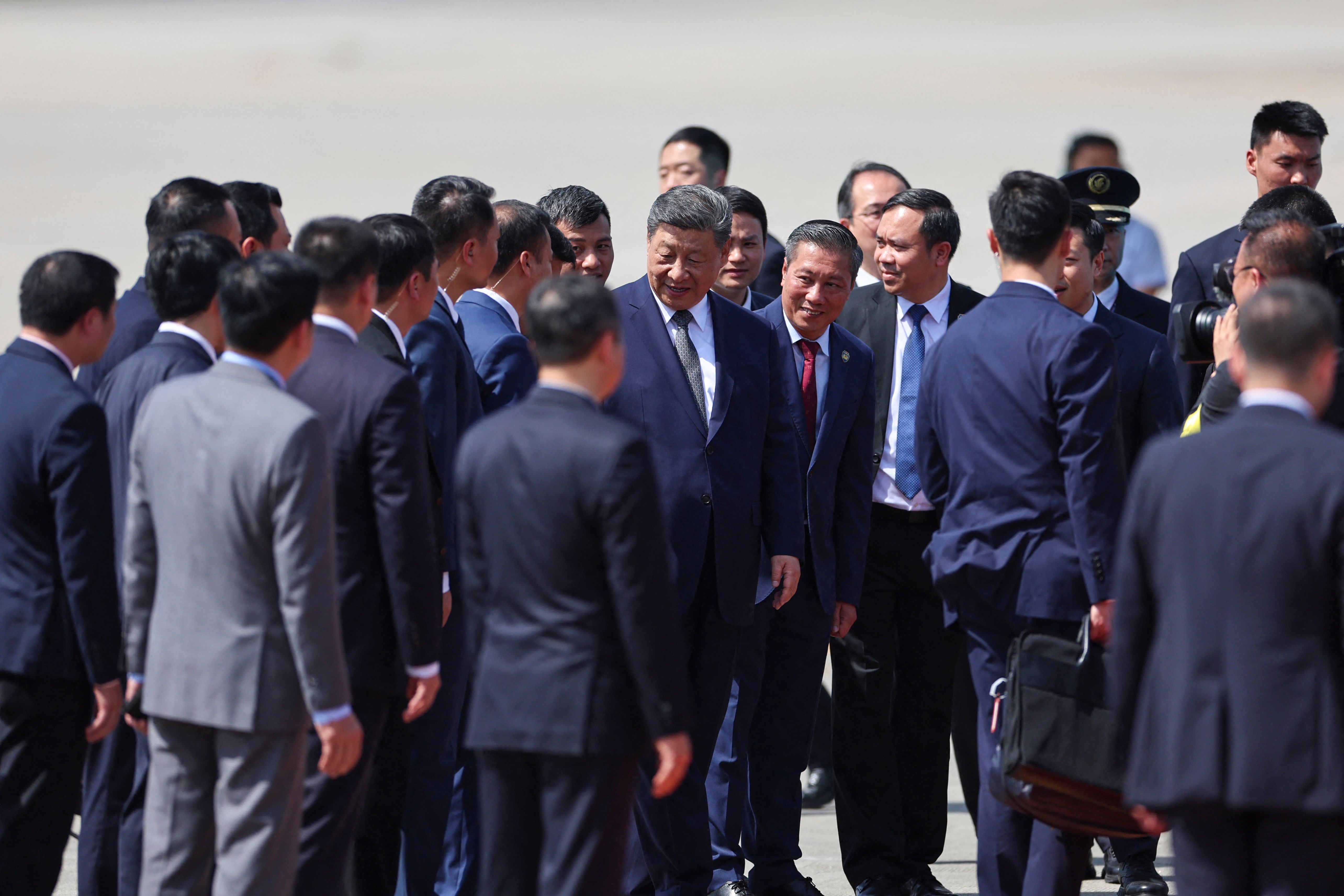
Tapping our network of China experts in the region, Carnegie China offers this latest “China Through a Southeast Asian Lens” report to offer preliminary assessments of whether the U.S. effort to reshape the global trading order will lead countries in the region to tilt toward Beijing.



Selina Ho, Khin Khin Kyaw Kyee, Joseph Ching Velasco, …
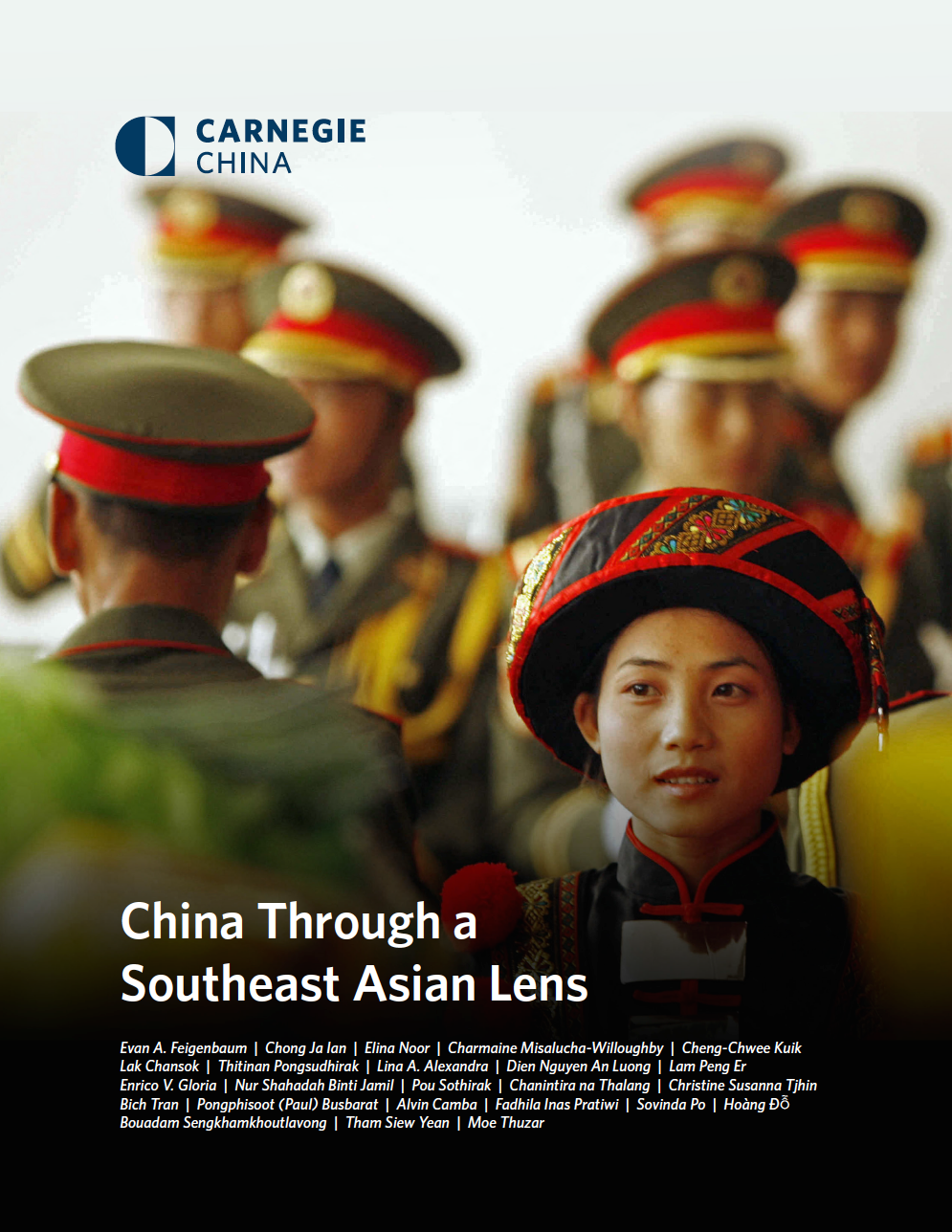
Because strategic, economic, and ideological perceptions of China contain multiple, sometimes contradictory facets in Southeast Asia, receptions of and responses to Beijing diverge across and within state lines.



Evan A. Feigenbaum, Chong Ja Ian, Elina Noor