

Commentary
ASEAN needs to determine how to balance perpetuating the benefits of technology cooperation with China while mitigating the risks of getting caught in the crosshairs of U.S.-China gamesmanship.
Elina Noor
{
  "authors": [
    "R. K. Misra"
  ],
  "type": "legacyinthemedia",
  "centerAffiliationAll": "",
  "centers": [
    "Carnegie Endowment for International Peace",
    "Carnegie India"
  ],
  "collections": [],
  "englishNewsletterAll": "",
  "nonEnglishNewsletterAll": "",
  "primaryCenter": "Carnegie India",
  "programAffiliation": "",
  "programs": [
    "South Asia"
  ],
  "projects": [
    "Technology and Society"
  ],
  "regions": [
    "South Asia",
    "India"
  ],
  "topics": [
    "Economy",
    "Technology",
    "Climate Change"
  ]
}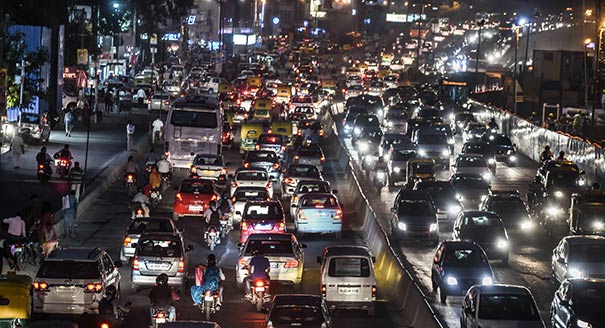
The government has been working to effect a radical shift in Indian energy production and consumption patterns to reduce dependence on fossil fuels.
Source: Livemint
A steady momentum has been building up in India on the clean and renewable energy front. The government has been working to effect a radical shift in our energy production and consumption patterns to reduce dependence on fossil fuels. According to last year’s National Electricity Plan (NEP3) forecast, India will achieve, ahead of schedule, the target of renewable energy being 40% of total power production by 2030, declared at the Paris Climate Change Conference in 2015.
To reinforce its commitments, the government intends that all vehicles sold in India by 2030 should be electric. A recently released NITI Aayog report on mobility transformation outlines a feasible and phased approach to achieve this goal. Developed in partnership with the Rocky Mountain Institute, it presents the government’s vision of a shared, electric and connected mobility paradigm where mobility is a service based on an electric vehicle (EV) fleet, enabled by the convergence of low-cost technologies, smart designs, business model innovation and supportive policies.
The government is leading by example, committing to go all electric for government-use vehicles. The Central government is calling global tenders for the first 10,000 electric cars, of which a pilot phase of 500 cars has already been awarded to Tata Motors Ltd and Mahindra & Mahindra. Among the states, the Karnataka government has taken the lead in formulating India’s first comprehensive EV policy, supporting a complete ecosystem from manufacturing to deployment of charging stations.
EVs for private use have not been very popular in our country owing to range anxiety, high capital cost and long charging time, despite the obvious benefits of very low running costs and zero emission. Coming to public transport, despite a sharp increase in private vehicle ownership over the last decade, India still relies heavily on public transport. The government plans to make public transport more economical and environment-friendly by promoting electric buses. However, the current generation of electric buses with traditional battery technology are prohibitively expensive at four to five times the cost of a diesel bus. Given these challenges, how do we accelerate the adoption of EVs?
“Battery swapping” is the way forward to make EVs affordable and accessible to all. To help bring down the capital cost of electric buses, experts are recommending two things among the various solutions being looked at—reducing the battery size and adopting “swappable” battery technology, thereby bringing down the upfront capital cost while reducing the operational cost and charging time. The Indian auto industry is actively working in this direction as it helps state public transport agencies to induct electric bus fleets without incurring too much additional expenditure.
Coming to smaller EVs, the popularity of shared mobility services like Ola and Uber shows that people living in congested urban centres are not keen on using their own vehicles to commute. Electric cars with swappable batteries make a compelling business case for shared mobility operators, both for upfront capital cost and operational expenses. In fact, the economies of EVs are such that there is a better return for high-mileage use, making them better suited for shared mobility services.
The government is putting together a standardization programme for charging stations and swappable batteries. The standardization process can allow manufacturers to have standard products and protocols which will allow mobility service providers to buy multiple platforms (cars and buses) of vehicles with standardized energy sources and charging infrastructure.
The government’s agenda also focuses on developing an ecosystem to support the EV industry, which will enable various stakeholders to stay connected, enabling a high-functioning, EV-driven public transport system. For example, an electric bus heading for the last stop can signal EV taxis in the area about how many passengers it will be offloading. This ensures optimum onward journey options for the disembarking passengers. Or EVs can communicate with refuelling stations about battery requirements, so there is never a danger of getting stranded. These connected vehicles are also a necessary step towards the inevitable progression to autonomous vehicles. Furthermore, a well-connected EV ecosystem helps develop effective and real-time Big Data analysis for continuous integration and improvement. As states invest in smart city development, they must incorporate the infrastructure necessary to help make the EV vision a reality. A convenient network of recharging and battery-swapping stations, bus depots that provide charging points and batteries for swapping, will bring about changes to benefit the nation economically and environmentally.
The auto industry has been growing at a steady pace and India is now becoming an export hub for small and medium-sized cars. This leaves the auto industry well-placed to go all out on electric, especially with policies that enable an entrepreneurial environment and promote a level playing field. This is an opportune time for the auto industry to embrace the government’s EV push and collaborate with technology and mobility solution providers to capitalize on this opportunity. It will hugely benefit the nation, economically and environmentally, if the auto industry moves quickly to adapt to this inevitable disruption and reap the rewards.
Carnegie does not take institutional positions on public policy issues; the views represented herein are those of the author(s) and do not necessarily reflect the views of Carnegie, its staff, or its trustees.

ASEAN needs to determine how to balance perpetuating the benefits of technology cooperation with China while mitigating the risks of getting caught in the crosshairs of U.S.-China gamesmanship.

Elina Noor
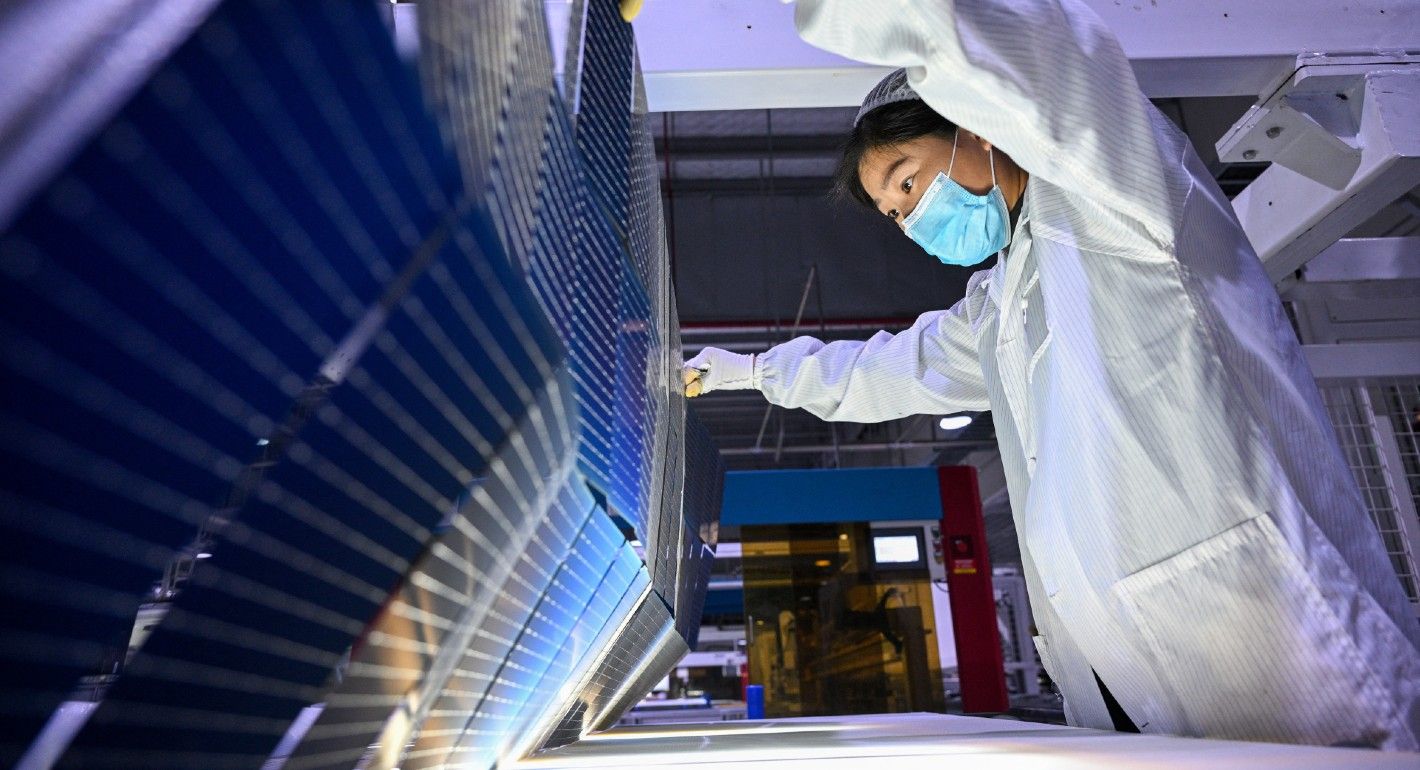
Rather than climate ambitions, compatibility with investment and exports is why China supports both green and high-emission technologies.

Mathias Larsen
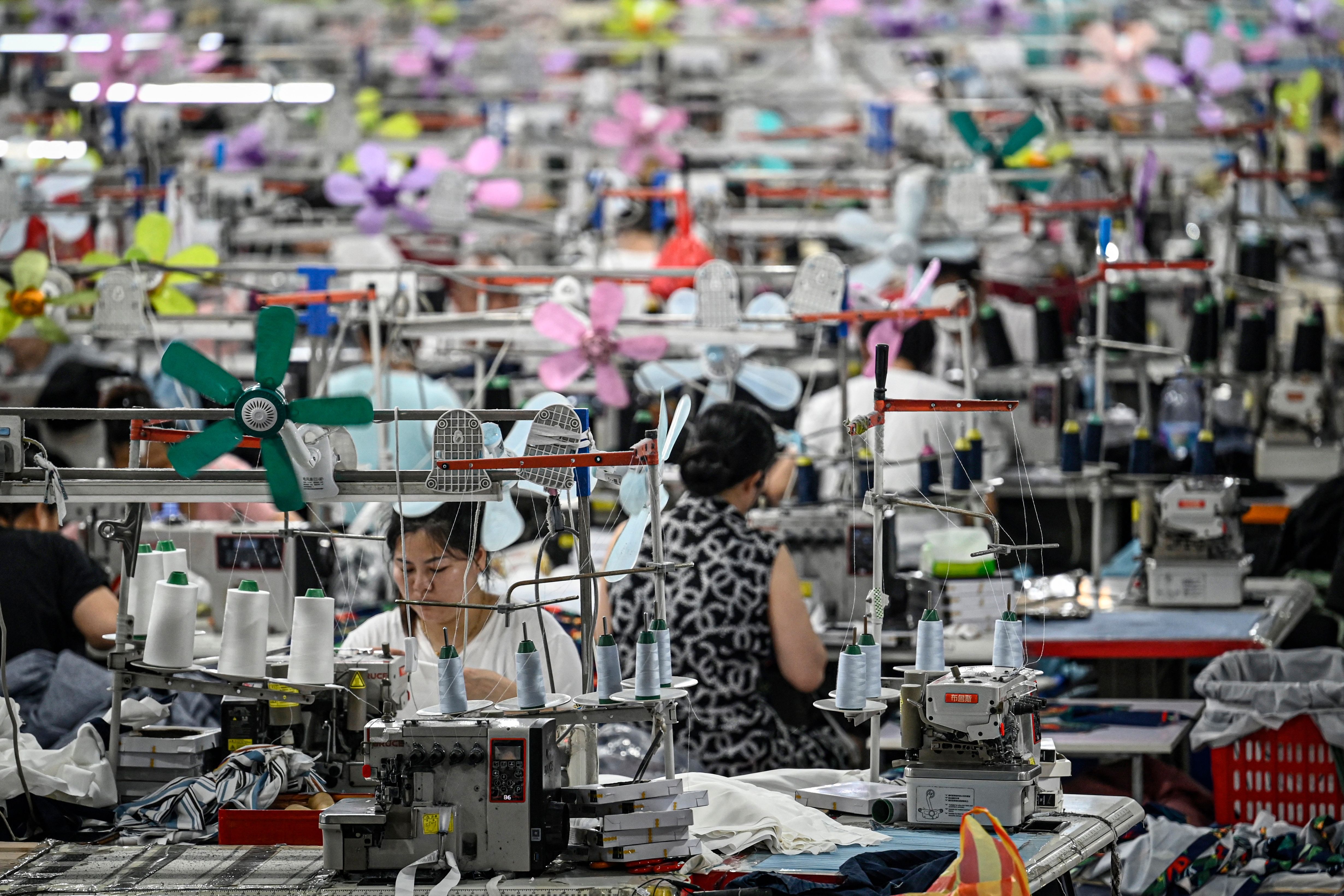
“Involution” is a new word for an old problem, and without a very different set of policies to rein it in, it is a problem that is likely to persist.

Michael Pettis

While China's investment story seems contradictory from the outside, the real answers to Beijing's high-quality growth ambitions are hiding in plain sight across the nation's cities.

Yuhan Zhang

China's stimulus addiction cannot go on forever. Beijing still has policy space to clean up the country's massive debt issue, but time is running short.
Michael Pettis