

Commentary
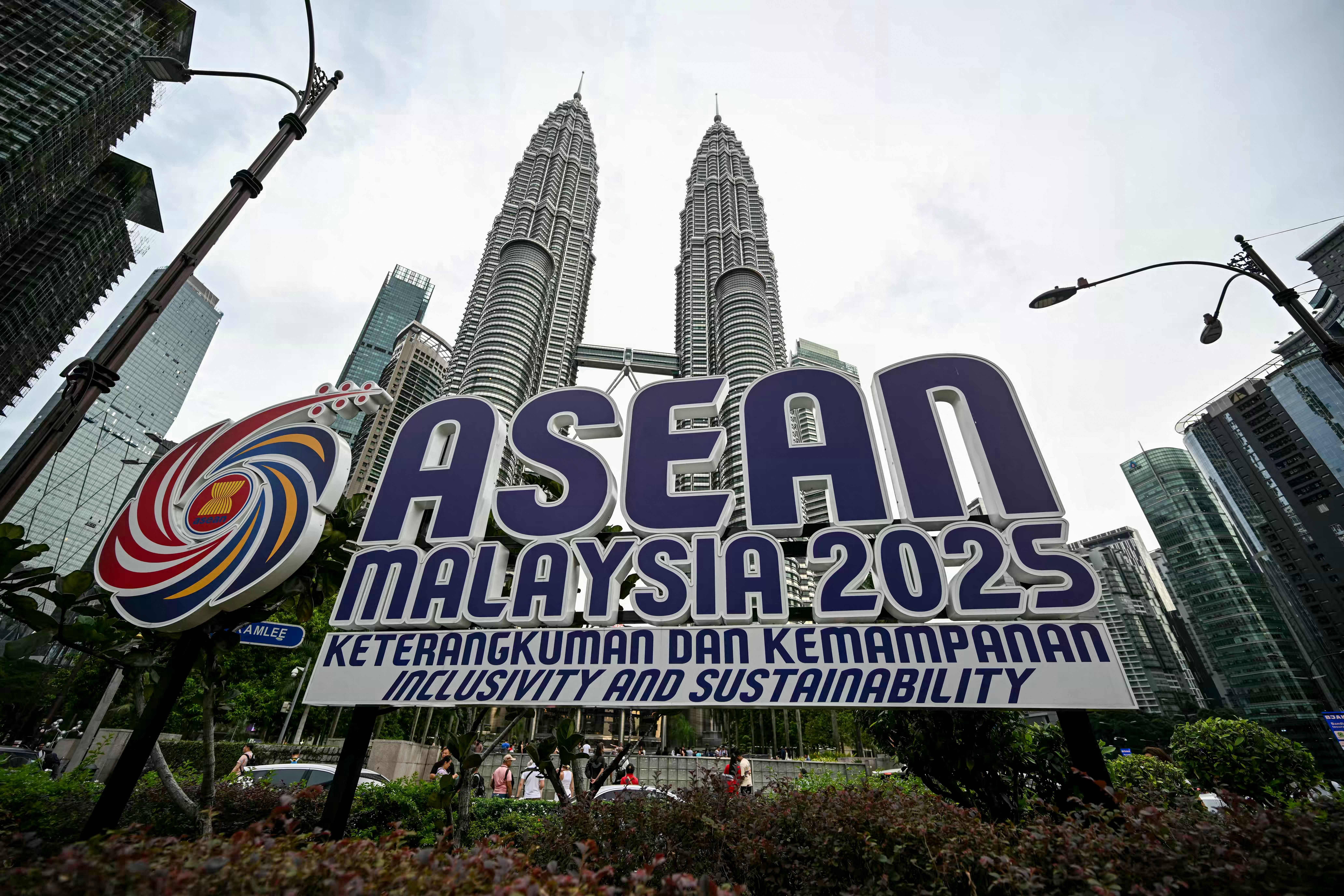
Malaysia’s chairmanship sought to fend off short-term challenges while laying the groundwork for minimizing ASEAN’s longer-term exposure to external stresses.
Elina Noor
{
  "authors": [
    "Frederic Grare"
  ],
  "type": "legacyinthemedia",
  "centerAffiliationAll": "",
  "centers": [
    "Carnegie Endowment for International Peace"
  ],
  "collections": [],
  "englishNewsletterAll": "",
  "nonEnglishNewsletterAll": "",
  "primaryCenter": "Carnegie Endowment for International Peace",
  "programAffiliation": "",
  "programs": [
    "South Asia"
  ],
  "projects": [],
  "regions": [
    "South Asia",
    "India",
    "Afghanistan",
    "Pakistan"
  ],
  "topics": [
    "Security",
    "Military",
    "Foreign Policy"
  ]
}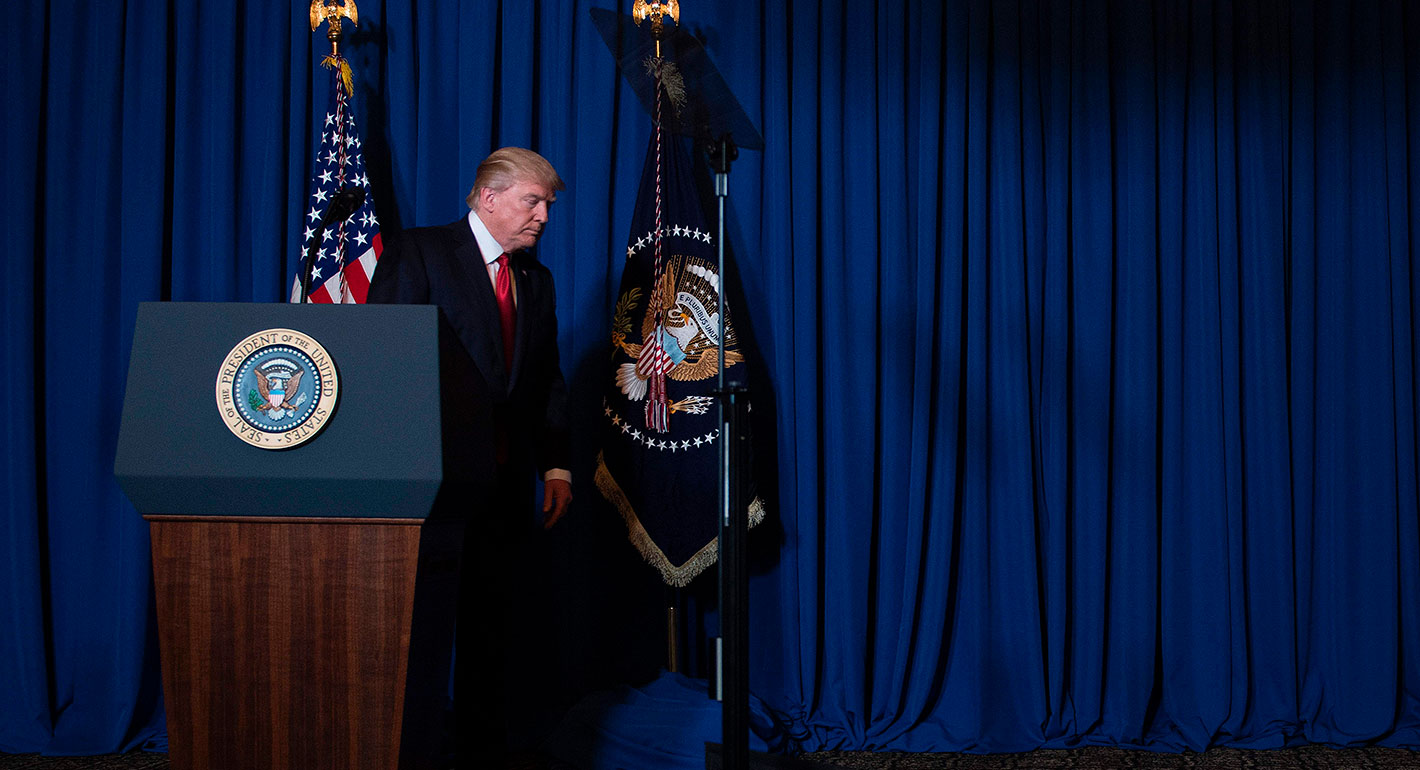
The Trump administration’s strategy in Afghanistan can at best preserve the Afghan regime, share the financial burden with its partners, and mitigate Pakistan’s interference.
Source: East Asia Forum
On 21 August 2017, after months of hesitation and much against his own instincts, US President Donald Trump announced a new strategy for Afghanistan and South Asia. Recognising that ‘a hasty withdrawal would create a vacuum that terrorists, including ISIS and al Qaeda, would instantly fill’, Trump announced a condition-based — as opposed to time-bound — approach designed to prevent the resurgence of terrorist sanctuaries.
The United States will continue to support the Afghan government and military against the Taliban, but a political settlement including elements of the latter is not out of the question. Bound up in the announcement was a call for the Indian government to do more to promote Afghanistan’s economic development. Finally, Trump issued a strong warning to Pakistan that its relations with the United States will not survive if it continues to harbour terrorists who target US troops and officials.
The announcement that the United States will continue its commitment to Afghanistan was welcomed with relief in both Afghanistan and India. But in the absence of any specifics regarding its implementation, the new strategy remains a question mark.
The call for greater Indian participation was de facto recognition of New Delhi’s importance to the resolution of the Afghan conflict but raised questions as to what exactly this importance involves. Since 2002, India has been a strong contributor to Afghanistan’s economy. But how India can have an impact on the Afghan economy at a time when Kabul is facing a contraction of its GDP is unclear. The best the United States can hope for may ultimately amount to no more than transferring part of the economic burden of maintaining the status quo from US to Indian shoulders.
Nor was there indication of what the actual policy on Pakistan would be. Predictably, Pakistan was unhappy about Trump’s speech. Both houses of Parliament passed a resolution condemning Trump’s statements and calling for the government to consider suspending cooperation with the United States (though there was some praise for Trump’s new strategy both in and out of Parliament). Anxiety prevailed and the Minister of Foreign Affairs embarked on a diplomatic tour of Pakistan’s neighbours, including Saudi Arabia, China, Turkey and Iran. But despite Trump’s virulent speech, he has refrained from cutting any funds to Islamabad.
All these question marks seem to indicate that the Trump administration is unclear about how to implement its own strategy beyond the decision to maintain troops on the ground and increase their number slightly. Behind the strong language, there was little that the US President said on 21 August that had not been said by previous administrations.
On Pakistan, the US government seems to be facing the same dilemma as its predecessors. How can the United States retain relations with a state seen as an important regional actor, when that state is also considered the main spoiler of US policy? Strong words alone cannot be a solution. Pakistan has been confronted by similar warnings in the past and has on many occasions demonstrated a remarkable ability to make them irrelevant, most of the time by complying just enough to convince Washington that reforms were in the making, but needed time to be fully implemented. A similar ploy could well be observed again.
Interestingly, China could well be — against all appearances — an ally for the United States in pressuring Pakistan to refrain from using militants as an instrument of foreign policy. Immediately after Trump’s speech, China reiterated its support for Islamabad, lauding Pakistan’s contributions and sacrifices in the fight against terrorism. On the other hand, the declaration issued at the end of the BRICS — Brazil, Russia, India, China and South Africa — Summit held in China in September 2017 did include a condemnation of the Taliban. Incidentally China has on several occasion –Kargil in 1999, the Red Mosque in Islamabad in 2007, Mumbai in 2008- blamed Pakistan for its support to or complacency vis-à-vis radical Islamists. While Pakistan was not named and China officially condoned Islamabad’s counter-terrorism strategy, Pakistan’s margin of maneuver is reduced by China being its closest, if not only, ally in the region. Unless Washington decides to strike terrorist sanctuaries within Pakistan itself, which would be a qualitative change in its strategy, it may be increasingly dependent on China for the success of its South Asia policy.
Despite Trump’s rhetoric, the new US strategy may be no more than a recognition that Washington has no real options in Afghanistan. It can at best preserve the regime, share the financial burden with its partners and mitigate Pakistan’s interference — but it can provide no long-term guarantees to any regional actors.
This article was originally published by the East Asia Forum.
Carnegie does not take institutional positions on public policy issues; the views represented herein are those of the author(s) and do not necessarily reflect the views of Carnegie, its staff, or its trustees.
Malaysia’s chairmanship sought to fend off short-term challenges while laying the groundwork for minimizing ASEAN’s longer-term exposure to external stresses.

Elina Noor
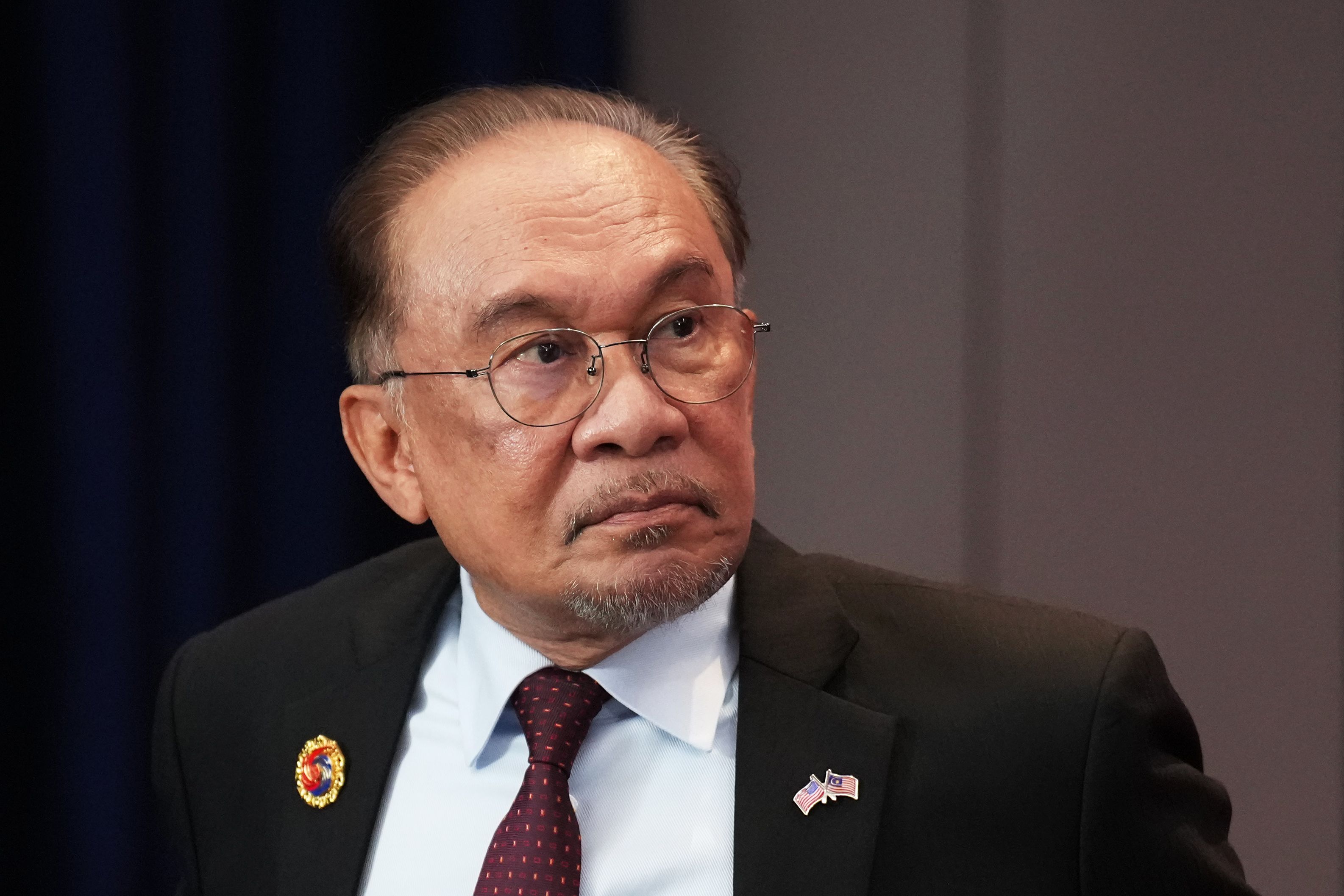
For Malaysia, the conjunction that works is “and” not “or” when it comes to the United States and China.
Elina Noor
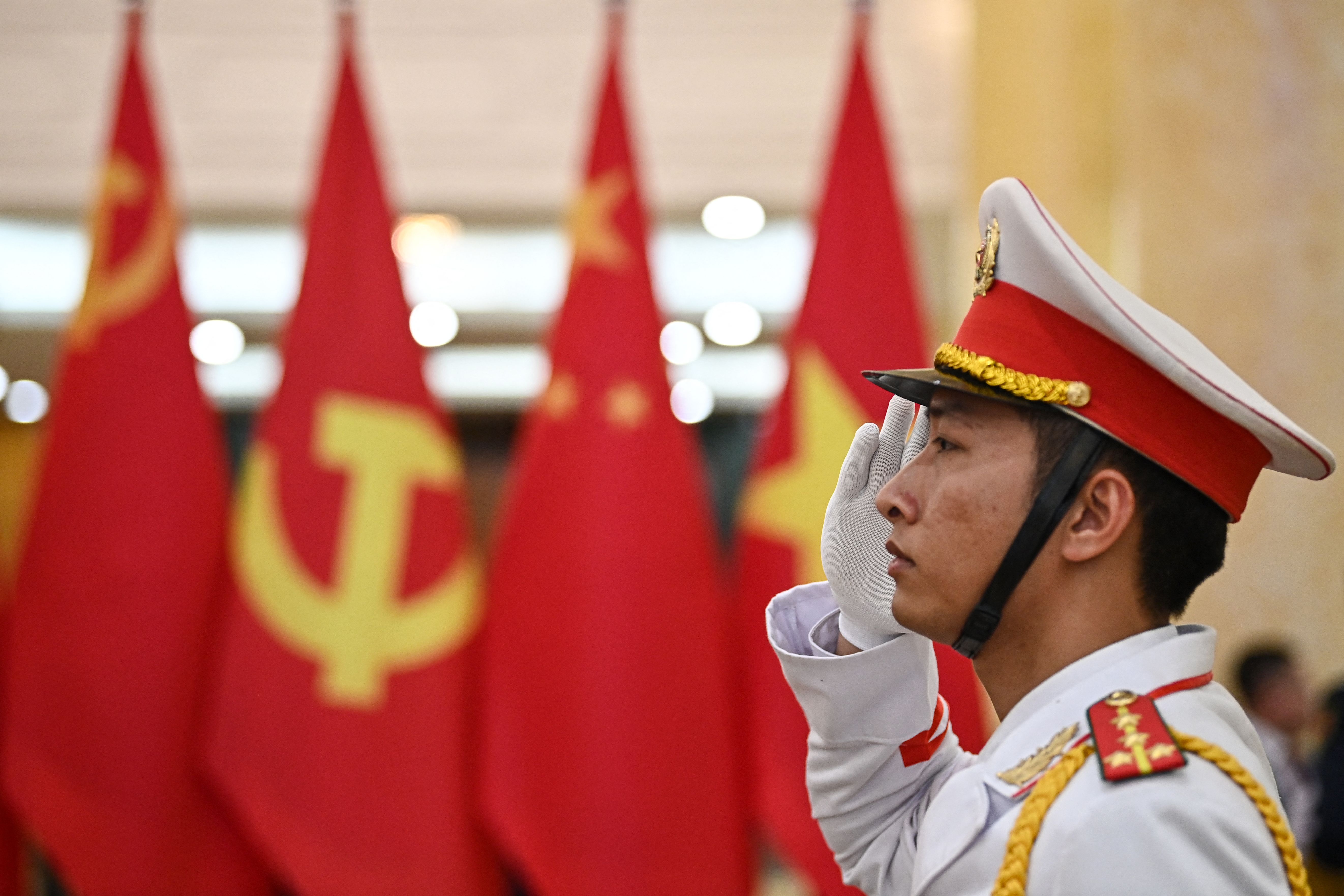
In July 2025, Vietnam and China held their first joint army drill, a modest but symbolic move reflecting Hanoi’s strategic hedging amid U.S.–China rivalry.

Nguyễn Khắc Giang
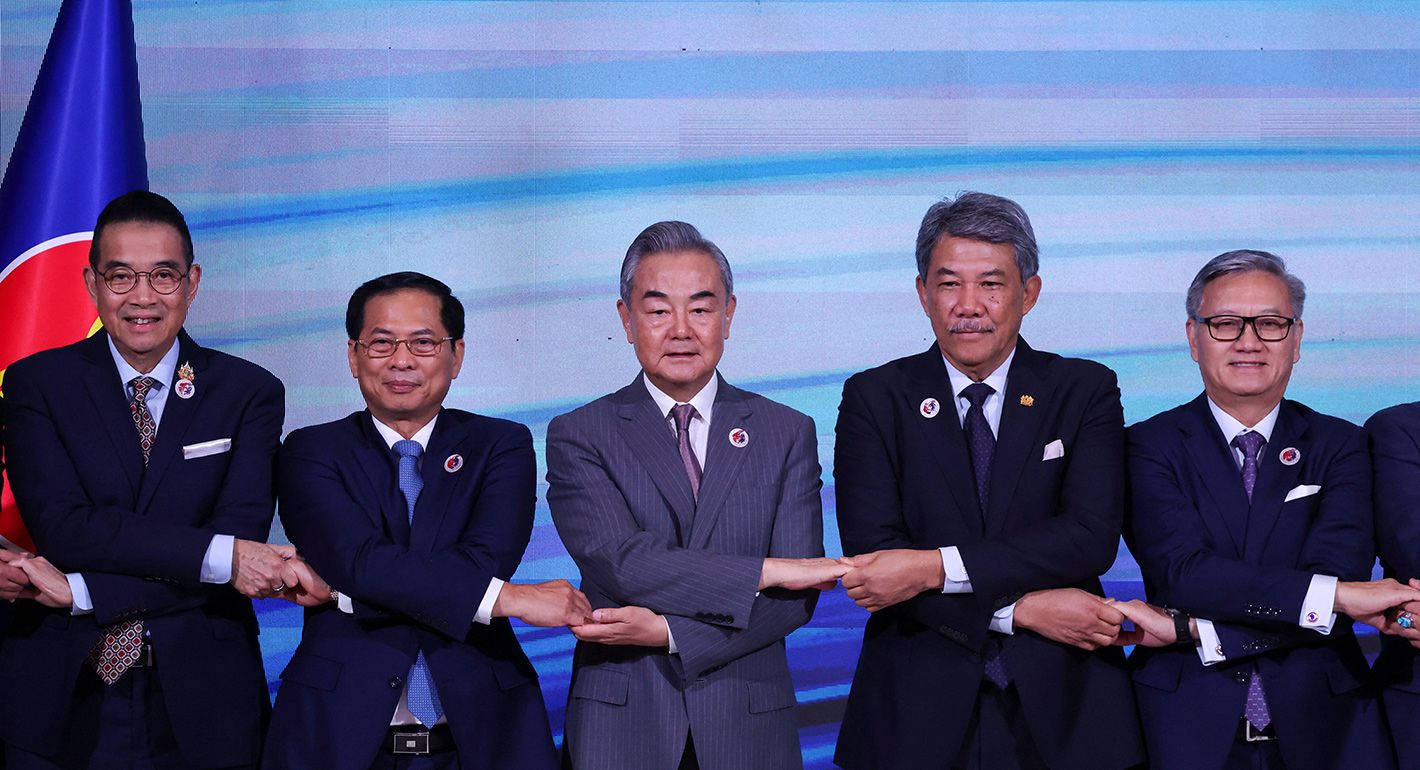
The Thai-Cambodian conflict highlights the limits to China's peacemaker ambition and the significance of this role on Southeast Asia’s balance of power.

Pongphisoot (Paul) Busbarat
Beijing believes that Washington is overestimating its own leverage and its ability to handle the trade war’s impacts.


Rick Waters, Sheena Chestnut Greitens