

Commentary
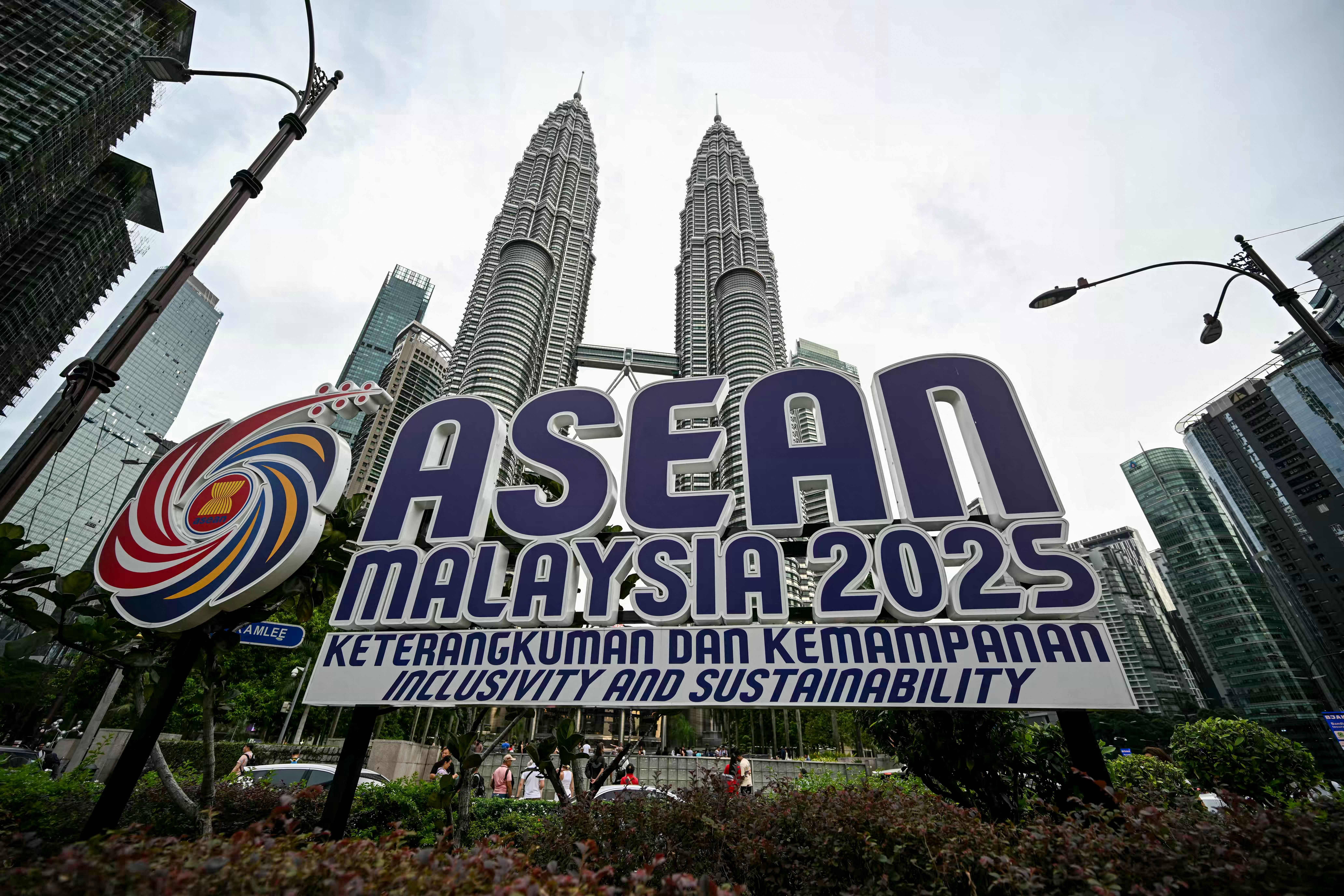
Malaysia’s chairmanship sought to fend off short-term challenges while laying the groundwork for minimizing ASEAN’s longer-term exposure to external stresses.
Elina Noor
{
  "authors": [
    "William J. Burns",
    "Jake Sullivan"
  ],
  "type": "legacyinthemedia",
  "centerAffiliationAll": "",
  "centers": [
    "Carnegie Endowment for International Peace",
    "Malcolm H. Kerr Carnegie Middle East Center",
    "Carnegie Russia Eurasia Center"
  ],
  "collections": [],
  "englishNewsletterAll": "",
  "nonEnglishNewsletterAll": "",
  "primaryCenter": "Carnegie Endowment for International Peace",
  "programAffiliation": "",
  "programs": [],
  "projects": [],
  "regions": [
    "Middle East",
    "Iran"
  ],
  "topics": [
    "Political Reform",
    "Democracy",
    "Foreign Policy",
    "Civil Society"
  ]
}
The Trump administration has an opportunity to reset its Iran policy in a way that puts Washington back in the lead and Tehran on the diplomatic defensive.
Source: Washington Post
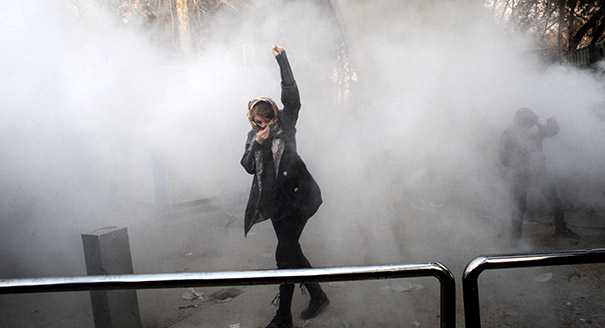
Recent protests across Iran offer a new opportunity for American policy — just not the one to which President Trump is instinctively drawn.
Over the next few days, the president has to decide whether to continue the nuclear deal with Iran. Trump and his team may be tempted to argue that abiding by the deal while the Iranian government cracks down on protesters is a fool’s errand. But that would amount to a strategic own goal. It would make the issue about us, not the vulnerability and wounded legitimacy of a regime out of touch with its people. It would also miss the real policy opportunity before us — to renew international pressure against the Iranian leadership’s threats to the region and its people, while still constraining its nuclear ambitions. The Trump administration could reset its Iran policy in a way that puts Washington back in the lead and Tehran on the diplomatic defensive.
The nuclear deal with Iran reserves the option for the United States to take measures against the Iranian government for non-nuclear transgressions. There is nothing inconsistent with enforcing the nuclear deal and, for example, passing new economic measures that target human rights abusers in Iran, as well as actors outside of Iran who are supplying the Iranian security services with the tools to crack down on and censor civilians. The chances of persuading our European and other partners to join similar measures are substantially enhanced if the nuclear agreement is not abandoned.
Furthermore, rather than turning the Iranian economy into a juggernaut or consolidating the regime’s stability, the agreement deprived the regime of the argument that outside pressure — not chronic mismanagement, corruption and misallocation of resources — is the source of the miserable economic circumstances of most Iranians. Two years into implementation of the deal, the clerical regime is not sitting comfortably in Tehran. Much as the supreme leader feared during the nuclear negotiations, the deal has exposed the regime’s vulnerabilities, not erased them.
Some argue that restoring nuclear sanctions will hasten the end of the regime through economic pressure. Not only is this speculative at best, such a course runs the risk of empowering the Iranian government, creating an us-vs.-them dynamic in Iran that distracts from the moral clarity of the protests. It runs the parallel risk of starting a global battle of who did wrong, Tehran or Washington, while letting the rest of the world off the hook.
Finally, it would give a green light for Iran to break out of the deal’s nuclear shackles, accelerating a nuclear crisis in the Middle East when we already have our hands full with one on the Korean peninsula.
Instead, the Trump administration should signal to its European partners that it will continue to enforce the deal but also expect them to join in a serious campaign to push back against the regime’s behavior at home and abroad. If Iran’s violent response escalates, so should our pressure, making use of sanctions authority we retain outside the nuclear agreement. We should do all we can to make our public condemnations part of a chorus of international statements, not just a solo performance. We should continue to look for ways to enable the information technology and social media tools that connect Iranian citizens to the world and to one another. The administration would also be wise to use this moment to lift its ban on Iranian travel to the United States, which keeps the very people out demonstrating in Iranian streets from coming here to study or visit family.
This strategy should be accompanied by something else that has been missing in the administration’s recent comments: humility. Given the practiced repressive capacity of the Iranian regime, significant political change may be elusive. Instead of appreciating the possibilities and limits of this important moment, the president, vice president and others are going out of their way to make this about political score-settling with former President Barack Obama. Along the way, they are overdrawing the lessons of 2009 and overstating their own capacity to shape events in Iran.
Ultimately, smart support for the Iranian people, and for our strategic interest in a less threatening Iran, lies in keeping the onus on the Iranian regime. It doesn’t lie in blustery tweets or foolish moves to abrogate agreements that only help an adversary change the subject. Balancing different tools is the hallmark of effective U.S. diplomacy, as President Ronald Reagan demonstrated in managing hard-nosed arms-control agreements with the Soviet Union while simultaneously pressing human rights concerns and mobilizing international pressure against dangerous Soviet behavior. That’s not a bad model to follow at a moment when Iran’s internal contradictions are becoming more evident.
This article was originally published in the Washington Post.
Carnegie does not take institutional positions on public policy issues; the views represented herein are those of the author(s) and do not necessarily reflect the views of Carnegie, its staff, or its trustees.
Malaysia’s chairmanship sought to fend off short-term challenges while laying the groundwork for minimizing ASEAN’s longer-term exposure to external stresses.

Elina Noor
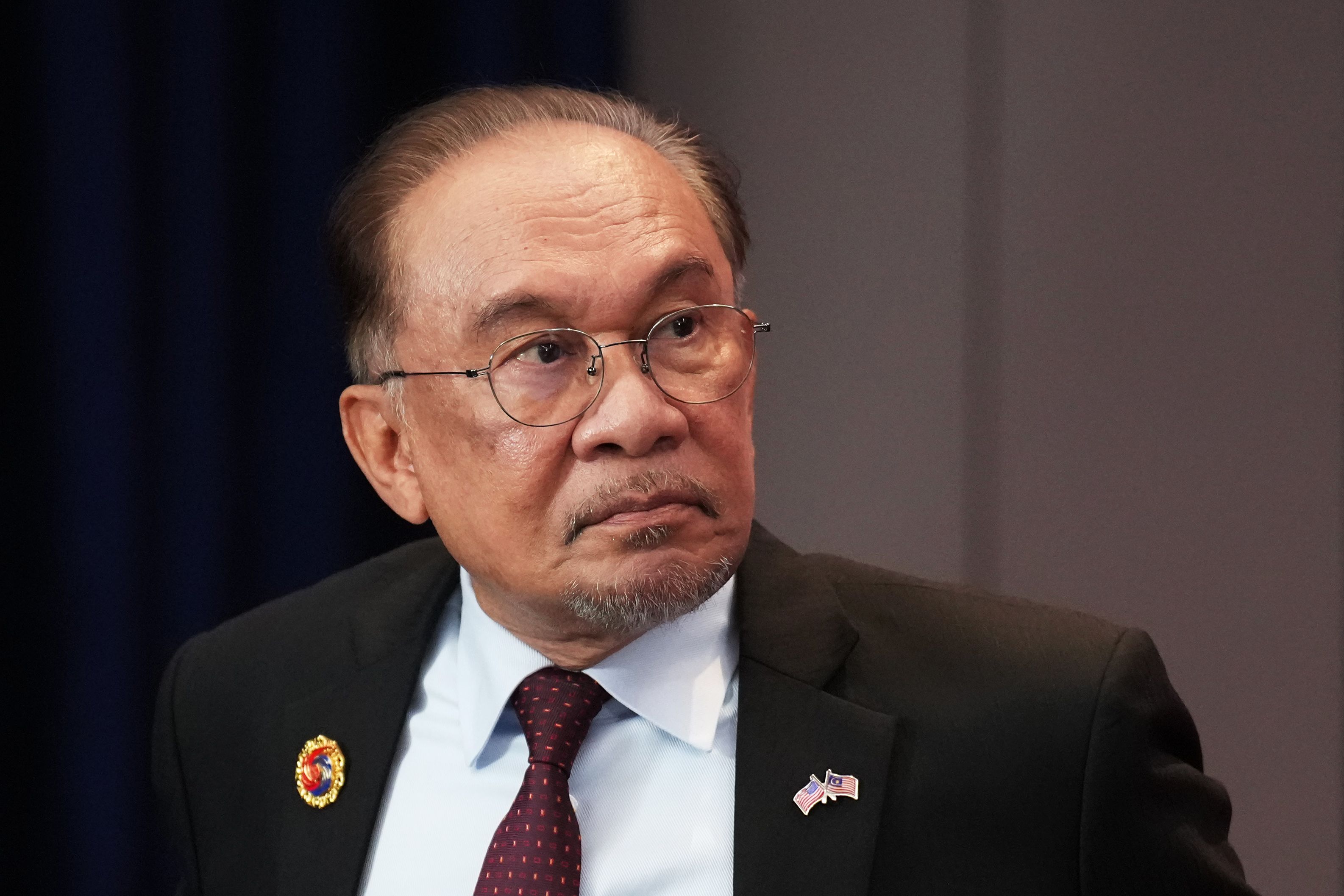
For Malaysia, the conjunction that works is “and” not “or” when it comes to the United States and China.
Elina Noor
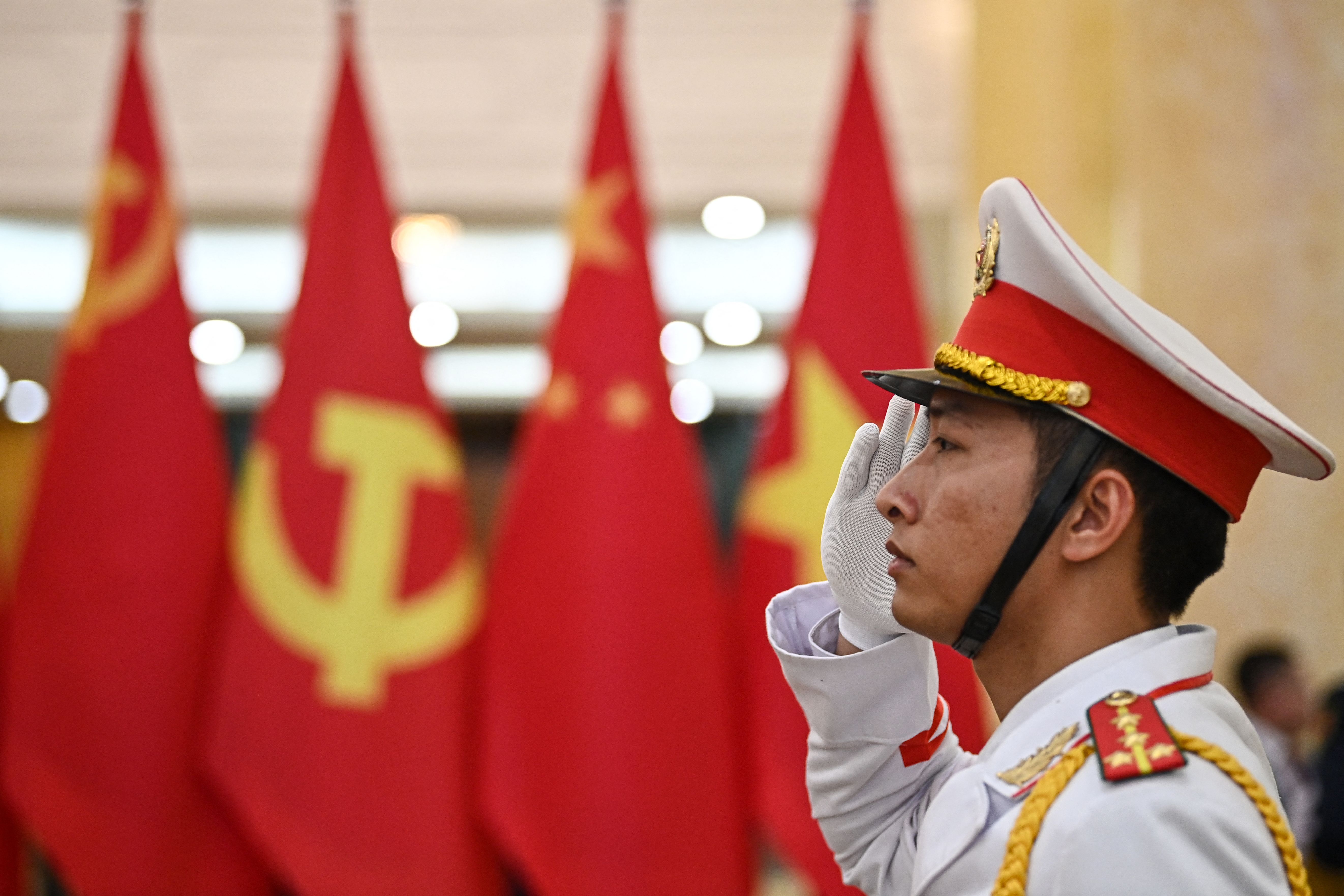
In July 2025, Vietnam and China held their first joint army drill, a modest but symbolic move reflecting Hanoi’s strategic hedging amid U.S.–China rivalry.

Nguyễn Khắc Giang
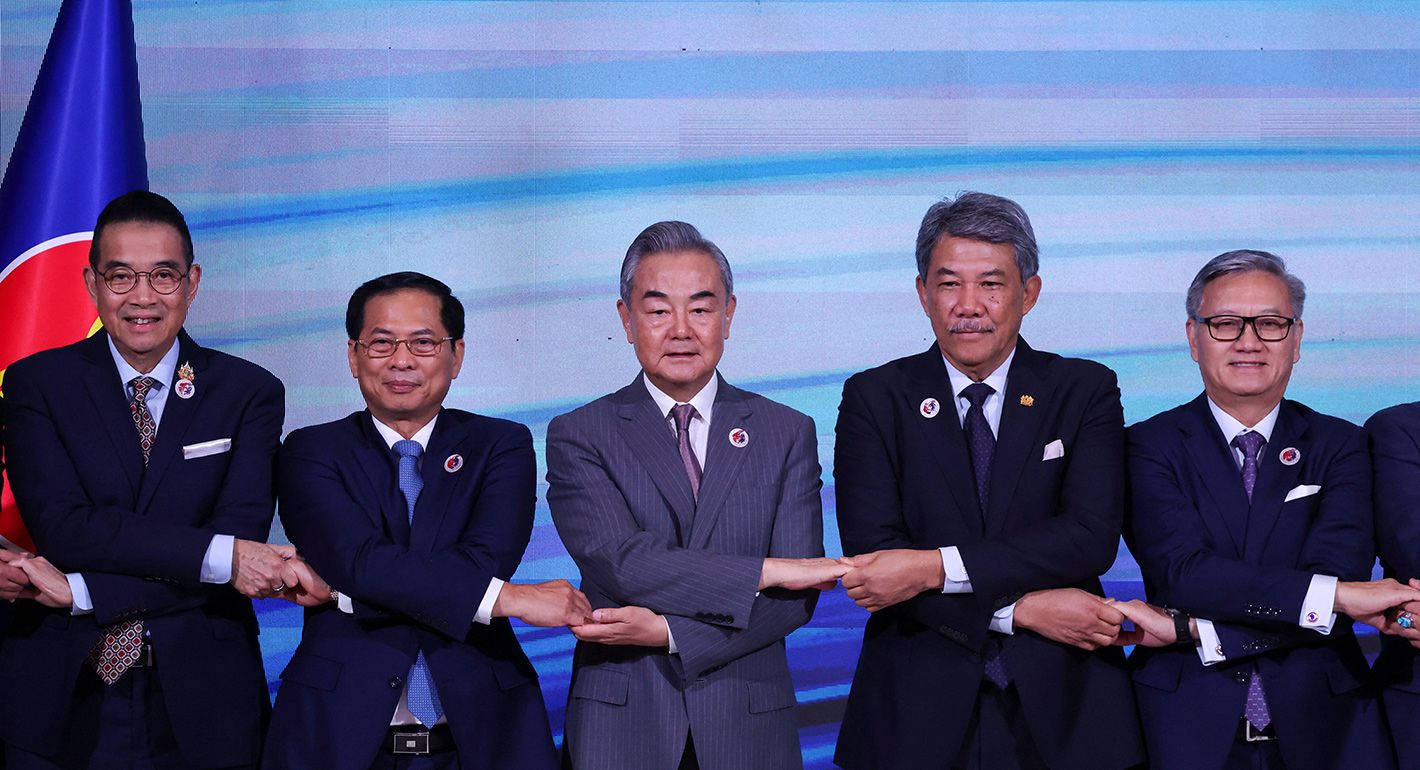
The Thai-Cambodian conflict highlights the limits to China's peacemaker ambition and the significance of this role on Southeast Asia’s balance of power.

Pongphisoot (Paul) Busbarat
Beijing believes that Washington is overestimating its own leverage and its ability to handle the trade war’s impacts.


Rick Waters, Sheena Chestnut Greitens