

Commentary
Malaysia’s chairmanship sought to fend off short-term challenges while laying the groundwork for minimizing ASEAN’s longer-term exposure to external stresses.
Elina Noor
{
  "authors": [
    "Jarrett Blanc"
  ],
  "type": "commentary",
  "centerAffiliationAll": "",
  "centers": [
    "Carnegie Endowment for International Peace",
    "Malcolm H. Kerr Carnegie Middle East Center"
  ],
  "collections": [
    "Iranian Proliferation"
  ],
  "englishNewsletterAll": "",
  "nonEnglishNewsletterAll": "",
  "primaryCenter": "Carnegie Endowment for International Peace",
  "programAffiliation": "",
  "programs": [
    "American Statecraft"
  ],
  "projects": [],
  "regions": [
    "Middle East",
    "Iran"
  ],
  "topics": [
    "Political Reform",
    "Security",
    "Nuclear Policy",
    "Foreign Policy"
  ]
}
The British, French, and German foreign ministers have formally accused Iran of breaking the terms of the 2015 Iran nuclear deal, a step that could lead to sanctions. Are the Europeans preparing to pull the plug?
On January 14, 2020, just shy of the fourth anniversary of the full implementation of the Iran nuclear deal (the Joint Comprehensive Plan of Action, or JCPOA), the UK, France, and Germany triggered the dispute resolution mechanism (DRM), a tool created by the deal to address concerns about noncompliance.
Opponents of the nuclear deal in the United States crowed that this was a European move to restore its traditional alignment with the United States against Iran. But the E3 foreign ministers were careful to describe their “overarching objective of preserving the JCPOA.” Iran’s reaction also does not suggest the end of the deal, somewhat disingenuously claiming that Tehran had already triggered the DRM in response to U.S. noncompliance.
In this case, it is better to listen to the governments that made the decision than the advocates that are trying to spin or even shape it. Rather than ditching the deal, this is more a reinvestment in the JCPOA by European countries that have toyed with other diplomatic models.
To explain why, consider what the DRM is and why it has not been triggered until now.
The DRM is a classic example of how to manage disputes about an agreement reached between adversaries. The JCPOA is a highly technical document, with hundreds of pages of detailed commitments made by all parties (not just the United States and Iran but also China, France, Germany, Russia, the UK, and the European Union). With such detail comes the possibility of detailed disagreements. Because no party would agree to entrust such disagreements to a third party, a structure was needed to allow the parties to meet to settle disputes. The resulting mechanism is essentially just a set of deadlines to prompt negotiations at various levels, starting at political directors, continuing through foreign ministers, and ending at the United Nations Security Council.
While the DRM formally allows any party to complain, the mechanism was actually negotiated as a way to address U.S. concerns that Iran would not fully implement the deal. It is not designed to deal with the repercussions of U.S. noncompliance. At the end of the process is a threat to Iran: the snapback of previous UN Security Council resolutions and sanctions. Basically, if Iran does not comply, all of the earlier UN sanctions against it will be reimposed. There is no similar potential cost to the United States. There is, however, nothing automatic about having the UN sanctions snap back into place. The schedule of consultations and negotiations can be extended by any length of time if the parties agree to do so, and the E3 have been clear that they do not intend to rush through the process.
What does the snapback threat mean to Iran? Quite a bit. First, the resolutions coming back into effect would be under Chapter VII of the UN Charter, labeled as a threat to “international peace and security.” While most of the economic sanctions that would be restored by snapback have been made largely symbolic by U.S. President Donald Trump’s effective “maximum pressure” economic sanctions, snapback would sustain UN limitations on arms sales with Iran, which are otherwise slated to expire in October 2020. Despite the lack of economic benefits currently accruing to Iran under the JCPOA, these are real costs that Tehran would need to weigh if Europe moves toward snapback.
The Trump administration would much prefer to see Europe reach snapback than to win any modest concessions from Iran, because it would support the administration’s goal of making it difficult for a future Democratic administration to revive the deal in whole or in part. The Trump administration is so committed to this idea that they reportedly threatened 25 percent tariffs on European automobiles to force Europe’s hand
The implementation of the JCPOA to date has been, to say the least, disputatious. So why was the DRM only triggered now? There have been at least five moments where it could have been used earlier yet was not:
The E3 have not been explicit about why they did not trigger the DRM before but decided to do so now, but their reasoning explains the meaning and limits of the current move. Throughout 2019, French President Emmanuel Macron made vigorous efforts to restart U.S.-Iran negotiations that would bolster or replace the JCPOA and allow a de-escalation of conflict in the region. The E3 believed that the DRM would undermine this diplomatic campaign. After Trump repeatedly rejected Iran’s minimum price of modest sanctions relief to return to the table, and certainly after Soleimani’s death, that effort is simply no longer viable.
That means that quite contrary to the hopes of JCPOA opponents, the decision to trigger the DRM is not Europe abandoning the JCPOA, but Europe shelving (for now) efforts to negotiate its replacement. Instead, the Europeans are reinvesting in preserving some shell of the Iran deal as a potential platform for diplomacy at a future point, when Washington and Tehran are more willing.
The best-case scenario is probably a continuation of the current crisis, getting a little worse over time but not by too much, until the United States is willing to seriously reevaluate its policies and priorities and reopen diplomatic efforts. The E3 have done a good job sustaining this dangerous status quo instead of allowing it to get worse. Triggering the DRM should be understood mainly as another part of that effort.
Carnegie does not take institutional positions on public policy issues; the views represented herein are those of the author(s) and do not necessarily reflect the views of Carnegie, its staff, or its trustees.
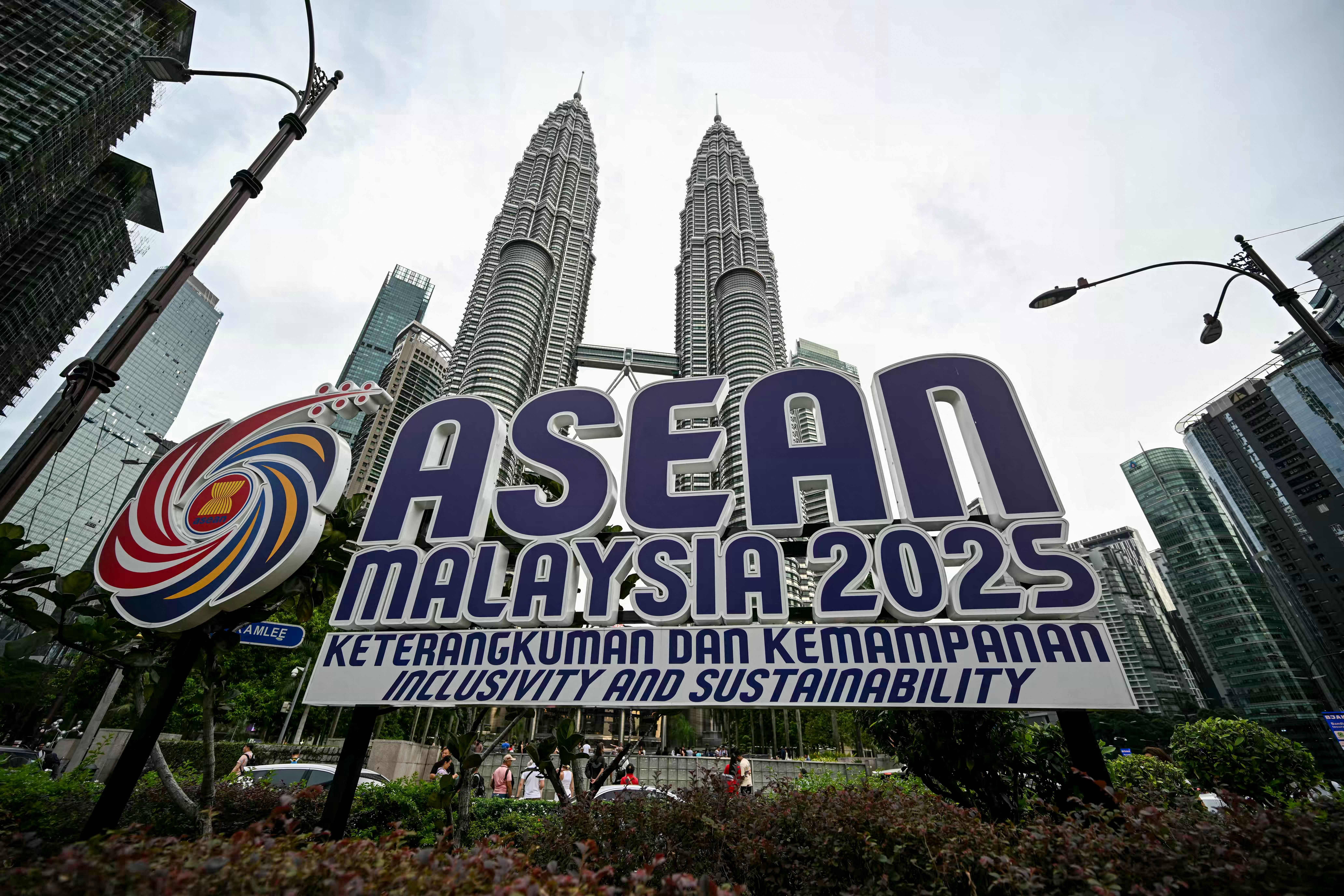
Malaysia’s chairmanship sought to fend off short-term challenges while laying the groundwork for minimizing ASEAN’s longer-term exposure to external stresses.

Elina Noor
For Malaysia, the conjunction that works is “and” not “or” when it comes to the United States and China.
Elina Noor
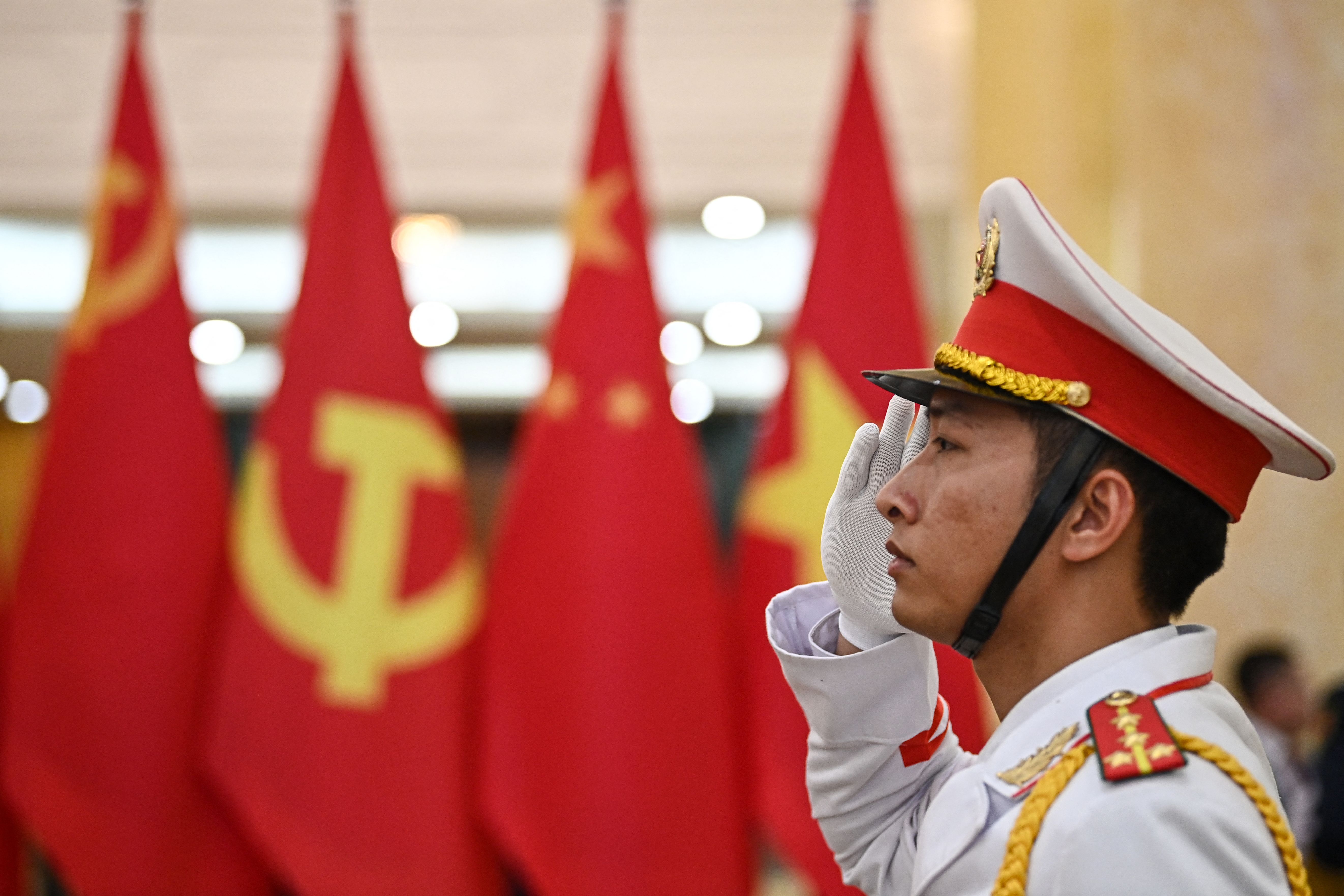
In July 2025, Vietnam and China held their first joint army drill, a modest but symbolic move reflecting Hanoi’s strategic hedging amid U.S.–China rivalry.

Nguyễn Khắc Giang
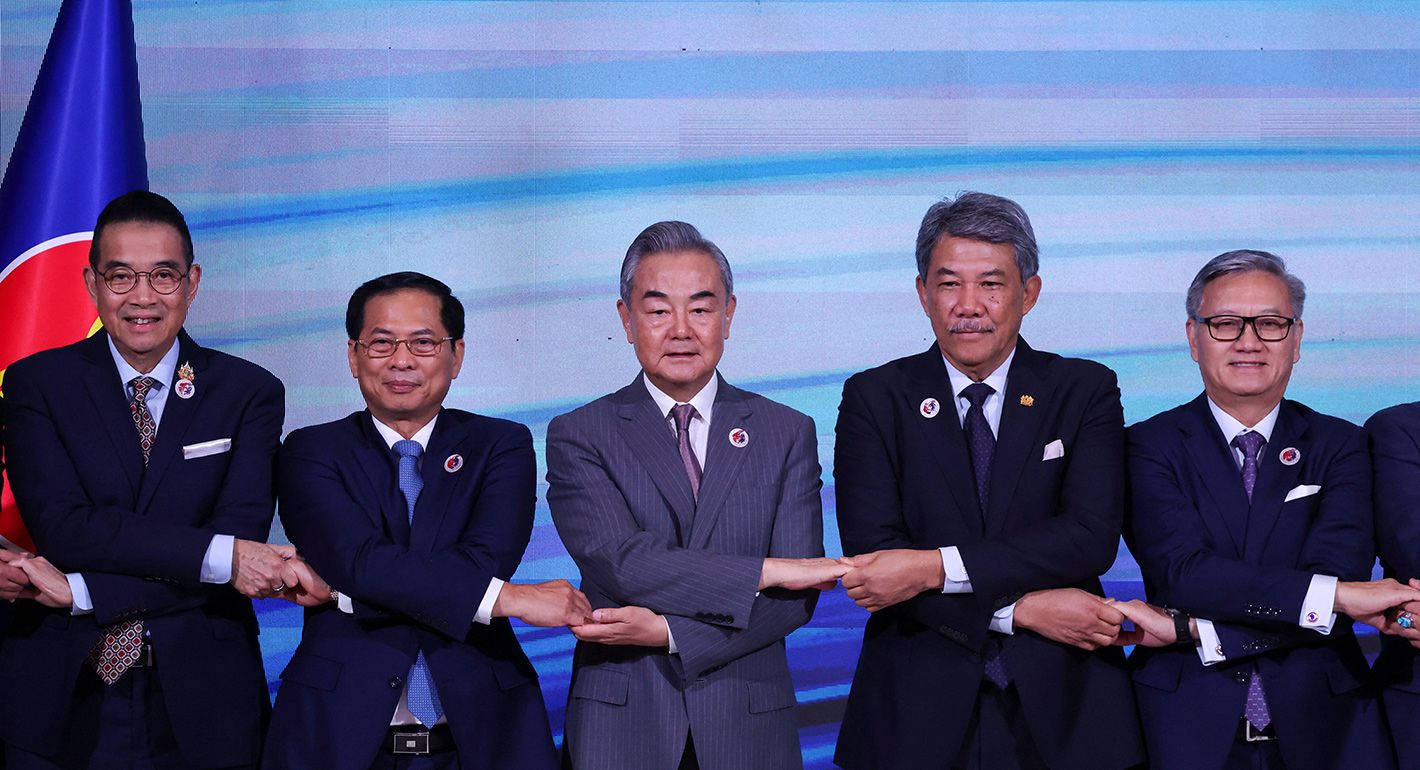
The Thai-Cambodian conflict highlights the limits to China's peacemaker ambition and the significance of this role on Southeast Asia’s balance of power.

Pongphisoot (Paul) Busbarat
Beijing believes that Washington is overestimating its own leverage and its ability to handle the trade war’s impacts.


Rick Waters, Sheena Chestnut Greitens