

Commentary
The advantage that China has over other global powers, especially America, is that its foreign policy is closely aligned with those of many of the Middle Eastern countries.
Jin Liangxiang, Maha Yahya, Hesham Alghannam
{
  "authors": [
    "Ahmed Nagi"
  ],
  "type": "legacyinthemedia",
  "centerAffiliationAll": "",
  "centers": [
    "Carnegie Endowment for International Peace",
    "Malcolm H. Kerr Carnegie Middle East Center"
  ],
  "collections": [],
  "englishNewsletterAll": "",
  "nonEnglishNewsletterAll": "",
  "primaryCenter": "Malcolm H. Kerr Carnegie Middle East Center",
  "programAffiliation": "",
  "programs": [
    "Middle East"
  ],
  "projects": [
    "X-Border Local Research Network"
  ],
  "regions": [
    "Gulf",
    "Saudi Arabia",
    "Yemen",
    "Middle East"
  ],
  "topics": [
    "Political Reform"
  ]
}
Source: Getty
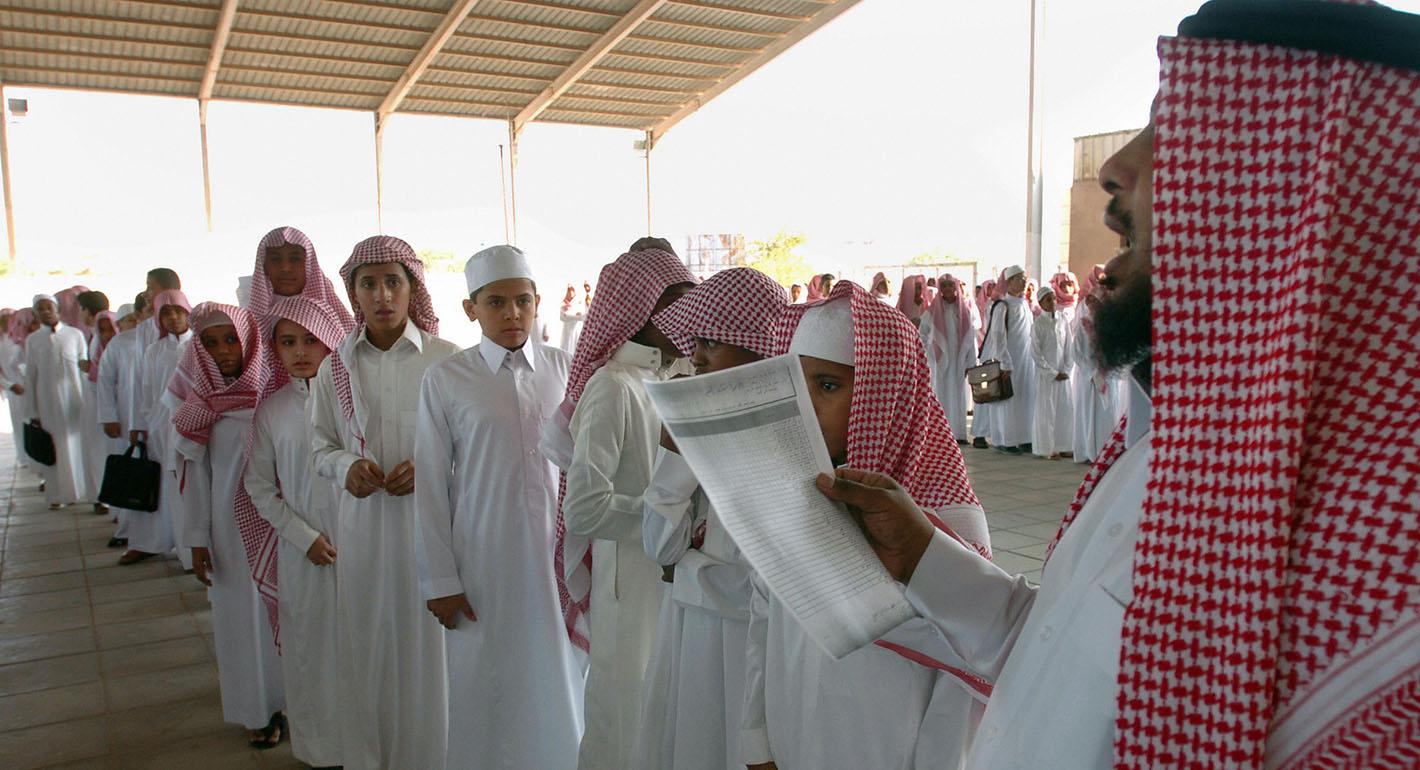
The case of the Salafi groups underscores the complex evolution of cross-border exchange of religious ideas, with external powers able to increase their influence among local communities.
Source: PERIPHERAL VISION
The modernization policies in Saudi Arabia supervised by Crown Prince Mohammed bin Salman have brought about a number of transformations in the structure of state institutions and Saudi society. One of the foremost domains in which change has been visible is religion. It is common to hear that the kingdom’s political-religious system was built on an alliance between the ruling Al Saud family and Wahhabi Salafism. However, Prince Mohammed appears to be moving away from this approach, as he seeks to mobilize the youth by reducing the religious and social constraints imposed as a result of that alliance.
These transformations raise an important question about Saudi ties with Salafism—a branch of Sunni groups that defines Islam as anything the Prophet Mohammed said or did and that was upheld by the first three generations of his followers—which Saudi Arabia helped to spread over recent decades. Support for Salafism was one of the instruments of soft power that the kingdom used to expand its influence in Muslim societies. One place where this happened is Yemen. In 1982, Muqbil al-Wadi’i, a Salafi scholar who had been residing in Saudi Arabia, established Dar al-Hadith in the northern governorate of Sa’da. This is seen as the starting point for the Salafi movement in the country. By backing Wadi’i, the Saudis sought a counterweight to the Zaydi Shia community in Sa’da, leading members of which supported Iran’s revolution of 1979.
Saudi Arabia benefited from the Salafi expansion in Yemen. The Salafis’ discourse portrayed Saudi Arabia as the primary protector of Islam, and Salafi teachings were largely based on the ideas of Saudi Salafi scholars such as Abdel-Aziz bin Baz, Mohammed bin al-Uthaymeen, Mohammed bin Ibrahim Al al-Sheikh, and other figures. Subsequently, the religious divide in Yemen was driven by transnational ideas, with the Saudis influencing the Salafis and Iran influencing the Zaydis, a situation that later fueled the ongoing Yemeni civil war.
While Salafism appears to be declining in importance within the Saudi state, the kingdom has reinforced its alliance with Salafis in Yemen, even expanding cooperation in some areas as conflict rages on. Given their ideological differences with the Iran-backed Houthis, Salafi groups have become a significant force supported by the Saudi-led Arab coalition. Several military brigades dominated by Salafis were able to alter the balance of power on vital military fronts. For example, the Salafi Giants Brigades, which are supported by both Saudi Arabia and the United Arab Emirates, spearheaded the operations to control Yemen’s western coastal areas in 2017 and 2018. They again made major gains in the more recent battle for Shabwa.
The changing relationship between the Saudi state and Salafis in Saudi Arabia has been accompanied by transformations in the Salafi environment in Yemen. Traditionally, Yemeni Salafis are divided into three categories: Salafi-jihadis; political Salafis, who have Salafi roots but follow the path of political Islamist movements by involving themselves in politics, such as Al Rashad Union Party and the Peace and Development Party; and traditional Salafis, which encompasses most Yemeni Salafis. While the traditional Salafi schools have historically abstained from engaging in politics, prioritizing obedience to the ruler (wali al-amr), this principle was shaken by the Houthi takeover of the Yemeni capital, Sana’a, in 2014. The Salafis woke up to the fact that the Zaydi Houthis, whom they opposed, had become the dominant military force in Yemen.
This change in the political context prompted many followers of traditional Salafism to reconsider their quietist principles, as they found themselves at the center of a war effort, leading armed groups. Alongside Mohammed bin Salman’s transformations in Saudi Arabia, this reconsideration led to a new relationship between the two Salafi communities—one centered on Saudi support for Salafis who were engaged in a political conflict, not simply spreading their religious doctrine.
Saudi Arabia has three fundamental motives for strengthening its ties with Yemeni Salafi groups. First, there is deep enmity between Salafis and the Houthis, whom Saudi Arabia is also fighting. The clash between the Salafis and Houthis is not only one over doctrine, but also has a military dimension. In 2014, the Houthis took over the Sa’da-based Dammaj Center, the first Salafi school in Yemen, and forced the Salafi community to leave the area. The sense of grievance among Salafis was revived when the Houthis expanded into other areas in which Salafis were present. When the Saudi-led coalition began its military operations in March 2015, the Salafis proved to be reliable partners in the coalition’s ground operations.
A second motive is that the Salafis have no specific political agenda. Their primary aim is to combat the Houthis, based on a religious rationale, particularly after the takeover of the Dammaj Center and the expulsion of Salafis from Saada. This gave the Salafis pride of place among other Yemeni groups that were fighting alongside the coalition, including the Islah Party and southern separatists, who have political agendas that conflict with those of the Saudi-led coalition.
A third motive is to maintain Saudi religious influence in Yemen, which Salafi groups have helped to sustain in the past four decades, and to prevent Salafis from engaging in any compromises with the Houthis. To the Saudis, the agreements that some Salafi leaders signed with the Houthis in areas of northern Yemen in 2014 were alarming. These called for peaceful coexistence, an end to hostile rhetoric, and direct communications between the sides to deal with any issues. The kingdom is providing the Salafis with military and financial support, and at the same time is continuing to fund their religious centers. Although the Yemen conflict has impaired educational institutions in Yemen, Salafi schools continue to operate and are even expanding in several parts in the country, including Aden, Dhaleh, and Mahra.
For the Salafis, having regional backers, such as Saudi Arabia and the United Arab Emirates, is important. Receiving financial support is only part of the reason. The Salafis also seek some sort of legitimacy in their fight against the Houthis, especially after concerns emerged about ties between the traditional Salafis and Al-Qaeda groups. Fighting under the Saudi-led coalition has helped to water down such apprehensions, not least because Salafis have joined the Yemeni government. Indeed, the eight-member Presidential Leadership Council, the executive body of the internationally recognized government, includes the Salafi leader Abu Zara’a al-Mahrami, who is also the leader of the Giants Brigades.
Considering the political and military context in Yemen, the relationship between Saudi Arabia and Salafis there will remain strong, despite the religious changes inside the kingdom. While Saudi Arabia pursues its battle in Yemen, Salafis will remain preferred partners and a key part of the kingdom’s network of influence in the country. The role of the Saudi-backed Salafi groups in Yemen has been shifting over the past years. While Salafism was a form of soft power spread through religious teaching until the past decade, today it is becoming a part of Saudi hard power, transforming its students into fighters on the battlefield. This is not only the case in Yemen, but also in other countries such as Libya, where Saudi-backed Madkhali Salafi groups witnessed a similar transformation. The case of the Salafi groups underscores the complex evolution of cross-border exchange of religious ideas, with external powers able to increase their influence among local communities.
This article was originally published in Peripheral Vision.

Carnegie does not take institutional positions on public policy issues; the views represented herein are those of the author(s) and do not necessarily reflect the views of Carnegie, its staff, or its trustees.
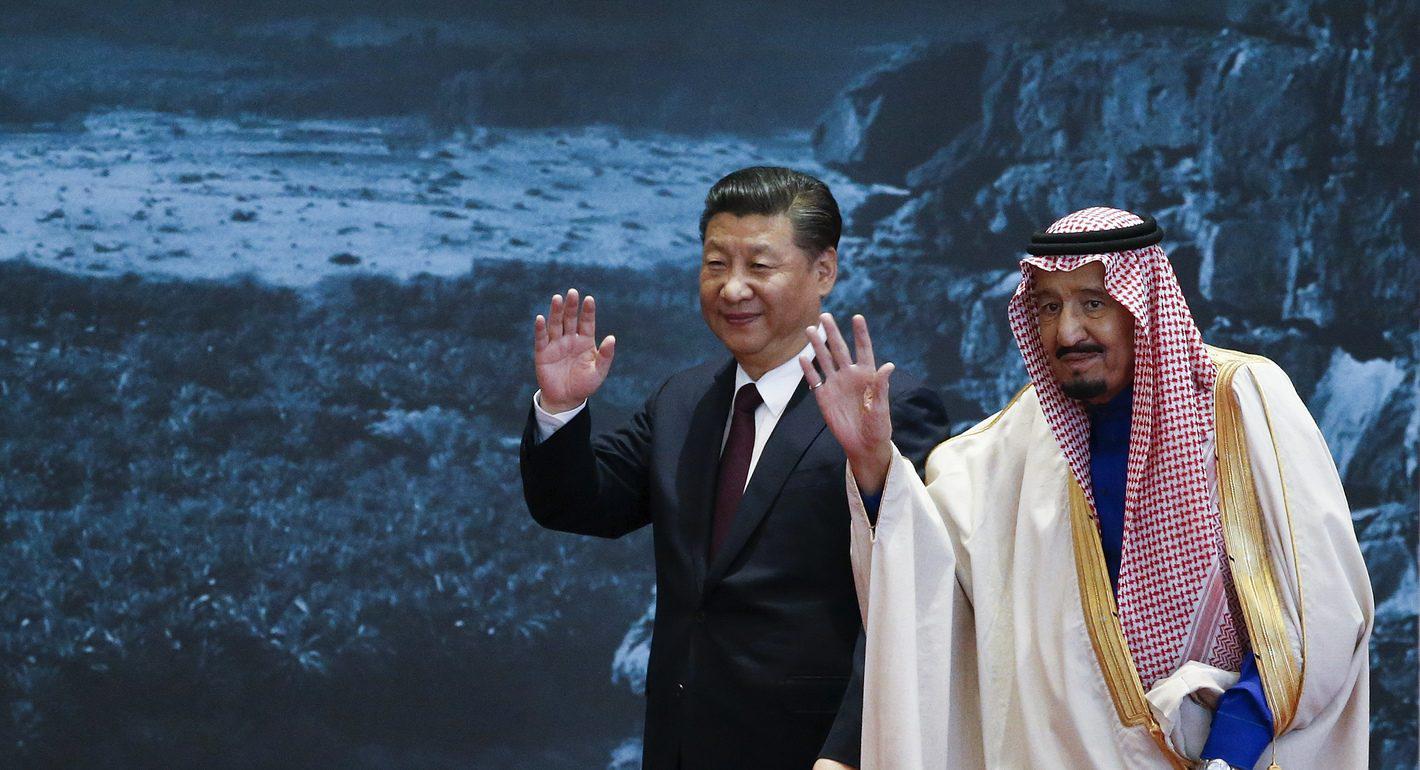
The advantage that China has over other global powers, especially America, is that its foreign policy is closely aligned with those of many of the Middle Eastern countries.

Jin Liangxiang, Maha Yahya, Hesham Alghannam
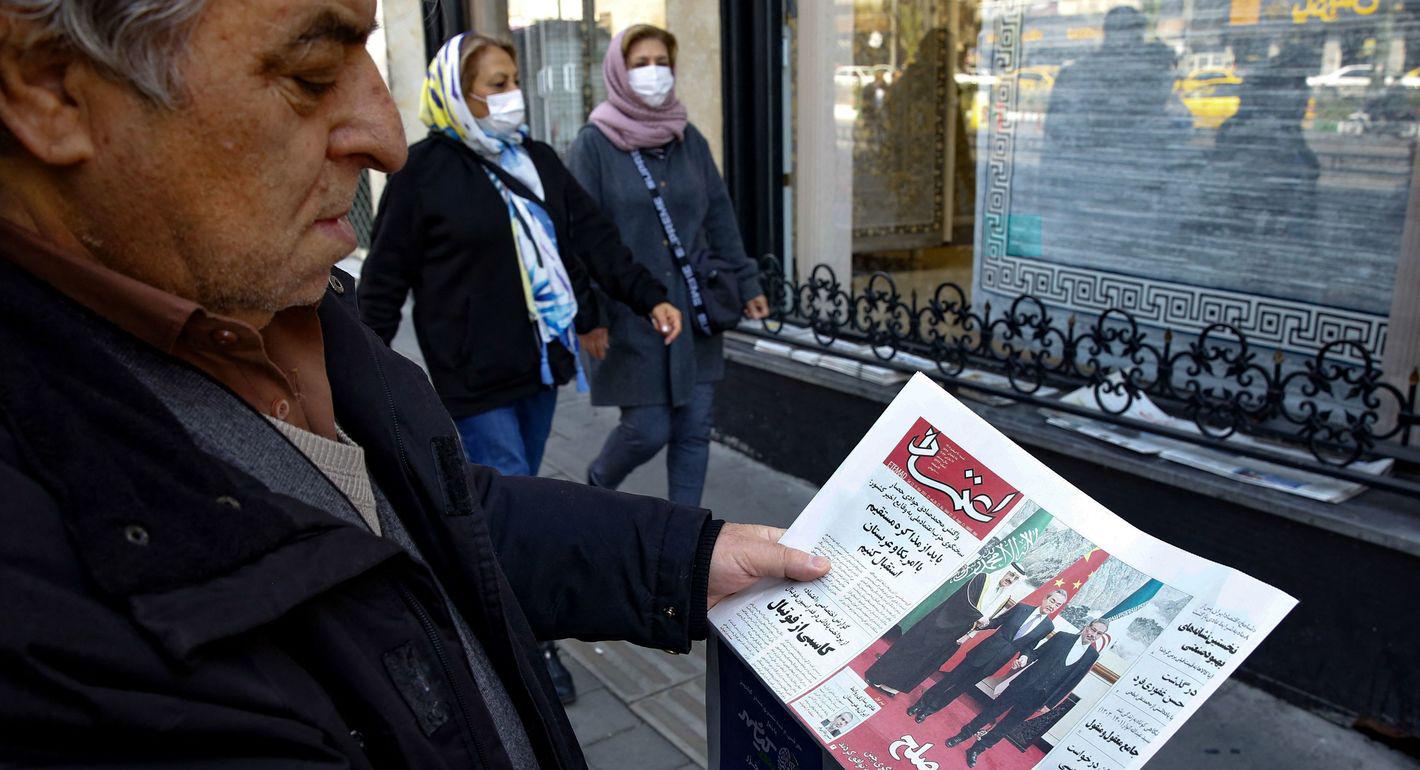
Transactional relationships are stable but can be shallow.


Paul Haenle, Maha Yahya, Benjamin Ho, …
It’s about managing oil prices, bread prices, and strategic partnerships.

Amr Hamzawy, Karim Sadjadpour, Aaron David Miller, …
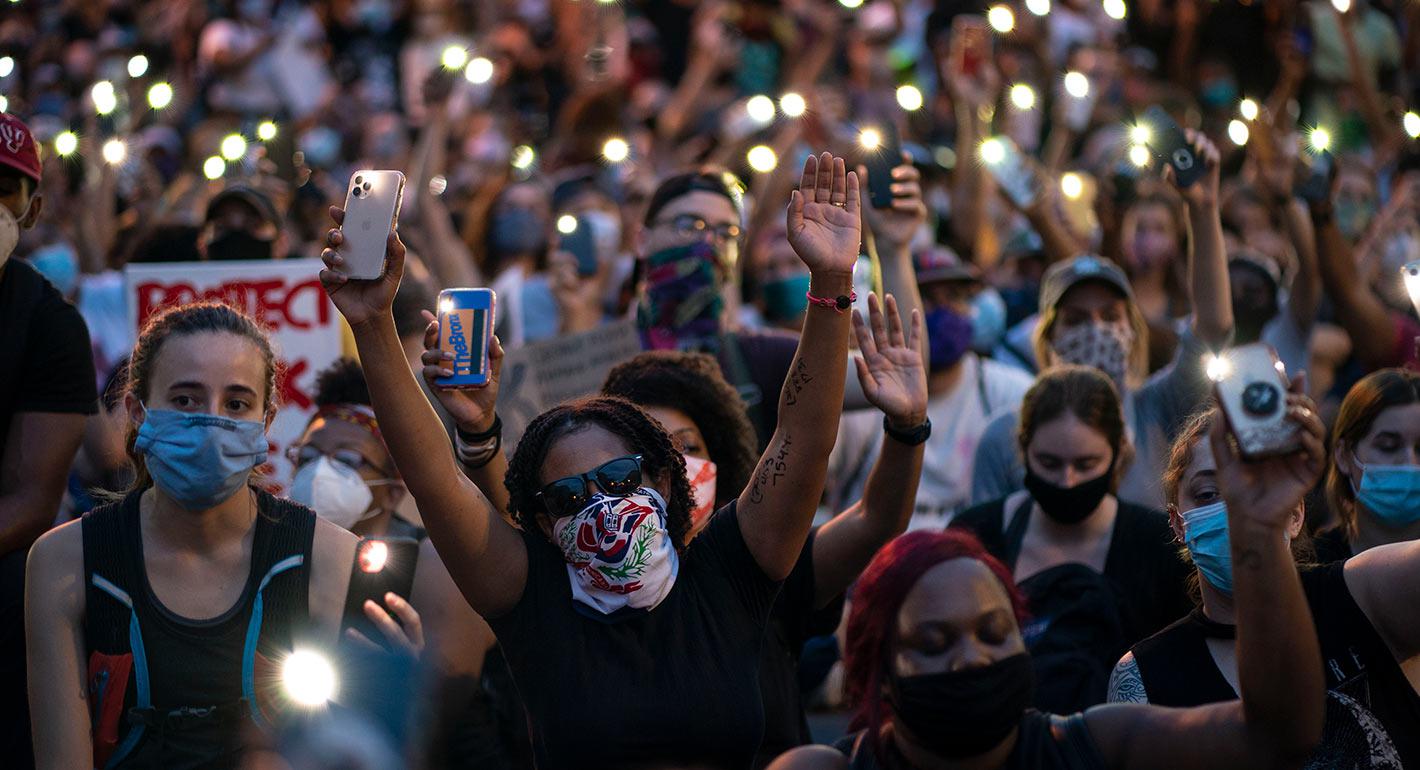
The murder of George Floyd has underscored the deep inequities that have long plagued American society. In a note to the Carnegie community, Bill Burns reflects on Carnegie’s commitment to build a more just future here at home and around the world, without which peace will remain beyond our grasp.
William J. Burns

While the world hoped this pandemic might lead to more cooperation between these two great powers, American and Chinese leaders instead fell into a blame game and allowed their increasing suspicions to guide their decision-making.
Lyu Jinghua