

Commentary
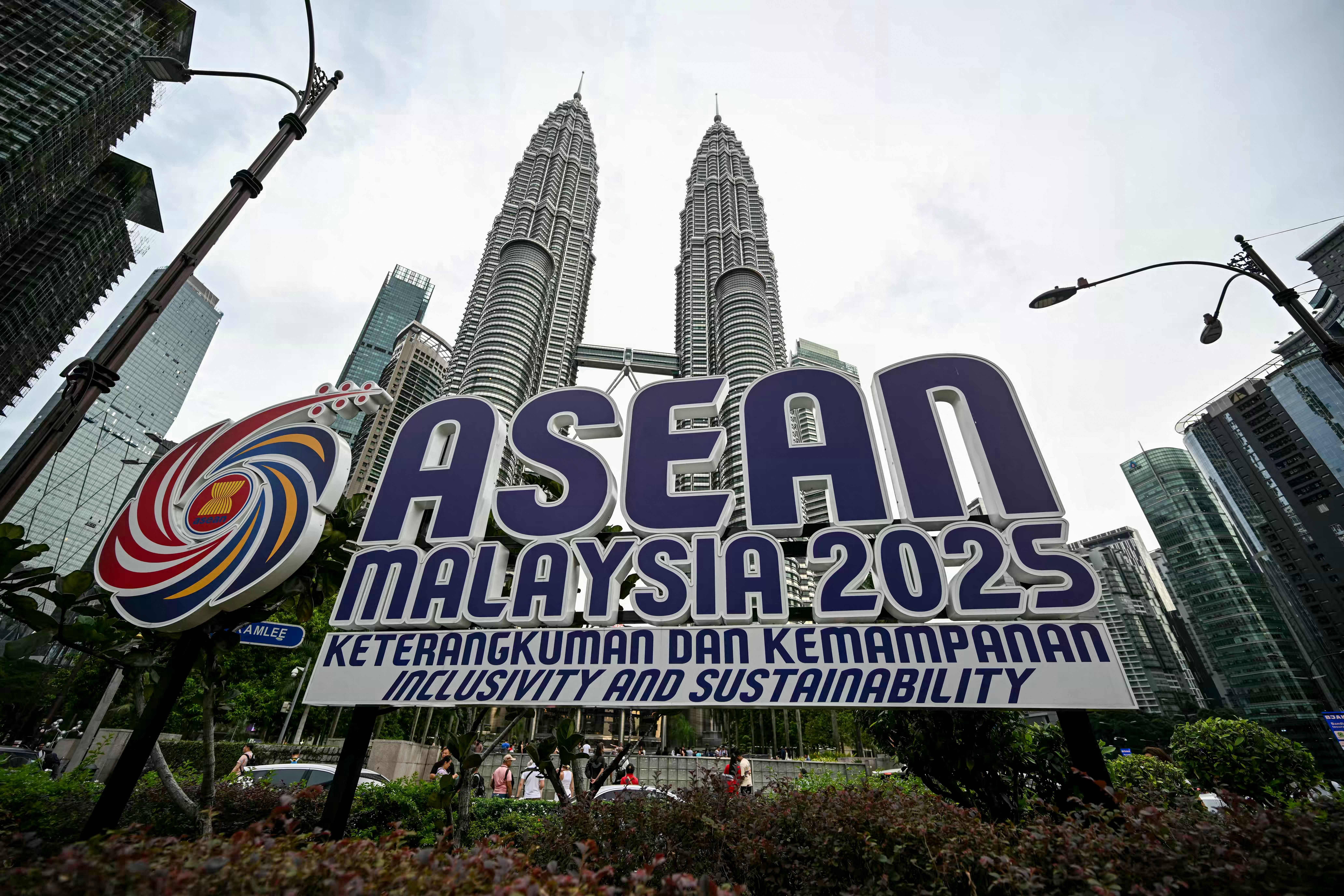
Malaysia’s chairmanship sought to fend off short-term challenges while laying the groundwork for minimizing ASEAN’s longer-term exposure to external stresses.
Elina Noor
{
  "authors": [
    "Cornelius Adebahr",
    "Barbara Mittelhammer"
  ],
  "type": "other",
  "centerAffiliationAll": "",
  "centers": [
    "Carnegie Endowment for International Peace",
    "Carnegie Europe"
  ],
  "collections": [
    "Europe’s Southern Neighborhood"
  ],
  "englishNewsletterAll": "",
  "nonEnglishNewsletterAll": "",
  "primaryCenter": "Carnegie Europe",
  "programAffiliation": "",
  "programs": [
    "Europe"
  ],
  "projects": [],
  "regions": [
    "Middle East",
    "Europe",
    "Iran",
    "Western Europe"
  ],
  "topics": [
    "Foreign Policy",
    "Democracy",
    "Political Reform"
  ]
}
To quell the revolt sparked by Mahsa Jina Amini’s death in 2022, Iran committed crimes against humanity, including gender persecution. EU governments must coordinate to advance judicial accountability of those responsible while protecting vulnerable groups and countering digital repression.
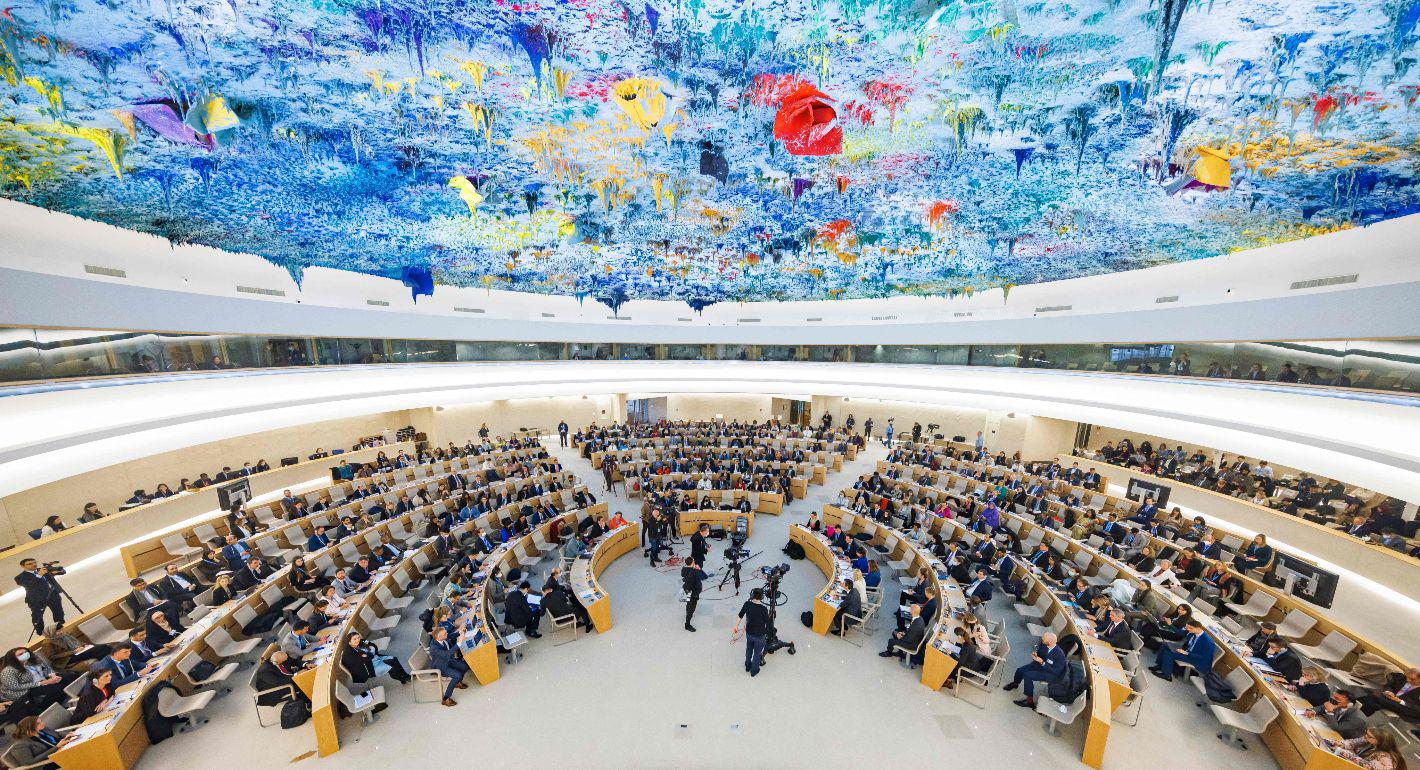
The March 2024 report of the UN’s independent international fact-finding mission on Iran (FFMI) concluded that the regime had committed crimes against humanity, including gender persecution, and other gross human rights violations. There were particularly severe abuses of the rights of women, children, and ethnic and religious minorities. The mission was created in November 2022 and tasked with investigating and analyzing human rights violations in Iran related to the Woman, Life, Freedom uprising after the death in police custody of Mahsa Jina Amini two months earlier. The FFMI report, presented to the UN Human Rights Council, stressed the institutionalized and systemic nature of the discrimination and segregation of women and girls. It established that Iran had committed “gender persecution”—a crime against humanity under international law, which provides crucial mechanisms for enabling the accountability of those responsible.
For those persecuted by the Iranian regime, governments around the world should strive to provide immediate protection, including through visa facilitation and asylum. Now that the UN Human Rights Council has decided on the renewal of the FFMI’s mandate, the EU and its member states should support the mission’s work, push for the investigation of intersectional persecution and violations of digital rights, and enable international accountability in their own jurisdictions as well as through multilateral instruments.
The EU and some of its member states were central in establishing the FFMI to assess the scale of Iran’s most recent violent excesses against peaceful protesters. Going beyond the mission’s impartial work to uphold international human rights, they now need to create political momentum for actual accountability. This means giving full force to the established crime of gender persecution while seeking to define the systemic discrimination of minoritized groups as intersecting acts of ethnic, religious, and political persecution. Through proceedings at the national level, EU member states can uphold these rights and principles in practice, not just in speeches. Finally, the core of any approach that claims to put human security at its center remains the strategic and systematic support of civil society actors, including through the provision of individual protection for those persecuted.
Barbara Mittelhammer is an independent political analyst and consultant. Her research focuses on human security, gender in peace and security, feminist foreign policy, and the role of civil society in foreign policy making.
Carnegie does not take institutional positions on public policy issues; the views represented herein are those of the author(s) and do not necessarily reflect the views of Carnegie, its staff, or its trustees.
Malaysia’s chairmanship sought to fend off short-term challenges while laying the groundwork for minimizing ASEAN’s longer-term exposure to external stresses.

Elina Noor
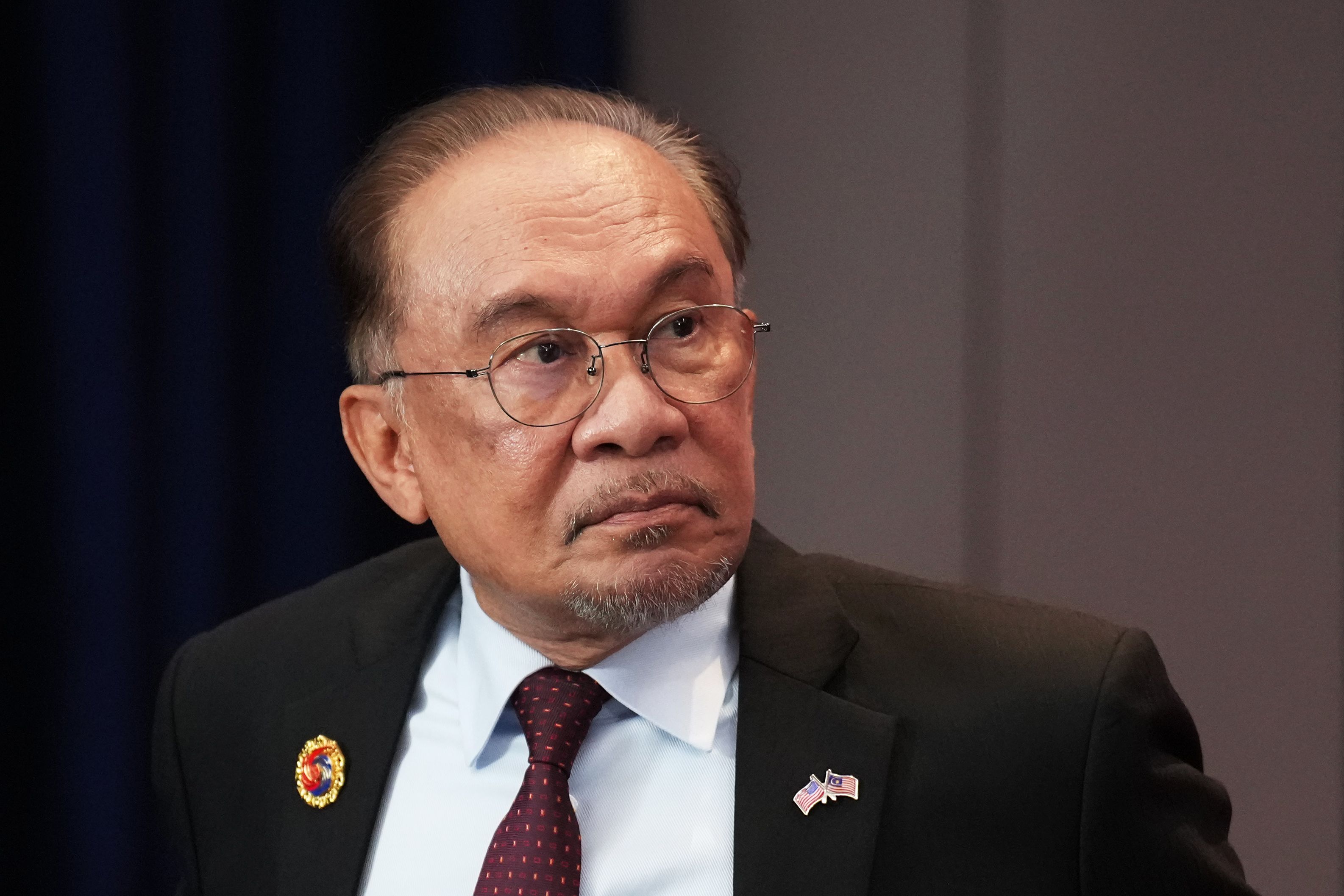
For Malaysia, the conjunction that works is “and” not “or” when it comes to the United States and China.
Elina Noor
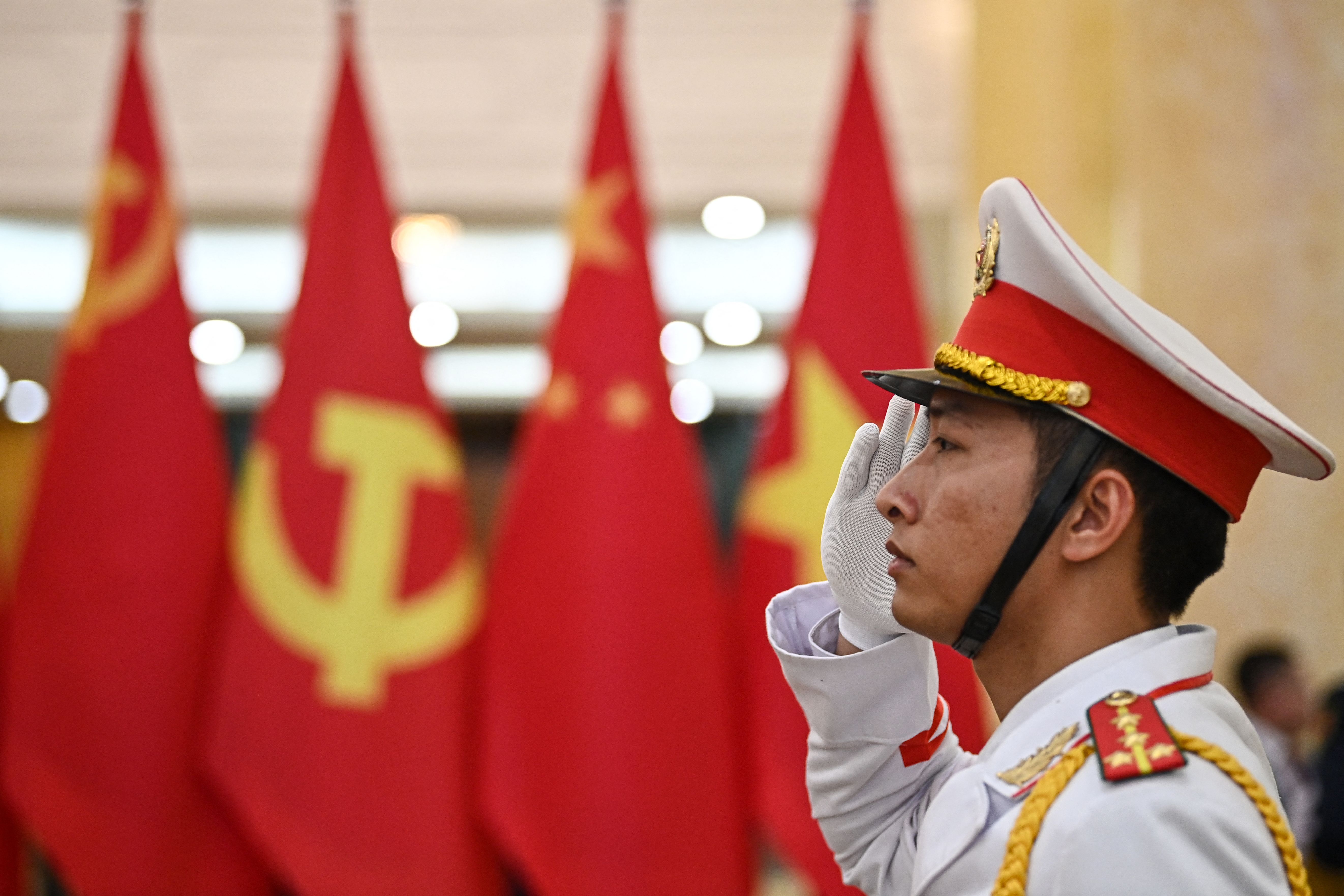
In July 2025, Vietnam and China held their first joint army drill, a modest but symbolic move reflecting Hanoi’s strategic hedging amid U.S.–China rivalry.

Nguyễn Khắc Giang
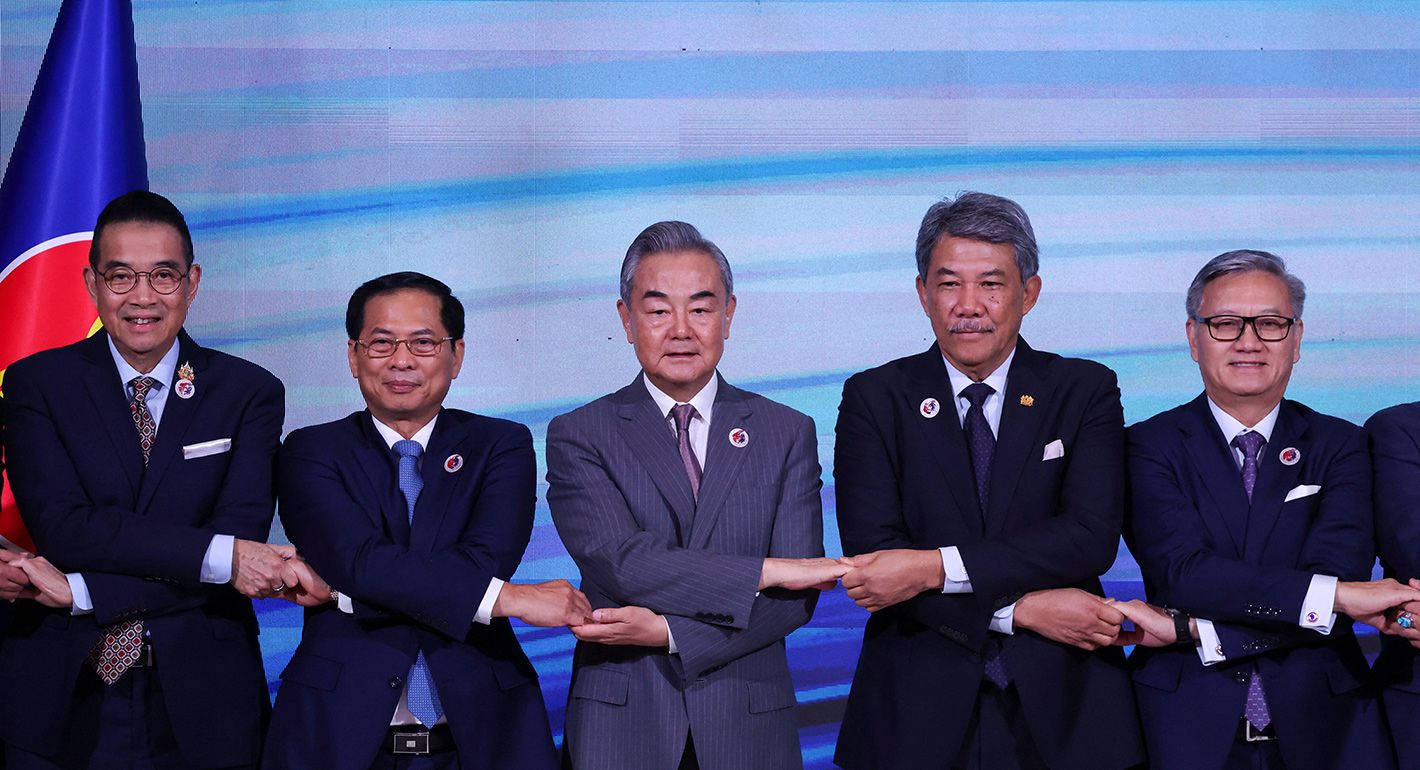
The Thai-Cambodian conflict highlights the limits to China's peacemaker ambition and the significance of this role on Southeast Asia’s balance of power.

Pongphisoot (Paul) Busbarat
Beijing believes that Washington is overestimating its own leverage and its ability to handle the trade war’s impacts.


Rick Waters, Sheena Chestnut Greitens