

Commentary
For Malaysia, the conjunction that works is “and” not “or” when it comes to the United States and China.
Elina Noor
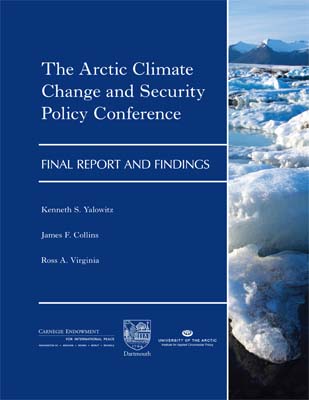
Minimizing the environmental impact of climate change and resource development in the Arctic must be a top priority, if environmental disaster is to be avoided.
The accelerating pace of climate change, increasing competition over resources, and new territorial claims demand that greater attention be paid to the Arctic. As the most immediate and serious threat to the region, minimizing the environmental impact of climate change and resource development must be the top priority, according to a report from the Carnegie Endowment, the University of the Arctic, and Dartmouth College.
Key points:
As a major Arctic power, the United States has environmental, political, and security interests and responsibilities and should play a key role in preserving the Arctic ecosystem.
Recommendations for U.S. policy makers:
The report concludes:
“The environment and the management of natural resources are the most pressing security issues in the North. States are committed to addressing boundary and access issues through existing institutions, principally UNCLOS. Large-scale damage to the Arctic from transportation accidents, energy development, fishing, and pollutants from the South pose greater immediate threats than classic security issues. Existing emergency response systems and contingency plans are not up to the task.”
Carnegie does not take institutional positions on public policy issues; the views represented herein are those of the author(s) and do not necessarily reflect the views of Carnegie, its staff, or its trustees.

For Malaysia, the conjunction that works is “and” not “or” when it comes to the United States and China.

Elina Noor

Regulation, not embargo, allows Beijing to shape how other countries and firms adapt to its terms.

Alvin Camba
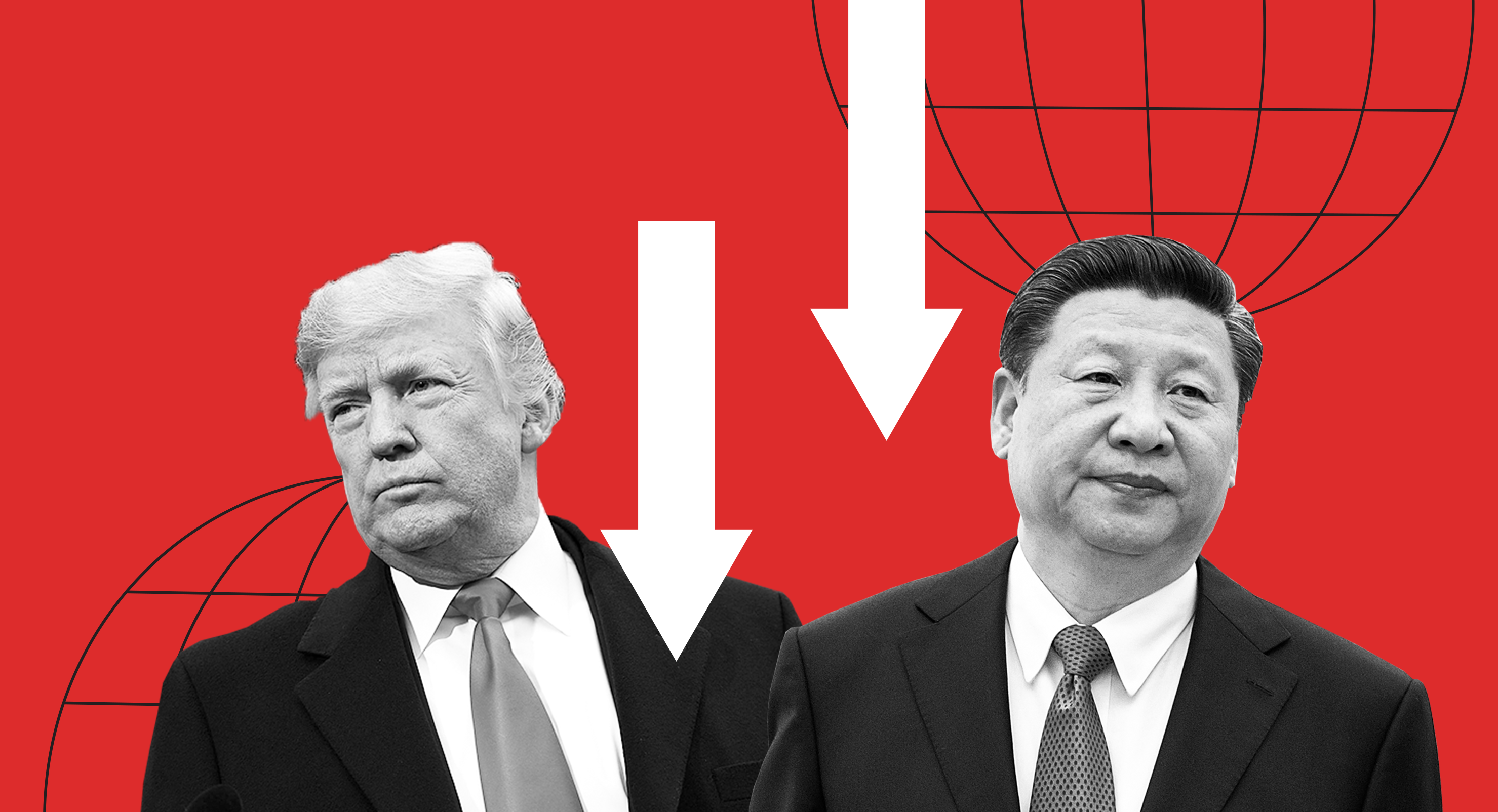
Beijing believes that Washington is overestimating its own leverage and its ability to handle the trade war’s impacts.


Rick Waters, Sheena Chestnut Greitens
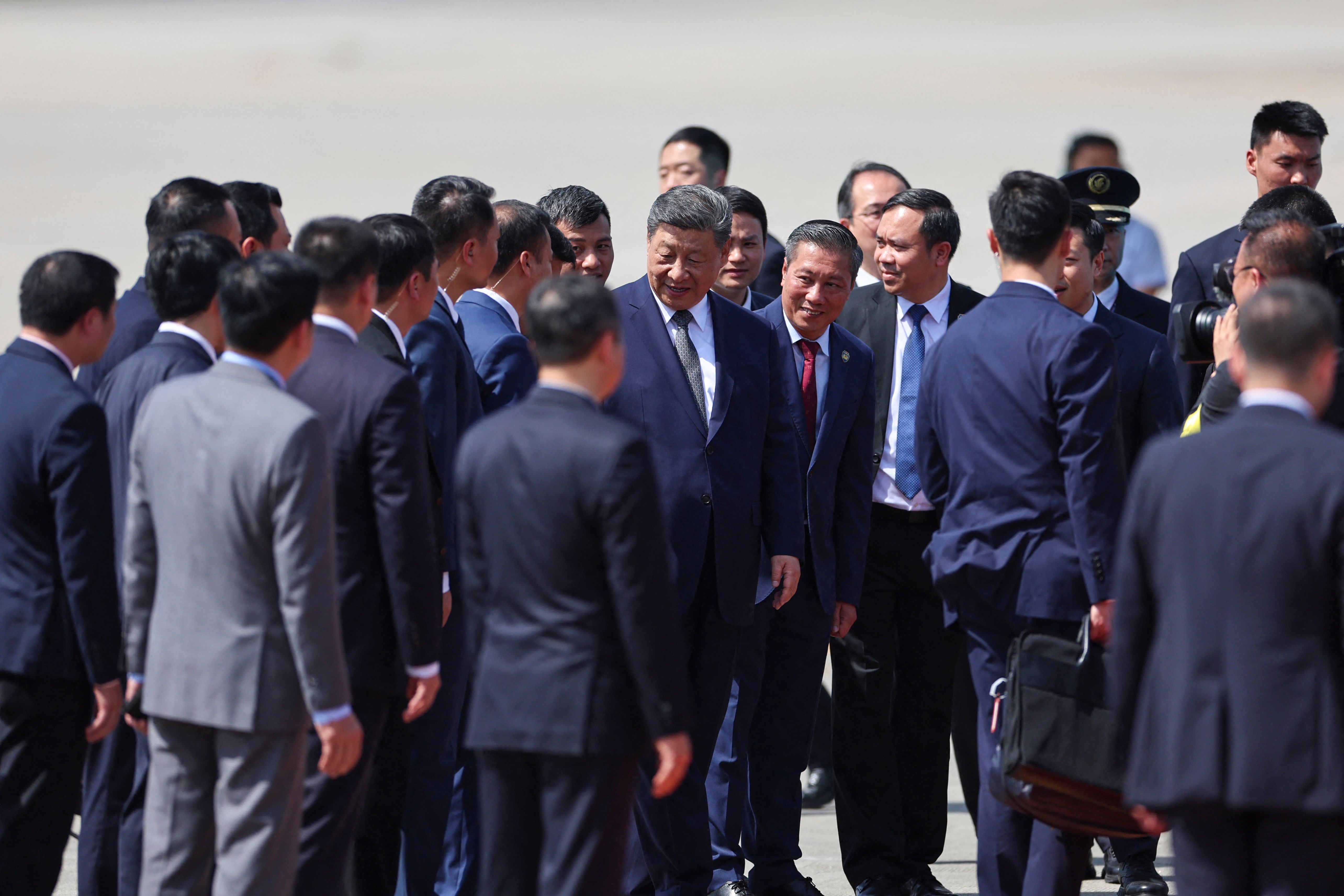
Tapping our network of China experts in the region, Carnegie China offers this latest “China Through a Southeast Asian Lens” report to offer preliminary assessments of whether the U.S. effort to reshape the global trading order will lead countries in the region to tilt toward Beijing.



Selina Ho, Khin Khin Kyaw Kyee, Joseph Ching Velasco, …
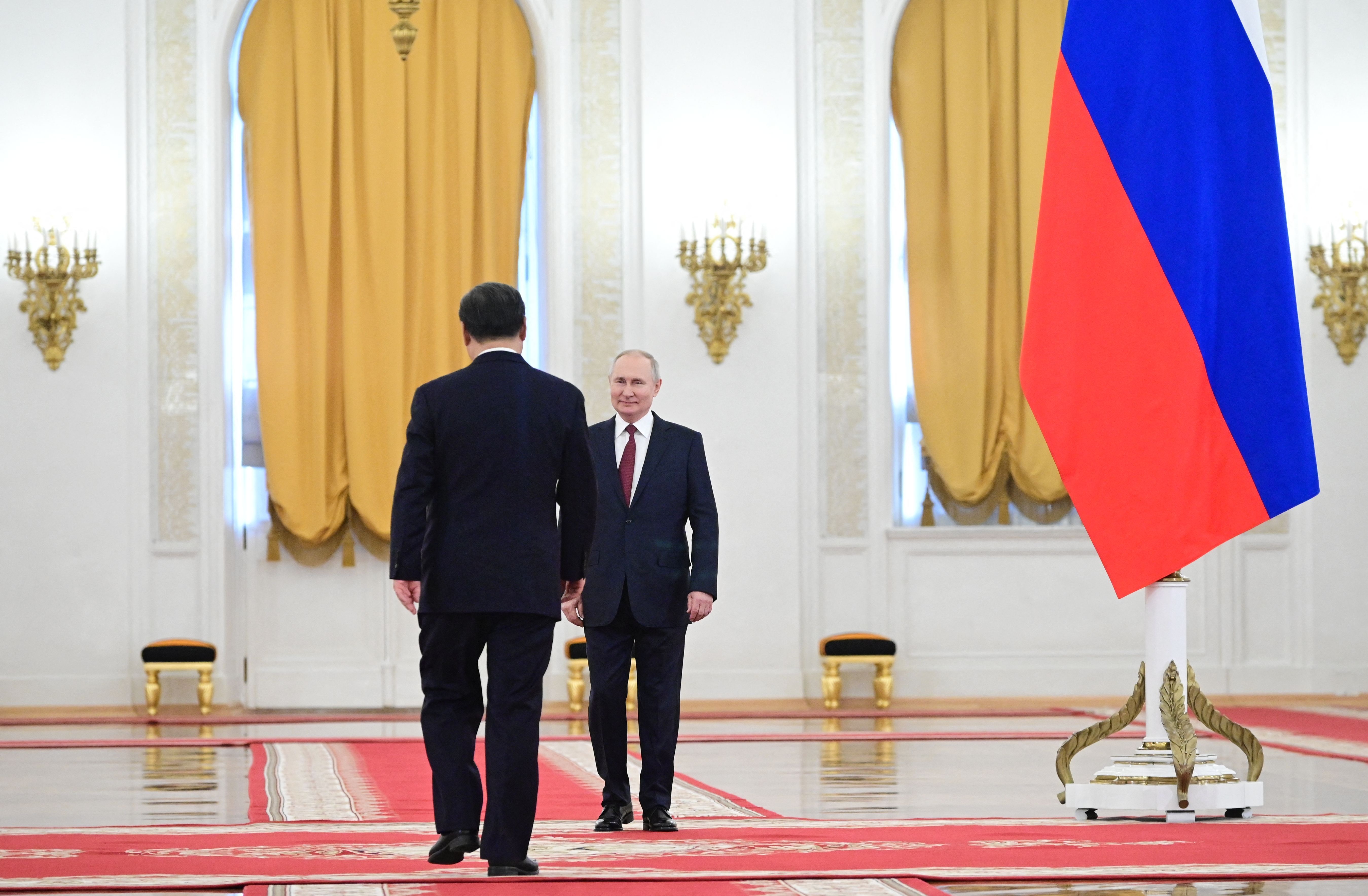
Beijing is trying to navigate the overall situation regarding Ukraine, especially the substance of interactions between Washington and Moscow.


Ellen Nakashima, Zhao Long, Pavlo Klimkin, …