

Commentary
The Thai-Cambodian conflict highlights the limits to China's peacemaker ambition and the significance of this role on Southeast Asia’s balance of power.
Pongphisoot (Paul) Busbarat
Source: Getty
Any peaceful solution for Syria will hinge on a compromise that brings a transitional government to Damascus.
The date set for a planned Syrian peace conference—the so-called Geneva II—is rapidly approaching. The UN-backed conference, organized with strong support from Washington and Moscow, is scheduled to begin on January 22 in the Swiss city of Montreux. It is intended to mark the first time that representatives from Syrian President Bashar al-Assad’s regime and opposition forces have sat down since the conflict began nearly three years ago. But as things stand, it will take a herculean effort by Lakhdar Brahimi, the UN special envoy to Syria, and a significant rapprochement between Russia and the West to simply make the conference happen, much less for it to produce a meaningful outcome and for the results, if any, to be implemented.
At this point, the key players cannot even agree on who should be invited to the negotiating table or what should be on the agenda. And their aims for the conference and for the country more broadly are widely divergent. But as they struggle to hammer out these points, the violence in Syria is escalating at an alarming rate. For Geneva II to have any hope of success, the participants and international stakeholders must accept that any peaceful solution to Syria’s civil war will hinge on a negotiated compromise that brings a genuine transitional government to Damascus.
In political terms, the chemical weapons deal has three key components. First, it makes the Syrian regime part of an international agreement and obliges it to deliver on strict commitments concerning the notification, transfer, and destruction of its chemical weapons. Second, it makes Russia a partner in a deal with the UN Security Council. This is a satisfying outcome for Moscow, which prefers such a joint approach to unilateral action, but it comes at a price: Russia must now not only compel Assad to abide by the chemical weapons deal but also participate in earnest in the Geneva II political process. Anything short of this will lessen Russia’s newly acquired credibility on the Syrian dossier. Third, the deal includes the threat of military action if the Assad regime does not effectively eliminate Syria’s chemical weapons.
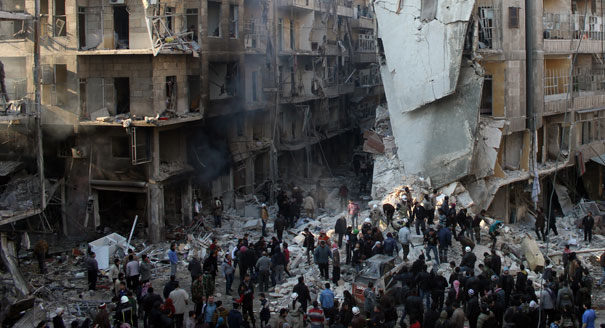
The deal, if seriously implemented, will constitute progress. But apart from applying local ceasefires where chemical weapons stocks need to be moved, the agreement is entirely disconnected from the issue of putting an end to the conventional war. To the contrary, Damascus has used the chemical weapons deal as a license to kill with conventional weapons.
The renewed confidence the deal has given the Assad regime has resulted in more attacks and indiscriminate bombings, with Moscow’s silent acquiescence. In report after report, evidence of the Syrian tragedy is mounting. The army’s December 8 attack on the town of al-Nabek adds to the list of atrocities. In reality, the motivation behind this assault was likely the importance the regime attaches to keeping open the corridor between Damascus and the principal port city of Latakia. But the chemical weapons deal gave Assad an official pretext for the aggression—that chemical weapons stocks should be safely shipped by road to the port of Latakia.
The increase in regime violence reinforces the necessity of the planned peace conference, but major stumbling blocks remain. For one thing, each stakeholder has different ideas about who should be invited to participate.
If Damascus and Moscow had their way, the Geneva II conference would be composed of a solid representation of the Assad government with a sprinkling of “moderate opposition forces”—that is, those rebels who have already cooperated with the regime in the past or high officials who have left Syria and stayed away from the fray. Western countries, by contrast, are keen to see independent opposition forces participate, although this objective is hampered by the deep divisions among those forces.
One overriding condition for the success of Geneva II is the necessity of bringing to the table a credible set of participants. Holding a conference in which a Syrian government delegation entertains a formal dialogue with pseudo opposition representatives would lessen the credibility of Russia’s efforts to bring about a negotiated political solution, and it would also prepare the ground for more violence. Yet bringing a wide array of opponents will take a lot of persuasion both in Moscow and by Moscow. Thankfully, intense behind-the-scene discussions are ongoing.
In the environment created by the Syrian chemical weapons deal, a new and fragile consensus has emerged between Western powers and Russia on three shared objectives: ending the violence in Syria, preserving the unity and structures of the Syrian state (including the army), and eliminating radical Islamist groups. As fragile as this consensus still is, it represents no small achievement, even though it is certainly regrettable that it has taken no fewer than thirty-three months to achieve and jihadist groups have used the time to gain strength on the ground with the help of several countries and organizations.
But the odds that the conference will successfully achieve these shared objectives are very limited, especially because Russia and the West still disagree on many important points. The major divergence is the fate of Assad himself, or better said the fate of the entire ruling Assad-Makhlouf clan.
Western powers and the Syrian opposition hold that Assad must go before any political settlement can be reached. They contend that the communiqué from the Geneva I conference, a June 2012 meeting in which world powers discussed a peace plan for Syria, unambiguously supports this stance. Unsurprisingly, the October 22 meeting of the Friends of Syria, a group that includes Western nations and their allies in the Middle East, affirmed that a “transitional governing body” should be “the only source of legitimacy and legality in Syria” and that “Assad and his close associates with blood on their hands will have no role in Syria.” And British Foreign Secretary William Hague reiterated this position on December 6, saying “We have always been very clear that a peaceful solution in Syria must require the departure of President Assad.”
The Kremlin’s official stance on Assad is quite different. In public statements, the Russian government keeps repeating that Moscow considers the Syrian president to be legitimate because he was elected, believes the country’s next president should be elected by the Syrian people, and does not defend a specific person. In its official narrative, Russia also tends to equate any Syrian opposition force with “terrorism” and negate the existence of political prisoners in Syria. Thankfully, there are signs that the Kremlin’s private narrative is a little more realistic and that Russian leaders may now perceive the impossibility of effectively keeping Assad in power.
From a Western standpoint, the official Russian position is weakened by two facts: the Syrian regime is only standing because Russia constantly supplies it with ammunitions, weapons, and spare parts, and organizing elections in today’s Syria looks next to impossible. Indeed, the Russian assertion that election should be held to elect a new president is almost totally illusory. In more than four decades, the Assad regime has never held true elections. No credible voter registry, let alone acceptable voting procedure, exists in Syria. In addition, it is highly doubtful that a country in which more than 6 million citizens are internally displaced, more than 2 million have fled abroad, and about 30–40 percent of the urban habitat has been destroyed can hold any form of credible election anytime soon. Even if a ceasefire is implemented, it will take a long time for an administrative body to be able to locate and register citizens.
This means that the dual objectives of bringing about an end to violence and concluding a political settlement can only be achieved through a process of negotiation that results in an agreement to establish an interim government. If a political agreement is truly Moscow’s desired outcome, the price might well be recognizing that the Assad-Makhlouf clan is a liability for Russia’s foreign policy objectives.
But there is another scenario, one in which Assad remains. Russia, with its recent history of assertive diplomacy in places like Ukraine and Armenia, could decide that its objective is to keep the Assad regime in power by force. Already, there are voices in the West discussing the possibility of renewing engagement with Assad. Retired U.S. ambassador Ryan Crocker, for example, proposed on December 4 that the United States begin a dialogue with Assad in order to jointly fight the jihadists. This scenario, however, will not promote long-term stability and may hamper the success of the conference for the simple reason that the regime has unleashed so much violence on peaceful civilians and children that national reconciliation seems out of reach as long as Assad remains.
As long as these disagreements and uncertain circumstances persist, the Geneva II conference will remain a long way from success.
For Geneva II to be productive and meaningful, its goals should be realistic. After more than four decades of autocratic rule with only the facade of democracy and nearly three years of brutal civil war, the conference, far from aiming at creating a perfect democracy in the near future, ought to focus on four relatively modest objectives.
First, Geneva II should enable a stable ceasefire, although doing so will be immensely difficult since in-fighting has erupted between armed opposition forces. A ceasefire will probably require some form of international presence, but it should be one that is also conditional on some of the conference’s other goals being achieved.
Second, the conference must find a way to halt the progression of jihadist groups. Achieving this aim will require that countries and organizations stop supplying jihadist groups with weapons. It may also imply that the rebel Free Syrian Army and the national army cooperate to enforce a ceasefire as part of a Geneva II deal.
Third, Geneva II should focus on forming a transitional government. Any interim regime will inevitably involve both a large number of the figures from the current Syrian government and a contingent of credible members of the opposition forces, much in the same fashion as the transitional governments created after the fall of dictators in Tunisia and Egypt.
However, from a Western and opposition standpoint, keeping in place key figures from the current regime, including the army, will not be possible without an understanding that Assad will not run in the next presidential elections and that his clan will leave its position of power.
Finally, the conference should draft an emergency plan to gradually restore normalcy in the country. It should address how to satisfy the basic health, food, housing, and education needs of the Syrian population. It should also speak to launching a de-mining and clean-up operation for military scrap and starting a process of civil society dialogue in order to rebuild the fabric of society at the grassroots level. Special attention will have to be paid to children.
These goals, while more modest than complete democratic transformation, will prove immensely difficult to achieve. Inevitably, the Geneva II conference will stumble on the future of Assad, given the totally divergent Western and Russian views on the issue. But under the circumstances, the only positive way forward is with a negotiated transitional regime in which the current president either departs or is confined to a formal role excluding any command over the armed forces.
Such a procedure will be immensely difficult to agree upon after so much ruthless violence and so much wanton destruction by the regime, all with full Russian backing. In addition, some existing structures and practices of the Assad regime, such as the massive Baath Party apparatus and the widespread habit of cronyism, will not have a place in a pacified Syria, where the primary objectives will be restoring civil peace and rebuilding the country.
The road to Geneva II is still long and arduous. The challenges—from the Assad regime’s cynicism to Russia’s newly acquired (but misleading) sense of diplomatic supremacy to the West’s ongoing struggles to unite the Syrian opposition—will not be easily overcome. But until a peaceful solution is reached, ordinary Syrians will continue to suffer.
Lamenting the course of events over the past three years will not provide such a solution. Only compromise will. But, for the sake of Syria’s future and Russia’s credibility in the Arab world and beyond, it ought to be a credible compromise.
In a few years, the Syrian war will probably be studied in diplomatic schools as the epitome of a new world order, with the United States and Europe standing strong on values but tired of military engagement, Russia asserting a new form of influence based on indirect military engagement and a different set of values, and the Syrian dictatorship maneuvering for its survival.
But for now, the Syrian tragedy goes on and the West should not remain idle. It is high time for the European Union and the United States to convince the Russian leadership that attaining their shared objectives—ending the violence, preserving the Syrian state and a national army, and preventing the further rise of radical Islamic groups—will require real compromise at the Geneva II conference. And the cornerstone of this compromise must be a transitional government without any role for the Assad-Makhlouf clan.
Short of such an agreement, radical Islamic groups will inevitably form deeper roots in Syria, and an entire generation of desperate youth—those kids who have seen their siblings tortured and mutilated—will soon come back to haunt Syria with more violence.
Carnegie does not take institutional positions on public policy issues; the views represented herein are those of the author(s) and do not necessarily reflect the views of Carnegie, its staff, or its trustees.
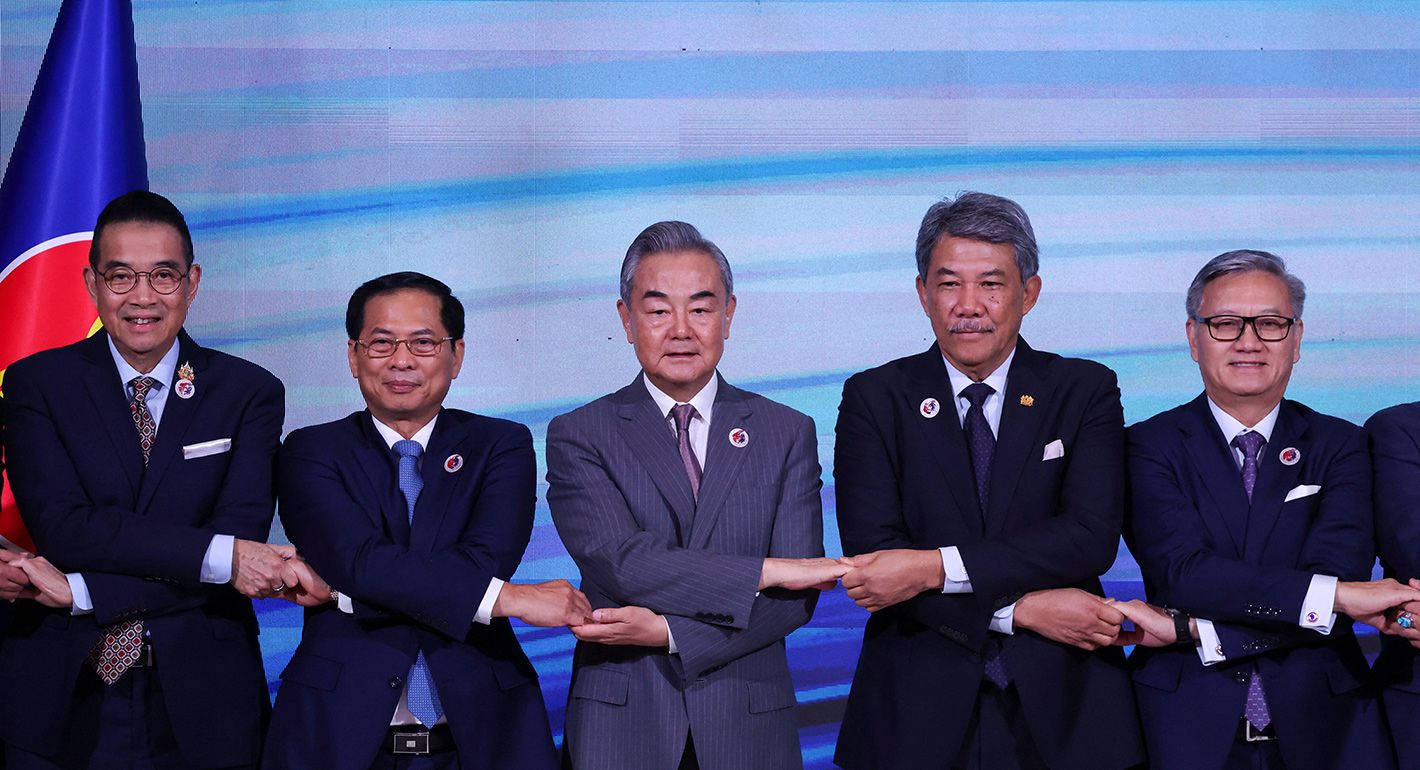
The Thai-Cambodian conflict highlights the limits to China's peacemaker ambition and the significance of this role on Southeast Asia’s balance of power.
Pongphisoot (Paul) Busbarat
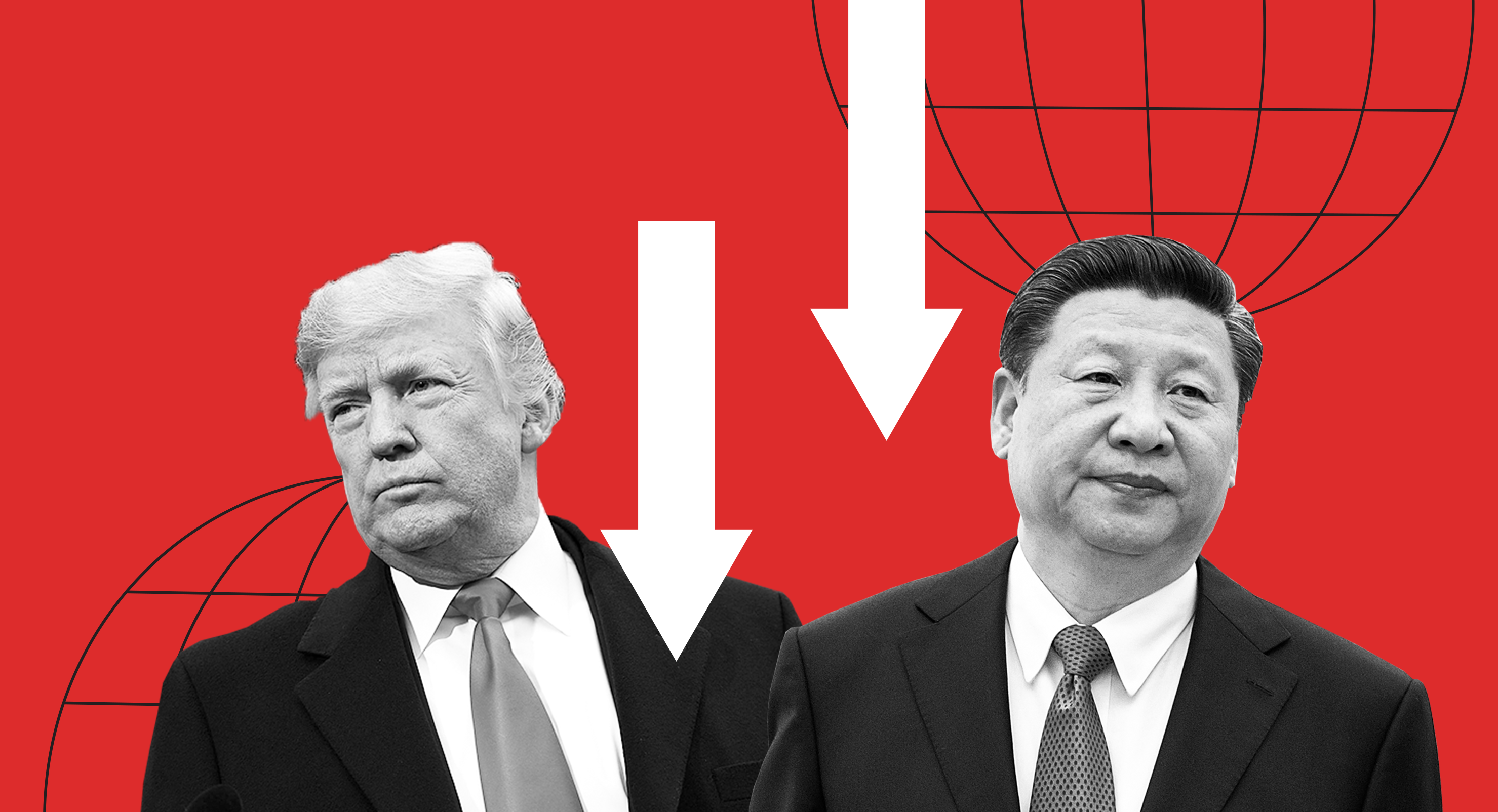
Beijing believes that Washington is overestimating its own leverage and its ability to handle the trade war’s impacts.
Rick Waters, Sheena Chestnut Greitens
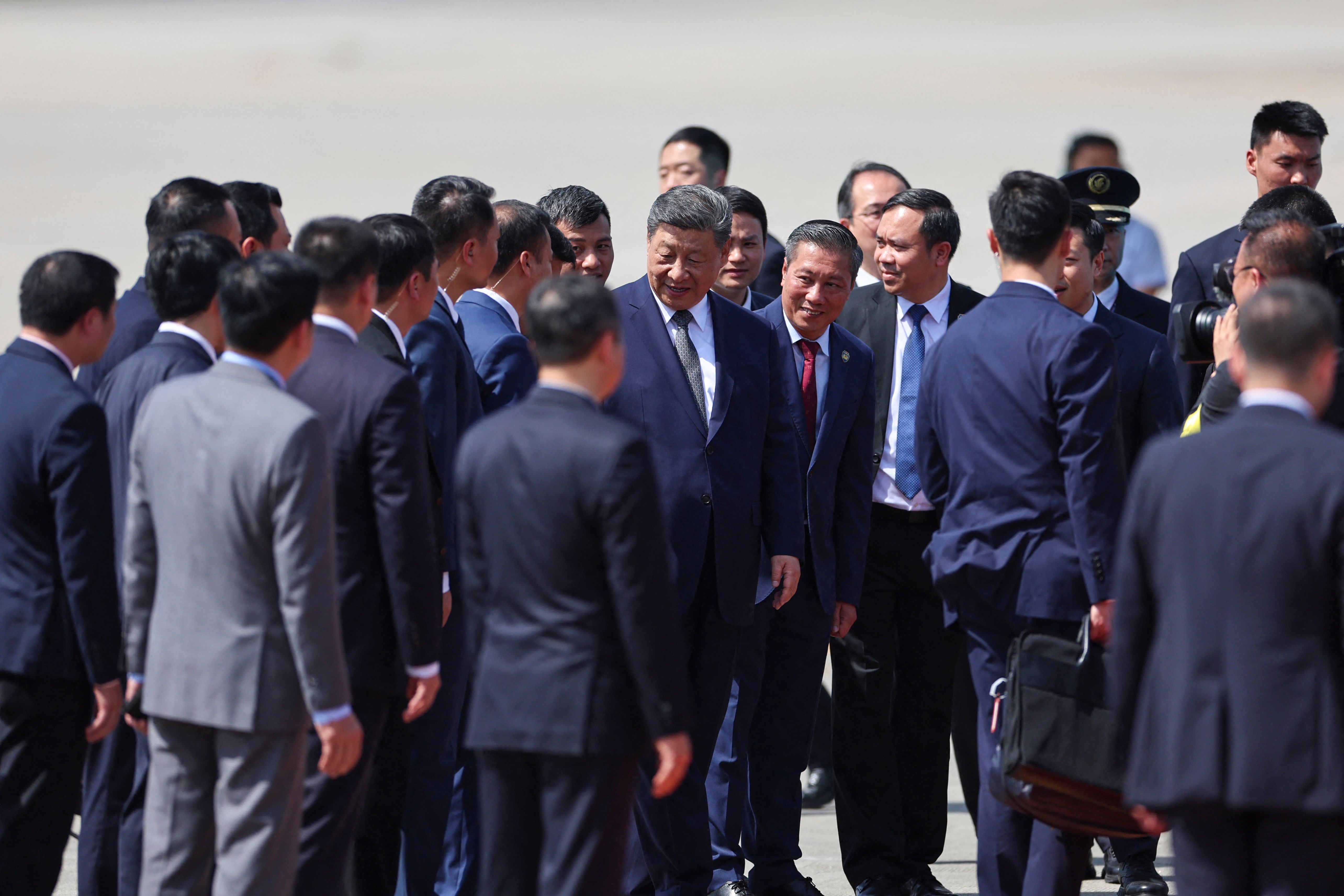
Tapping our network of China experts in the region, Carnegie China offers this latest “China Through a Southeast Asian Lens” report to offer preliminary assessments of whether the U.S. effort to reshape the global trading order will lead countries in the region to tilt toward Beijing.

Selina Ho, Khin Khin Kyaw Kyee, Joseph Ching Velasco, …
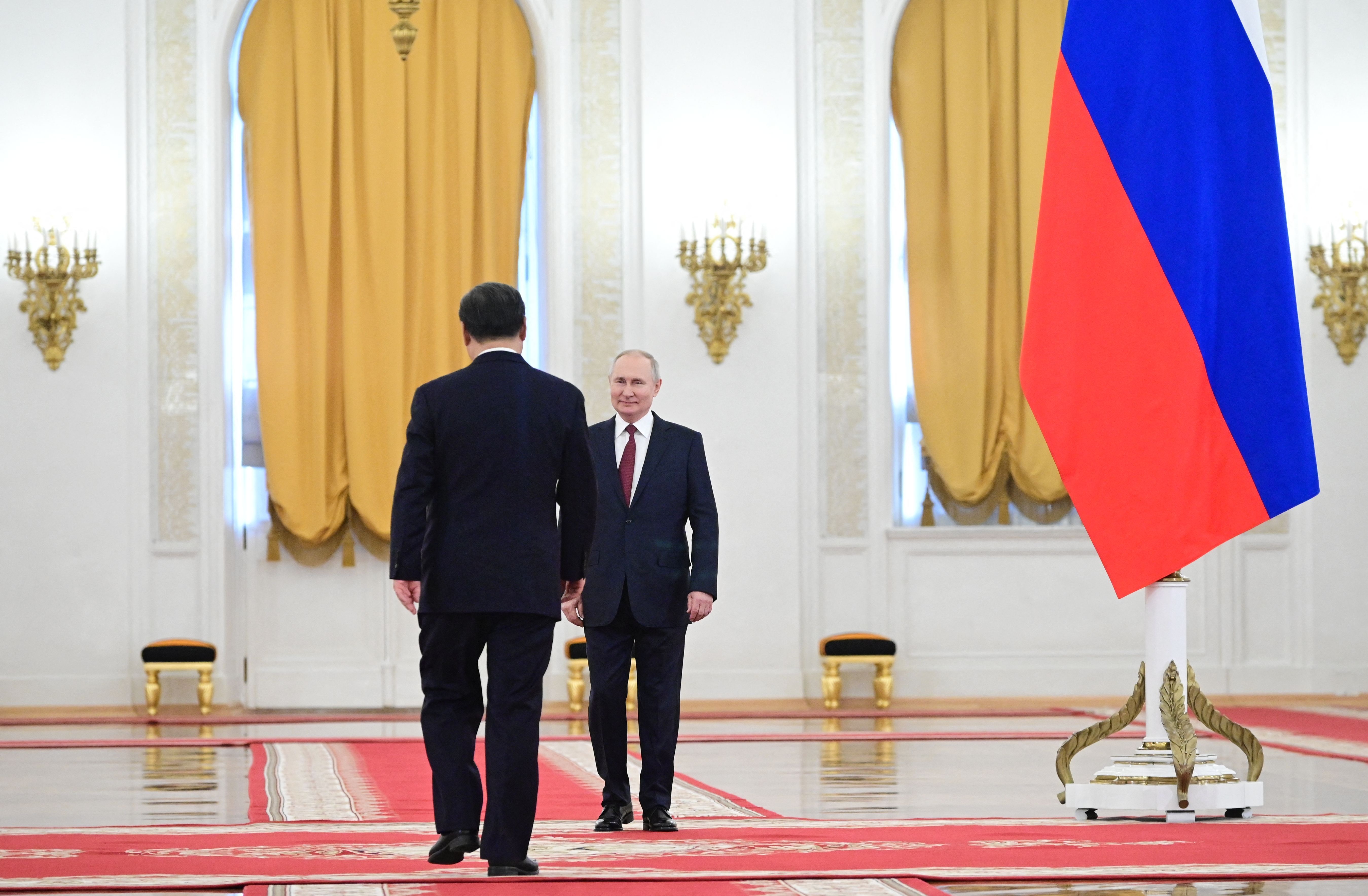
Beijing is trying to navigate the overall situation regarding Ukraine, especially the substance of interactions between Washington and Moscow.
Ellen Nakashima, Zhao Long, Pavlo Klimkin, …
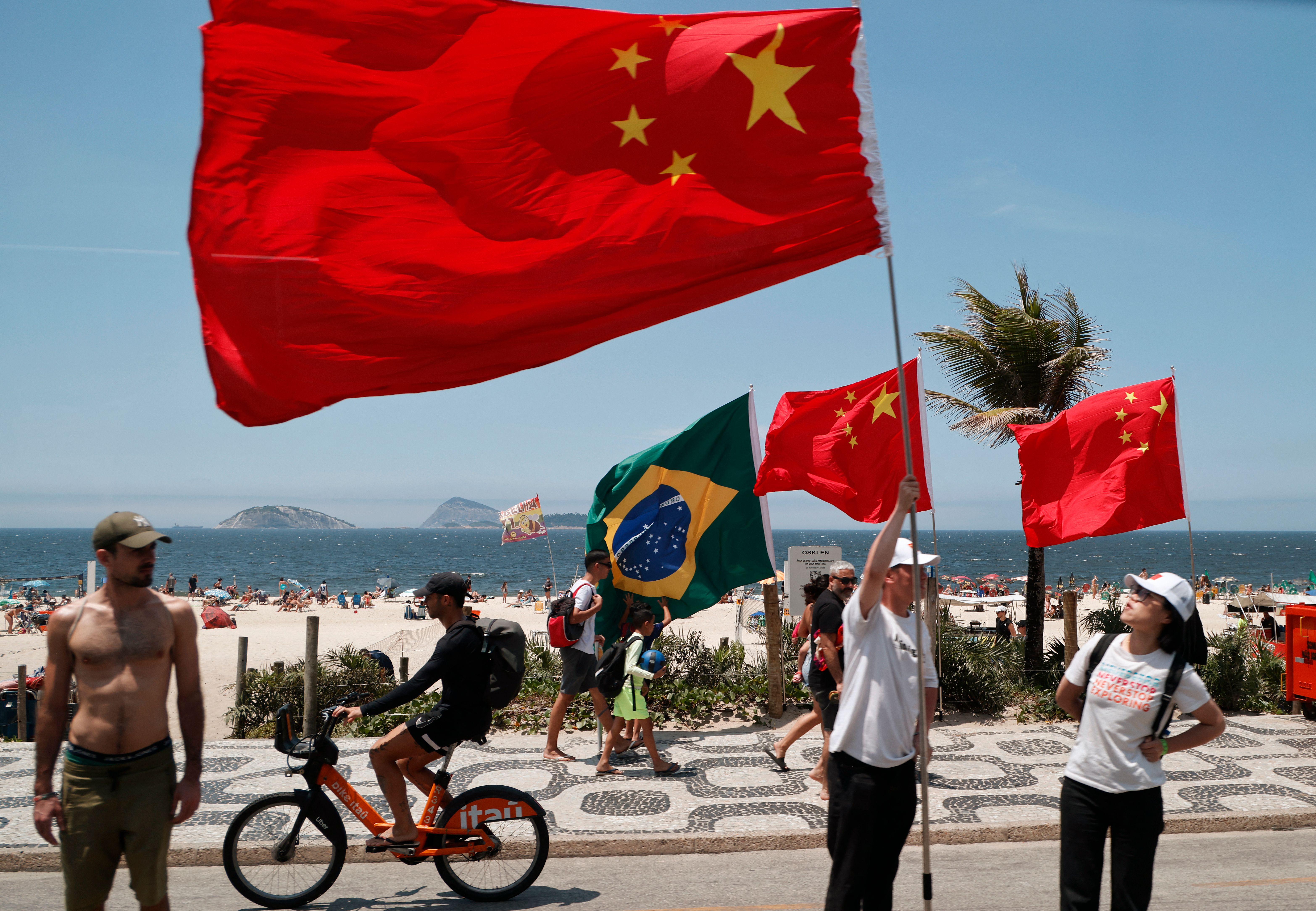
While China will remain a significant political and economic force in the Global South, its ambition to leverage the Global South as a counterbalance to the United States and the Global North is far from assured.
Xue Gong