• Research
  • About
  • Experts
Carnegie India logoCarnegie lettermark logo
Technology
{
  "authors": [
    "Ashley J. Tellis"
  ],
  "type": "other",
  "centerAffiliationAll": "",
  "centers": [
    "Carnegie Endowment for International Peace"
  ],
  "collections": [
    "Iranian Proliferation",
    "Japan's Nuclear Crisis"
  ],
  "englishNewsletterAll": "",
  "nonEnglishNewsletterAll": "",
  "primaryCenter": "Carnegie Endowment for International Peace",
  "programAffiliation": "",
  "programs": [
    "South Asia"
  ],
  "projects": [],
  "regions": [
    "North America",
    "United States",
    "Middle East",
    "South Asia",
    "India",
    "Pakistan",
    "East Asia",
    "South Korea",
    "China",
    "Russia",
    "North Korea"
  ],
  "topics": [
    "Security",
    "Military",
    "Foreign Policy",
    "Nuclear Policy",
    "Arms Control",
    "Nuclear Energy"
  ]
}
Other

No Escape: Managing the Enduring Reality of Nuclear Weapons

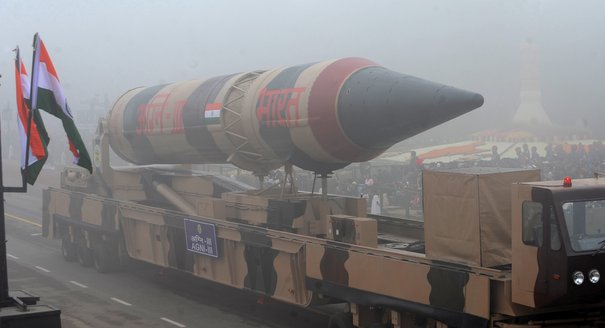
Although the emergence of new nuclear powers in the post–Cold War era has triggered fears of widespread nuclear proliferation and renewed calls for nuclear abolition, the pursuit and development of nuclear weapons in Asia are likely to only increase in the years ahead.

Link Copied
By Ashley J. Tellis
Published on Oct 2, 2013

Source: National Bureau of Asian Research

This chapter examines the logic of nuclear weapons abolitionism, surveys the contemporary nuclear developments in Asia that are described in this volume, and highlights implications for the U.S. and its ambitions regarding comprehensive nuclear disarmament. 

Main Argument

Although the emergence of new nuclear powers in the post–Cold War era has triggered fears of widespread nuclear proliferation and renewed calls for nuclear abolition, the pursuit and development of nuclear weapons in Asia are likely to only increase in the years ahead. Continuing interstate competition, along with the expectations of many states that nuclear weapons will enhance their security and offer deterrence value, ensures that regional arsenals will grow. The U.S., therefore, must prepare for a reality that is quite different from the vision offered by nuclear abolitionism: an Asia that hosts many nuclear powers whose arsenals vary in capacity, architecture, and doctrine.

Policy Implications

  • Preserving stable deterrence even as the U.S. protects its primacy is the critical obligation facing Washington in the second nuclear age. The U.S. must maintain its deterrent capabilities, which function as the fundamental “backstop” on which the nation’s security, the protection of U.S. allies, and the durability of the global order ultimately depend.

  • Washington should carefully consider the quantitative requirements of nuclear sufficiency and extended deterrence. The process of nuclear reductions may be reaching—if it has not already reached—the limits of its success.

  • The consequences of forfeiting U.S. nuclear superiority vis-à-vis China for the viability of extended deterrence in Asia require careful consideration.

  • Despite budgetary challenges, the U.S. must ensure that its nuclear weaponry, force triad, and production complex, including the necessary human capital, do not diminish in capability.

Read the full chapter here.

 This chapter is the introduction to Strategic Asia 2013-14: Asia in the Second Nuclear Age. Read more about Strategic Asia, including information on how to order the complete book, here.

Ashley J. Tellis
Former Senior Fellow
SecurityMilitaryForeign PolicyNuclear PolicyArms ControlNuclear EnergyNorth AmericaUnited StatesMiddle EastSouth AsiaIndiaPakistanEast AsiaSouth KoreaChinaRussiaNorth Korea

Carnegie India does not take institutional positions on public policy issues; the views represented herein are those of the author(s) and do not necessarily reflect the views of Carnegie, its staff, or its trustees.

More Work from Carnegie India

  • Commentary
    AI Adoption Journey for Population Scale

    Connecting real-world AI use cases across sectors such as health, education, agriculture, and livelihoods can help policymakers, innovators, and institutions align around a shared goal. This article looks at a framework ensuring that AI works for everyone.

      Shalini Kapoor, Tanvi Lall

  • Commentary
    The Impact of U.S. Sanctions and Tariffs on India’s Russian Oil Imports

    This piece examines India’s response to U.S. sanctions and tariffs, specifically assessing the immediate market consequences, such as alterations in import costs, and the broader strategic implications for India’s energy security and foreign policy orientation.

      Vrinda Sahai

  • Article
    Revisiting the Usage of Refurbished Equipment in India’s Semiconductor Ecosystem

    This article looks at the progress of the Semiconductor Laboratory fab modernization plan based on publicly available documents, and potential learnings for future upgrades to government-owned fabs and India’s larger semiconductor ecosystem, especially regarding the use of refurbished equipment.

      Shruti Mittal, Konark Bhandari

  • Article
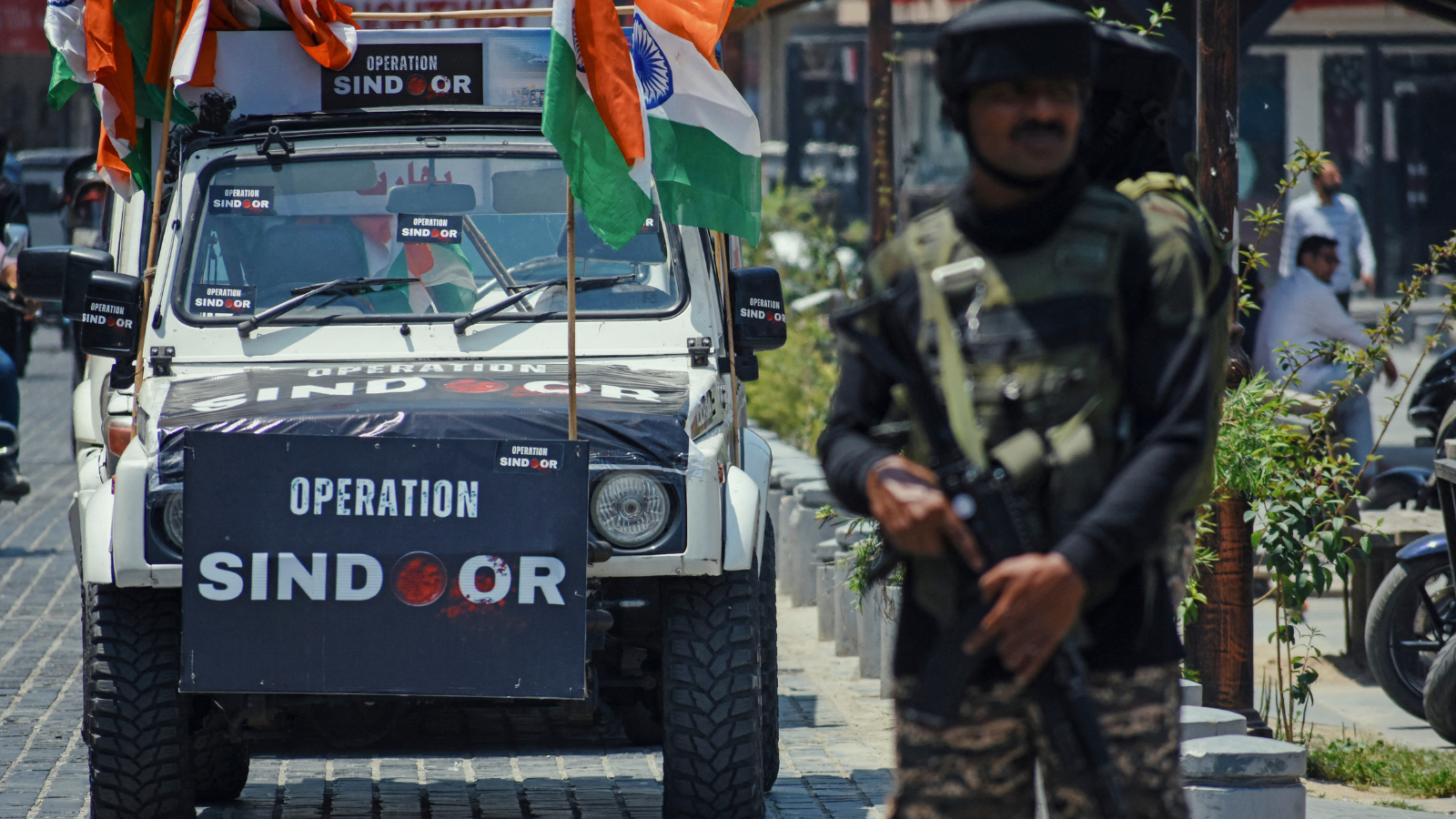
    Military Lessons from Operation Sindoor

    The India-Pakistan conflict that played out between May 6 and May 10, 2025, offers several military lessons. This article presents key takeaways from Operation Sindoor and breaks down how India’s preparations shaped the outcome and what more is needed to strengthen future readiness.

      Dinakar Peri

  • Book
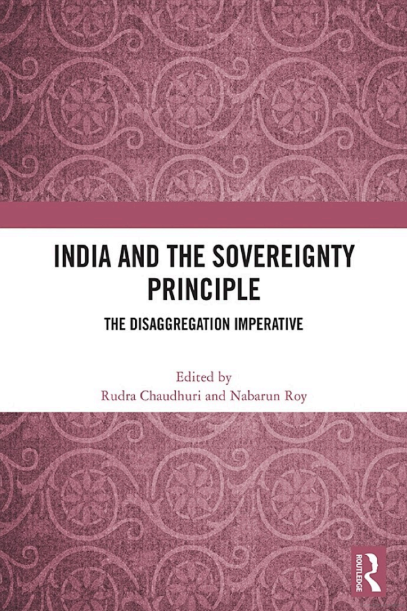
    India and the Sovereignty Principle: The Disaggregation Imperative

    This book offers a comprehensive analysis of India's evolving relationship with sovereignty in a complex global order. Moving beyond conventional narratives, it examines how the sovereignty principle shapes India's behavior across four critical domains—from traditional military power to contemporary data governance.

      Rudra Chaudhuri, Nabarun Roy

Get more news and analysis from
Carnegie India
Carnegie India logo, white
Unit C-4, 5, 6, EdenparkShaheed Jeet Singh MargNew Delhi – 110016, IndiaPhone: 011-40078687
  • Research
  • About
  • Experts
  • Projects
  • Events
  • Contact
  • Careers
  • Privacy
  • For Media
Get more news and analysis from
Carnegie India
© 2026 Carnegie Endowment for International Peace. All rights reserved.