
• Research
  • About
  • Experts
Carnegie India logoCarnegie lettermark logo
Technology
{
  "authors": [
    "Jessica Tuchman Mathews"
  ],
  "type": "legacyinthemedia",
  "centerAffiliationAll": "",
  "centers": [
    "Carnegie Endowment for International Peace",
    "Carnegie China",
    "Malcolm H. Kerr Carnegie Middle East Center",
    "Carnegie Russia Eurasia Center"
  ],
  "collections": [],
  "englishNewsletterAll": "",
  "nonEnglishNewsletterAll": "",
  "primaryCenter": "Carnegie Endowment for International Peace",
  "programAffiliation": "",
  "programs": [
    "Middle East"
  ],
  "projects": [],
  "regions": [
    "Middle East",
    "Iraq",
    "Syria",
    "Gulf",
    "Levant"
  ],
  "topics": [
    "Political Reform",
    "Security"
  ]
}
In The Media

Is There an Answer for Syria?

The rapid rise of the Islamic State means core assumptions driving policy on Syria must be rethought.

Link Copied
By Jessica Tuchman Mathews
Published on Oct 9, 2014

Source: New York Review of Books

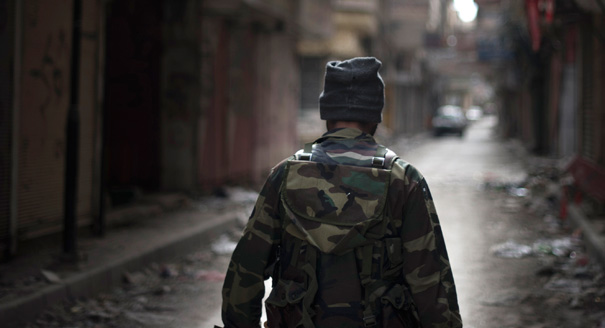
The glaring weakness in President Obama’s new Middle East strategy, unveiled on September 24 at the United Nations, is the lack of troops on the ground in Syria. In Iraq, the Kurdish peshmerga, a reformed and remotivated Iraqi army, and the Sunni tribes that played a major part in the success of President Bush’s surge can all be brought into the fight against ISIS. But in Syria—whose disintegration directly threatens the five nations on its borders and indirectly the entire region—there is no one. The Pentagon has made its timetable starkly clear: it has announced that it will take three to five months to identify and vet fighters from the Syrian opposition and another year to train them. What will happen, other than air strikes, in the interim?

No matter how seemingly intractable a problem, reexamining deeply buried core assumptions can sometimes point the way to a solution. The drastic shift in priorities for every country in the Middle East occasioned by the frighteningly rapid rise of ISIS over the past several months may have made it possible to do just that in Syria. Two assumptions that have steered policy from the beginning of the crisis—that the eventual outcome must hinge on whether Bashar al-Assad stays in power or goes, and that the framework of a political agreement must precede any cease-fire—ought now to be rethought.

Notwithstanding the appalling human cost of this war—now standing at 200,000 dead, three million refugees, and six million forced out of their homes—President Obama has clung (and may well have been wise to do so) to what he sees as the lesson of prior American military interventions abroad. He has insisted from the outset that the US not take the relatively easy step of deploying its immense power until there is at least the outline of a political agreement among the warring factions. He couldn’t find one, and neither could anyone else.

In August 2012, not long after former UN Secretary-General Kofi Annan stepped down as the international community’s special envoy on Syria, he and I shared a coffee break between airplane flights. Speaking with deep sadness, this consummate international negotiator said he’d never worked harder on a problem with less to show for it. Since then, the widely respected former Algerian foreign minister and international civil servant Lakhdar Brahimi has done the same, with the same result...

Read the full text on the New York Review of Books.

Jessica Tuchman Mathews
Distinguished Fellow
Jessica Tuchman Mathews
Political ReformSecurityMiddle EastIraqSyriaGulfLevant

Carnegie India does not take institutional positions on public policy issues; the views represented herein are those of the author(s) and do not necessarily reflect the views of Carnegie, its staff, or its trustees.

More Work from Carnegie India

  • Commentary
    The Impact of U.S. Sanctions and Tariffs on India’s Russian Oil Imports

    This piece examines India’s response to U.S. sanctions and tariffs, specifically assessing the immediate market consequences, such as alterations in import costs, and the broader strategic implications for India’s energy security and foreign policy orientation.

      Vrinda Sahai
  • Article
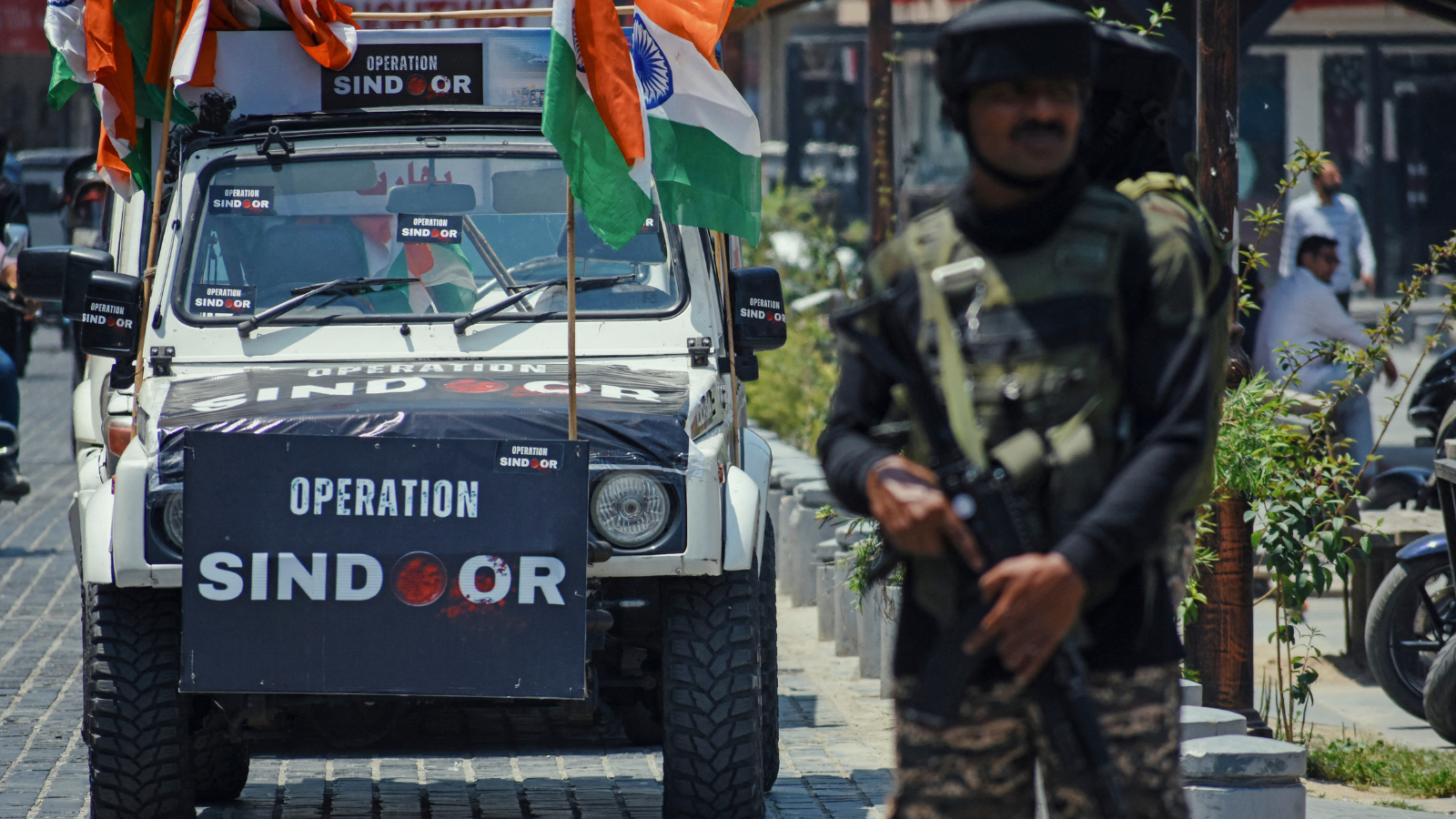
    Military Lessons from Operation Sindoor

    The India-Pakistan conflict that played out between May 6 and May 10, 2025, offers several military lessons. This article presents key takeaways from Operation Sindoor and breaks down how India’s preparations shaped the outcome and what more is needed to strengthen future readiness.

      Dinakar Peri

  • Book
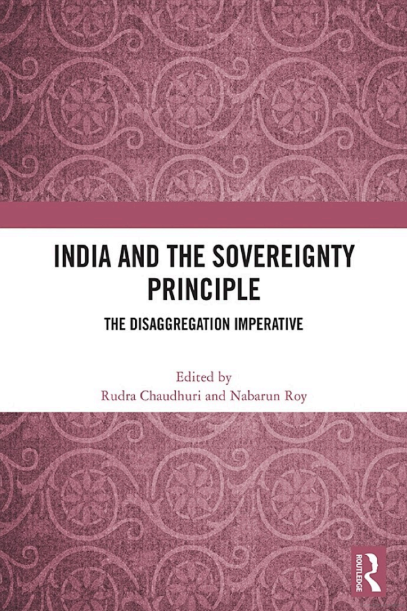
    India and the Sovereignty Principle: The Disaggregation Imperative

    This book offers a comprehensive analysis of India's evolving relationship with sovereignty in a complex global order. Moving beyond conventional narratives, it examines how the sovereignty principle shapes India's behavior across four critical domains—from traditional military power to contemporary data governance.

      Rudra Chaudhuri, Nabarun Roy

  • Article
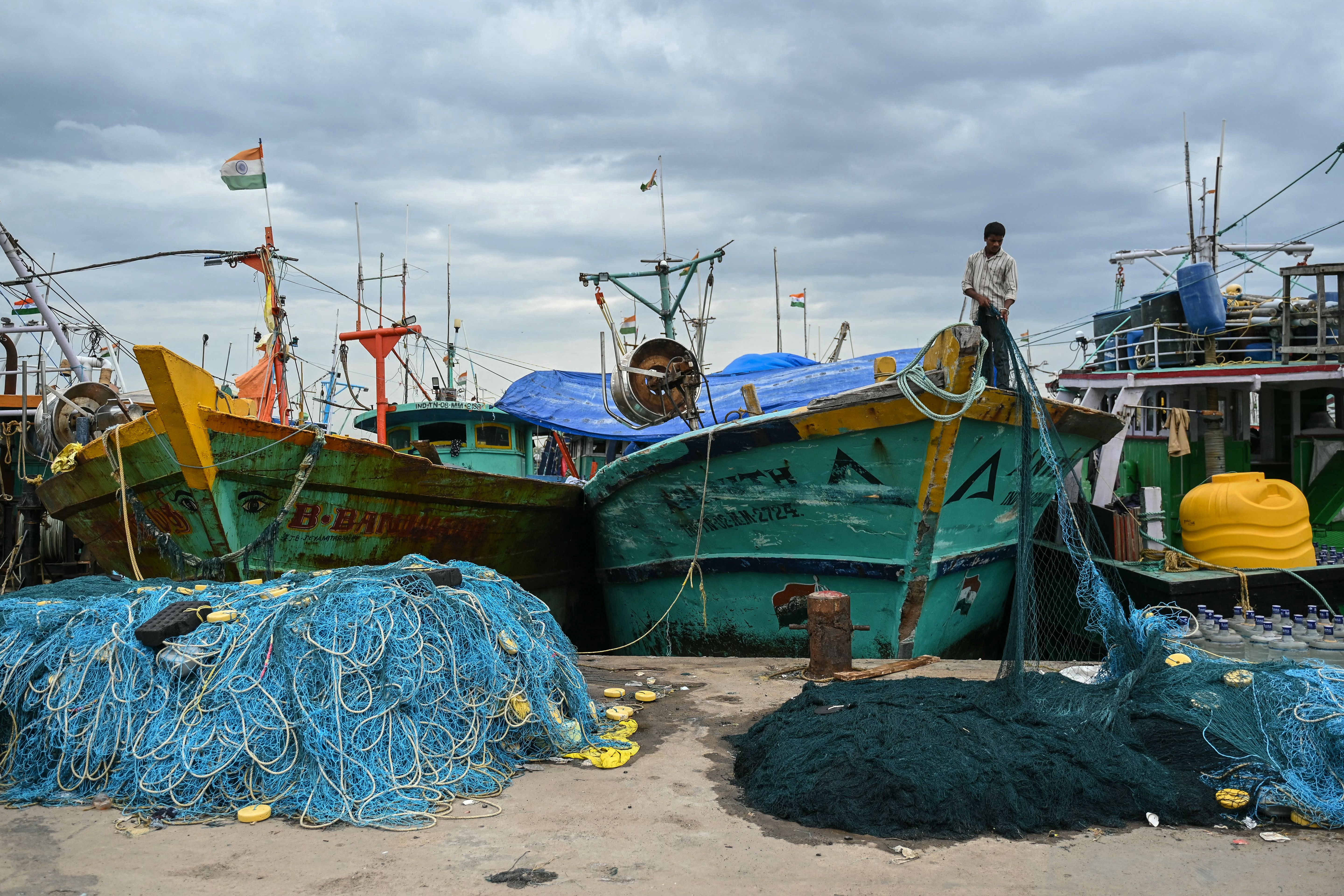
    Hidden Tides: IUU Fishing and Regional Security Dynamics for India

    This article examines the scale and impact of Chinese IUU fishing operations globally and identifies the nature of the challenge posed by IUU fishing in the Indian Ocean Region (IOR). It also investigates why existing maritime law and international frameworks have struggled to address this growing threat.

      Ajay Kumar, Charukeshi Bhatt

  • Book
    Violence and Development Along the India-Pakistan Border in Jammu and Kashmir

    This book examines the impact of cross-border violence on communities living along the Line of Control and the International Border in Jammu and Kashmir, India.

      Deep Pal, Surya Valliappan Krishna, Saheb Singh Chadha

Get more news and analysis from
Carnegie India
Carnegie India logo, white
Unit C-4, 5, 6, EdenparkShaheed Jeet Singh MargNew Delhi – 110016, IndiaPhone: 011-40078687
  • Research
  • About
  • Experts
  • Projects
  • Events
  • Contact
  • Careers
  • Privacy
  • For Media
Get more news and analysis from
Carnegie India
© 2026 Carnegie Endowment for International Peace. All rights reserved.