• Research
  • About
  • Experts
Carnegie India logoCarnegie lettermark logo
Technology
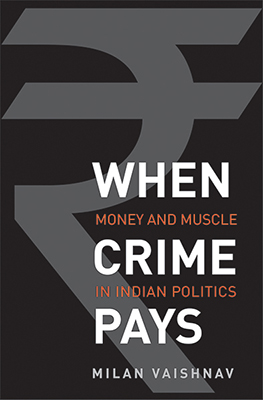
When Crime Pays: Money and Muscle in Indian Politics
Book

When Crime Pays: Money and Muscle in Indian Politics

The first comprehensive study of the nexus between crime and democracy in India.

Link Copied
By Milan Vaishnav
Published on Jan 24, 2017

Additional Links

Hardback - $40.00Kindle - $40.00
Project hero Image

Project

India Elects 2019

India Elects 2019 provides expert analysis on India’s national elections and their impact on the country’s economy, domestic policy, and foreign relations. It brings together insights from Carnegie’s experts in Washington, New Delhi, and around the world.

Learn More

Source: Yale University Press and HarperCollins India

  • About
  • Reviews
  • Related Content
  • Events
  • Media

The first comprehensive study of the nexus between crime and democracy in India.

In India, the world’s largest democracy, the symbiotic relationship between crime and politics raises complex questions. For instance, how can free and fair democratic elections exist alongside rampant criminality? Why do political parties actively recruit candidates with reputations for wrongdoing? Why do voters elect (and even reelect) them, to the point that a third of state and national legislators assume office with pending criminal charges?

In this eye-opening book, political scientist Milan Vaishnav takes readers deep into the marketplace for criminal politicians by drawing on fieldwork on the campaign trail, large surveys, and an original database on politicians’ backgrounds. The result is the first systematic study of an issue that has profound implications for democracy both with and beyond India’s borders.

Table of Contents

Part I

  1. Lawmakers and Lawbreakers: The Puzzle of Indian Democracy

    What does the marketplace for criminal politicians look like and what supply and demand forces make it tick?
  2. The Rise of the Rents Raj: India’s Corruption Ecosystem

    How have India’s politics, economy, and society been transformed since India’s independence? And how can we understand the country’s puzzling governance deficit?

Part II

  1. Criminal Enterprise: Why Criminals Join Politics

    How has the relationship between crime and politics changed as democracy has evolved? What incentives do individuals with serious criminal reputations have to take part in the electoral sphere?
  2. The Costs of Democracy: How Money Fuels Muscle

    Individuals linked to wrongdoing may have their own incentives to join politics. But why do political parties select candidates with serious criminal records?
  3. Doing Good by Doing Bad: The Demand for Criminality

    Does voter ignorance explain why voters back politicians linked to crime? Or might voters have rational reasons for lending their support?
  4. The Salience of Social Divisions: How Context Shapes Criminality

    How can social divisions sharpen the appeal of criminal politicians? And how do these cleavages vary across India’s vast, diverse democracy?

Part III

  1. Crime without Punishment: From Deep Roots to Proximate Causes

    What are the policy levers reformers can wield in order to limit, if not eliminate, the entrenched position of tainted politicians?
  2. An Entrenched Marketplace: Rethinking Democratic Accountability

    What are the implications of the presence of criminal politicians for democracy and accountability? What, if anything, can the Indian experience tell us about the challenges facing other developing democracies?

About the Author

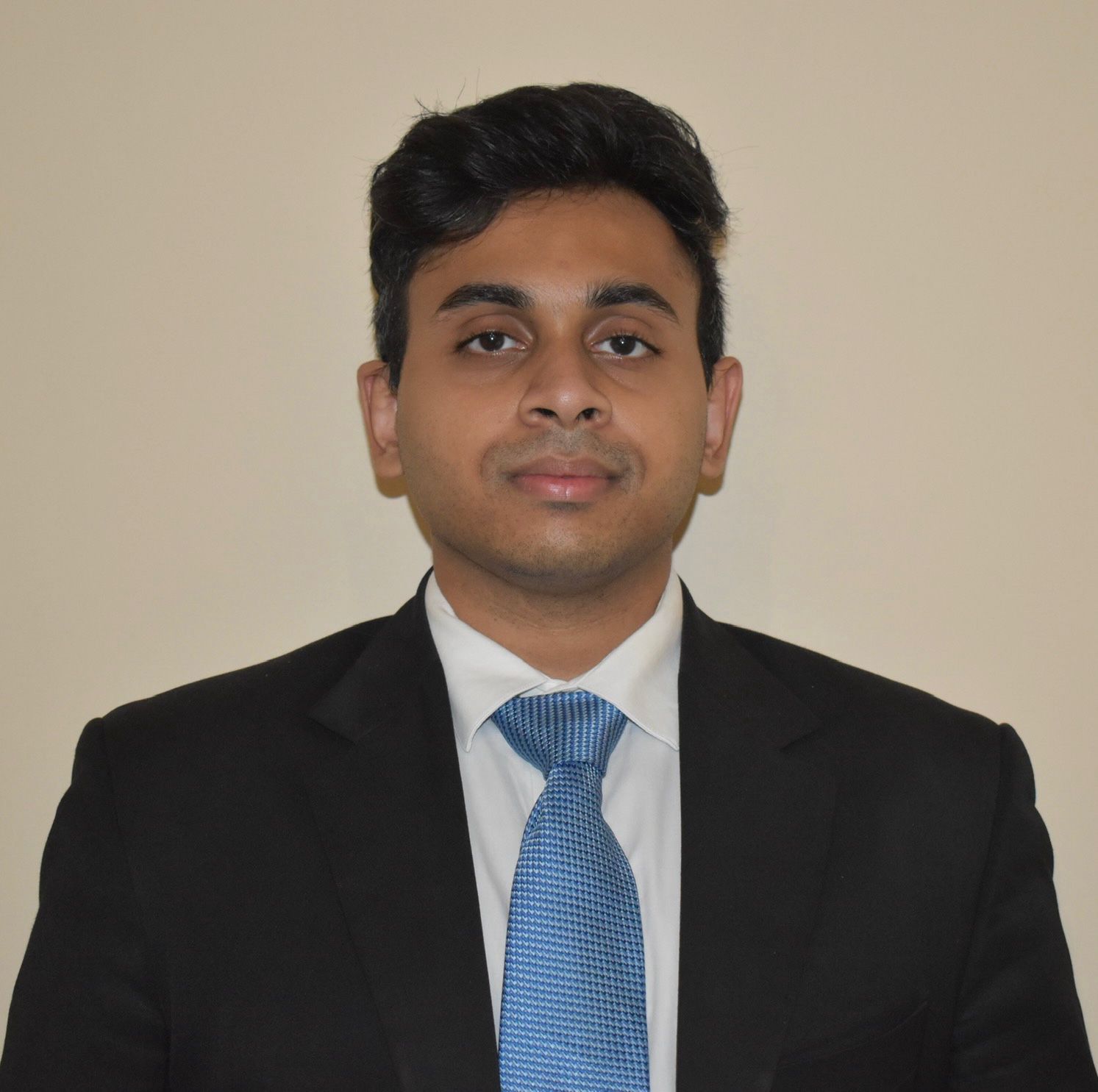
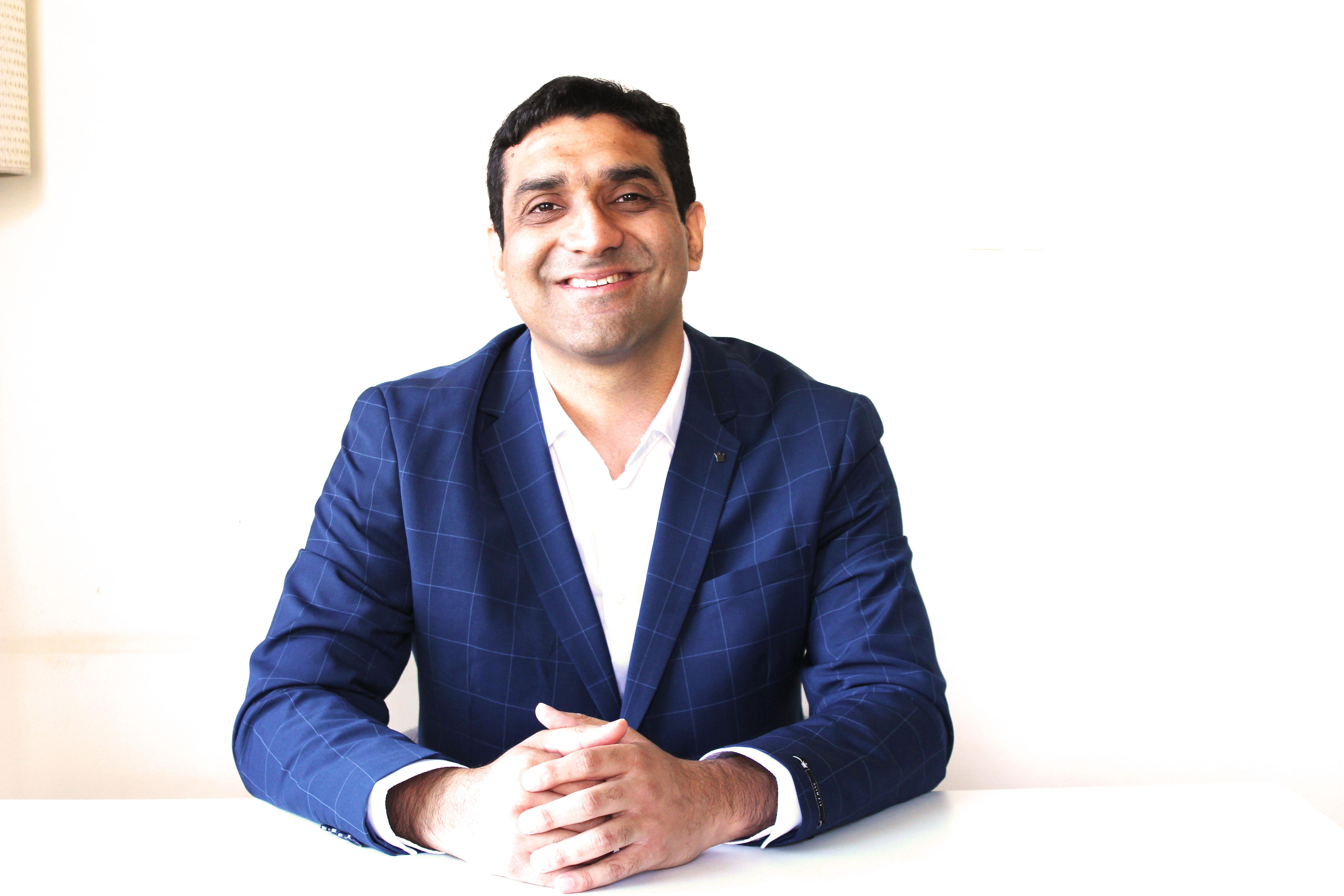
Milan Vaishnav is a senior fellow at the Carnegie Endowment for International Peace in Washington, D.C. He was previously a fellow at the Center for Global Development and has taught at Columbia, George Washington, and Georgetown Universities.

“The most systematic analysis of corruption and criminalization in the world’s largest democracy. Harking back to the historical roots of this phenomenon, Vaishnav shows that it is growing because of societal, political, and economic factors, and that legislation passed to contain these factors has hardly made any difference. This remarkable book will change readers’ views of democracy in India.”
—Christophe Jaffrelot, Senior Research Fellow, CERI-Sciences Po/CNRS

“This is the first book-length treatment of a peculiar paradox of Indian politics: namely, the coexistence of criminality and democratic vigor. Milan Vaishnav's analysis of this paradox is highly original and hugely fascinating, and will become a standard text on criminality, corruption, and democracy.”
—Ashutosh Varshney, Sol Goldman Professor of International Studies and the Social Sciences, Brown University

“Why do so many people with criminal charges contest Indian elections, why do they win so often, and what does this tell us about parties and voters in the world’s largest democracy? Milan Vaishnav’s excellent book uses rich fieldwork and impressive quantitative analysis to provide compelling and surprising answers.”
—Steven Wilkinson, Nilekani Professor of India and South Asian Studies, Yale University

“While democracy is fast taking root in most parts of the world, criminality and corruption are getting increasingly entrenched. Ironically, voters seem quite comfortable with this state of affairs. This strange coexistence of free and fair elections with criminality and money power is beautifully analyzed in this important new book on electoral politics.”
—S.Y. Quraishi, former Chief Election Commissioner of India

“The insights that these details offer—insights about politicians, political campaigns, and voters—give When Crime Pays a rich texture and human interest that makes the book suitable for use in undergraduate teaching and also an effective tool of policy engagement.”
—Miriam A. Golden, Professor of Political Science, University of California at Los Angeles

More Reviews

Criminal Politicians
—Miriam A. Golden, India Ink

Stained freedom
—Uddalak Mukherjee, Telegraph

The mother’s milk of politics; Review of ‘When Crime Pays: Money and Muscle in Indian Politics’ by Milan Vaishnav
—Vipul Mudgal, Hindustan Times

Money, power, politics
—Ashutosh Bhardwaj, Financial Express

Why People Elect Crooks
—Raymond Zhong, Wall Street Journal

Grant EC powers to punish candidates for false disclosures: Book
—India Times

The criminalization of Indian politics has many causes
—Vir Sanghvi, Business Standard

An unholy nexus
—Nidhi Gupta, Hindu

Mapping the crime-politics nexus in India
—Srinath Raghavan, LiveMint

When Crime Pays by Milan Vaishnav — crooked paths to power
—James Crabtree, Financial Times

Review: Why Criminals Enter Politics in India
—Raghunath Nageswaran, Wire

Crime and politics
—Vijaya Pushkarna, Week

Lawbreakers, Lawmakers
—Arun Kumar, Indian Express

Governance failure fuels muscle in politics: Milan Vaishnav
—Aditi Phadnis, Business Standard

The demand and supply of ‘Dabangg’ leaders in India
—Pramit Bhattacharya, Livemint

Should elections be such a spending spree?
—Divya Guha, Bangalore Mirror

Milan Vaishnav’s Book Shows Crime And Money Help Win Elections In India
— Vivek Kaul, Swarajya

Freedom with defects: The darker side of Indian democracy
—Ramachandra Guha, Telegraph

Milan Vaishnav: Power and Pelf
—Siddharth Singh, Open Magazine

Sasikala saga shows crime-politics nexus has no regional bias: Milan Vaishnav
—Nidheesh M.K., LiveMint

Why Do Indians Vote for ‘Criminal’ Politicians?
—Soutik Biswas, BBC

‘Crime pays off electorally’
—Varghese K. George, Hindu

Vertical integration in India’s crime-politics nexus
—David Keohane, Financial Times

Why many Indian politicians have a criminal record
—Economist

    • Interview

    Does Democracy Encourage Criminal Politicians?

    • Milan Vaishnav
    • June 08, 2017
    • Wharton School

    Voters in India select candidates with criminal records to fill a gap left by weak institutions. Criminal politicians promise to provide services to their caste or social group, no matter the cost.

    • Op-Ed

    Finance Bill Makes Funding For Political Parties More Opaque Than Ever

    • Milan Vaishnav
    • March 29, 2017
    • Hindustan Times

    There is a dramatic mismatch between what ails political finance in India and the government’s “reform” measures. The budget presentation and its new amendments have made political funding less transparent.

    • Op-Ed

    Adityanath, No Stranger To Criminal Cases, Promises Safer UP

    • Milan Vaishnav
    • March 23, 2017
    • NDTV

    While Indians should be heartened by any decline in the level of political criminality, there are good reasons to treat this data with caution, especially in the case of Uttar Pradesh.

    • Excerpt

    “If Money Is Not Distributed, You Are Finished”

    • Milan Vaishnav
    • February 27, 2017
    • Foreign Policy

    In India, candidates distribute money to buy into the system, not to quid pro quo purchase votes.

    • Excerpt

    How Criminals Were Inducted Into Indian Politics During Emergency

    • Milan Vaishnav
    • February 27, 2017
    • Hindustan Times

    Candidates charged with engaging in illegal activity first sought elected office because they feared the reach of the state, and politics offered a promising mechanism for evading prosecution.

    • Op-Ed

    Criminal Politicians on the World Stage

    • Milan Vaishnav
    • February 16, 2017
    • Yale Books Unbound

    While there is still a lot of uncertainty in terms of how the elections in Uttar Pradesh will unfold, it is clear that criminal politicians will remain on the prowl.

    • Op-Ed

    A Look at Why ‘Crime Pays’ in Indian Politics

    • Milan Vaishnav
    • February 11, 2017
    • NPR

    Where the government cannot carry out its sovereign responsibilities effectively and society is deeply divided along ethnic lines, many voters view strongmen as saviors.

    • Interview

    Voters Make “Strategic Choices” in Favor of Money and Muscle

    • Milan Vaishnav
    • February 07, 2017

    Like all politicians in India, candidates with criminal reputations also live and die at the ballot box. They are a byproduct of democratic practice.

    • Excerpt

    The Case of Arun Gawli Shows How Lawbreakers Become Lawmakers in India

    • Milan Vaishnav
    • February 06, 2017
    • Scroll.in

    Arun Gawli’s political rags-to-riches story reads more like a screenplay for a summer Bollywood blockbuster than the bio-sheet of a rising politician.

    • Excerpt

    Arvind Kejriwal’s Rise and Early Missteps in National Politics

    • Milan Vaishnav
    • February 05, 2017

    Despite success in getting the issue of corruption on the national agenda in India, Arvind Kejriwal failed to get a bill that could actually enforce anti-corruption measures through government.

    • Excerpt

    Why India’s Electorate Chooses to Vote for Politicians With Criminal Records

    • Milan Vaishnav
    • February 03, 2017

    In India’s boisterous democracy, the debate over the role of crime in politics is raging ahead—although understanding of the underlying drivers is still inchoate.

    • Podcast

    Milan Vaishnav on Corruption in Indian Politics

    • Milan Vaishnav
    • February 02, 2017

    Carnegie Senior Fellow Milan Vaishnav discusses his groundbreaking new book, When Crime Pays: Money and Muscle in Indian Politics, which takes readers deep into the marketplace for criminal politicians. Vaishnav discusses his findings on the inner-workings of democracy’s underbelly, and how his work might illuminate the current U.S. political climate. (Runtime - 25:50)

    • Op-Ed

    Crafty Indian Politicians Can Game the New Political Funding Rules Even in Their Sleep

    • Milan Vaishnav
    • February 01, 2017
    • Quartz

    While the reforms to political finance announced as part of the India’s 2017 Budget are a step in the right direction, they will do little to change the reality of non-transparent political funding.

    • Governance Failure Fuels Muscle in Politics

      • Milan Vaishnav
      • January 30, 2017
      • Business Standard

      Money and muscle coexist throughout India. This nexus thrives in a post-industrial society because of a failure in governance.

      • Excerpt

      Anant Singh: The Ganglord of Mokama

      • Milan Vaishnav
      • January 27, 2017
      • Livemint

      Despite public knowledge of the crimes he has committed, Anant Singh is a popular politician in India.

      • Why Money and Muscle Still Rule in Indian Politics

        • Milan Vaishnav
        • January 16, 2017
        • Reuters

        Failures in governance in India have given criminal politicians currency with the masses. Political finance reform and improvements in governance are needed to stop the influence of money and muscle.

        • People Choose Criminal Politicians as They’re Seen to Get Things Done

          • Milan Vaishnav
          • January 15, 2017
          • Times of India

          In India, criminal politicians are fielded because their wealth appeals to political parties, and elected because voters see criminality as as sign of their credibility to “get things done.”

          • Op-Ed

          Purify the Parties

          • Milan Vaishnav
          • January 05, 2017
          • Indian Express

          Prime Minister Modi has pitched demonetization as a fight against corruption in India. But to truly free politics from black money, the government must take concrete steps to reform political finance.

          • Op-Ed

          A Familiar Story: Donald Trump and India’s Criminal Politicians

          • Milan Vaishnav
          • January 04, 2017
          • Diplomat

          In India, distrust of government and social cleavages encourage voters to support those who bend the rules to defend their communities. Similar conditions in the United States contributed to Trump’s election.

          • Interview

          Why Do Voters Back Corrupt and Dishonest Politicians?

          • Milan Vaishnav
          • December 13, 2016
          • Democratic Audit UK

          Rather than being uninformed, voters in India strategically elect politicians who are tied to criminal activity.

          • Op-Ed

          Why India’s Demonetization Alone Won’t End Dirty Money in Politics

          • Milan Vaishnav
          • November 28, 2016
          • Financial Times

          Demonetization alone is not enough to end dirty money in Indian politics. Modi must also close legal loopholes, tie tax breaks to political parties with transparency, and directly attack the underlying drivers of the black economy.

        • Why Voters Sometimes Prefer Criminals as Candidates

          • Milan Vaishnav
          • October 01, 2016
          • Governance: An International Journal of Policy, Administration, and Institutions

          Indian voters do not elect criminals out of ignorance. Instead, candidates with serious criminal records are sometimes preferred because their criminality signals their credibility.

        • Checkbook Elections?: India

          • Milan Vaishnav, Eswaran Sridharan
          • May 16, 2016
          • Oxford University Press

          Despite the vibrancy of its democracy, India has struggled mightily to regulate political finance in ways that would both contain the costs of elections and curb impropriety in their funding.

        • Corruption in India: Bridging Research Evidence and Policy Options

          • Sandip Sukhtankar, Milan Vaishnav
          • September 01, 2015
          • India Policy Forum

          The most important thing for combating corruption is not the law on paper but the implementation of the law; the binding constraint, as always, is the government’s desire and ability to punish corrupt officials and politicians.

          • Op-Ed

          India’s Price of Victory

          • Milan Vaishnav
          • May 09, 2014
          • New York Times

          The deluge of money in India’s political system is shaping more than just the nature of competition; it’s also having an effect on who gains entry into politics in the first place, as parties rely more on candidates who can pay their own way.

          • Article

          Crime but No Punishment in Indian Elections

          • Milan Vaishnav
          • January 24, 2014

          In India, politicians with criminal records are supplying what voters and parties demand: candidates who are effective and well-funded.

        • Quid Pro Quo: Builders, Politicians, and Election Finance in India

          • Milan Vaishnav, Devesh Kapur
          • March 29, 2013
          • Center for Global Development

          A new measure of construction activity reveals evidence that builders in India use their assets to help politicians circumvent election finance laws.

          • Event

          Can Political Criminality Coexist With Democracy?

          • April 20, 2017 - London

          The nexus between crime and politics raises complex questions. Using the world’s largest democracy, India, as a case study—where many as a third of elected politicians are under criminal indictment—this event will explore if free and fair elections can indeed coexist with criminality.

          • Event

          When Crime Pays: Money and Muscle in Indian Politics

          • March 01, 2017 - Washington, DC

          Political scientist and senior fellow at the Carnegie Endowment for International Peace Milan Vaishnav will give a lecture on his new book, When Crime Pays: Money and Muscle in Indian Politics. Sanford Ungar, former director of Voice of America and former host of “All Things Considered” on National Public Radio, will serve as a discussant and moderator.

          • Event

          Book release : “When Crime Pays : Money & Muscle in Indian Politics”

          • February 19, 2017 - Pune

          The Pune International Centre hosted Milan Vaishnav to discuss his new book, When Crime Pays: Money and Muscle in Indian Politics

          • Event

          Why Money Speaks at the Ballot

          • February 15, 2017 - Mumbai

          Drawing on fieldwork from the campaign trail, large surveys, and unprecedented data on politicians’ criminal records, Milan Vaishnav will discuss his findings on the inner-workings of the India democracy’s underbelly. Joining him in the discussion will be Niranjan Rajadhyaksha, Executive Editor, Mint.

          • Event

          Book Launch: When Crime Pays

          • February 08, 2017 - NEW DELHI

          Milan Vaishnav will discuss his new book, When Crime Pays: Money and Muscle in Indian Politics, with Yogendra Yadav. Anubha Bhonsle will moderate the discussion.

          • Event

          Book Launch: Money and Muscle in Indian Politics

          • February 02, 2017 - WASHINGTON, DC

          In a groundbreaking book, When Crime Pays: Money and Muscle in Indian Politics, Milan Vaishnav takes readers deep into the marketplace for criminal politicians.

        • The Close Relationship Between Crime and Politics in India

          • December 09, 2018
          • Indian Express

          Sandip Roy talks to Milan Vaishnav about what he’s discovered about how India votes when candidates are facing criminal charges, which parties have higher numbers of such candidates, and why Indians like to vote for them.

        • Why Do We Elect Criminals?

          • November 08, 2018
          • Pragati

          One-third of Indian state and national legislators enter office with pending criminal charges. Do voters actually prefer criminal candidates?

        • Similarities Between Corruption in U.S. and Indian Politics

          • April 10, 2017
          • Audio Boom

          While corrupt politicians in India undoubtedly used some level of coercion, they were also popular because they were seen as getting things done for their community.

        • Electoral Bonds A Disaster For Public Transparency: Milan Vaishnav

          • February 22, 2017
          • BloombergQuint

          “Public, civil society or the media will not be able to follow a single rupee in this money trail. I think it’s a disaster when it comes to public transparency,” said Vaishnav in a conversation with BloombergQuint.

        • The NDTV Dialogues: Money And Muscle In Indian Politics

          • February 12, 2017
          • NDTV Dialogues

          A look at the toxic cocktail of money and muscle in the Indian polity: how it impacts governance and whether it works as a social security net at times when the government fails to provide welfare.

        • Paisa, Power and Politics

          • February 11, 2017
          • CNN-News18

          It’s a common refrain, criminals, moneybags or men and women with dubious records have come to dominate India’s political landscape. In his new book, When Crime Pays, author Milan Vaishnav tries to unlayer just why do voters choose to elect such candidates? What allows this perplexing nexus of crime and money to co-exist with free and fair elections? Milan Vaishnav speaks to CNN-News18’s Executive Editor, Anubha Bhonsle, about the book and the government’s effort to clean up political financing.

        • The Big Fight: Who Funds Our Netas?

          • February 11, 2017
          • NDTV Big Fight

          Demonetisation was aimed at curbing black money - a substantial portion of which is used for political funding. Following on those steps, the government has reduced the limit for cash donations to political parties from Rs. 20,000 to Rs. 2,000 and issued electoral bonds which hope to ensure any donation above the threshold has to be paid in cheque or through digital means. Is it enough to to clean the electoral funding? Or is more transparency required to ensure black money is not routed through political parties?

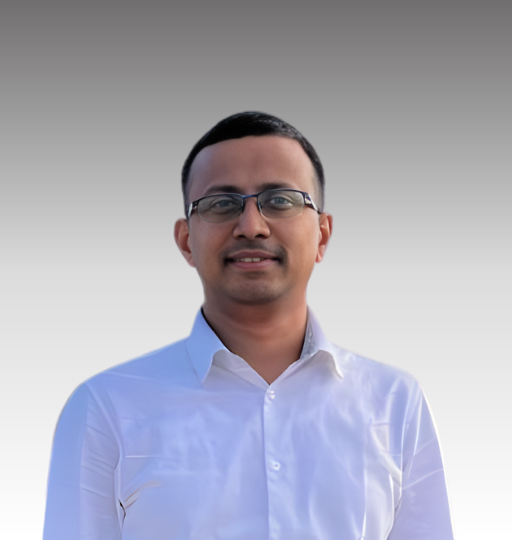
        Milan Vaishnav
        Director and Senior Fellow, South Asia Program
        Milan Vaishnav
        South AsiaIndiaPolitical ReformDemocracyEconomy

        Carnegie India does not take institutional positions on public policy issues; the views represented herein are those of the author(s) and do not necessarily reflect the views of Carnegie, its staff, or its trustees.

        More Work from Carnegie India

        • Commentary
          The PSLV Setback: Restoring India’s Workhorse

          On January 12, 2026, India's "workhorse," the Polar Satellite Launch Vehicle, experienced a consecutive mission failure for the first time in its history. This commentary explores the implications of this incident on India’s space sector and how India can effectively address issues stemming from the incident.

            Tejas Bharadwaj

        • Commentary
          AI Adoption Journey for Population Scale

          Connecting real-world AI use cases across sectors such as health, education, agriculture, and livelihoods can help policymakers, innovators, and institutions align around a shared goal. This article looks at a framework ensuring that AI works for everyone.

            Shalini Kapoor, Tanvi Lall

        • Commentary
          The Impact of U.S. Sanctions and Tariffs on India’s Russian Oil Imports

          This piece examines India’s response to U.S. sanctions and tariffs, specifically assessing the immediate market consequences, such as alterations in import costs, and the broader strategic implications for India’s energy security and foreign policy orientation.

            Vrinda Sahai

        • Article
          Revisiting the Usage of Refurbished Equipment in India’s Semiconductor Ecosystem

          This article looks at the progress of the Semiconductor Laboratory fab modernization plan based on publicly available documents, and potential learnings for future upgrades to government-owned fabs and India’s larger semiconductor ecosystem, especially regarding the use of refurbished equipment.

            Shruti Mittal, Konark Bhandari

        • Article
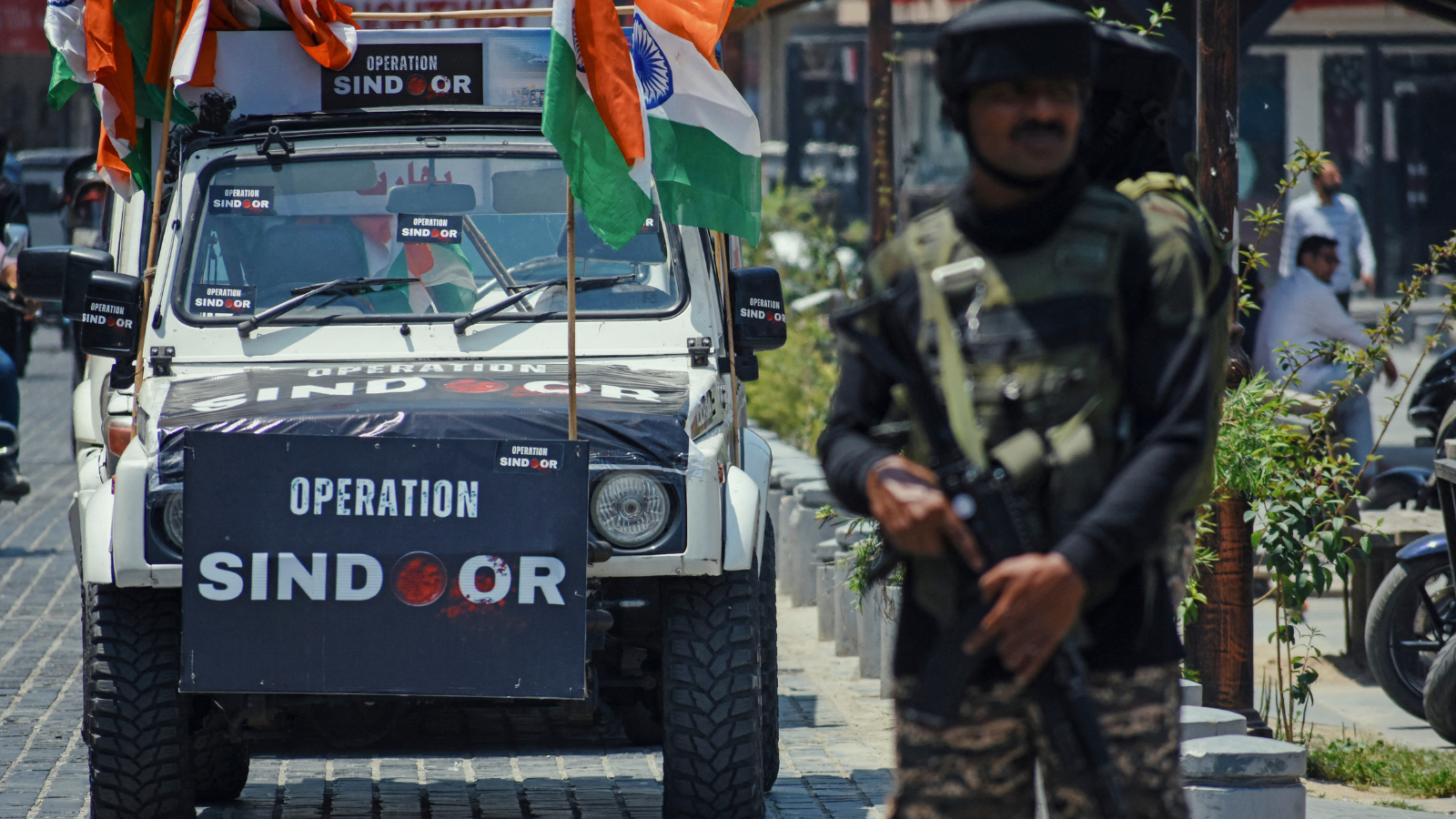
          Military Lessons from Operation Sindoor

          The India-Pakistan conflict that played out between May 6 and May 10, 2025, offers several military lessons. This article presents key takeaways from Operation Sindoor and breaks down how India’s preparations shaped the outcome and what more is needed to strengthen future readiness.

            Dinakar Peri

        Get more news and analysis from
        Carnegie India
        Carnegie India logo, white
        Unit C-4, 5, 6, EdenparkShaheed Jeet Singh MargNew Delhi – 110016, IndiaPhone: 011-40078687
        • Research
        • About
        • Experts
        • Projects
        • Events
        • Contact
        • Careers
        • Privacy
        • For Media
        Get more news and analysis from
        Carnegie India
        © 2026 Carnegie Endowment for International Peace. All rights reserved.