

Commentary
Mohanad Hage Ali
{
  "authors": [
    "Mohanad Hage Ali"
  ],
  "type": "commentary",
  "blog": "Diwan",
  "centerAffiliationAll": "dc",
  "centers": [
    "Carnegie Endowment for International Peace",
    "Malcolm H. Kerr Carnegie Middle East Center"
  ],
  "collections": [
    "Three Question Time",
    "Political Islam"
  ],
  "englishNewsletterAll": "menaTransitions",
  "nonEnglishNewsletterAll": "",
  "primaryCenter": "Malcolm H. Kerr Carnegie Middle East Center",
  "programAffiliation": "MEP",
  "programs": [
    "Middle East"
  ],
  "projects": [],
  "regions": [
    "Levant",
    "Syria",
    "Iraq",
    "Middle East",
    "Russia"
  ],
  "topics": [
    "Political Reform"
  ]
}
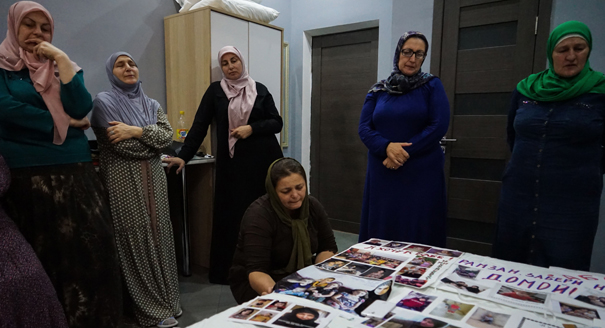
Source: Getty
Ekaterina Sokirianskaia discusses the return home of Russian jihadists who fought in Iraq and Syria.
Ekaterina Sokirianskaia is the founder and director of the Conflict Analysis and Prevention Center, a think tank that focuses on analyzing violent conflicts in the former Soviet Union. Sokirianskaia has seventeen years of experience working on human rights and conflict resolution issues in the North Caucasus region. Until 2017, she served as the International Crisis Group’s Russia-North Caucasus project director. She holds a Ph.D. in political science from the Central European University and has authored or co-authored numerous articles and reports on human rights, security, and conflict in the North Caucasus and Russia. Diwan interviewed her in mid-May to discuss the involvement of Russian jihadists in Iraq and Syria.

Deputy Director for Research, Malcolm H. Kerr Carnegie Middle East Center
Mohanad Hage Ali is the deputy director for research at the Malcolm H. Kerr Carnegie Middle East Center.
Recent Work
Mohanad Hage Ali
Mohanad Hage Ali, Mohamad Najem
Carnegie does not take institutional positions on public policy issues; the views represented herein are those of the author(s) and do not necessarily reflect the views of Carnegie, its staff, or its trustees.
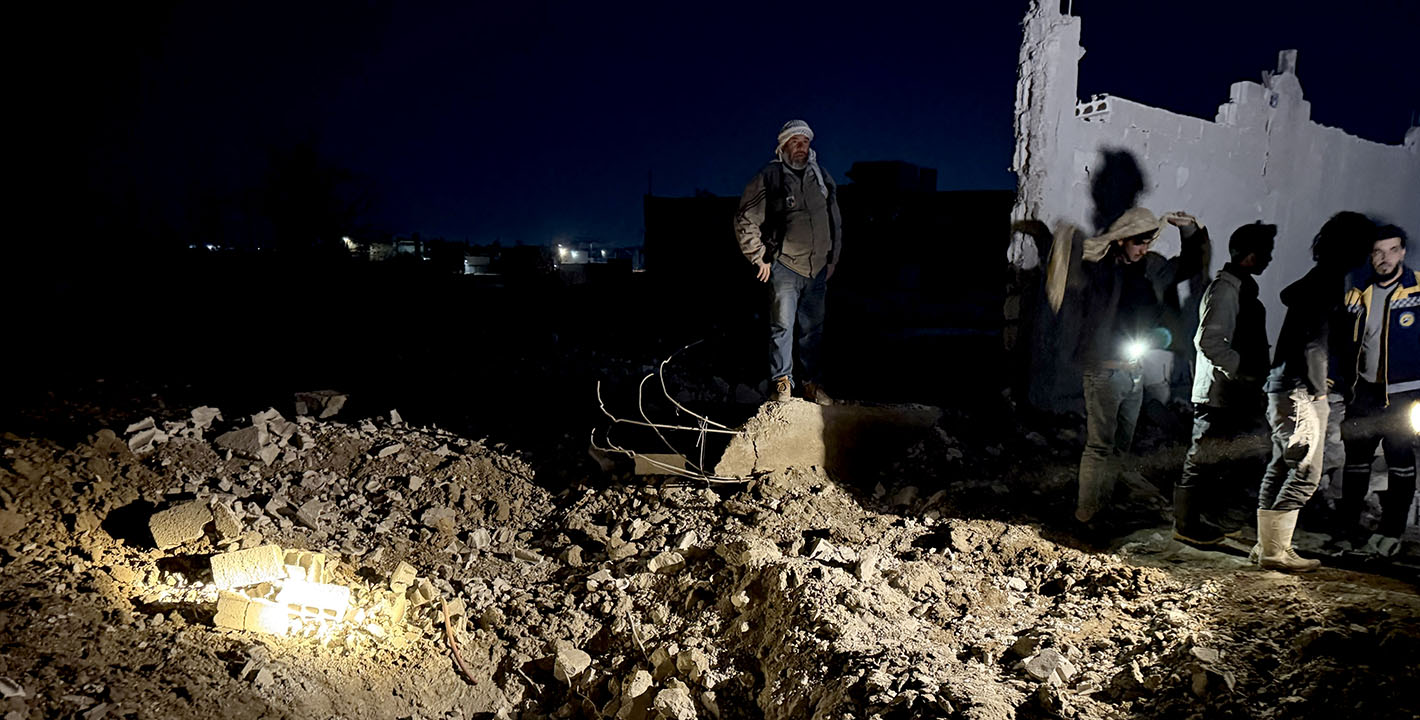
In an interview, Kheder Khaddour explains that Damascus is trying to stabilize its borders, but avoiding war isn’t guaranteed.

Michael Young
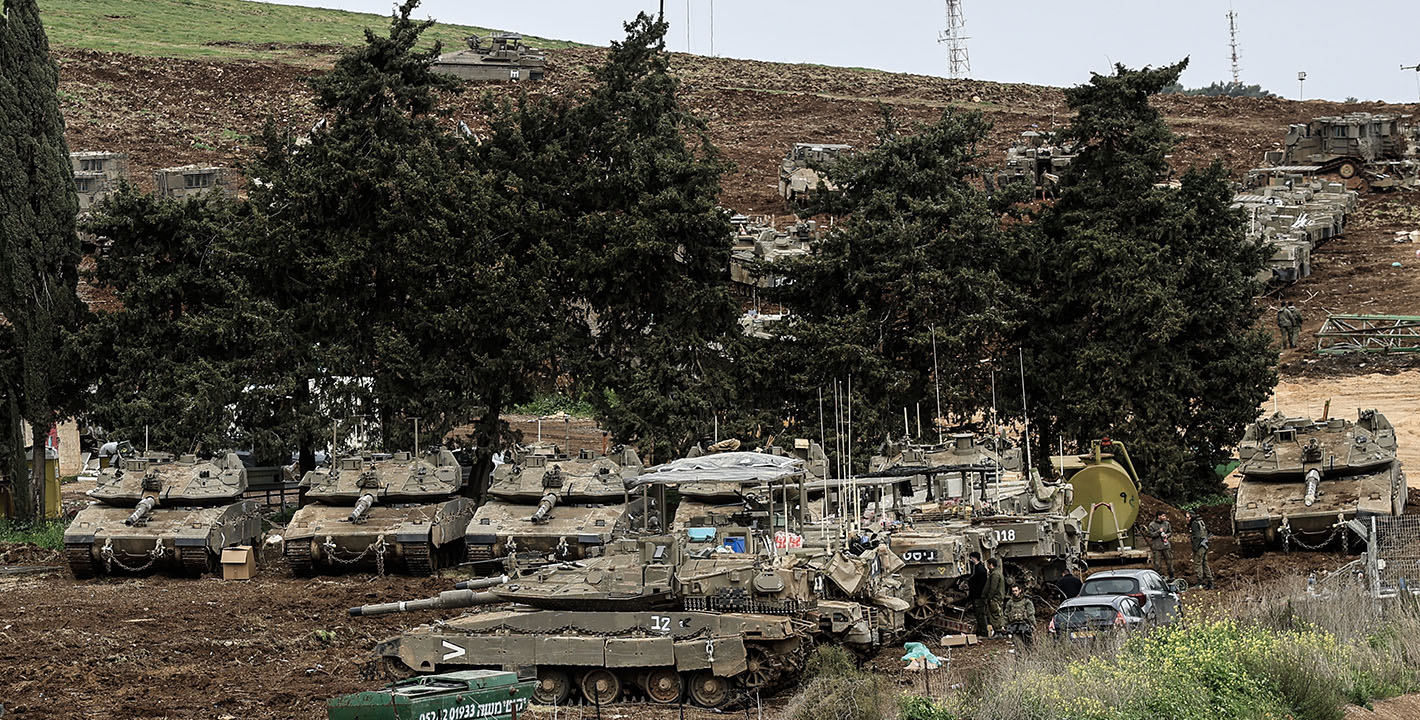
The country’s strategy is no longer focused on deterrence and diplomacy, it’s about dominance and degradation.

Nathan J. Brown
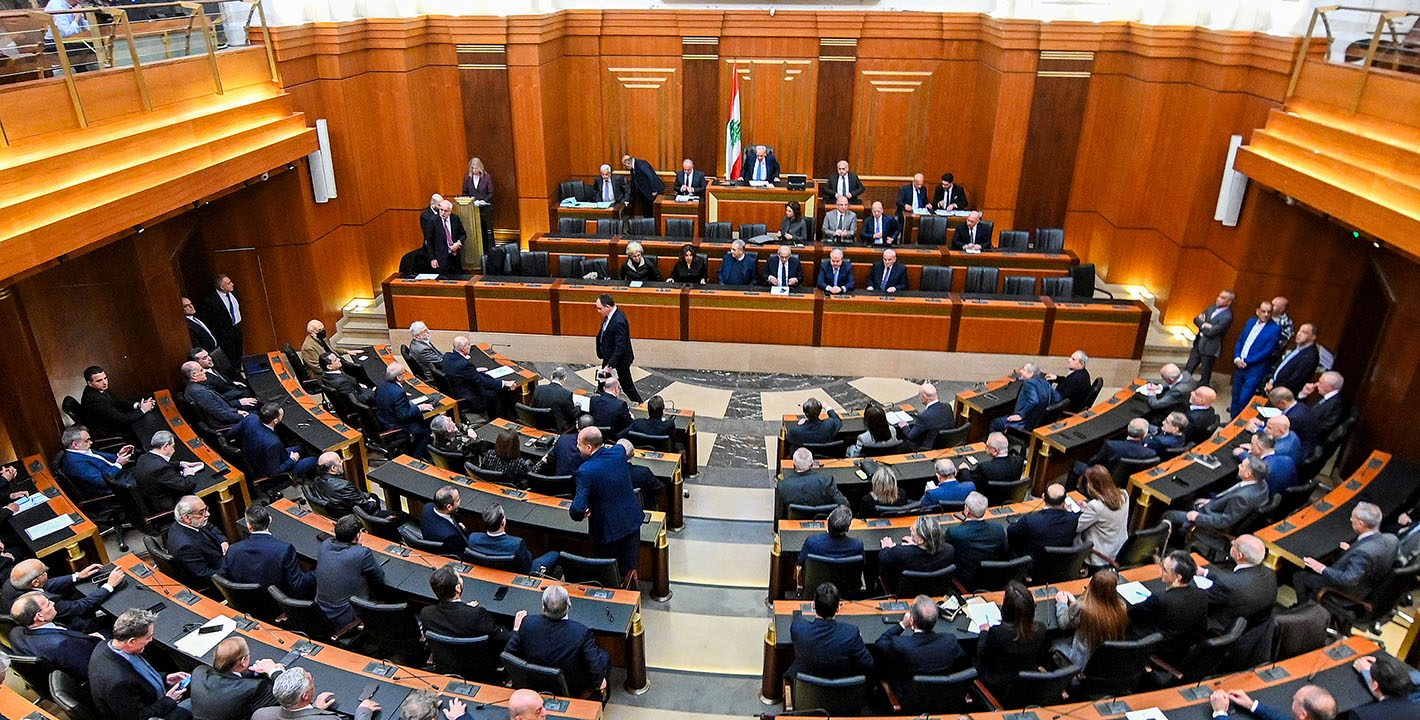
The decision of Lebanon’s parliament may look exceptional, but in reality it is not.

Issam Kayssi

In an interview, Naysan Rafati assesses the first week that followed the U.S. and Israeli attack on Iran.
Michael Young
At heart, to impose unconditional surrender on Hezbollah and uproot the party among its coreligionists.

Yezid Sayigh