

Commentary
A coalition of states is seeking to avert a U.S. attack, and Israel is in the forefront of their mind.
Michael Young
{
  "authors": [
    "Nancy Birdsall",
    "Brian Deese"
  ],
  "type": "other",
  "centerAffiliationAll": "",
  "centers": [
    "Carnegie Endowment for International Peace"
  ],
  "collections": [],
  "englishNewsletterAll": "",
  "nonEnglishNewsletterAll": "",
  "primaryCenter": "Carnegie Endowment for International Peace",
  "programAffiliation": "",
  "programs": [],
  "projects": [],
  "regions": [],
  "topics": []
}
REQUIRED IMAGE
Source: Carnegie
"On the Multilateral Development Banks in a Changing Global Economy"
Economic Perspectives Electronic Journal of the U.S. Department of State, Vol. 6, No. 1, February 2001
Nancy Birdsall and Brian Deese
Despite quantum increases in private capital flows to developing and emerging-market countries, there are still good reasons for the multilateral development banks (MDB) to continue their activities in these countries. The new private flows -- mostly to middle-income developing countries -- are highly susceptible to reversal, and, in difficult times, the private loans may be unavailable or too costly. MDB financing plays a valuable counter-cyclical role in these economies, and MDB lending can help "crowd in" private investment, signaling a country's commitment to reform.
Nonetheless, the MDBs need to adapt their policies to the changing demands of their members. MDB pricing should become more product and country specific, and new products should be designed to better deal with emergencies and non-lending services. The MDBs should take advantage of the HIPC initiative as a chance to become more selective in their lending practices, and should re-juggle representation within their institutional structures to better reflect changing realities.
Carnegie does not take institutional positions on public policy issues; the views represented herein are those of the author(s) and do not necessarily reflect the views of Carnegie, its staff, or its trustees.

A coalition of states is seeking to avert a U.S. attack, and Israel is in the forefront of their mind.
Michael Young
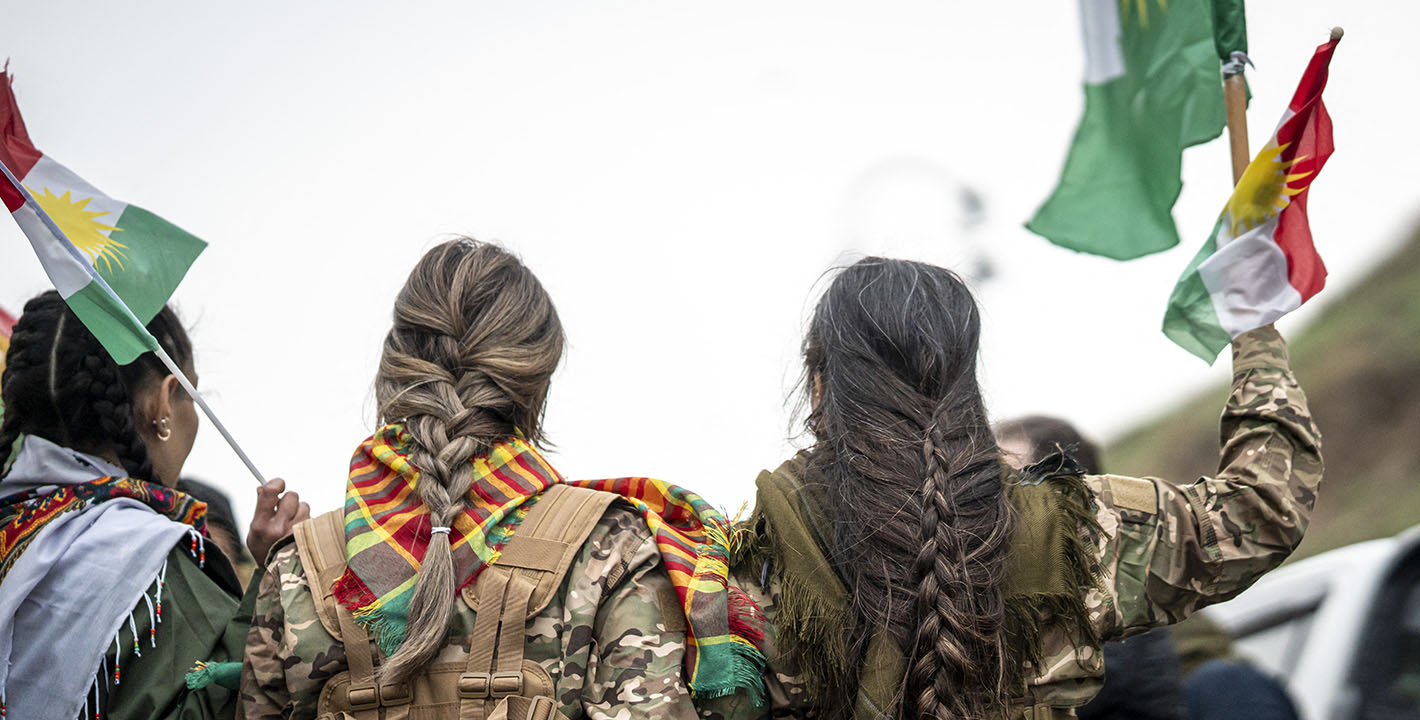
A recent offensive by Damascus and the Kurds’ abandonment by Arab allies have left a sense of betrayal.
Wladimir van Wilgenburg
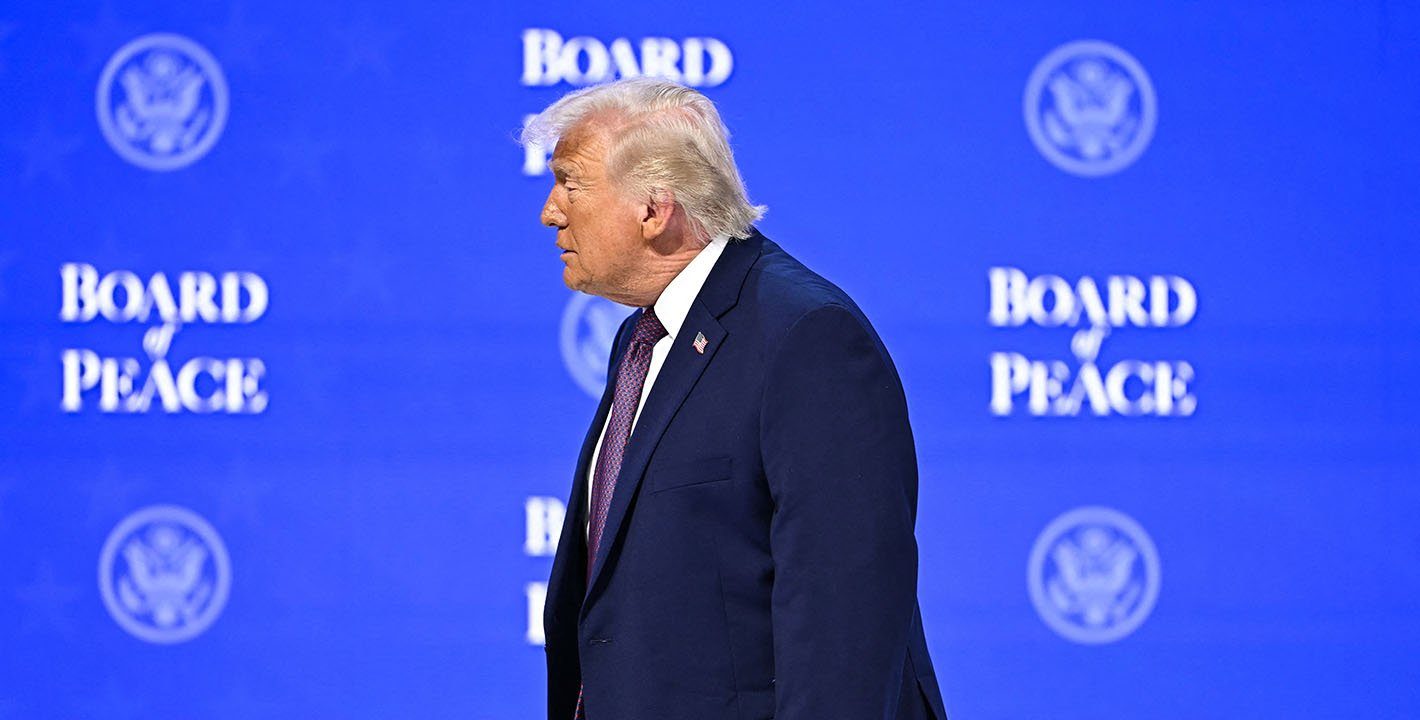
Implementing Phase 2 of Trump’s plan for the territory only makes sense if all in Phase 1 is implemented.

Yezid Sayigh

Fifteen years after the Arab uprisings, a new generation is mobilizing behind an inclusive growth model, and has the technical savvy to lead an economic transformation that works for all.
Jihad Azour
Israeli-Lebanese talks have stalled, and the reason is that the United States and Israel want to impose normalization.
Michael Young