

Commentary
Implementing Phase 2 of Trump’s plan for the territory only makes sense if all in Phase 1 is implemented.
Yezid Sayigh
{
  "authors": [],
  "type": "pressRelease",
  "centerAffiliationAll": "",
  "centers": [
    "Carnegie Endowment for International Peace"
  ],
  "collections": [],
  "englishNewsletterAll": "",
  "nonEnglishNewsletterAll": "",
  "primaryCenter": "Carnegie Endowment for International Peace",
  "programAffiliation": "",
  "programs": [],
  "projects": [],
  "regions": [],
  "topics": []
}
REQUIRED IMAGE
Source: Carnegie
Trade Preferences and Environmental Goods
Trade, Equity, and Development Series
Issue no. 5
Full Text (PDF)
Summary
For the World Trade Organization (WTO), the most important development in
a decade related to trade-environment linkages is the agreement to liberalize
commerce in environmental goods and services. If properly executed, the agreement
will increase the availability of "green" goods in global markets
and break the North-South deadlock that has paralyzed discussion on the trade
regime governing such goods.
However, WTO members appear to be limiting negotiations to capital-intensive
environmental technologies and engineering services, for which developed countries
enjoy a comparative advantage. These goods account for the largest part of the
$525 billion spent annually on the environmental sector worldwide. However,
they are neither the sole nor most visible part of environmental markets. Green
consumer goods - from energy-efficient lighting to recycled products - together
with resource-based products, including organic produce and sustainable forest
and fisheries products, need to come within the purview of WTO negotiations.
A limited number of print copies are available.
Request
a copy.
Scott Vaughan is visiting scholar with the Carnegie Endowment. He previously held positions with the North American Commission for Environmental Cooperation, the World Trade Organization, the United Nations Environment Program, the Royal Bank Financial Group (Canada), and the Canadian federal minister of the environment.
The Trade, Equity, and Development (TED) Series is part of an effort by Carnegie's Trade, Equity, and Development Project to broaden the debate surrounding trade liberalization to include perspectives not normally present in the Washington policy community.
Also in the TED series:
Controlling
Corruption: A Key to Development-Oriented Trade, Peter Eigen
Environment's
New Role in U.S. Trade Policy, John Audley
Reforming
Global Trade in Agriculture: A Developing-Country Perspective, Shishir
Priyadarshi
Doha:
Is It Really a Development Round?, Kamal Malhotra
Carnegie does not take institutional positions on public policy issues; the views represented herein are those of the author(s) and do not necessarily reflect the views of Carnegie, its staff, or its trustees.
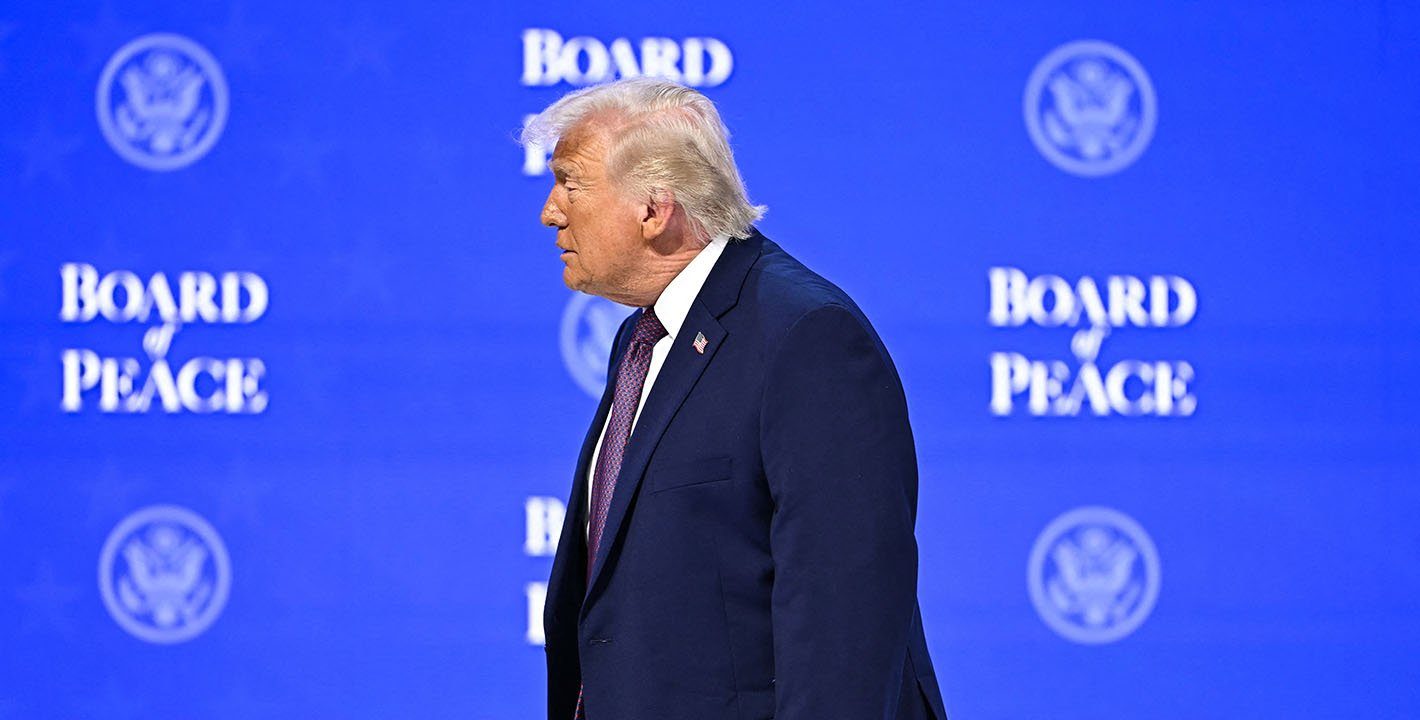
Implementing Phase 2 of Trump’s plan for the territory only makes sense if all in Phase 1 is implemented.
Yezid Sayigh
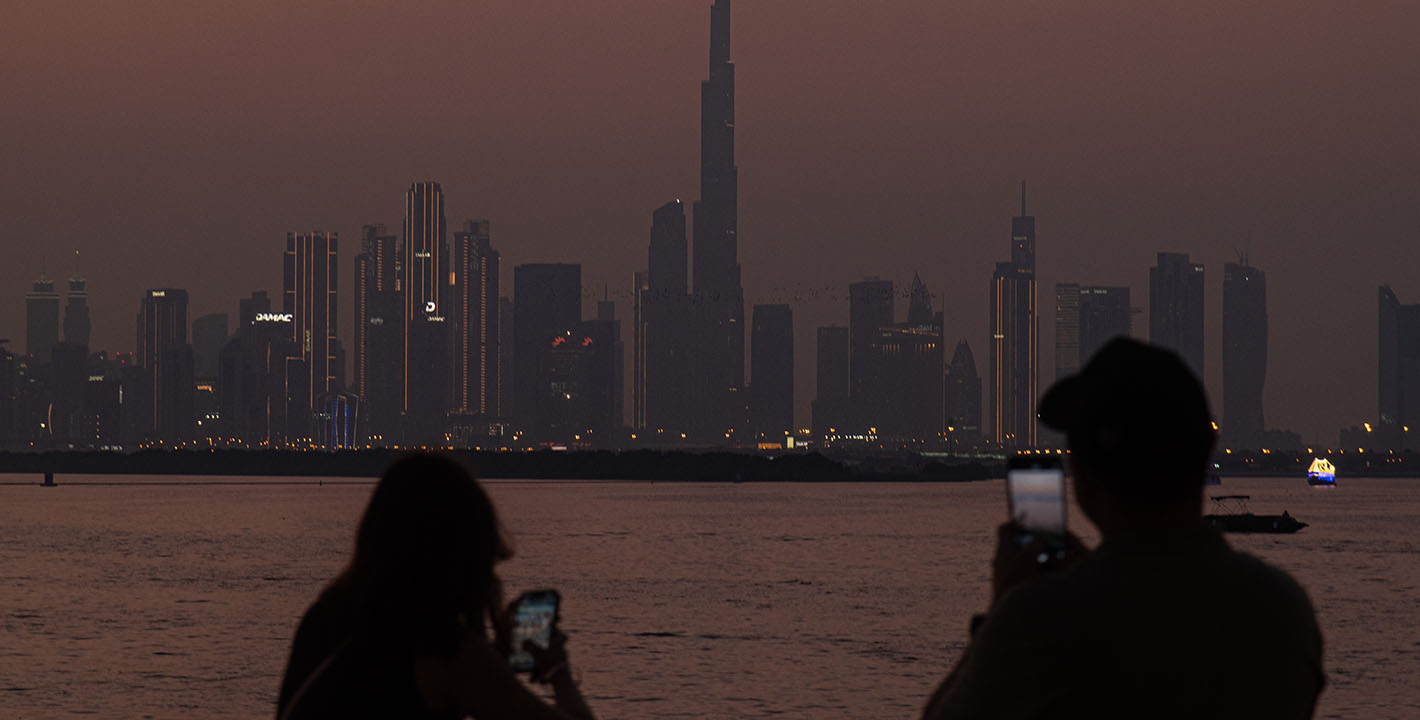
Fifteen years after the Arab uprisings, a new generation is mobilizing behind an inclusive growth model, and has the technical savvy to lead an economic transformation that works for all.
Jihad Azour
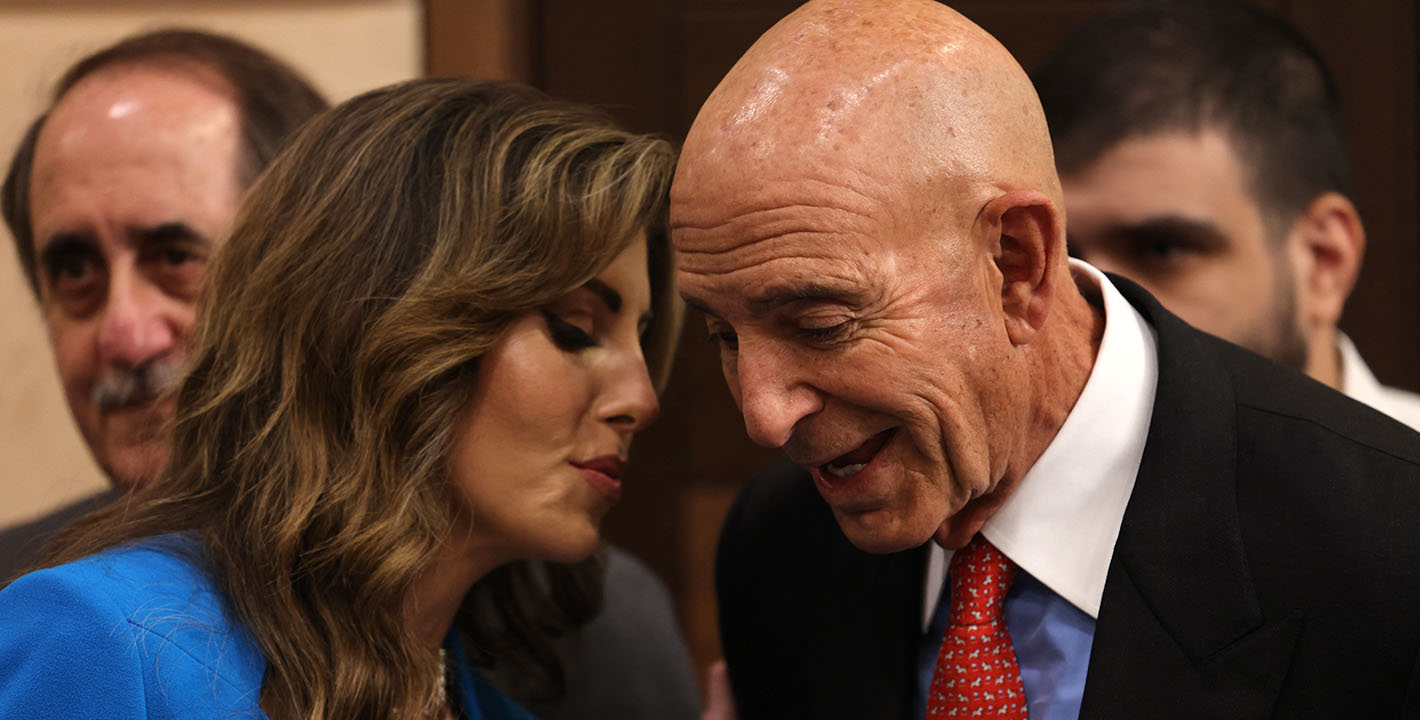
Israeli-Lebanese talks have stalled, and the reason is that the United States and Israel want to impose normalization.
Michael Young
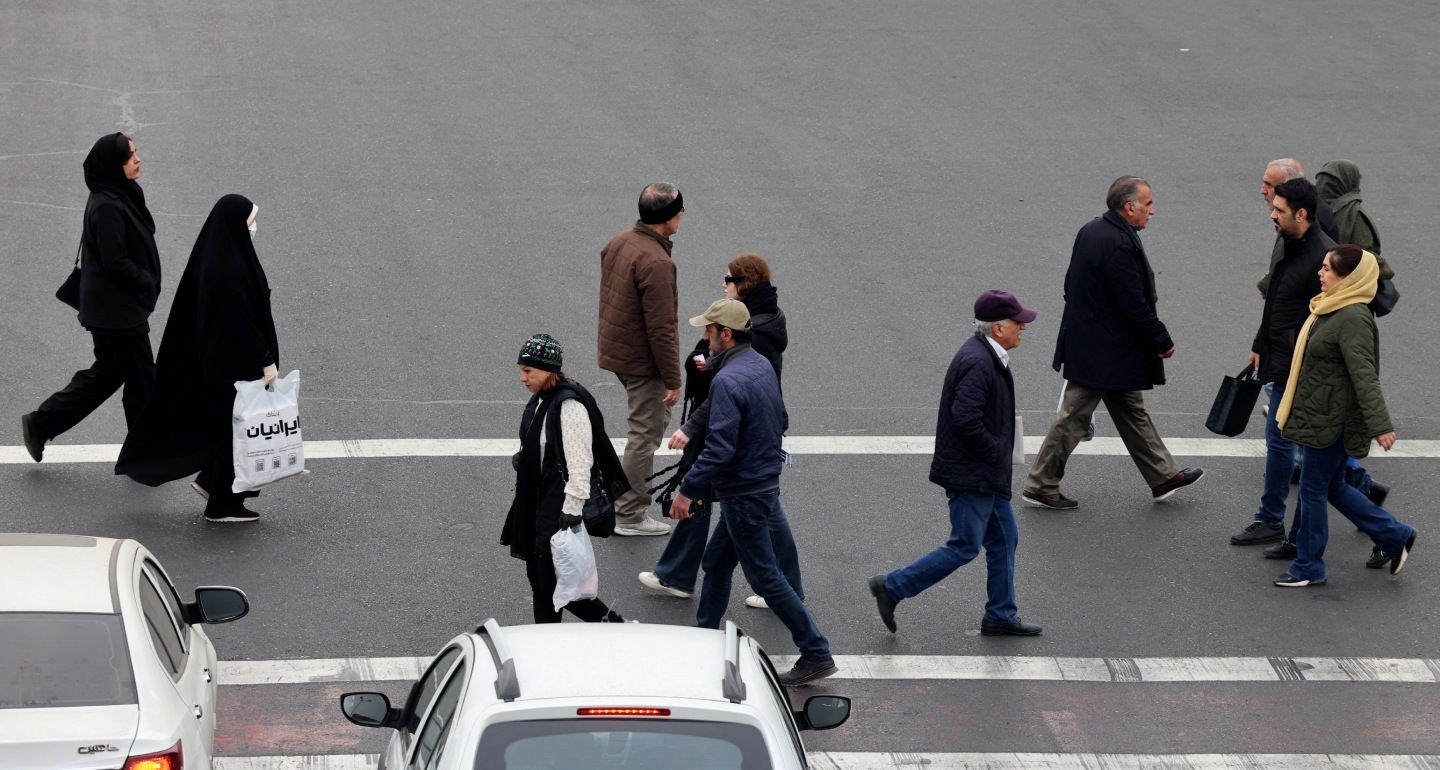
Baku may allow radical nationalists to publicly discuss “reunification” with Azeri Iranians, but the president and key officials prefer not to comment publicly on the protests in Iran.

Bashir Kitachaev

The government’s gains in the northwest will have an echo nationally, but will they alter Israeli calculations?
Armenak Tokmajyan