

Paper
Mei Ying Gechlik (Veron Hung)
{
  "authors": [
    "Mei Ying Gechlik (Veron Hung)"
  ],
  "type": "legacyinthemedia",
  "centerAffiliationAll": "dc",
  "centers": [
    "Carnegie Endowment for International Peace"
  ],
  "collections": [],
  "englishNewsletterAll": "asia",
  "nonEnglishNewsletterAll": "",
  "primaryCenter": "Carnegie Endowment for International Peace",
  "programAffiliation": "AP",
  "programs": [
    "Asia"
  ],
  "projects": [],
  "regions": [
    "East Asia",
    "China"
  ],
  "topics": [
    "Political Reform"
  ]
}
REQUIRED IMAGE
The recent demonstrations in Hong Kong against a draconian national security bill and Tung Chee-hwa have led some observers to suggest that Hong Kong people are anti-Beijing. They are wrong. Far from being anti-Beijing, many of Hong Kong's residents are favourably disposed towards the Chinese leadership. That could change, though, if Beijing blocks the local reforms they are demanding.
Source: Carnegie
Originally published in the Financial Times, July 16, 2003.
The recent demonstrations in Hong Kong against a draconian national security bill and Tung Chee-hwa, the territory's chief executive, have led some observers to suggest that Hong Kong's people are anti-Beijing. They are wrong. Far from being anti-Beijing, many of Hong Kong's residents are favourably disposed towards the Chinese leadership. That could change, though, if Beijing blocks the local reforms they are demanding.
So far the demonstrators' grievance is essentially local. No one has been chanting slogans against the Chinese government. Indeed, when Wen Jiabao, China's premier, visited Hong Kong last month to celebrate the sixth anniversary of its return to Chinese rule, local residents gave him a warm welcome. In the words of the independent and popular Oriental Daily: "[Wen] connected with ordinary men and women in Hong Kong in a way our current leadership cannot."
Other Beijing leaders also enjoy popular support. President Hu Jintao was praised for his dismissal of China's former health minister over the outbreak of severe acute respiratory syndrome. Last August, a survey of the city's young people found that Zhu Rongji, China's former premier, and Mao Zedong, Deng Xiaoping and Zhou Enlai, the late leaders, were among the five most admired political figures.
Mistaking anti-Tung sentiment in Hong Kong for anti-Beijing sentiment is a serious error. It risks increasing the Chinese leadership's resistance to the people's demands. These are twofold. First, they want Mr Tung to step down because they have become frustrated by his governance during the past six years. Second, they want to be able to choose their own leader after 2007, because when China took over Hong Kong it gave them an option to do so. The Basic Law, a mini-constitution adopted by Beijing for Hong Kong, allows direct election of the chief executive after 2007 if, when the matter is decided, the then chief executive, the standing committee of China's national legislature and two-thirds of the local legislature approve.
Despite this explicit provision in the Basic Law, the Tung administration has yet to work out a concrete democratisation plan. Before the July 1 rally - in which 500,000 people took part - it announced that it planned to launch a public consultation next year at the earliest because it had to "focus on research on the issue this year".
The position was reiterated on Monday by Stephen Lam, secretary for constitutional affairs. The administration has also claimed the city lacks the prerequisites for full democracy.
Mr Tung and the standing committee of China's national legislature, a rubber stamp, are unlikely to approve direct election of Hong Kong's chief executive without approval from China's top decision-maker. Mr Hu is seen as favouring some degree of political reform in China. There are hopes that he might give direct election the green light, if he and his allies were free to decide.
But Mr Hu's leadership remains unstable. His predecessor, Jiang Zemin, a conservative, still controls the military and retains enormous power. Mr Hu's emphasis on Mr Jiang's "three represents" theory - an unconvincing effort to integrate capitalism with communist principles - at a recent public forum to mark the 82nd anniversary of the Chinese Communist party shows that Mr Jiang still has the upper hand.
How the power struggle in Beijing will turn out is beyond the control of Hong Kong's residents. But they can at least, in next year's legislative election, try to elect a legislature that will be likely to approve (by a two-thirds majority) universal suffrage for the chief executive. This will not be easy as they can directly elect only half of the 60 legislators. The other half will be elected by designated business or professional groups, most of which have in the past preferred conservative representatives.
Beijing has yet to respond to the crisis in Hong Kong, although its liaison office in the territory on Tuesday warned against making Hong Kong a "political city". At present, Hong Kong's people are anti-Tung only. If Beijing shows continued support for Mr Tung and fails to honour its promise to allow more democracy in Hong Kong, that is likely to generate anti-Beijing sentiment. Chinese leaders should ask themselves again why it was that Hong Kong's people welcomed Mr Wen. The answer is that he connected with them. The essence of connection is listening.
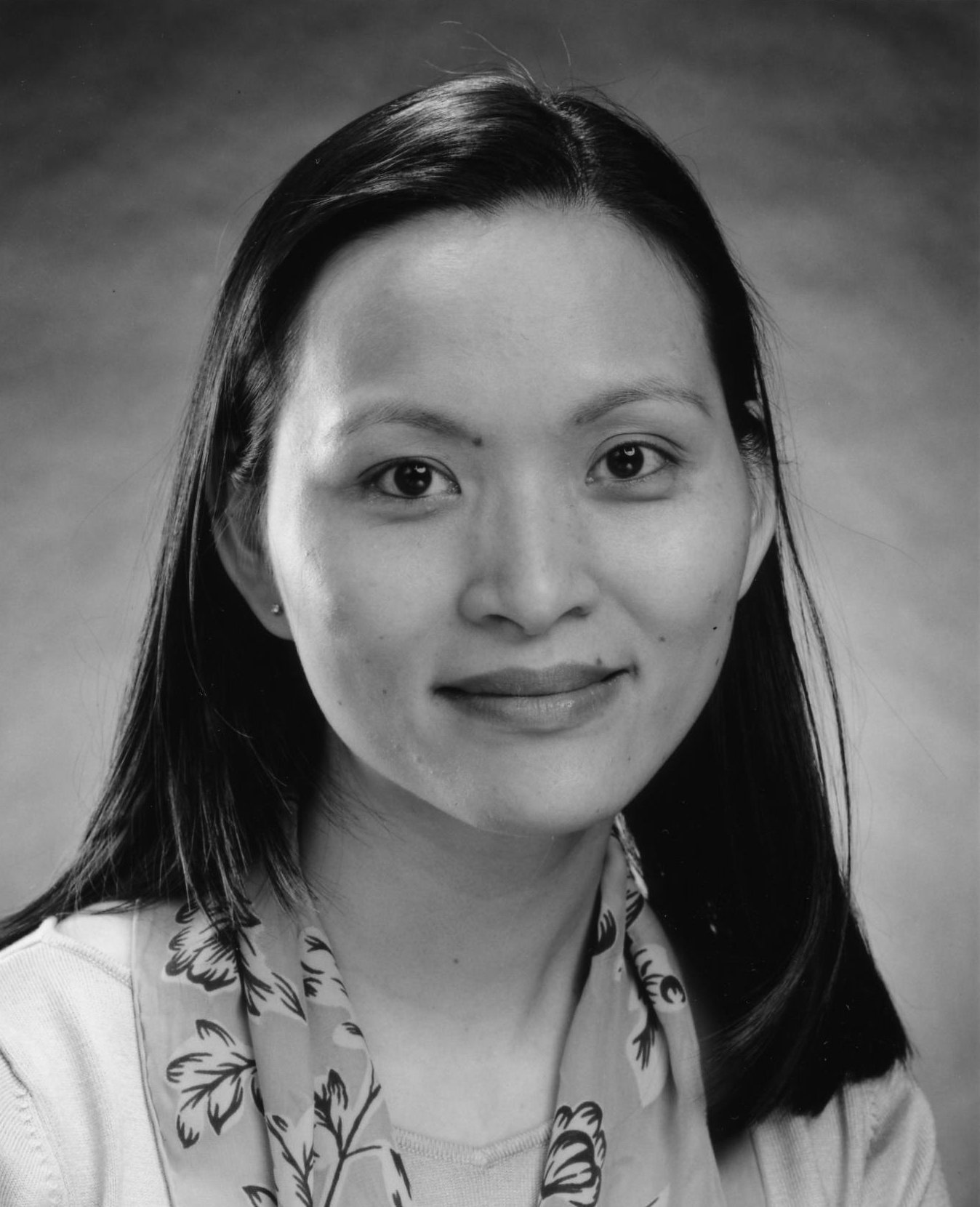
Former Non-Resident Associate
Recent Work
Mei Ying Gechlik (Veron Hung)
Mei Ying Gechlik (Veron Hung)
Carnegie does not take institutional positions on public policy issues; the views represented herein are those of the author(s) and do not necessarily reflect the views of Carnegie, its staff, or its trustees.

China has aligned its cooperation model with Saudi Arabia’s own priorities, most notably since the kingdom unveiled its Vision 2030. Although China announced the Belt and Road Initiative in 2013, the big push in relations happened only after the ascendance of King Salman to the throne in 2015 and Riyadh’s push for Beijing to meet Saudi needs.

Hesham Alghannam
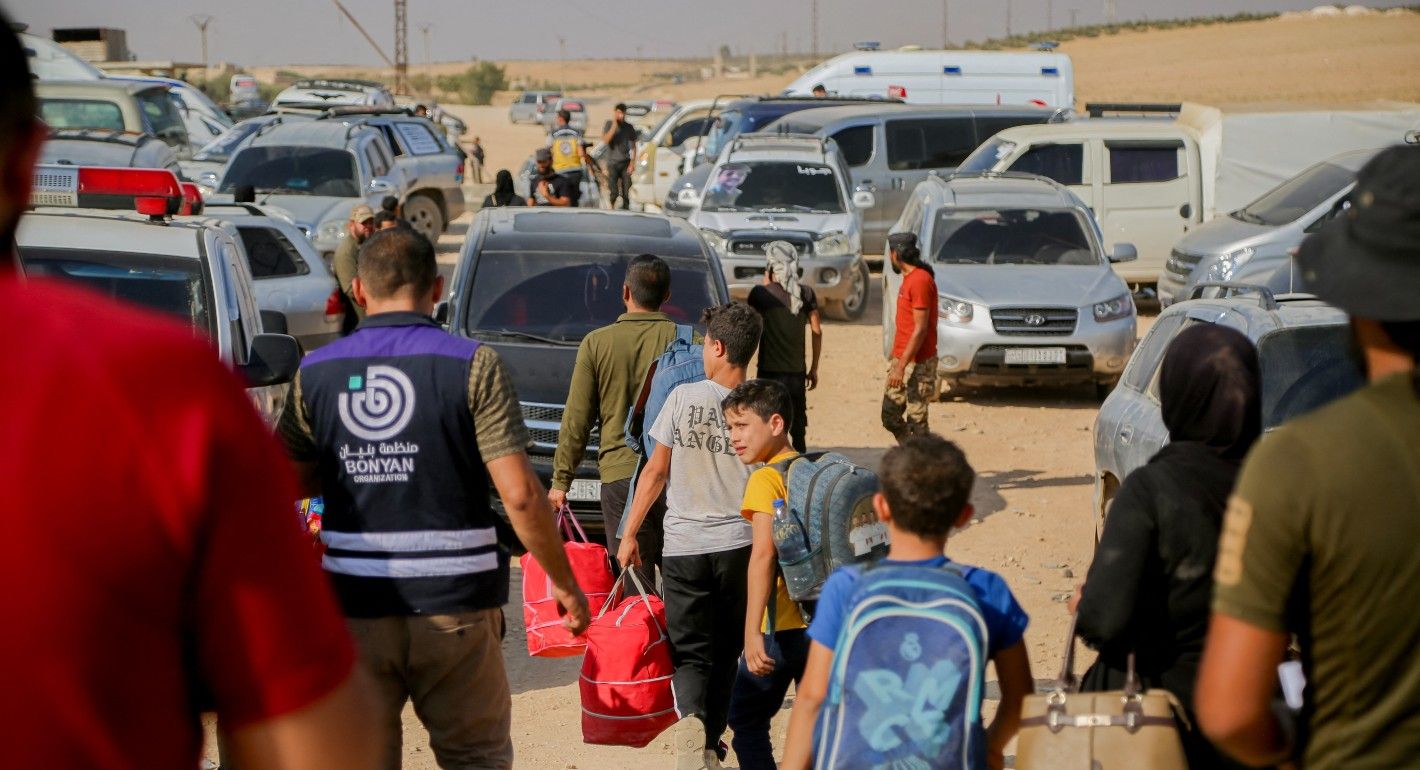
A humanitarian crisis in Lebanon deepens, and Syrian refugees face a perilous choice: remain in a war-torn environment or return to Syria where they risk encountering significant dangers and discrimination. There are significant challenges and risks to their search for safety in Syria.
Haid Haid
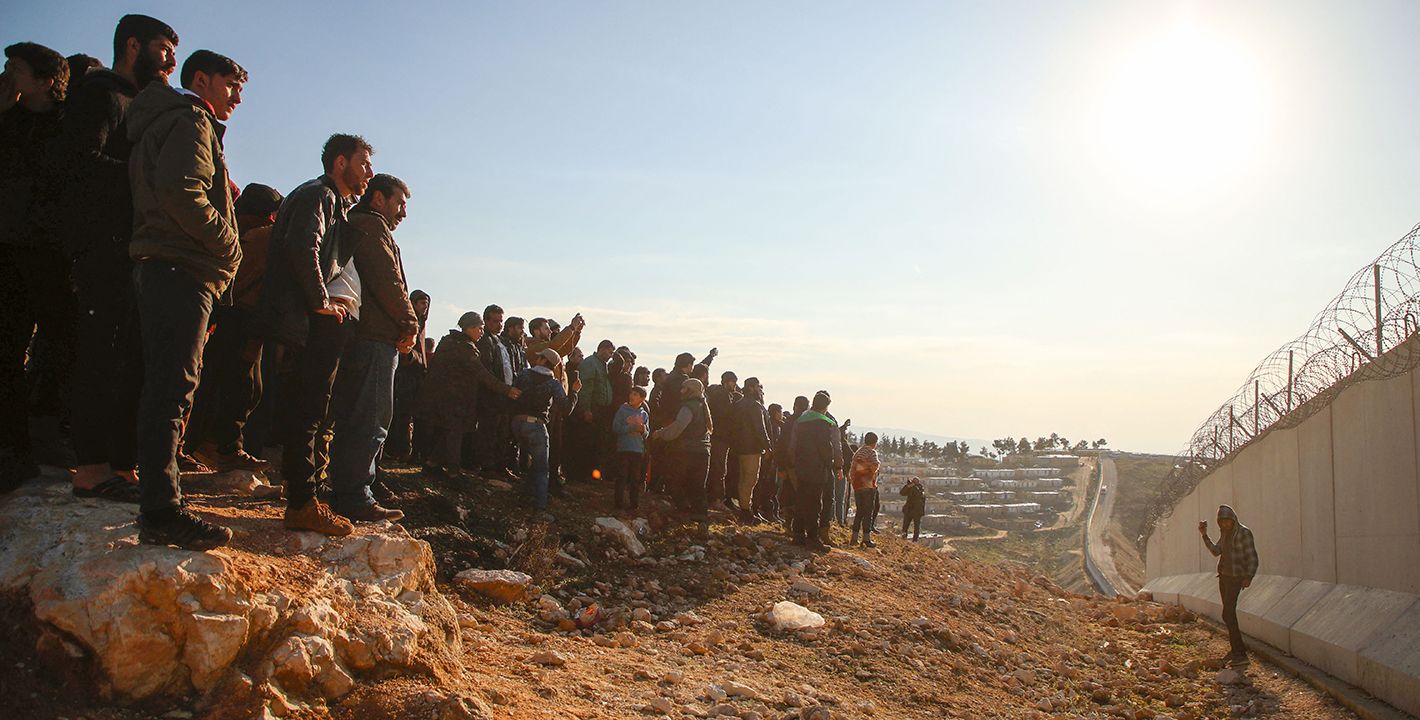
In Syria’s border regions, changes in demographics, economics, and security mean that an inter-Syrian peace process will require consensus among main regional powers that Syria must remain united, that no one side can be victorious, and that perennial instability threatens the region.


Kheder Khaddour, Armenak Tokmajyan
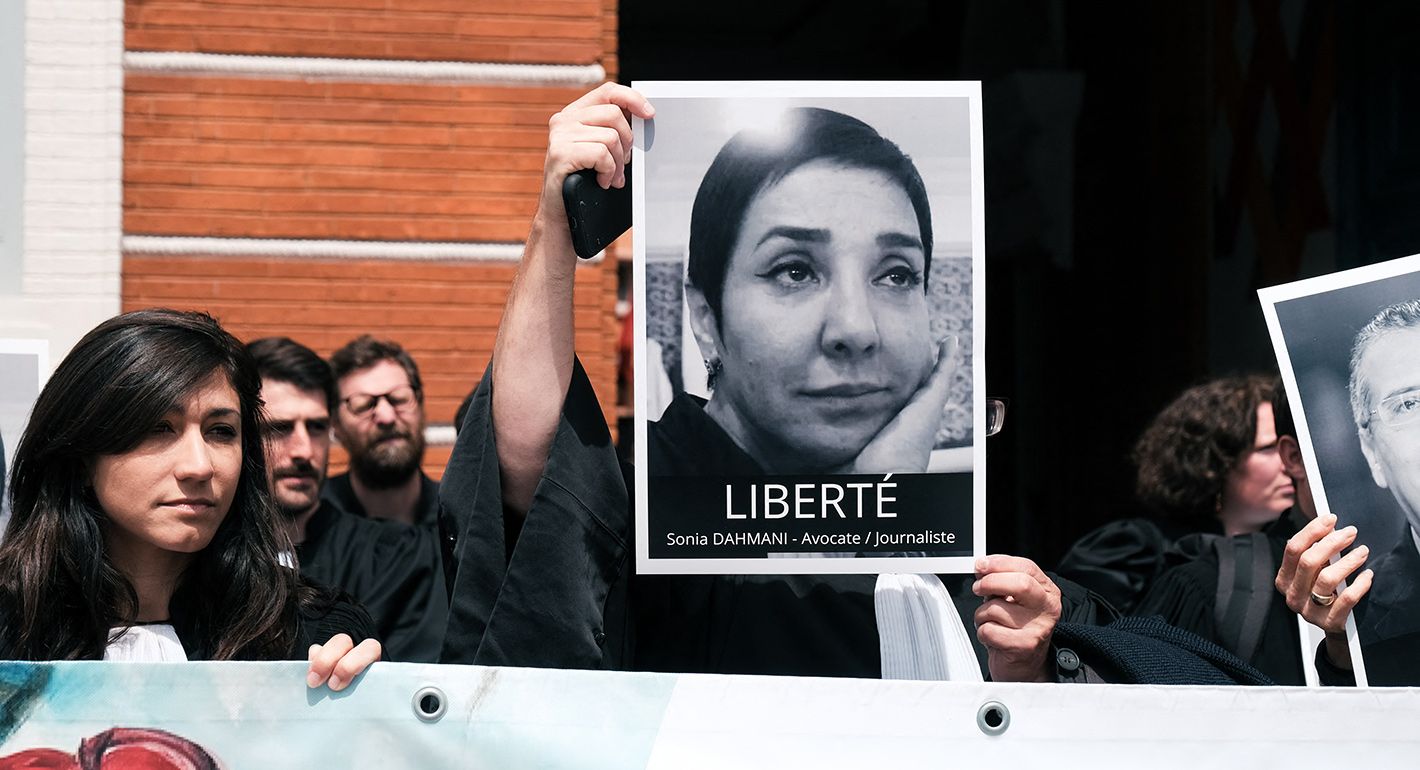
For many in the society, the post-Ben Ali years were mainly about successive economic crises and political instability.
Jasmine Khelil

The Gulf Cooperation Council has shifted its energy export focus to Asia, particularly India and China. This is part of a broader shift as GCC members look to expand their geopolitical alliances away from the West.
Alexandre Kateb