

Research
- +10
Rosa Balfour, Frances Z. Brown, Yasmine Farouk, …
{
  "authors": [
    "Moisés Naím"
  ],
  "type": "legacyinthemedia",
  "centerAffiliationAll": "",
  "centers": [
    "Carnegie Endowment for International Peace"
  ],
  "collections": [],
  "englishNewsletterAll": "",
  "nonEnglishNewsletterAll": "",
  "primaryCenter": "Carnegie Endowment for International Peace",
  "programAffiliation": "",
  "programs": [],
  "projects": [],
  "regions": [
    "North America",
    "United States",
    "South America"
  ],
  "topics": [
    "Political Reform",
    "Democracy"
  ]
}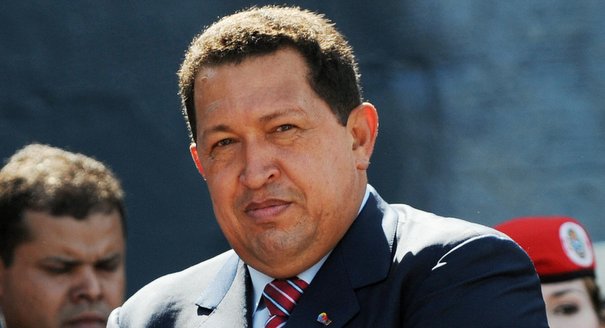
Source: Getty
The candidates for the U.S. Republican presidential nomination could learn a great deal from the informed and serious campaigns of the Venezuelan opposition leaders, who are daring to stand up to Hugo Chávez.
Source: El Pais

Electoral debates are a mixture of political theater and reality show that sometimes influence a country's future. While they all too often change nothing and simply confirm the preferences that people held beforehand, in some rare cases a debate can change the outcome of an election.
Recently there have been some debates that have gone largely unnoticed by the rest of the world. One was among the contenders for the presidential nomination of one of the world's most powerful political parties. The other was between five candidates seeking to represent one of the most fragile and embattled political groups on the planet. The first was among Republicans seeking their Party nomination while the other was between members of the Venezuelan opposition who are running in a primary contest that will pick a "unity candidate" to run against Hugo Chávez in elections scheduled for 2012. The first left me concerned and somewhat embarrassed the second filled me with pride and hope (full disclosure: I am Venezuelan, and a Chávez opponent).
These debates have implications beyond what happens in the United States and Venezuela. The Republican Party, is influential, knows how to win elections, and is energized by the belief that it has a good chance of beating Barack Obama in next year's poll. The problem is the eight candidates seeking to lead the challenge. They have already had 10 debates, and intend to hold another 15. The debates have helped to make them better known, and what we have discovered is not good. We have seen an astonishing display of religious fanaticism ("homosexuality is a disease that can be cured through prayer"); deep disdain for science ("Darwin's theories have not been proved"); spurious economic positions ("the fiscal deficit can be reduced without raising taxes"); crass populism ("I am going to abolish, two - no better three! - large government agencies"); hypocrisy ("marriage and faithfulness are sacred values"); ignorance ("the Taliban are in Libya"); and downright lies ("Obama is not an American"). To think that these are the best leaders that one of the world's most powerful political parties can field is, to say the least, surprising. The Republican Party, the United States and the world deserve better.
Meanwhile, in Venezuela... an opposition with a reputation for ineptitude, corruption and elitism has transformed itself into one of the most democratic and inspiring political movements in Latin America. It is now a multi-class, movement, full of young idealistic activists. It is planning to hold primaries in which all Venezuelans can vote to elect the candidate who will stand against Chávez.
Recently, the five candidates took part in an event that most Venezuelans - the under 30s - had never witnessed: a televised debate between political opponents. The last debate was in 1983. Neither had they seen politicians who didn't treat their competitors as mortal enemies and who did not accept their right to aspire to office. They didn't see them insult each other; what they saw instead was a discussion where nobody resorted to the brutal tactics that President Chávez commonly uses against those who disagree with him. Compared to the Republican Party's hopefuls, the Venezuelan opposition leaders were better informed, serious, capable and modern. Sadly, and in stark contrast to their US counterparts, whoever emerges as the candidate will not be facing an incumbent president within a democratic institutional framework. Instead he or she will run against Hugo Chávez and his penchant to bend the rules to ensure that contenders face anything but a level playing field.
This will come as a surprise to many political observers but the likes of Bachman, Cain, Gingrich, Huntsman, Santorum, Paul, Perry, or Romney, could learn a great deal from leaders that you have probably never heard of: Arria, Capriles, López, Machado and Pérez, the Venezuelans who are daring to stand up to Hugo Chávez.
The world's assorted crises have not left much room for coverage of the tragedy unfolding in Venezuela. But what happened there recently is an event that deserves more international attention. As does what is not happening in the Republican Party.

Distinguished Fellow
Moisés Naím is a distinguished fellow at the Carnegie Endowment for International Peace, a best-selling author, and an internationally syndicated columnist.
Recent Work



Rosa Balfour, Frances Z. Brown, Yasmine Farouk, …
Moisés Naím
Carnegie does not take institutional positions on public policy issues; the views represented herein are those of the author(s) and do not necessarily reflect the views of Carnegie, its staff, or its trustees.
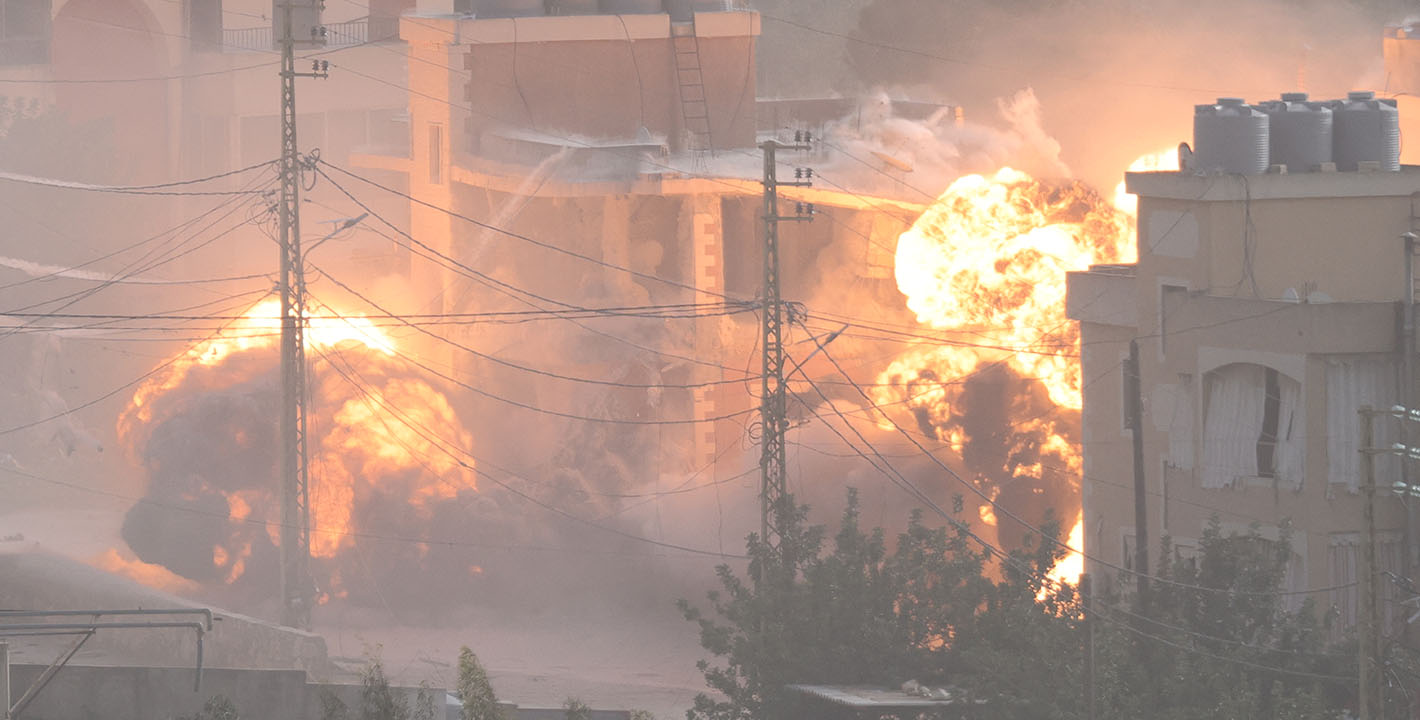
As Iran defends its interests in the region and its regime’s survival, it may push Hezbollah into the abyss.

Michael Young
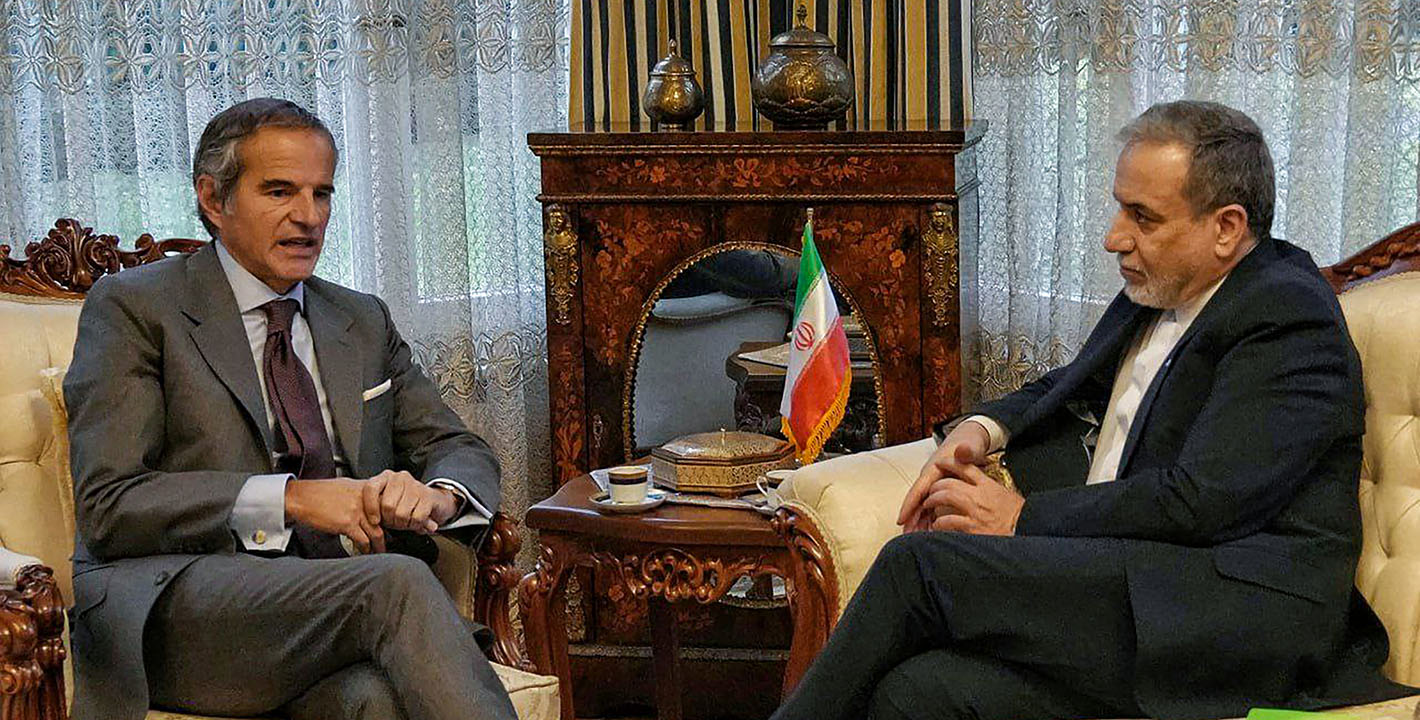
Because of this, the costs and risks of an attack merit far more public scrutiny than they are receiving.
Nicole Grajewski
The organization is under U.S. sanctions, caught between a need to change and a refusal to do so.
Mohamad Fawaz

A coalition of states is seeking to avert a U.S. attack, and Israel is in the forefront of their mind.
Michael Young
Implementing Phase 2 of Trump’s plan for the territory only makes sense if all in Phase 1 is implemented.

Yezid Sayigh