

Paper
Lahcen Achy
{
  "authors": [
    "Lahcen Achy"
  ],
  "type": "legacyinthemedia",
  "centerAffiliationAll": "",
  "centers": [
    "Carnegie Endowment for International Peace",
    "Malcolm H. Kerr Carnegie Middle East Center"
  ],
  "collections": [],
  "englishNewsletterAll": "",
  "nonEnglishNewsletterAll": "",
  "primaryCenter": "Malcolm H. Kerr Carnegie Middle East Center",
  "programAffiliation": "",
  "programs": [],
  "projects": [],
  "regions": [
    "Egypt",
    "Gulf",
    "Levant",
    "Maghreb",
    "Middle East",
    "North Africa",
    "Iran",
    "Türkiye"
  ],
  "topics": [
    "Economy"
  ]
}
Source: Getty
Some Arab countries should adopt industrial policies that promote the acquisition of technical and technological knowledge, to boost productivity and make them more competitive.
Source: Al-Hayat
Industrial policy has received considerable attention in the economic discourse of Arab countries since the 1960s, but real industrial development has often come in second. This is because state policies opted to preserve political balances in society by granting economic privileges and distributing income in the form of rent without taking into account considerations of efficiency.
Looking at the experiences of Algeria, Egypt, and Morocco, it is clear that a distorted industrial policy led to a misallocation of labor and capital among industrial activities instead of toward activities that would improve productivity over the long term. This policy led to an increased tendency toward a rentier economy and resulted in huge costs incurred by governmental budgets in the form of nonperforming loans and the bankruptcy of state banks and industrial projects.
The performance of Arab countries has significantly differed from that of other emerging market economies, which over the past two decades have witnessed rapid growth in private investment and industrial production and in the diversity of manufactured products, with a heavy focus on technology. The employment challenges faced by Arab countries—in light of the demographic transitions they have witnessed—reveal the weaknesses of this nondiversified economic model, which is based primarily on the extraction and export of raw materials, agricultural and traditional activities, and some value-added industries that depend first and foremost on unskilled labor.Rapid growth in information and communication technologies, an accelerated pace of technological change and rising levels of economic integration throughout the world highlight the need for Arab countries to focus on efficiency and to invest in acquiring technical and technological knowledge and modern management methods. Successful economic experiences across the world have proven that competitive advantages are not based on an abundance of natural resources or low-cost labor but rather on innovation, knowledge, and good management.
A number of factors confirm the urgent need today for a new generation of industrial policies, especially after market reforms carried out by Arab countries failed to achieve any significant shift in economic structures or boost productivity, to put these countries in a position to cope with international competition. It has become clear that these countries cannot rely on foreign investment to achieve an industrial take-off because it is extremely volatile and focuses on investment opportunities that produce quick and substantially high profits and involve the lowest risks.
The diversity of experiences with industrial policy in different countries demonstrates that the results of such policies mainly depend on their institutional environment, which also determines the approach that is adopted for formulation, implementation and evaluation. Furthermore, the relationship between political and economic interests usually determines the nature of the adopted industrial polices and the interest blocs that can take advantage of them.
The economic literature distinguishes between sectoral industrial policies and horizontal policies. The former focuses on specific industries, or even specific companies, under the pretext of supporting emerging industries, by providing selective incentives so that local producers can reduce their costs and keep up with competitors. In contrast, horizontal policies benefit all companies and include measures such as improving education, upgrading employee skills, promoting research and development, and establishing an infrastructure that is appropriate and effective for practicing business.
The majority of East Asian and Latin American countries conducted wide-ranging reforms to the structures of their economies throughout the 1980s and 1990s by refocusing their strategies on policy packages that were more coherent and market oriented in order to encourage private sector export-led growth. However, the majority of Arab governments still rely on traditional industrial policies, with a sectoral focus.
They do so for two main reasons. First, in other parts of the developing world the state has offered privileges that include horizontal policies, which affect different activities and sectors, and it is not easy to mobilize beneficiaries on the political level. The development of skills and the adoption of innovative technological policies, for example, benefit a large number of companies. However, these benefits are typically small, and it is difficult to predict the level of political support that beneficiaries will mobilize for such policies.
Second, the consequences of many of these horizontal policies only become tangible after a long period of time—which may extend for years—as is the case with education, research and development. Interest groups are less likely to defend polices that are less important and that provide benefits only in the long term. It is the government's responsibility to enact such policies and to have a long-term vision with regard to development.
Arab countries are now making a transition to a new generation of more horizontal policies. However, this process is slow-paced, especially compared to the transformations taking place in other parts of the developing world. Arab countries must carefully evaluate the traditional industrial polices they have implemented in past decades to determine the costly mistakes that were made. They must acknowledge that the socioeconomic challenges they face today require a review of earlier policies, and necessitate assigning priority to economic efficiency and competitiveness when allocating financial, fiscal, and other incentives.
This transformation requires reforming the governance of the institutions responsible for implementing industrial policy, subjecting them to transparency and accountability measures, and providing more space for representatives of different groups involved in drafting policy. Overhauling mechanisms of governance will certainly help in the design and implementation of effective industrial policies so that the industrial sector plays a leading role in the development of Arab economies, guarantees good jobs, and improves household income levels.
This article was originally published in Arabic in Al-Hayat.

Former Nonresident Senior Associate, Middle East Center
Achy is an economist with expertise in development, institutional economics, trade, and labor and a focus on the Middle East and North Africa.
Recent Work
Lahcen Achy
Lahcen Achy
Carnegie does not take institutional positions on public policy issues; the views represented herein are those of the author(s) and do not necessarily reflect the views of Carnegie, its staff, or its trustees.
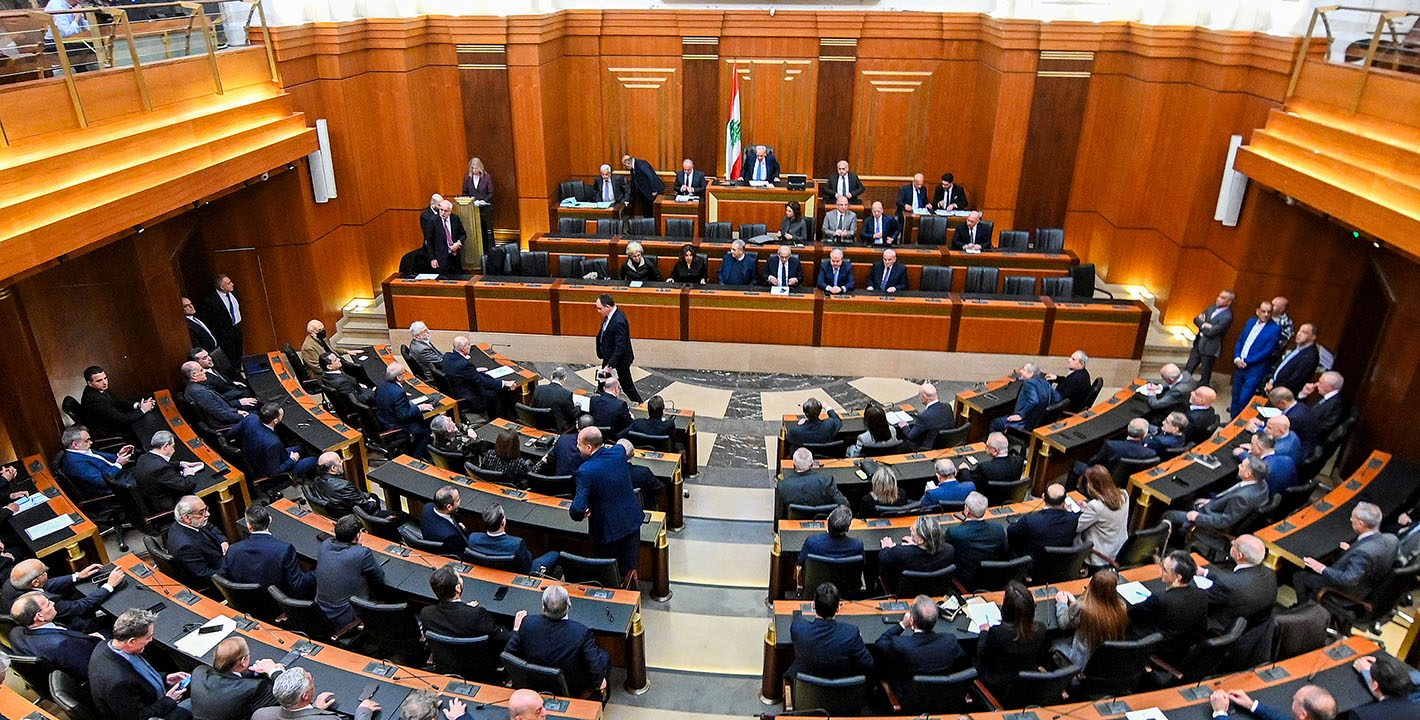
The decision of Lebanon’s parliament may look exceptional, but in reality it is not.

Issam Kayssi
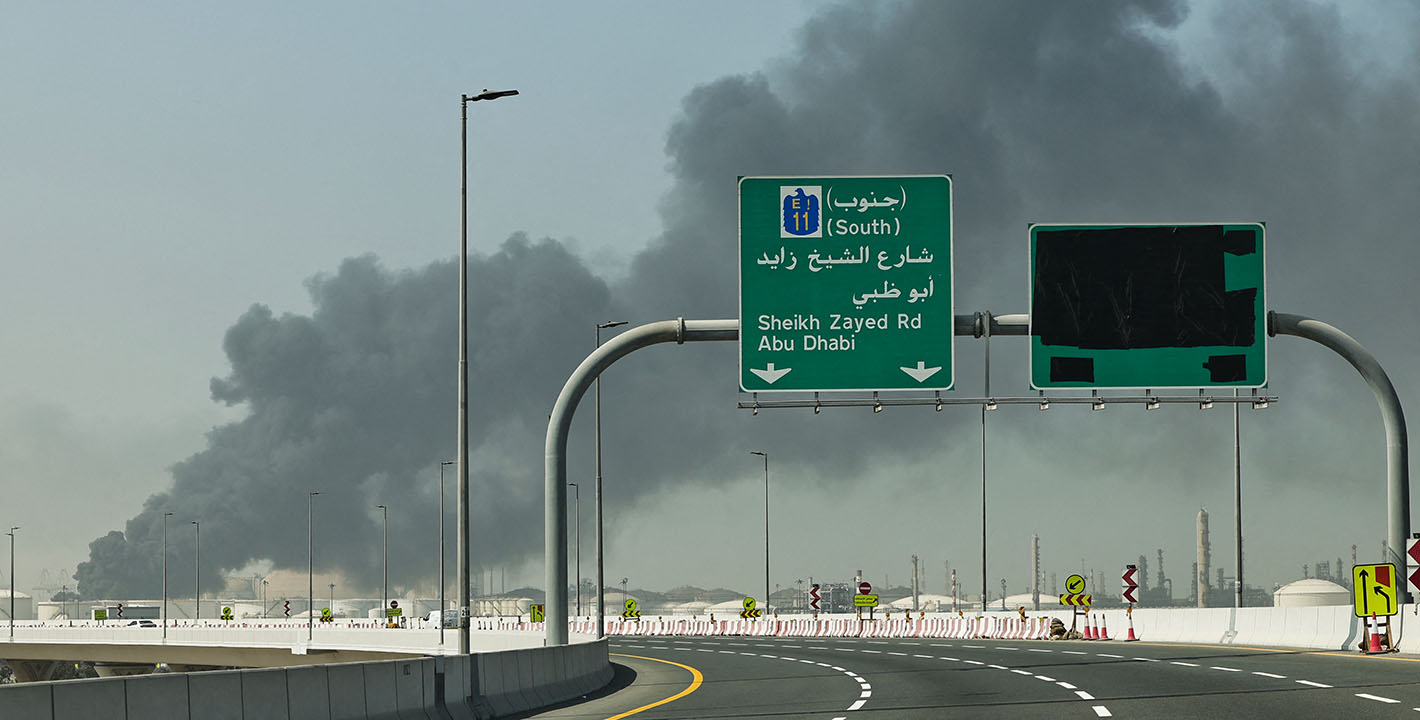
The countries in the region are managing the fallout from Iranian strikes in a paradoxical way.

Angie Omar

In an interview, Hassan Mneimneh discusses the ongoing conflict and the myriad miscalculations characterizing it.

Michael Young
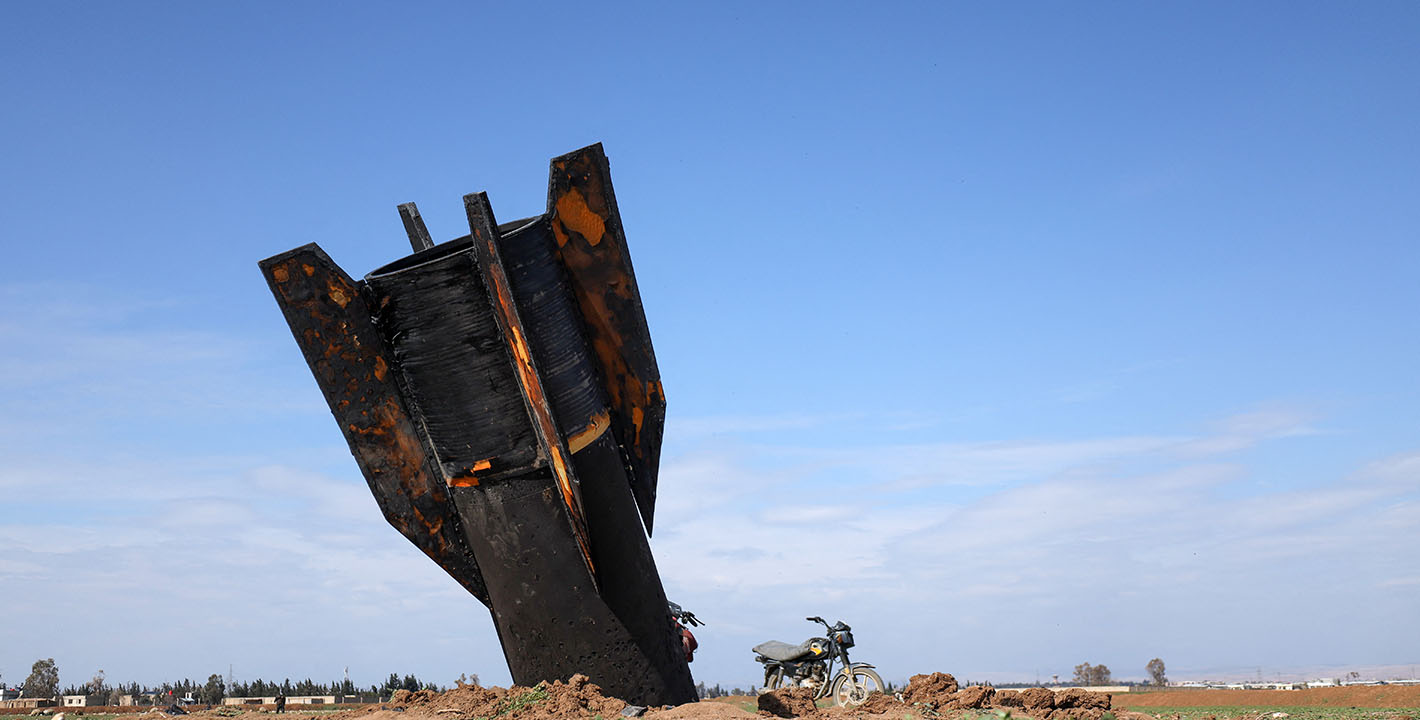
In an interview, Nicole Grajewski discusses the military dimension of the U.S. and Israeli attacks on Iran.
Michael Young

In an interview, Naysan Rafati assesses the first week that followed the U.S. and Israeli attack on Iran.
Michael Young