

Commentary
Baku may allow radical nationalists to publicly discuss “reunification” with Azeri Iranians, but the president and key officials prefer not to comment publicly on the protests in Iran.
Bashir Kitachaev
{
  "authors": [
    "Ukraine Reform Monitor Team"
  ],
  "type": "other",
  "centerAffiliationAll": "",
  "centers": [
    "Carnegie Endowment for International Peace",
    "Carnegie Europe"
  ],
  "collections": [
    "Europe’s Eastern Neighborhood",
    "Ukraine Reform Monitor"
  ],
  "englishNewsletterAll": "",
  "nonEnglishNewsletterAll": "",
  "primaryCenter": "Carnegie Endowment for International Peace",
  "programAffiliation": "",
  "programs": [
    "Russia and Eurasia"
  ],
  "projects": [
    "Reforming Ukraine"
  ],
  "regions": [
    "Eastern Europe",
    "Ukraine",
    "Europe"
  ],
  "topics": [
    "Political Reform",
    "Economy",
    "Security",
    "Foreign Policy"
  ]
}
Despite the growing scale and scope of reform activity and increasing support for it, the overall effort appears to be suffering from a lack of strategic direction.
The Ukraine Reform Monitor provides independent, rigorous assessments of the extent and quality of reforms in Ukraine. The Carnegie Endowment has assembled an independent team of Ukraine-based scholars to analyze reforms in four key areas. This second memo covers August and September 2015. The monitor is supported in part by a grant from the Open Society Foundations.
In August and September 2015, the Ukrainian government accomplished two major breakthroughs. It succeeded in negotiating a debt-restructuring deal with creditors, and it made progress toward parliamentary approval of a decentralization package. The first was an unqualified success. The second was a highly controversial event that triggered protests and violence and resulted in several fatalities, reaffirming that constitutional reform will be a difficult challenge for Ukraine. In addition to these major developments, the government used a relative lull in the fighting in eastern Ukraine to advance several less noted but important reforms.

Carnegie does not take institutional positions on public policy issues; the views represented herein are those of the author(s) and do not necessarily reflect the views of Carnegie, its staff, or its trustees.
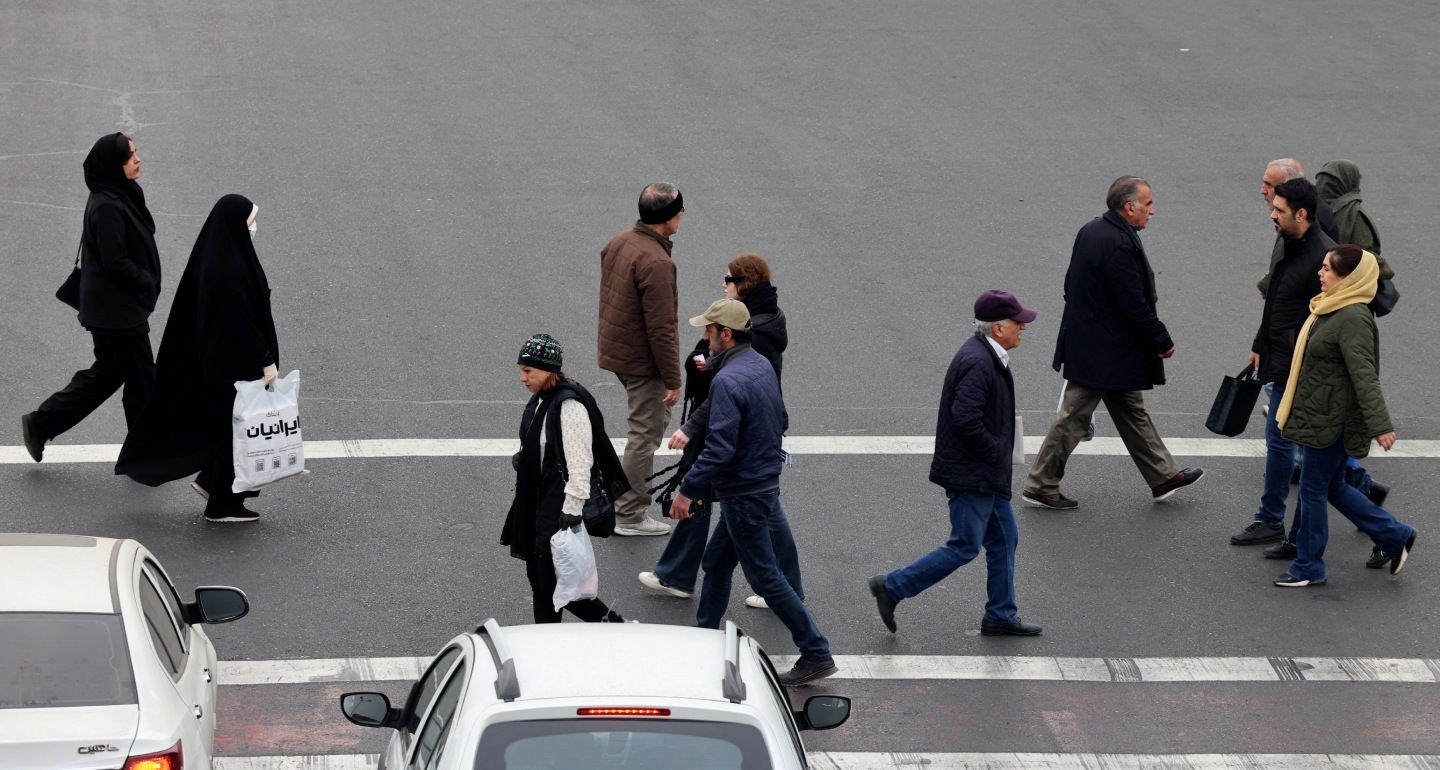
Baku may allow radical nationalists to publicly discuss “reunification” with Azeri Iranians, but the president and key officials prefer not to comment publicly on the protests in Iran.

Bashir Kitachaev
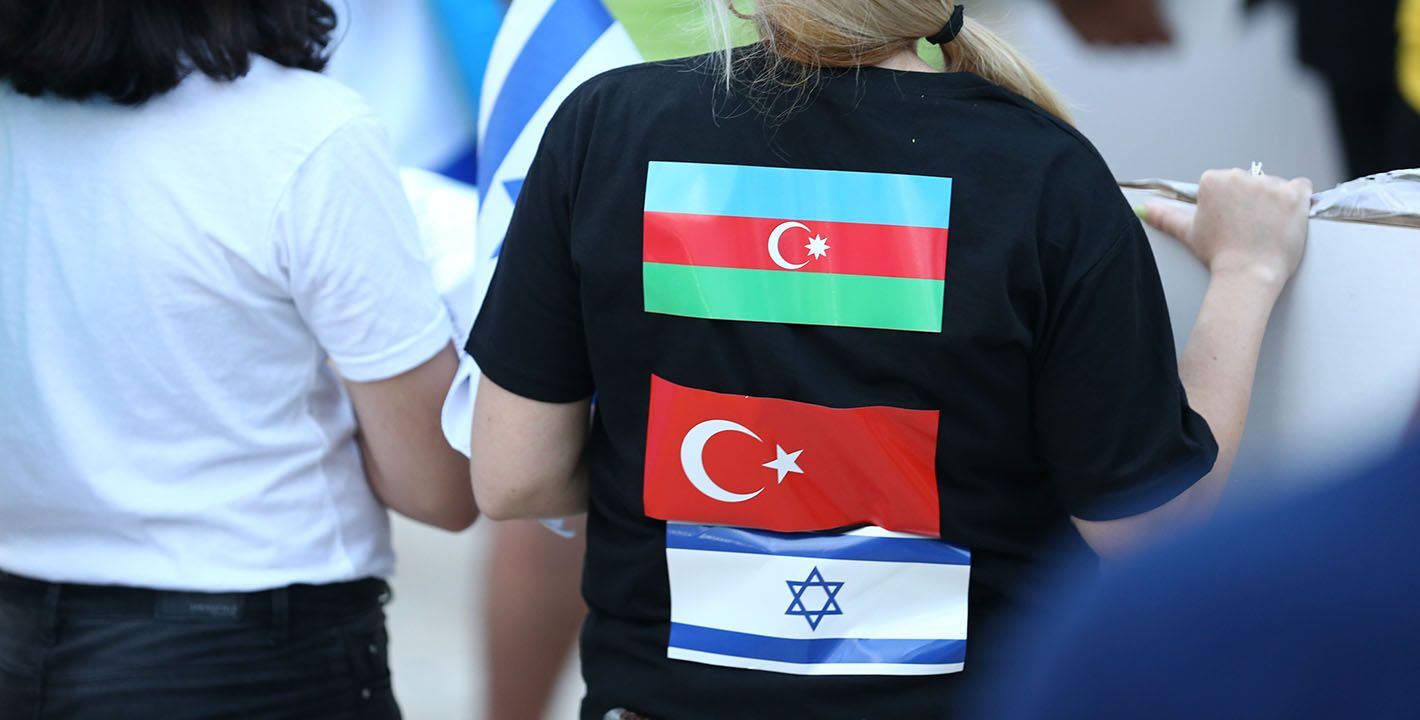
The country’s leadership is increasingly uneasy about multiple challenges from the Levant to the South Caucasus.
Armenak Tokmajyan
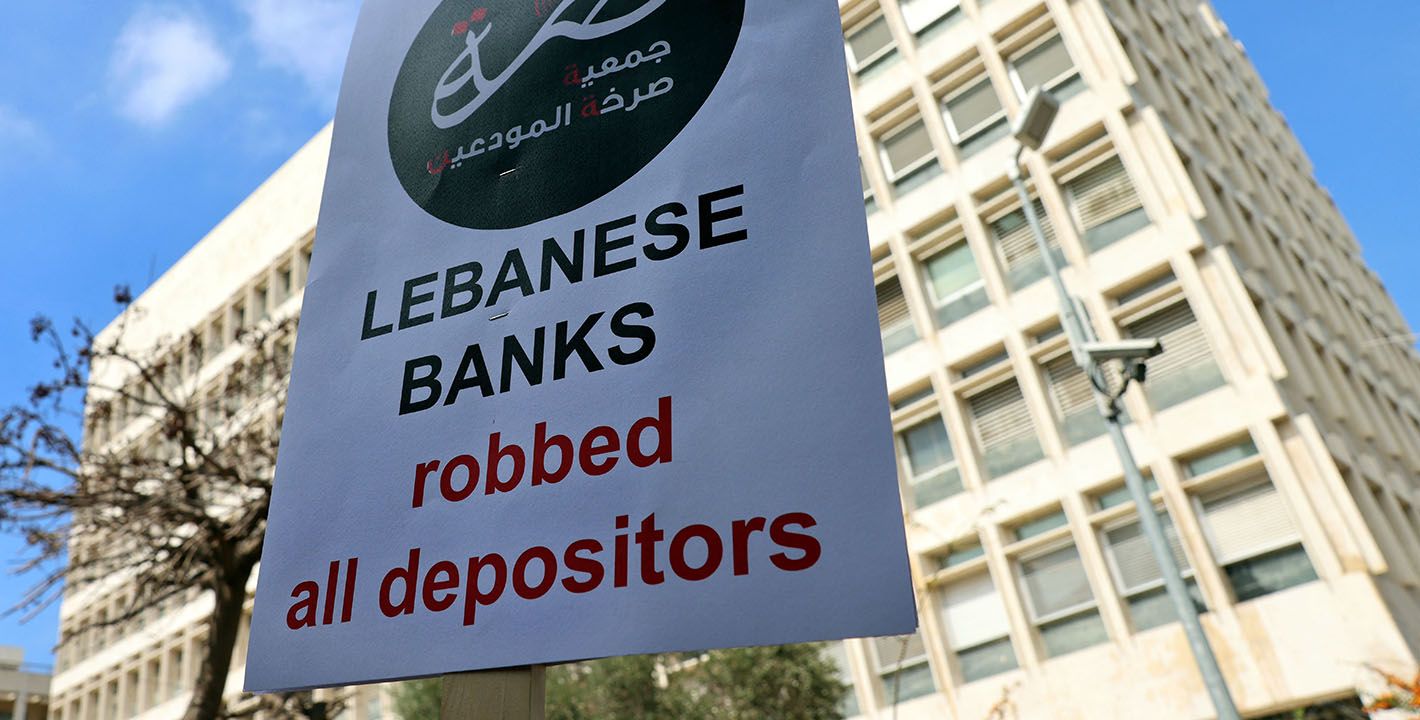
In an interview, Ishac Diwan looks at the merits and flaws in the draft legislation distributing losses from the financial collapse.
Michael Young
The countries of the region have engaged in sustained competition that has tested their capacities and limitations, while resisting domination by rivals. Can a more stable order emerge from this maelstrom, and what would it require?
Hamza Meddeb, Mohamed Ali Adraoui
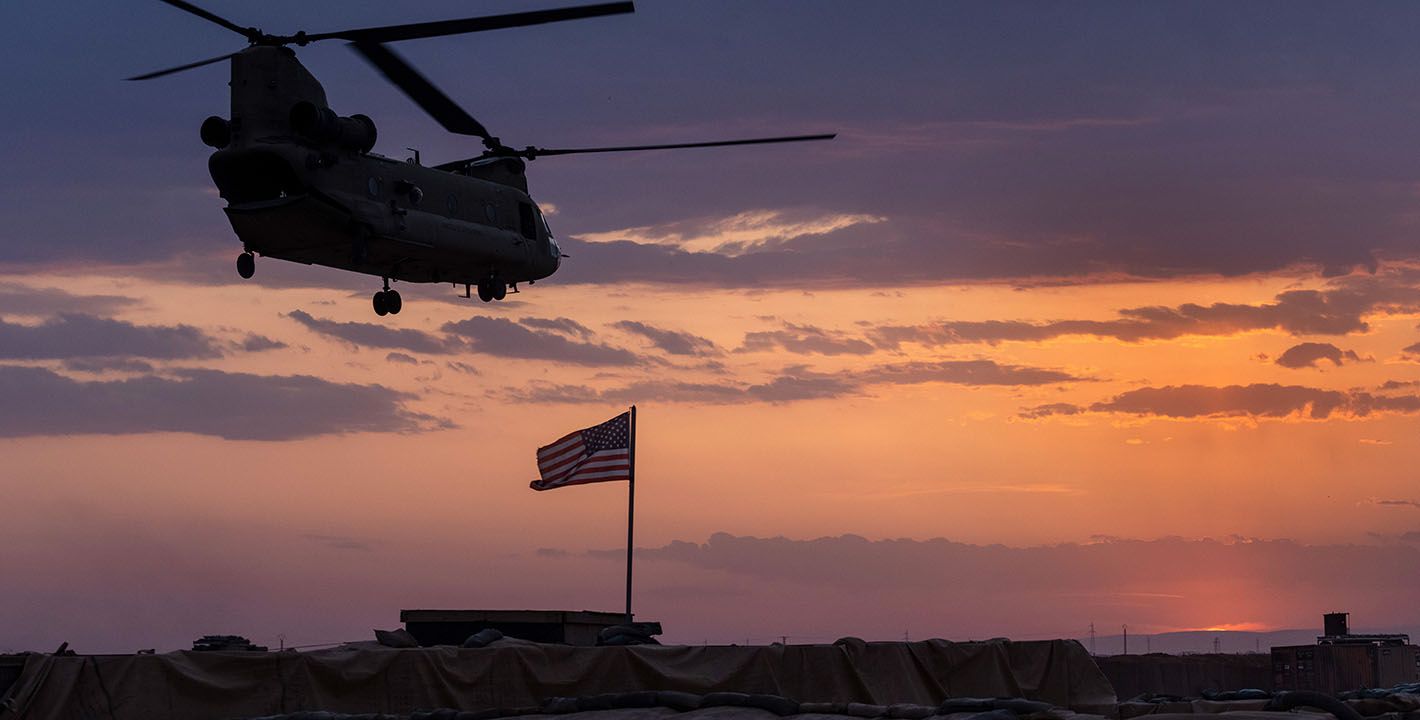
As Washington reduces its presence in the country, the success of its withdrawal and continued containment of the Islamic State will hinge on adopting an approach of flexible oversight built around three priorities, as well as balancing Turkish and Israeli red lines.
Kheder Khaddour, Issam Kayssi