

Commentary
Baku may allow radical nationalists to publicly discuss “reunification” with Azeri Iranians, but the president and key officials prefer not to comment publicly on the protests in Iran.
Bashir Kitachaev
{
  "authors": [
    "Erik Brattberg",
    "James L. Schoff"
  ],
  "type": "commentary",
  "centerAffiliationAll": "",
  "centers": [
    "Carnegie Endowment for International Peace",
    "Carnegie Europe",
    "Carnegie Russia Eurasia Center"
  ],
  "collections": [],
  "englishNewsletterAll": "",
  "nonEnglishNewsletterAll": "",
  "primaryCenter": "Carnegie Endowment for International Peace",
  "programAffiliation": "",
  "programs": [
    "Asia",
    "Europe"
  ],
  "projects": [],
  "regions": [
    "North America",
    "United States",
    "East Asia",
    "Japan",
    "Western Europe",
    "Asia",
    "Europe",
    "Iran"
  ],
  "topics": [
    "Economy",
    "Trade",
    "Foreign Policy",
    "EU"
  ]
}
Brussels and Tokyo are stepping up at a time when Washington is retrenching from its traditional leadership role on global trade issues.
Source: Diplomat
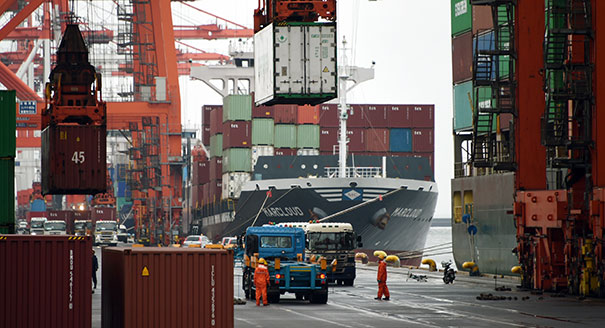
Nowhere is U.S. President Donald Trump’s antipathy for multilateral trade liberalization hitting harder than in Europe and Japan. Both have the U.S.-led international rules-based order to thank for enabling their present-day security and prosperity. And as major export-oriented economies, they share a huge stake in shaping the future global economic order. It is not surprising, therefore, to see Brussels and Tokyo stepping up at a time when Washington is retrenching from its traditional leadership role on global trade issues. Their agreement on a free-trade pact timed with the G20 meeting in Germany can be as substantive as it is symbolic, raising the key question of whether it might serve as a turning point for the United States as the Trump administration decides on its future trade agenda.
Both the EU and Japan have for years had their eyes on separate trade agreements involving the United States — for Japan, the 12-nation Trans-Pacific Partnership (TPP), and for the EU, the Transatlantic Trade and Investment Partnership (TTIP). The prospect of deepened trade integration with the United States served both economic and geostrategic rationales.
The EU and Japan viewed their prospective trade deals with the United States as a way to uphold the international rules-based order by setting high joint standards (in such areas as labor, safety, digital trade, and environmental and consumer protection) underpinned by shared norms and values that would force emerging powers like China to accommodate. Moreover, TPP and TTIP would, respectively, serve to complement and deepen Japan and the EU’s security partnerships with Washington at a time of growing pressure from China in Asia and Russia in Europe.
Trump’s early decision to withdraw the United States from TPP and de facto freeze the TTIP negotiations was accordingly a major setback to Tokyo and European capitals, and it intensified Japan and Europe’s desire to strike their own trade deal with each other. While the bilateral EU-Japan trade negotiations date back to 2013, the Trump administration’s economic nationalism and protectionist rhetoric incentivized both sides to announce their “agreement in principle” on the Japan-EU Economic Partnership Agreement (JEEPA) ahead of the G20 meeting in Hamburg in early July....
Carnegie does not take institutional positions on public policy issues; the views represented herein are those of the author(s) and do not necessarily reflect the views of Carnegie, its staff, or its trustees.
Baku may allow radical nationalists to publicly discuss “reunification” with Azeri Iranians, but the president and key officials prefer not to comment publicly on the protests in Iran.

Bashir Kitachaev
The country’s leadership is increasingly uneasy about multiple challenges from the Levant to the South Caucasus.

Armenak Tokmajyan
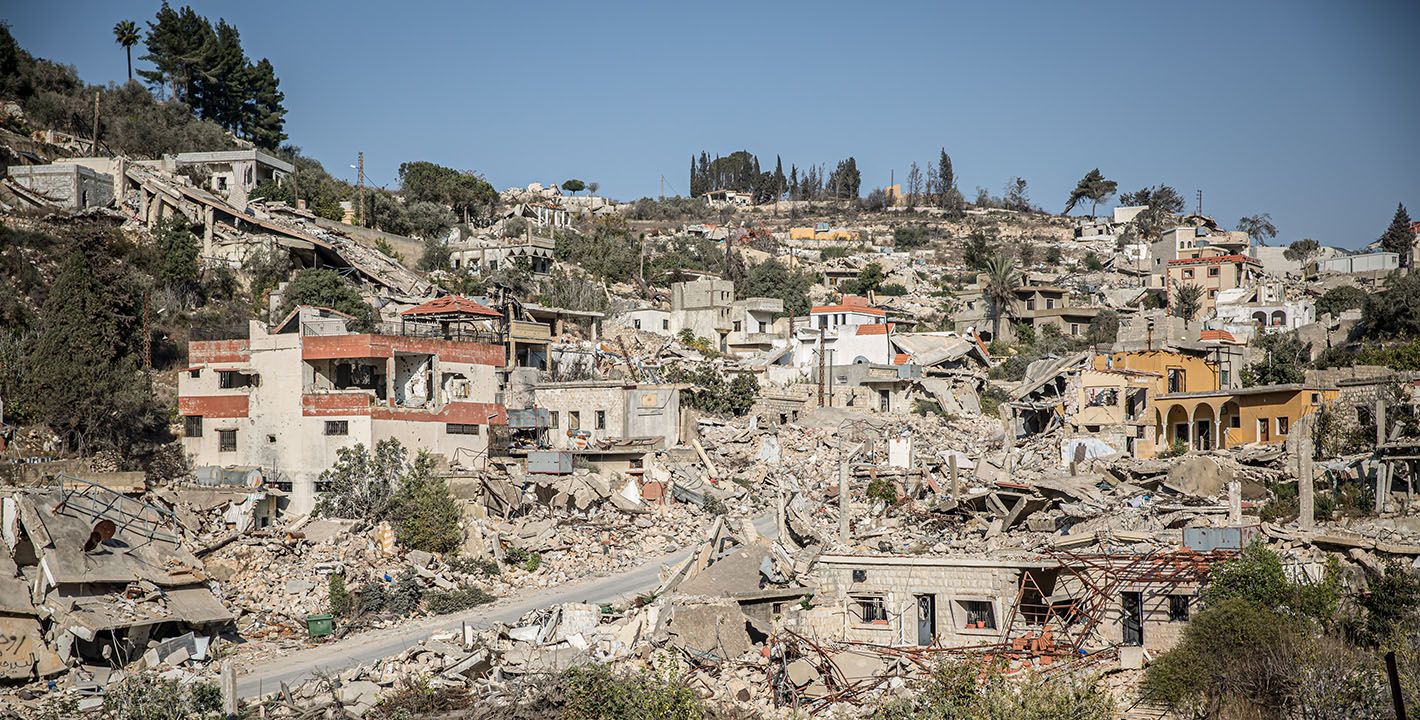
The U.S. is trying to force Lebanon and Syria to normalize with Israel, but neither country sees an advantage in this.

Michael Young
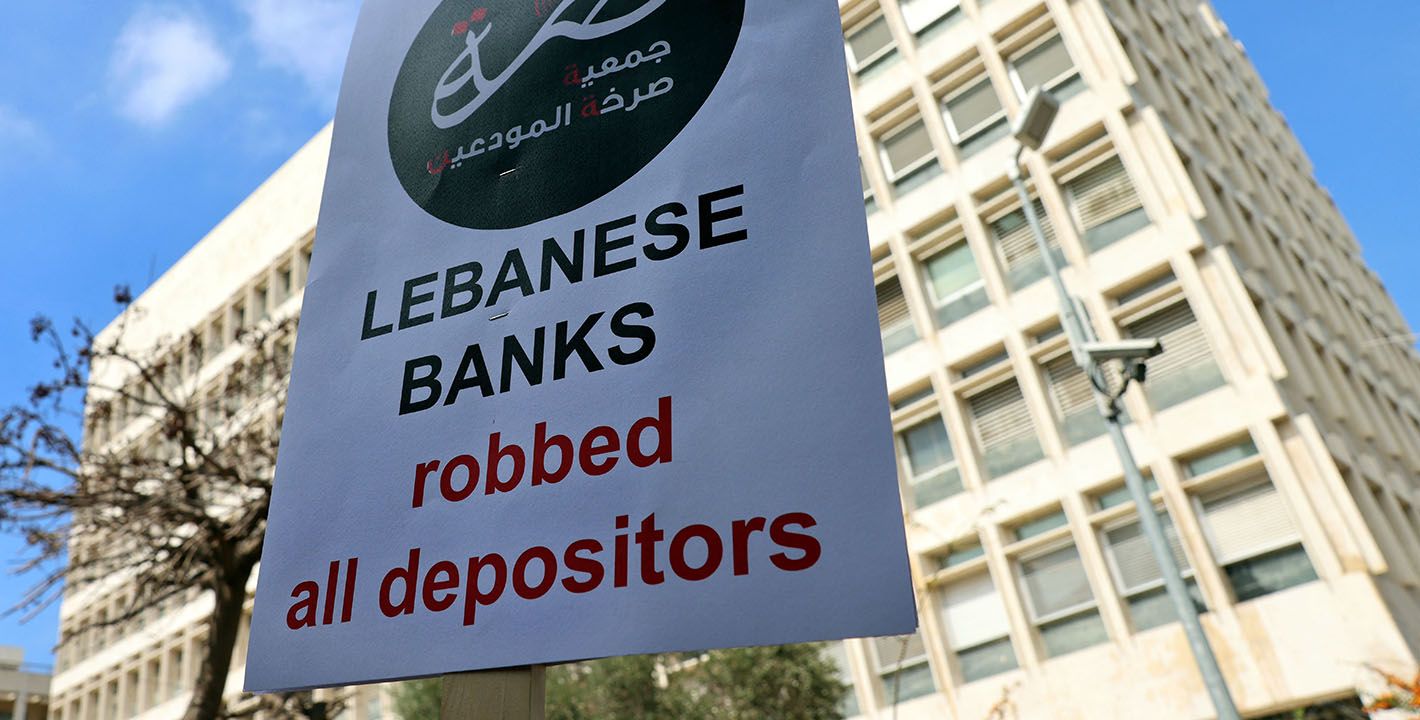
In an interview, Ishac Diwan looks at the merits and flaws in the draft legislation distributing losses from the financial collapse.
Michael Young
The countries of the region have engaged in sustained competition that has tested their capacities and limitations, while resisting domination by rivals. Can a more stable order emerge from this maelstrom, and what would it require?


Hamza Meddeb, Mohamed Ali Adraoui