

Commentary
Implementing Phase 2 of Trump’s plan for the territory only makes sense if all in Phase 1 is implemented.
Yezid Sayigh
{
  "authors": [
    "Matt Sheehan"
  ],
  "type": "commentary",
  "centerAffiliationAll": "",
  "centers": [
    "Carnegie Endowment for International Peace"
  ],
  "collections": [
    "Dynamic Technology Risks in Asia",
    "China and the World"
  ],
  "englishNewsletterAll": "",
  "nonEnglishNewsletterAll": "",
  "primaryCenter": "Carnegie Endowment for International Peace",
  "programAffiliation": "",
  "programs": [
    "Asia"
  ],
  "projects": [],
  "regions": [
    "United States",
    "China"
  ],
  "topics": [
    "Technology"
  ]
}
And what the United States must to do retain its competitiveness.
Conventional wisdom often suggests that technological breakthroughs proliferate in an environment of free markets, free speech, and democracy. In short, if you want to innovate, you need to operate like the United States. But over the past twenty years, China has transformed from a technological backwater into an innovation powerhouse.
Today, China directly competes with the United States on key emerging technologies, such as artificial intelligence and quantum computing. And it has managed to accomplish this feat even as its government has tightened controls on markets, speech, and politics.
In this video, I argue that three main factors have turbocharged China’s rise as a technological powerhouse: a large, semi-protected market; ties with researchers and companies around the world; and waves of financial, human, and physical capital invested in promising fields like AI. To keep the United States competitive, Washington should explore certain elements of China’s strategy, including a willingness to experiment with pro-innovation policies and an ability to accept a certain amount of “waste” when catalyzing technological upgrading.
More on China and technology:
Carnegie does not take institutional positions on public policy issues; the views represented herein are those of the author(s) and do not necessarily reflect the views of Carnegie, its staff, or its trustees.
Implementing Phase 2 of Trump’s plan for the territory only makes sense if all in Phase 1 is implemented.

Yezid Sayigh

Israeli-Lebanese talks have stalled, and the reason is that the United States and Israel want to impose normalization.

Michael Young

The country’s leadership is increasingly uneasy about multiple challenges from the Levant to the South Caucasus.

Armenak Tokmajyan

The U.S. is trying to force Lebanon and Syria to normalize with Israel, but neither country sees an advantage in this.
Michael Young
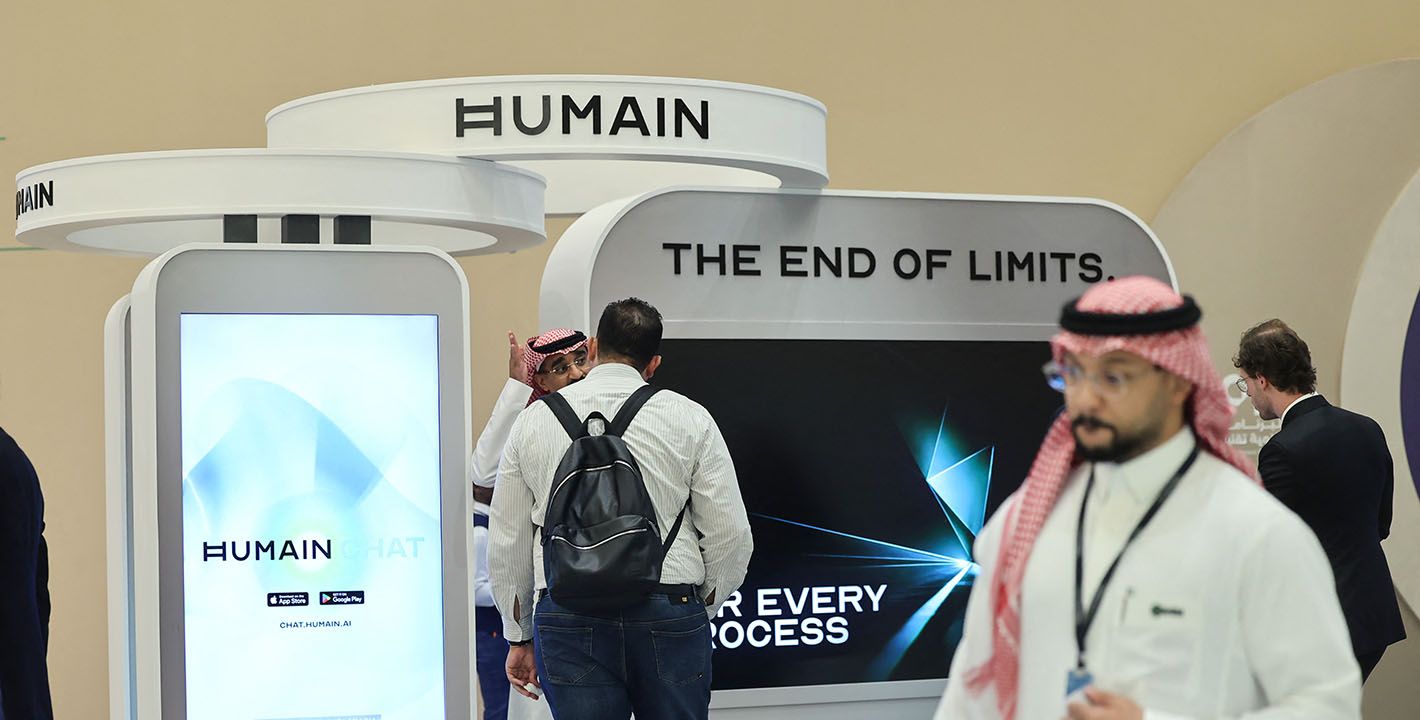
The GCC states’ use of Artificial Intelligence will generate much leverage over the global digital infrastructure and climate talks.

Camille Ammoun