

Commentary
Baku may allow radical nationalists to publicly discuss “reunification” with Azeri Iranians, but the president and key officials prefer not to comment publicly on the protests in Iran.
Bashir Kitachaev
{
  "authors": [
    "Jane Munga",
    "Ebele Monye"
  ],
  "type": "commentary",
  "centerAffiliationAll": "",
  "centers": [
    "Carnegie Endowment for International Peace"
  ],
  "collections": [
    "Chart of the Month",
    "Technology"
  ],
  "englishNewsletterAll": "",
  "nonEnglishNewsletterAll": "",
  "primaryCenter": "Carnegie Endowment for International Peace",
  "programAffiliation": "",
  "programs": [
    "Africa"
  ],
  "projects": [],
  "regions": [
    "Southern, Eastern, and Western Africa"
  ],
  "topics": [
    "Foreign Policy",
    "Technology"
  ]
}
What the United States and Africa have accomplished in their first year of digital collaboration.
The Digital Transformation with Africa (DTA) initiative was launched as part of the U.S.-Africa Leaders Summit hosted by U.S. President Joe Biden in December 2022. Now in its second year, DTA has ushered in pledges of $800 million ($350 million in investments and $450 million in finance facilitation) to accelerate digital transformation in Africa through three streams: digital economy and infrastructure, human capital development, and the digital enabling environment. This initiative is implemented through a whole-of-government approach, involving over seventeen U.S. agencies. In December 2023, the Carnegie Africa Program organized a year-one stocktaking event of the initiative to assess the advancement of the pledges established during the inaugural year, with featured speakers including the then special assistant to the president and senior director for African affairs at the National Security Council and the chairs of the DTA working groups.
What has the DTA achieved in its first year of existence?
First, the initiative was institutionalized through the establishment of the Africa Digital Policy Council and the formation of three interagency working groups organized around three pillars: digital economy and infrastructure (co-chaired by the U.S. Department of Commerce and the U.S. Trade and Development Agency), human capital development (led by the U.S. Agency for International Development), and digital enabling environment (led by the U.S. Department of State).
Second, DTA invested over $82 million in the first year with a focus on the areas depicted in figure 1.

Further assessment of the initiative’s first year shows that projects are being undertaken in all three DTA pillars; however, most of the initiatives (twenty-two out of twenty-nine) fall under pillar one—digital economy and infrastructure. Additionally, projects are dispersed across the continent, with Kenya, South Africa, and Nigeria hosting the highest number of initiatives. The U.S. Trade and Development Agency is the agency implementing the largest number of projects. This agency supported eighteen feasibility studies across the continent to help expand internet access, affordable connectivity, and last-mile services in rural and underserved areas. The feasibility studies emphasized these objectives because the foundational tenet of the DTA and a significant area of emphasis for Africa’s digital transformation is inclusivity. According to the International Telecommunication Union, 37 percent of the African population uses the internet. To bring more Africans online, the World Bank estimates it will cost over $100 billion. There is therefore a huge imperative for investments to close the digital divide.
In year two, we recommend that the DTA transitions from feasibility studies to program implementation to meet the investment needs for information and communications technology infrastructure. These programs should increase financing initiatives such as the Development Finance Corporation’s loan facility to expand the Africa Data Center in Ghana, Kenya, and South Africa and its financing for Africell to support mobile network upgrades in the Democratic Republic of the Congo, the Gambia, and Sierra Leone. Indeed, DTA implementors during the stocktaking event also communicated their intent to double investments in the second year. Other targets for year two are attracting more U.S. tech companies to the African market, promoting engagement across the digital value chain, reducing the digital divide, and engaging in cybersecurity regulation.
In its first year, the DTA has yielded notable progress in driving digital collaboration between the United States and African countries. Yet, much remains to be done by the initiative to accelerate digital transformation in the continent. Therefore, DTA implementors should seize areas of opportunity identified during the stocktaking event: mitigation of the brain drain in the continent, addressing youth unemployment, and supporting young innovators and entrepreneurs.
Carnegie does not take institutional positions on public policy issues; the views represented herein are those of the author(s) and do not necessarily reflect the views of Carnegie, its staff, or its trustees.
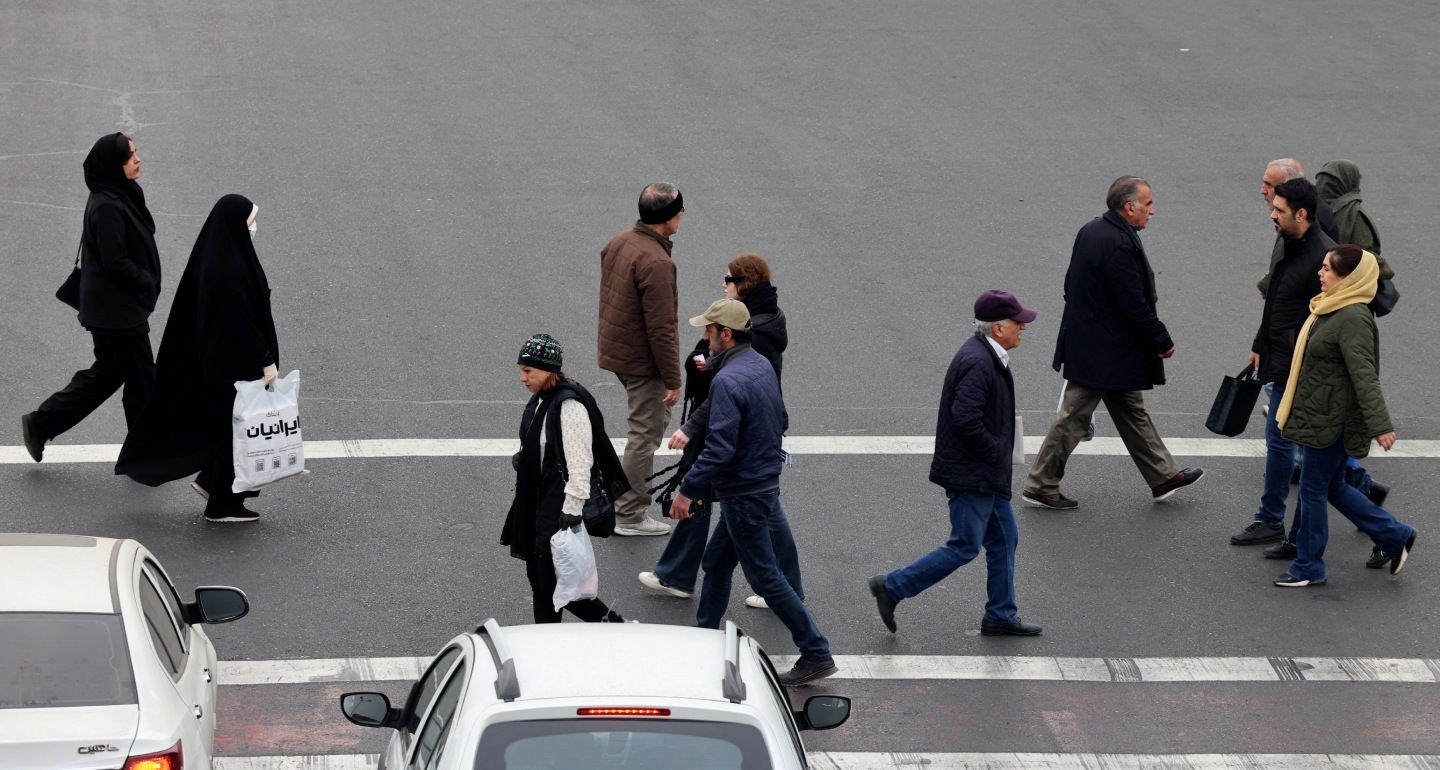
Baku may allow radical nationalists to publicly discuss “reunification” with Azeri Iranians, but the president and key officials prefer not to comment publicly on the protests in Iran.

Bashir Kitachaev
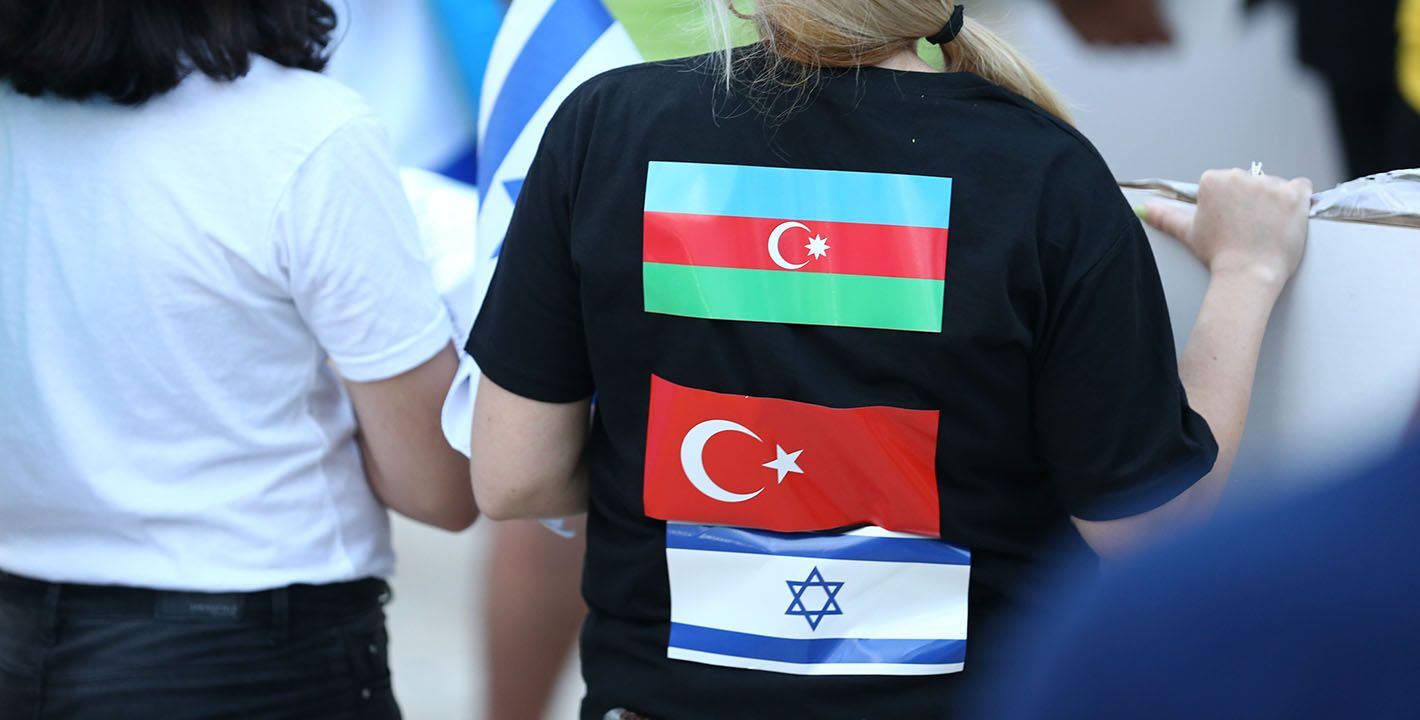
The country’s leadership is increasingly uneasy about multiple challenges from the Levant to the South Caucasus.

Armenak Tokmajyan

The GCC states’ use of Artificial Intelligence will generate much leverage over the global digital infrastructure and climate talks.
Camille Ammoun
The countries of the region have engaged in sustained competition that has tested their capacities and limitations, while resisting domination by rivals. Can a more stable order emerge from this maelstrom, and what would it require?

Hamza Meddeb, Mohamed Ali Adraoui
As Washington reduces its presence in the country, the success of its withdrawal and continued containment of the Islamic State will hinge on adopting an approach of flexible oversight built around three priorities, as well as balancing Turkish and Israeli red lines.

Kheder Khaddour, Issam Kayssi