

Commentary
The supposed threats from China and Russia pose far less of a danger to both Greenland and the Arctic than the prospect of an unscrupulous takeover of the island.
Andrei Dagaev
{
  "authors": [
    "Sergey Vakulenko"
  ],
  "type": "commentary",
  "blog": "Carnegie Politika",
  "centerAffiliationAll": "",
  "centers": [
    "Carnegie Endowment for International Peace",
    "Carnegie Russia Eurasia Center"
  ],
  "collections": [],
  "englishNewsletterAll": "",
  "nonEnglishNewsletterAll": "",
  "primaryCenter": "Carnegie Russia Eurasia Center",
  "programAffiliation": "",
  "programs": [],
  "projects": [],
  "regions": [
    "Russia",
    "Caucasus"
  ],
  "topics": [
    "Political Reform",
    "Economy",
    "Trade",
    "Climate Change",
    "Foreign Policy"
  ]
}
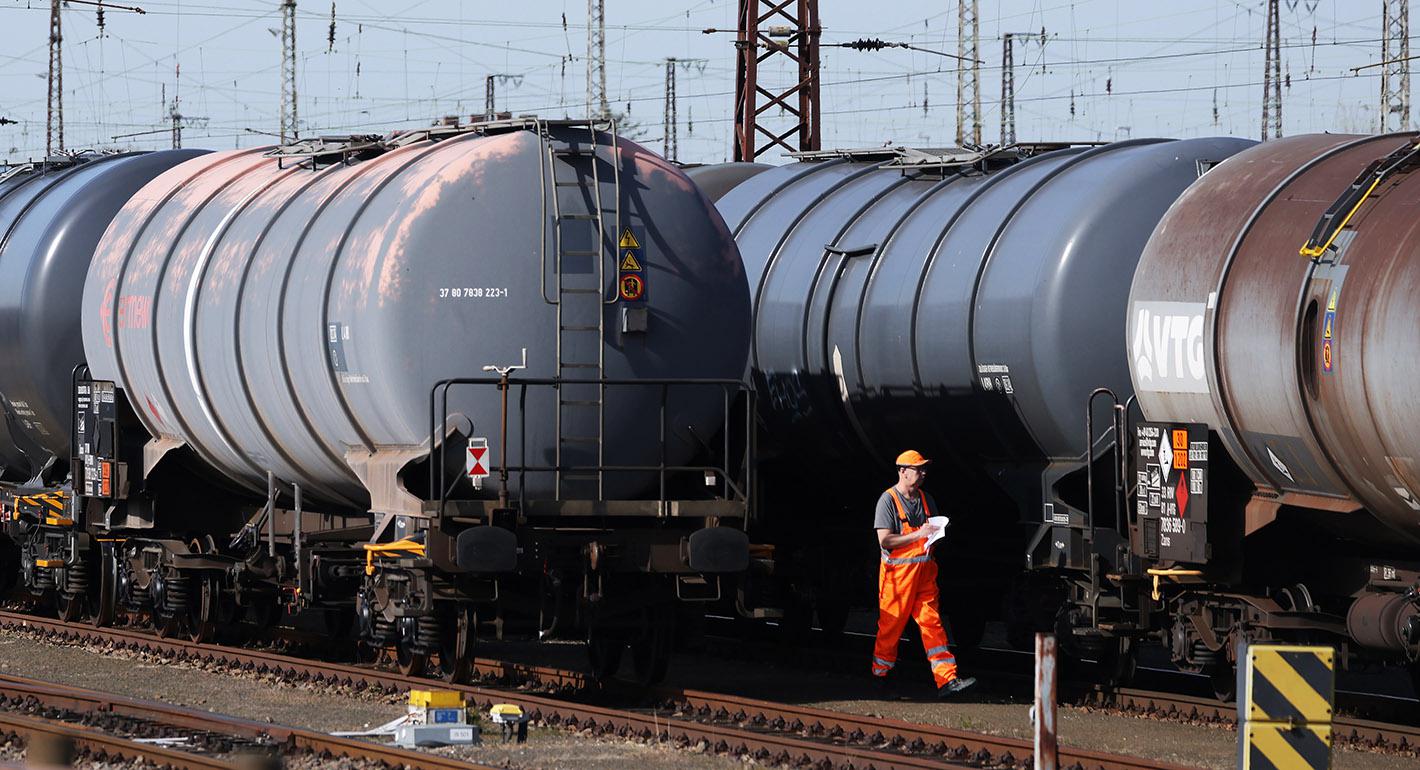
The state has taken an ever-greater role in Russian energy markets in recent years, and the system for regulating domestic fuel prices has become more and more cumbersome. The war in Ukraine has shown both that the system is no longer fit for purpose, and that a government filled with technocrats is unable to see the forest for the trees.
In recent months, Russia has seen diesel and gasoline prices soar, and a severe deficit of petrol products in some regions. In an attempt to deal with the situation, the government banned the export of all petroleum products. Although the ban was eased after a few weeks, the crisis and the frantic response to it revealed accumulating problems in Russian economy and governance.
How is it possible for an oil-producing giant like Russia to suffer from a lack of fuel? It’s partly the result of efforts to protect domestic fuel prices from the vagaries of the market, and partly a consequence of government infighting. It’s also a stark demonstration of how the stresses of the war in Ukraine are revealing themselves in unexpected places.
For many years, Russia has attempted to both preserve an ostensibly free market for petroleum products and regulate prices in such a way as to ensure they are independent of the global economy. The aim is to prevent gasoline prices from shooting up and to keep Russian consumers happy. Artificially low prices, however, have caused energy consumption to remain high and are increasingly difficult and expensive to maintain and would potentially make the economy vulnerable to fuel price fluctuations, when the government would have to abandon the price controls.
Market forces have tested this system several times, obliging the authorities to seek quick fixes. In 2022, the system survived currency volatility and sky-high global oil prices because Western sanctions meant Russian oil companies were having difficulties exporting. The government’s decision to calculate the mineral extraction tax in line with official oil price quotations that bore little relation to reality also helped.
By the summer of 2023, however, oil companies had found new buyers and come up with new ways to transport oil and oil products and collect payments, allowing them to mitigate Western sanctions and resume exports, and the government had modified the price quotations it used for calculating the mineral extraction tax. At the same time, global prices jumped (petroleum product prices rose even faster than those for crude) and the ruble weakened. All this meant that there was an ever-greater difference between the recommended domestic price and the global market price.
Petroleum product consumption dynamics in Russia also changed. There was a boom in demand in southwestern Russia due to military requirements amid the war in Ukraine, and along north-south transport routes leading to holiday destinations in the Caucasus and Russia-occupied Crimea (destinations made more popular by Russia’s international isolation). In addition, Russia’s grain harvest ripened earlier than usual, and repairs at several oil refineries took longer than anticipated, likely as a result of Western sanctions making it difficult to obtain spare parts and consumables.
The result was a severe regional deficit of petroleum products and price hikes. Railroads that could have been used to bring in supplies from regions without shortages were overloaded (again, likely due to military requirements). The spreading news of a deficit led to price rises across the country.
At the same time, the Finance Ministry—under pressure to raise revenue to fund ballooning military spending—decided to slash so-called “dampener payments” designed to compensate oil companies for selling fuel on the domestic market. Inevitably, this led to a situation in which companies could only supply the domestic market at a loss: both compared with exports, and in absolute terms. The cuts to “dampener payments” began in September, but they were announced in July and the market effect was immediate.
The shortage of petroleum products quickly became a serious issue for the authorities. As well as causing economic problems, particularly in the transportation and agricultural sectors, it showed that officials had lost control of the situation.
Efforts to persuade oil companies to operate at a loss fell on deaf ears. Nor was the Finance Ministry amenable to returning “dampener payments” to their previous level. Indeed, the Finance Ministry blamed the Energy Ministry for the crisis. In the end, the government decided to play its trump card and ban all exports of diesel and gasoline.
After fifteen days, the government partially lifted restrictions on diesel exports for volumes arriving to the ports via pipelines for companies supplying at least half of their produced diesel to the domestic market. Restrictions on gasoline exports, as well as on diesel delivered to ports via railway, remain in force. Yet no matter how short-lived the full ban, it was a draconian step with long-term ramifications. The development of Russia’s oil refining industry has long been focused on exports. Russia produces up to 15 percent more gasoline than the country needs, while 56 percent of the diesel produced in Russia is sold abroad.
Refineries tend to have a fixed slate of output with limited space for maneuver between various oil products. Russia has only operational storage capacity for fuels, serving as buffers in the supply chain, but no strategic storage. The latter problem has only gotten worse in recent years as oil companies seek efficiency savings by moving to the just-in-time operating model and closing unneeded storage facilities.
The ban was also a significant financial blow to Russia’s oil companies, which had just been forced to find new export markets after their access to Europe was lost as a result of the European Union’s February embargo on Russian refined oil products.
No less serious was the reputational damage. New buyers outside Europe had only just started to receive Russian diesel when the export ban came into force. While those buyers were likely concerned about the potential impact of tougher Western sanctions on their arrangement, in the end, it was the Russian government that delivered the unpleasant surprise. It’s likely some of those buyers might have second thoughts about buying from Russia and either back out entirely, or demand significant discounts.
Using the nuclear option of an export ban was a sign of desperation. Government officials were trying to show ordinary Russians, as well as their bosses in the Kremlin, that they were taking decisive action. But it was also an attempt to seize the initiative in negotiations with oil companies. When there was a deficit, officials pleaded with oil companies to make concessions—whereas the ban had turned the tables on the companies, forcing them to petition the government and come up with possible solutions.
The state has taken an ever-greater role in Russian energy markets in recent years, and the system for regulating domestic fuel prices has become more and more cumbersome. The war in Ukraine has shown both that the system is no longer fit for purpose, and that a government filled with technocrats is unable to see the forest for the trees.
With little room for maneuver and no chance of a policy U-turn, Russia’s existing system will continue to get more complex, more vulnerable, and less effective.
Carnegie does not take institutional positions on public policy issues; the views represented herein are those of the author(s) and do not necessarily reflect the views of Carnegie, its staff, or its trustees.
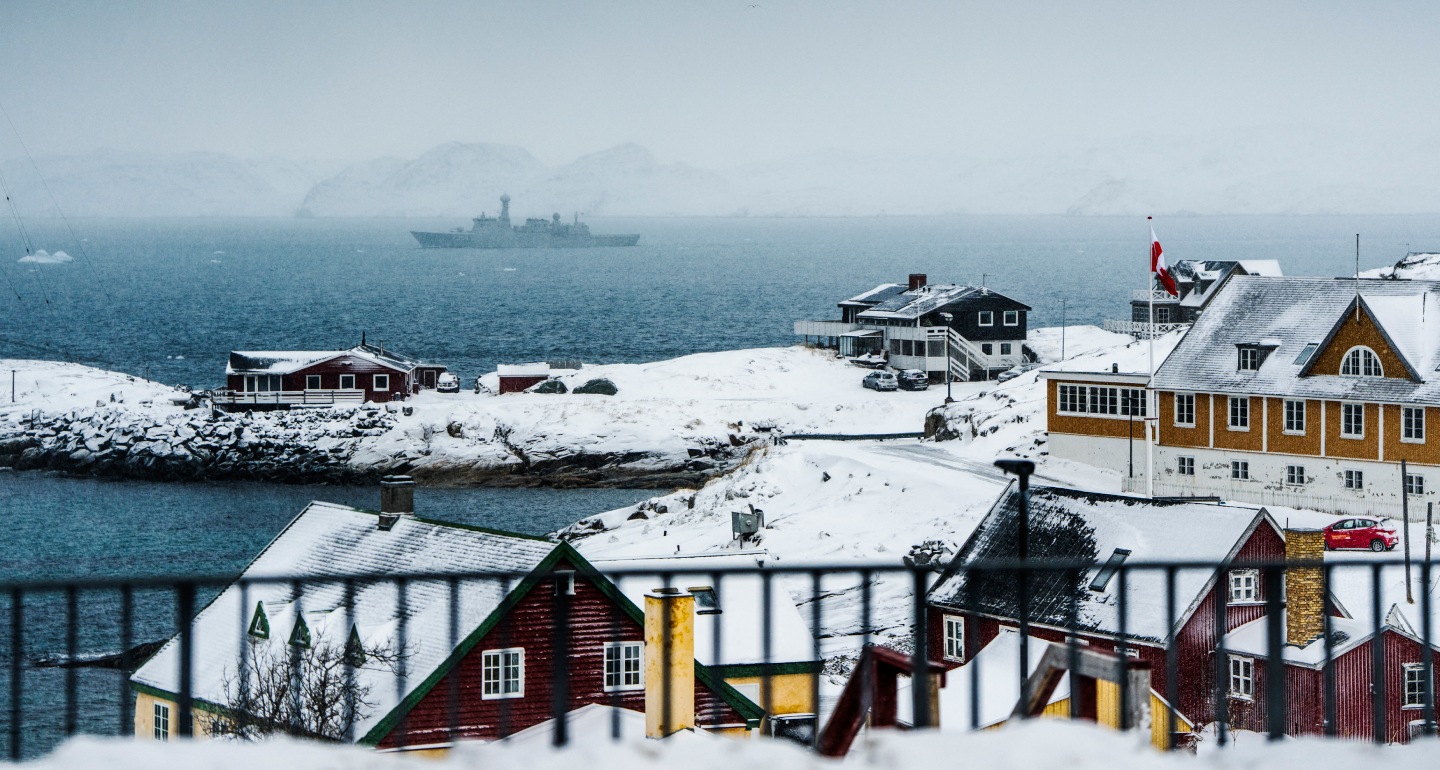
The supposed threats from China and Russia pose far less of a danger to both Greenland and the Arctic than the prospect of an unscrupulous takeover of the island.

Andrei Dagaev
Western negotiators often believe territory is just a bargaining chip when it comes to peace in Ukraine, but Putin is obsessed with empire-building.

Andrey Pertsev
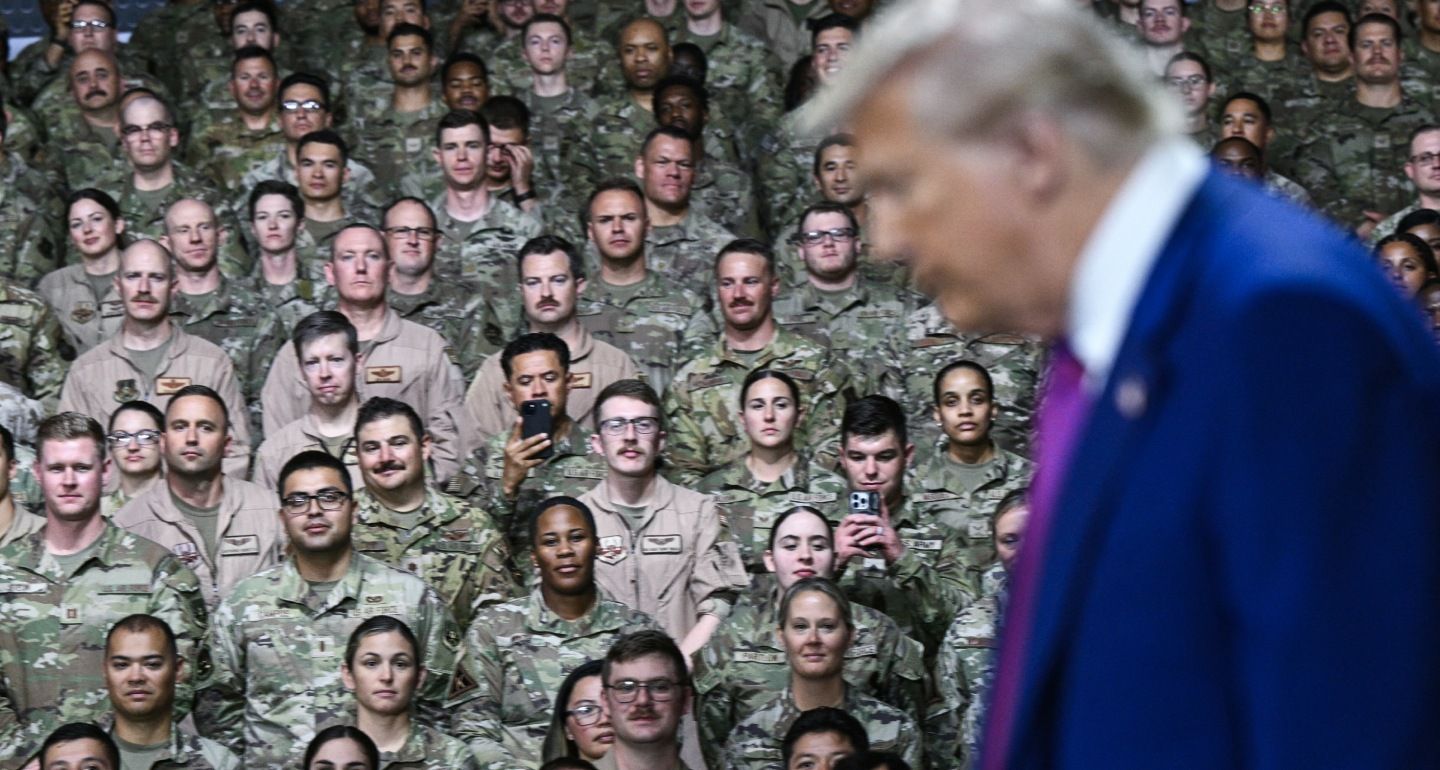
Unexpectedly, Trump’s America appears to have replaced Putin’s Russia’s as the world’s biggest disruptor.
Alexander Baunov
Baku may allow radical nationalists to publicly discuss “reunification” with Azeri Iranians, but the president and key officials prefer not to comment publicly on the protests in Iran.

Bashir Kitachaev
The Kremlin will only be prepared to negotiate strategic arms limitations if it is confident it can secure significant concessions from the United States. Otherwise, meaningful dialogue is unlikely, and the international system of strategic stability will continue to teeter on the brink of total collapse.

Maxim Starchak