

Commentary
Unexpectedly, Trump’s America appears to have replaced Putin’s Russia’s as the world’s biggest disruptor.
Alexander Baunov
{
  "authors": [
    "Mikayel Zolyan"
  ],
  "type": "commentary",
  "blog": "Carnegie Politika",
  "centerAffiliationAll": "",
  "centers": [
    "Carnegie Endowment for International Peace",
    "Carnegie Russia Eurasia Center"
  ],
  "collections": [
    "Aso Tavitian Initiative"
  ],
  "englishNewsletterAll": "",
  "nonEnglishNewsletterAll": "",
  "primaryCenter": "Carnegie Russia Eurasia Center",
  "programAffiliation": "",
  "programs": [
    "Russia and Eurasia"
  ],
  "projects": [],
  "regions": [
    "Caucasus",
    "Russia",
    "Azerbaijan",
    "Armenia"
  ],
  "topics": [
    "Foreign Policy",
    "Economy"
  ]
}
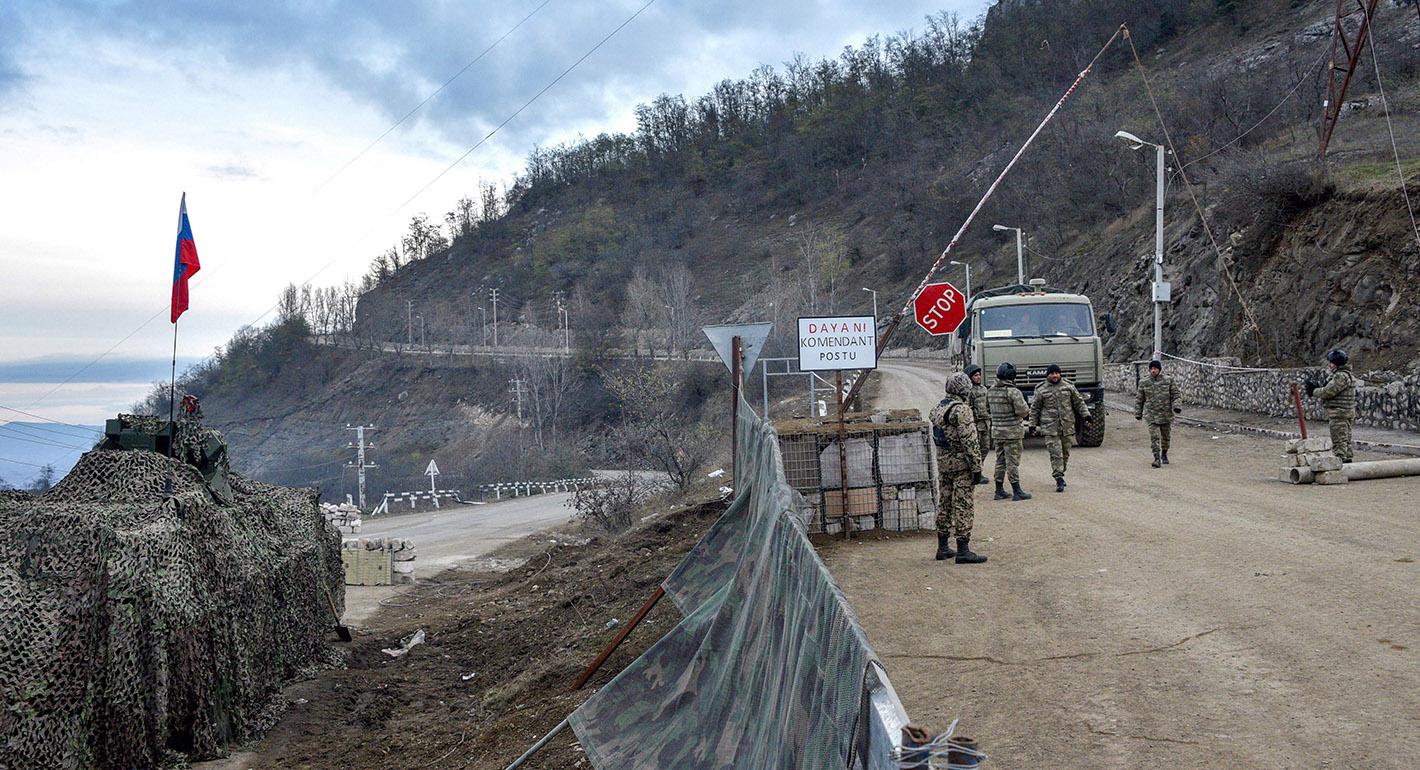
Yerevan does not want to repeat the mistakes of the past by relying too much on a single ally.
Armenia is on the brink of formulating a new foreign policy. Moscow’s silent acquiescence during September’s one-day war, in which Azerbaijan seized the long-disputed region of Nagorno-Karabakh, prompting the flight of all Karabakh Armenians, means most Armenians no longer see Russia as an ally, never mind a security guarantor. Armenia is likely to both turn to the West and make overtures toward other major powers, particularly India and Iran.
At the same time, Yerevan will be looking to retain constructive relations with Moscow. And despite the trauma of losing Nagorno-Karabakh, there will be continuing efforts to solve the long-standing conflict with Azerbaijan and normalize relations with Turkey.
For both the Armenian elite and the broader population, events in Nagorno-Karabakh—which they see as nothing short of ethnic cleansing—have destroyed the idea of Russia as a security guarantor: an idea that had been common currency since at least the beginning of the nineteenth century, even becoming a part of the Armenian national identity. Now, however, even if the immediate crisis is resolved, Armenians will never see Russians the same way again.
Of course, there were always Armenians who called for closer ties with the West, including through joining the EU and NATO, but they were outliers until at least the Second Karabakh War in 2020. Even the Velvet Revolution of 2018 that swept Prime Minister Nikol Pashinyan to power did not alter the elite’s foreign policy outlook. While Pashinyan found common ground with young Western leaders like French President Emmanuel Macron and Canadian Prime Minister Justin Trudeau, there was no attempt to chart a more pro-Western course. Pashinyan even irritated the United States by sending military doctors and engineers to Syria as part of Russia’s military intervention in support of President Bashar al-Assad.
While the 2020 war revealed Yerevan to be internationally isolated on Nagorno-Karabakh, Russia managed to partially preserve its reputation among Armenians by preventing the total destruction of Nagorno-Karabakh forces or ethnic cleansing there, and deploying peacekeepers. Only when Russia invaded Ukraine in 2022 did it dawn on Yerevan that the status quo was untenable.
Yerevan began distancing itself from Moscow in the spring of that year, seeking closer ties with the West and expressing a readiness to compromise over Nagorno-Karabakh. There was a growing awareness that something was going to have to give. While the West offered diplomatic support to Armenia during clashes with Azerbaijan in September 2022, Russia pointedly stayed neutral.
Some Armenians, most fatefully the de facto government of Nagorno-Karabakh, remained stuck in the old paradigm, believing Russian peacekeepers were a genuine safeguard against a renewed Azerbaijani offensive. But this year’s one-day war and the ensuing exodus of Karabakh Armenians proved to even the most ardent pro-Russian Armenians that Moscow was either unwilling or unable to protect them.
Russia did not even step in to help Nagorno-Karabakh politicians seen as pro-Russian. As it took over the region, Azerbaijan arrested three former presidents of the self-proclaimed republic—Arkadi Ghukasyan, Bako Sahakyan, and Arayik Harutyunyan—as well as the prominent Russian-Armenian tycoon Ruben Vardanyan. They all remain in jail in Azerbaijan.
Contrary to expectations, the loss of Nagorno-Karabakh did not lead to the fall of Pashinyan. Instead, it has weakened Armenia’s pro-Moscow opposition, and helped shape an emerging consensus that a continued alliance with Russia is impossible.
What would a “post-Russia” Armenian foreign policy look like? The most serious problem, of course, is still the conflict with Azerbaijan and its Turkish backers. Azerbaijani officials have been less aggressive in their rhetoric since the seizure of Nagorno-Karabakh, but President Ilham Aliyev is in no hurry to sign any documents that would normalize relations.
Perhaps counterintuitively, the loss of Nagorno-Karabakh has convinced Yerevan that solving the conflict with Azerbaijan and Turkey is more urgent than ever. Such peaceful rhetoric faces some internal opposition, but most of the Armenian elite believe it is the only option. Any other position would simply lead to a fresh escalation, and another defeat.
Armenian officials have ramped up contact with their Western counterparts, and Yerevan insists it wants to discuss a peace agreement with Baku somewhere in the West—not in Russia. In October, Armenia even signed an agreement with France for the delivery of military equipment.
Still, Yerevan does not want to repeat its past mistakes by relying too much on a single ally. As a result, it is unlikely to limit its search for new partners to the West alone.
The most obvious choice for Armenia when it comes to a non-Western ally is Iran, which has said repeatedly that it supports the territorial integrity of both Armenia and Azerbaijan. Iran has also expressed opposition to an extraterritorial corridor through southern Armenia that would link Azerbaijan with its exclave of Nakhichevan.
The other partner from the Global South that Yerevan is hoping to recruit is India. New Delhi took note of Armenia after the 2020 war, when Azerbaijan was also backed by Pakistan. Ties have grown ever since, up to and including arms deliveries.
None of Armenia’s theoretical new partners can replace Russia as a security guarantor, however. Armenia also remains dependent on Russia when it comes to other issues like energy and transport. It would be naïve to think that the West can simply be a substitute for Russia in all these areas—particularly while wars are raging in Ukraine and the Middle East. Many in Yerevan repeat the mantra: “If we lose Russia as an ally, we must at least ensure it doesn’t become an enemy.”
Unfortunately, any Armenian steps toward the West tend to be perceived as a hostile act in Moscow. And the Kremlin still has plenty of ways to exert influence over Yerevan: it could give the green light to Baku to launch another military operation, halt natural gas exports, or deport ethnic Armenians from Russia, for example.
While such radical measures would harm Armenia, they would not return the country to the Russian fold. Instead, they would only strengthen anti-Russian feeling and intensify Yerevan’s search for new partners.
There are, therefore, considerable grounds to hope that Moscow and Yerevan can overcome their current difficulties and build a new relationship—or at the very least have a civilized divorce. But the history of Russia’s relations with other post-Soviet countries shows that Moscow does not always behave rationally in such matters.
Carnegie does not take institutional positions on public policy issues; the views represented herein are those of the author(s) and do not necessarily reflect the views of Carnegie, its staff, or its trustees.
Unexpectedly, Trump’s America appears to have replaced Putin’s Russia’s as the world’s biggest disruptor.
Alexander Baunov
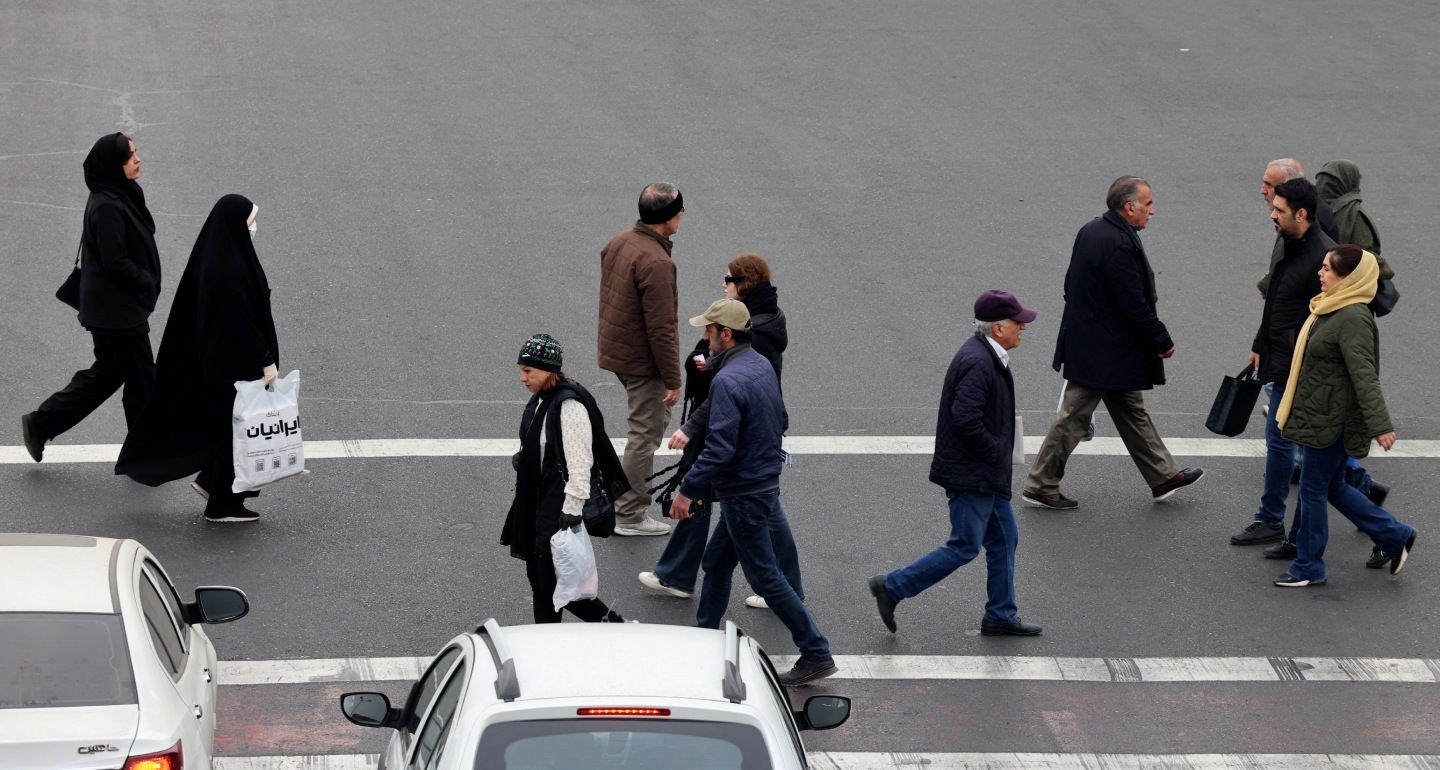
Baku may allow radical nationalists to publicly discuss “reunification” with Azeri Iranians, but the president and key officials prefer not to comment publicly on the protests in Iran.

Bashir Kitachaev
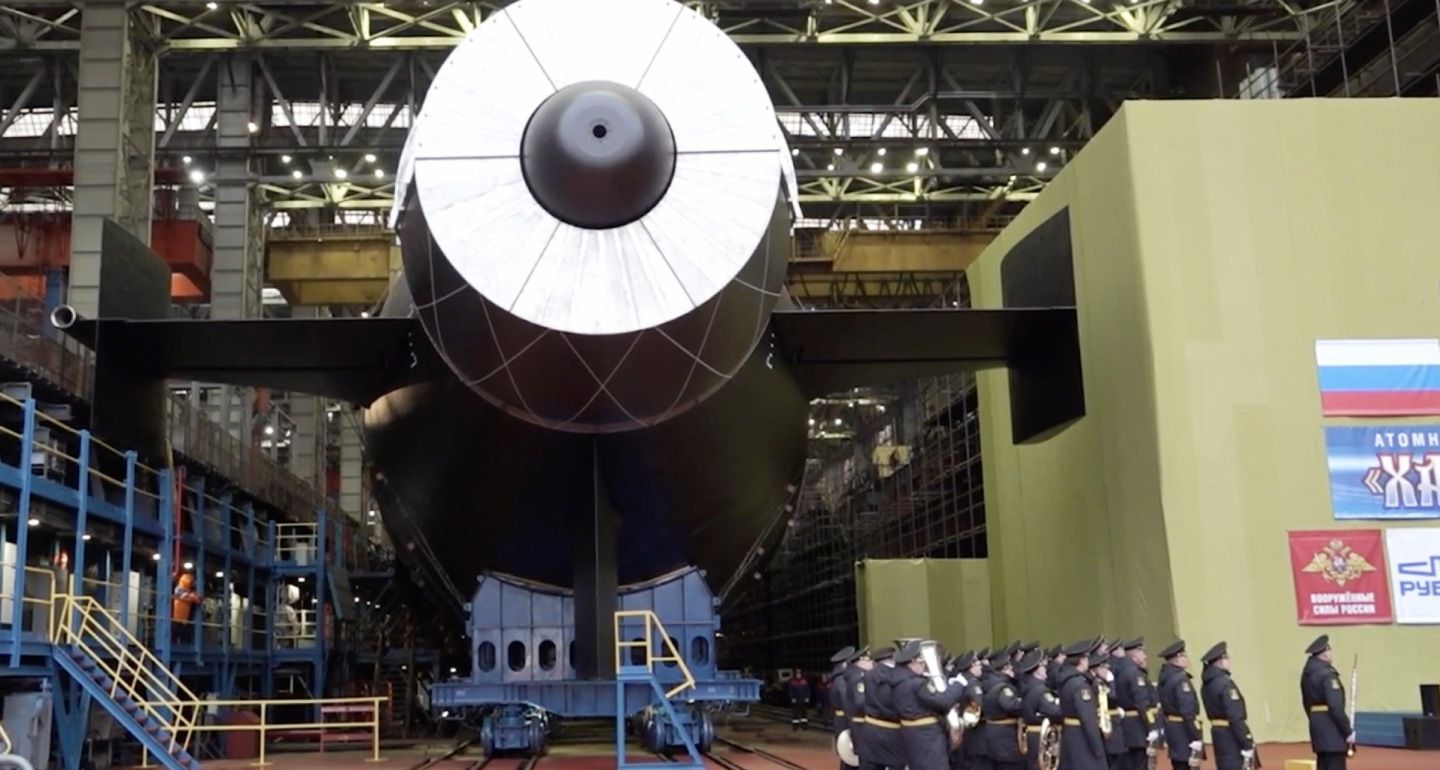
The Kremlin will only be prepared to negotiate strategic arms limitations if it is confident it can secure significant concessions from the United States. Otherwise, meaningful dialogue is unlikely, and the international system of strategic stability will continue to teeter on the brink of total collapse.

Maxim Starchak
For years, the Russian government has promoted “sovereign” digital services as an alternative to Western ones and introduced more and more online restrictions “for security purposes.” In practice, these homegrown solutions leave people vulnerable to data leaks and fraud.

Maria Kolomychenko
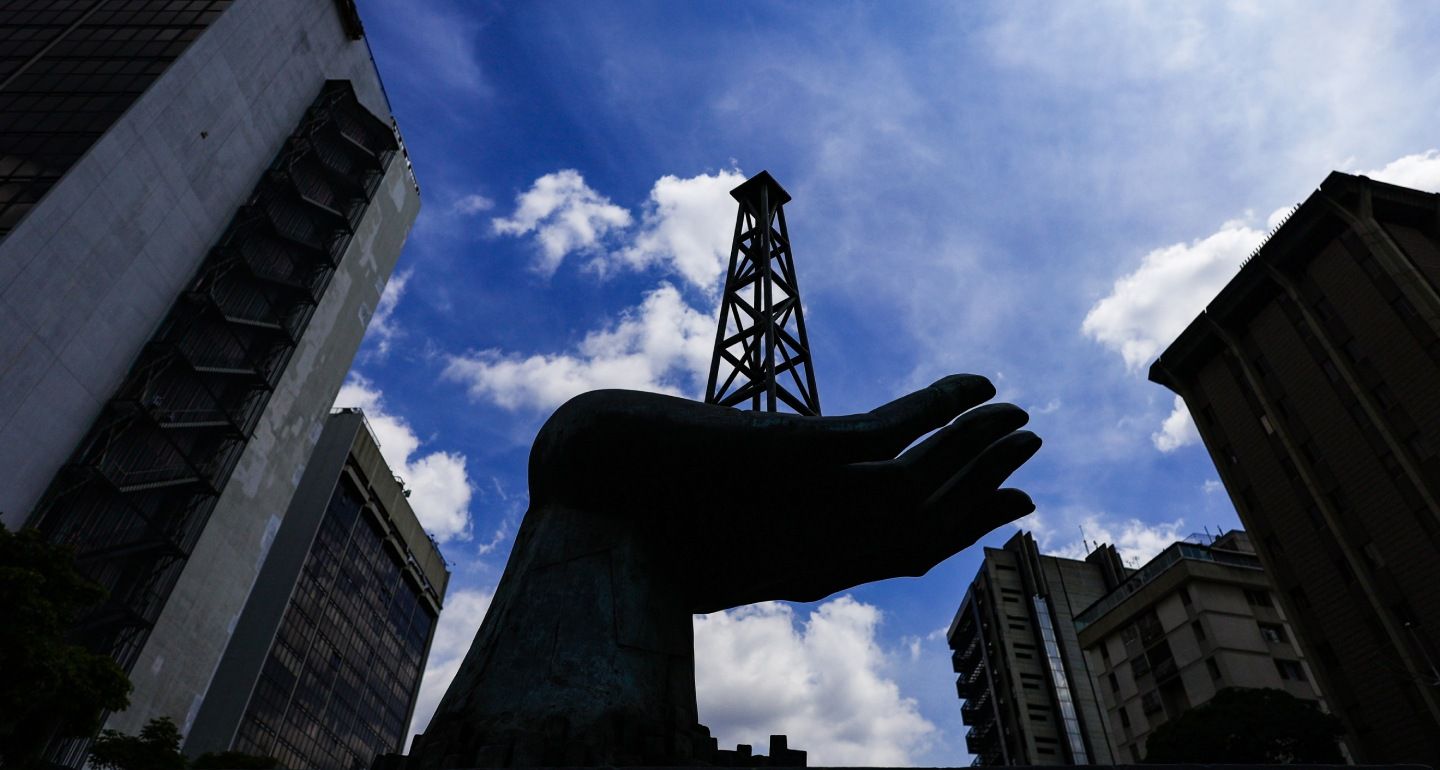
Geological complexity and years of mismanagement mean the Venezuelan oil industry is not the big prize officials in Moscow and Washington appear to believe.

Sergey Vakulenko